
Unwanted hair has a talent for showing up exactly where it was not invited: the chin before a big meeting, the legs before a beach day, the underarms right after you swore you “just shaved yesterday.” If you are searching for how to remove hair permanently from the face, legs, and body, the good news is that modern hair removal has come a long way from emergency razors and bathroom acrobatics.
The slightly less magical news? “Permanent” does not mean every single hair vanishes forever after one appointment while angels sing. Permanent hair removal usually means destroying or disabling hair follicles over a series of treatments. Some methods offer true permanent removal for treated follicles, while others provide long-term hair reduction that may need occasional touch-ups.
This guide explains the most effective options, what works best for different body areas, how to prepare, what to avoid, and how to choose a method that fits your skin tone, hair color, budget, pain tolerance, and patience level.
What Does Permanent Hair Removal Really Mean?
Before booking a treatment, it helps to understand the fine print. Hair grows in cycles: active growth, transition, and resting phases. Permanent treatments work best when the hair is in the active growth phase, which is why multiple sessions are necessary. One appointment cannot catch every follicle at the right moment.
There are two major categories to know:
Electrolysis: Permanent Hair Removal
Electrolysis is widely recognized as a true permanent hair removal method. A trained professional inserts a tiny probe into each hair follicle and uses an electrical current to destroy the follicle’s ability to grow hair. Once that follicle is successfully treated, it should not produce hair again.
Laser Hair Removal: Permanent Hair Reduction
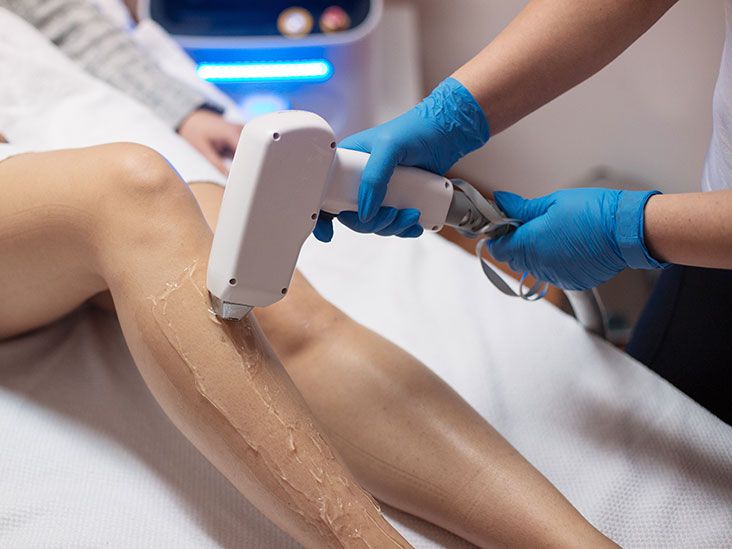
Laser hair removal uses concentrated light energy to target pigment in the hair. The heat damages the follicle and reduces future growth. It can dramatically reduce hair on the face, legs, underarms, bikini line, back, chest, arms, and other areas. However, it is usually described as permanent hair reduction rather than guaranteed permanent removal. Some people need maintenance sessions later, especially if hormones, genetics, or medical conditions trigger new growth.
Best Methods to Remove Hair Permanently from the Face, Legs, and Body
1. Electrolysis for Permanent Facial and Body Hair Removal
Electrolysis is the gold-standard option for people who want the most permanent result possible. It works on nearly all skin tones and hair colors, including blonde, red, gray, and white hair that lasers often struggle to treat.
This makes electrolysis especially useful for small, stubborn areas such as the upper lip, chin, sideburns, eyebrows, neck, fingers, toes, nipples, and scattered body hairs. It can also treat larger areas, but because each follicle is handled individually, large zones like full legs or the back can require a serious time commitment. Think of it as precision gardening for your follicles.
Electrolysis sessions may feel like tiny stings, heat, or prickling. Most people tolerate it, but sensitive areas such as the upper lip can be spicy. Mild redness or swelling afterward is common and usually temporary. The biggest keys to success are consistency and choosing a skilled, licensed electrologist who follows proper sterilization practices.
Best for:
Small facial areas, light-colored hair, gray hair, red hair, white hair, hormonal chin hair, and people who want the most permanent option.
Not ideal for:
People who want fast treatment for very large areas unless they are prepared for many sessions.
2. Laser Hair Removal for Long-Term Hair Reduction
Laser hair removal is one of the most popular ways to reduce unwanted hair on the body because it can treat many follicles at once. That makes it much faster than electrolysis for legs, underarms, bikini area, chest, back, and arms.
The laser targets melanin, the pigment in the hair. Dark, coarse hair usually responds best because it absorbs more light energy. Traditional laser hair removal worked best on lighter skin with darker hair, but newer technology has improved options for deeper skin tones. For darker skin, providers often use longer-wavelength devices, such as Nd:YAG lasers, because they can target the follicle while reducing the risk of burns or pigmentation changes when used correctly.
Most people need a series of treatments, often spaced several weeks apart. After a full series, hair usually grows back finer, lighter, slower, or not at all in many treated follicles. Some people schedule maintenance sessions once or twice a year, while others go much longer without needing touch-ups.
Best for:
Legs, underarms, bikini line, arms, back, chest, stomach, and dark facial hair.
Not ideal for:
Very light blonde, white, gray, or red hair because there may not be enough pigment for the laser to target effectively.
How to Remove Hair Permanently from the Face
Facial hair needs special care because facial skin is visible, sensitive, and prone to irritation or discoloration. The right method depends on the hair type.
Upper Lip Hair
For dark upper lip hair, laser hair removal can reduce growth significantly. For blonde, white, red, or gray upper lip hair, electrolysis is usually more reliable. Avoid waxing or plucking before laser appointments because the follicle needs to contain hair pigment for the laser to work.
Chin and Jawline Hair
Chin hair is often influenced by hormones, especially in women with polycystic ovary syndrome, menopause-related changes, or other androgen-related conditions. Electrolysis can permanently treat individual chin hairs, while laser may be better if the hair is dark and widespread. If facial hair suddenly becomes thicker, darker, or appears with acne, irregular periods, or scalp thinning, it is smart to speak with a healthcare provider before assuming it is only a cosmetic issue.
Eyebrow Area
Electrolysis may be used for precise eyebrow shaping, but laser should be approached carefully near the eyes. Eye protection is essential with any laser procedure. Never use at-home laser or IPL devices around the eyes unless the device instructions specifically allow it, and even then, caution is your friend.
How to Remove Hair Permanently from the Legs
Legs are one of the most common areas for laser hair removal because the treatment can cover large surfaces quickly. If your leg hair is dark enough for laser treatment, laser is usually more practical than electrolysis. A full-leg laser session can take far less time than treating each follicle individually.
Before laser treatment, shave the area as instructed by your provider. Do not wax, thread, or pluck for several weeks beforehand because those methods remove the hair root that the laser needs to target. After treatment, the hair may appear to “shed” over the next one to three weeks. It is not instant smoothness, so do not panic if tiny hairs look like they are still there. They are often making their dramatic exit.
For people with light-colored leg hair, electrolysis can work, but it is time-intensive. Some choose a blended plan: laser for the darker, denser areas and electrolysis for the lighter leftovers.
How to Remove Hair Permanently from the Body
For larger body areas, laser hair removal is usually the most efficient long-term option. Common treatment zones include underarms, bikini line, Brazilian area, chest, back, shoulders, stomach, arms, hands, and feet.
Underarms
Underarms often respond well to laser because the hair is usually coarse and dark. Many people notice fewer ingrown hairs and less shaving irritation after a treatment series.
Bikini and Brazilian Area
Laser can reduce hair in the bikini area, but the skin may be sensitive. Choose an experienced provider, ask about pain management, and follow aftercare carefully. Avoid hot tubs, heavy sweating, exfoliation, and tight clothing immediately after treatment if your provider recommends it.
Back and Chest
Laser is generally preferred for the back and chest because these are large areas. Hormones can influence regrowth, especially in men, so maintenance sessions may be needed.
Arms, Hands, and Feet
Laser works well when the hair is dark. Electrolysis is useful for isolated hairs on fingers, toes, or hands where precision matters.
At-Home IPL Devices: Are They Permanent?
At-home IPL devices are popular because they promise convenience, privacy, and fewer awkward conversations with strangers holding lasers. IPL stands for intense pulsed light. It is not the same as a professional laser, though it also uses light energy to reduce hair growth.
Some people see good reduction with consistent use, especially on light to medium skin tones with dark hair. However, at-home devices are generally less powerful than professional equipment and may not work well for all skin tones or hair colors. They are not usually considered true permanent hair removal. They can be helpful for maintenance, but they require patience and strict attention to safety instructions.
Do not use IPL on tattoos, irritated skin, recently tanned skin, or areas the device manual says to avoid. People with deeper skin tones should be especially careful because some devices are not designed for high melanin levels and may increase the risk of burns or discoloration.
Temporary Methods That Do Not Permanently Remove Hair
Shaving, waxing, threading, tweezing, sugaring, and depilatory creams can remove hair temporarily, but they do not permanently destroy the follicle. That does not make them bad. They are affordable, accessible, and useful while you are planning permanent treatment. Just know what they can and cannot do.
Shaving cuts hair at the surface. It does not make hair thicker; it only creates a blunt tip that may feel coarser as it grows back. Waxing and threading pull hair from the root, so results last longer than shaving, but the follicle usually keeps producing hair. Depilatory creams dissolve hair near the surface but can irritate sensitive skin, especially on the face or bikini area.
How to Prepare for Laser Hair Removal or Electrolysis
Preparation can make a big difference in comfort, safety, and results.
Before Laser Hair Removal
Avoid tanning and intense sun exposure before treatment. Use broad-spectrum sunscreen on exposed areas. Stop waxing, plucking, or threading several weeks before your appointment. Shave the area as directed, usually the day before or the day of treatment. Tell your provider about medications, recent skin treatments, retinoids, photosensitivity, pregnancy, keloid history, or any skin condition.
Before Electrolysis
Let the hair grow long enough for the electrologist to see and remove it with tweezers after treatment. Avoid heavy exfoliation or irritating products right before your session. If you are prone to cold sores and treating the lip area, ask a healthcare provider whether antiviral prevention is appropriate.
Aftercare: Keep Your Skin Calm
After laser or electrolysis, your skin may be red, tender, or slightly swollen. Treat it gently. Avoid sun exposure, hot showers, saunas, heavy workouts, fragranced products, harsh exfoliants, and tight clothing for the period your provider recommends. Use soothing, non-irritating moisturizers and sunscreen on exposed areas.
If you notice blistering, severe pain, unusual swelling, pus, scarring, or major pigment changes, contact your provider. Mild redness is common; angry dragon skin is not the goal.
Choosing the Right Provider
Permanent hair removal is only as good as the person performing it. For laser hair removal, look for a licensed medical or dermatology-based provider with experience treating your skin tone. Ask what device will be used, whether it is appropriate for your skin type, how many sessions are realistic, what side effects to expect, and whether a patch test is recommended.
For electrolysis, choose a licensed or certified electrologist where licensing applies. The treatment room should be clean, the probe should be sterile, and the provider should explain the process clearly. If someone promises a completely painless, one-session, guaranteed forever result for every hair on your body, smile politely and run like you just saw a mystery charge on your credit card.
Common Side Effects and Risks
Laser hair removal and electrolysis are generally safe when performed properly, but side effects can happen. Temporary redness, swelling, tenderness, itching, and mild bumps are common. Less common risks include burns, blisters, infection, scarring, hyperpigmentation, or hypopigmentation. People with darker skin tones need providers who understand laser settings and device selection because the wrong approach can increase pigmentation risks.
Rarely, laser hair removal may trigger paradoxical hypertrichosis, where hair growth increases instead of decreases. This is uncommon, but it is one more reason to choose an experienced provider and discuss your medical history.
When Unwanted Hair May Need Medical Evaluation
Sometimes unwanted hair is more than a cosmetic concern. Sudden facial or body hair growth, especially in a male-pattern distribution on the chin, upper lip, chest, abdomen, or inner thighs, may be related to hormonal changes. Conditions such as PCOS, adrenal disorders, medication effects, or menopause-related shifts can contribute.
If unwanted hair appears suddenly, worsens quickly, or comes with irregular periods, acne, weight changes, deepening voice, or scalp hair thinning, talk with a healthcare provider. Hair removal can manage the visible hair, but treating the underlying cause may improve long-term control.
So, Which Method Is Best?
The best permanent hair removal plan depends on your hair and skin. For small facial areas, light hair, gray hair, or precision work, electrolysis is often the strongest choice. For large body areas with dark hair, laser hair removal is usually faster and more practical. For people with darker skin tones, laser can still be an option, but the provider and device choice matter enormously.
A realistic plan may combine methods. Laser can reduce most dark hair on the legs or underarms, while electrolysis can finish the stubborn light hairs that remain. Temporary methods can help between sessions, as long as they do not interfere with treatment instructions.
Personal Experiences and Practical Lessons About Permanent Hair Removal
Anyone who has tried to remove hair permanently learns one thing quickly: this is not a one-and-done beauty errand. It is a project. Not a scary project, not a “build a house from scratch” project, but definitely more than buying a razor and hoping for the best.
One of the most common experiences is surprise at how much planning matters. People often assume they can wax on Monday, get laser on Tuesday, and be hair-free by Friday. In reality, waxing before laser is like removing the target before the archer arrives. The laser needs pigment in the follicle, so shaving is usually allowed, but plucking and waxing are not. That small detail can make the difference between a productive session and an expensive nap under a machine.
Another real-world lesson is that the face and body behave differently. Facial hair, especially chin and jawline hair, can be stubborn because hormones often influence it. Someone may have excellent results on the underarms after several laser sessions, while one heroic chin hair keeps returning like it pays rent. In those cases, electrolysis can be a lifesaver because it treats individual follicles with precision.
Leg hair removal tends to feel more straightforward for many people. The legs are large, but the hair is often dark enough for laser to work well. The biggest challenge is scheduling and consistency. Sessions are spaced apart because hair cycles matter. Skipping appointments or waiting too long between treatments can slow progress. The people who get the best results are usually the ones who treat it like dental cleanings: not thrilling, but worth showing up for.
Skin tone also shapes the experience. People with deeper skin tones often have great results when treated by experienced professionals using appropriate laser technology, but they may need to ask more questions upfront. A good consultation should include discussion of skin type, pigmentation risk, device choice, settings, patch testing, and aftercare. If a provider dismisses those questions, that is not confidence; that is a red flag wearing a lab coat.
Pain levels vary wildly. Some describe laser as a rubber band snap. Others say it feels like spicy static. Electrolysis can feel more like tiny pinpricks or heat. Sensitive zones, such as the upper lip or bikini area, may be more uncomfortable than legs or arms. The good news is that sessions are temporary. The even better news is that many people find the discomfort worth it when they stop battling razor burn, ingrown hairs, and five-o’clock shadow in places that are absolutely not the face.
Aftercare is another area where experience teaches humility. The fastest way to annoy freshly treated skin is to treat it like nothing happened. Sun exposure, hot yoga, scrubs, acids, retinoids, tight leggings, and fragranced lotions can all cause irritation after treatment. Gentle moisturizer, sunscreen, loose clothing, and a short break from aggressive exfoliation are boring but effective. In skincare, boring is often the hero wearing sensible shoes.
The most satisfying part of permanent hair removal is usually gradual. Hair grows back thinner. Shaving becomes less frequent. Ingrown hairs calm down. Underarms feel smoother. The bikini line stops acting like a tiny cactus garden. It is not always instant perfection, but the progress can be genuinely confidence-boosting.
The smartest mindset is to aim for reduction, comfort, and control rather than fantasy-level smoothness overnight. Ask questions, choose qualified providers, follow the rules, protect your skin, and be patient. Permanent hair removal is a marathon with smoother legs, not a sprint with a magic wand.
Conclusion
Removing hair permanently from the face, legs, and body is possible, but the best approach depends on your goals. Electrolysis offers the most permanent follicle-by-follicle removal and works for all hair colors. Laser hair removal is faster for larger areas and can provide impressive long-term reduction, especially for dark hair. At-home IPL devices may help reduce growth for some people, but they are usually less powerful and less predictable than professional treatments.
For the safest and best results, start with a consultation, understand your skin and hair type, follow preparation instructions, and commit to the full treatment plan. Smooth skin is not built in a day, but with the right method, it also does not have to be a lifelong battle with razors, wax strips, and bathroom mirror negotiations.