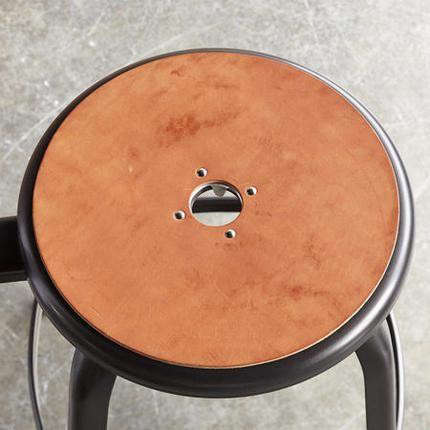

The Authentic 1933 Nicolle Leather Seat Pad sounds like something discovered in a Paris workshop drawer beside a brass ruler, a half-used pencil, and a lunch receipt from 1937. In reality, it is something even better for modern homes: a refined leather accessory designed to bring warmth, comfort, and character to the iconic Nicolle metal chair and stool family.
Let’s clear up one important detail before the design-police whistle blows: “1933” refers to the historic Nicolle chair design lineage, not to a leather pad that has been sitting around since the Great Depression waiting for your breakfast nook. The Nicolle chair was born from French industrial practicality, and the leather seat pad is a modern companion that softens the experience without smothering the original design. Think of it as a tailored jacket over a steel backbone.
For homeowners, collectors, restaurant designers, and anyone who believes a dining chair should look good even when nobody is sitting in it, this seat pad hits a sweet spot. It adds a layer of full-grain or smooth leather comfort, keeps the chair’s circular silhouette intact, and gives industrial seating a more lived-in, less “factory break room” personality.
What Is the Authentic 1933 Nicolle Leather Seat Pad?
The Authentic 1933 Nicolle Leather Seat Pad is a round leather cushion made to fit Nicolle metal chairs and stools. It is slim, understated, and intentionally simple. Unlike thick, puffy chair cushions that look like they escaped from a patio set, this leather pad respects the original Nicolle form: circular, compact, and functional.
Current Nicolle leather seat pads are commonly described as accessories for Nicolle metal seating, with a diameter of roughly 12 inches and a very thin profile. The purpose is not to transform the chair into an overstuffed recliner. It is to add just enough softness, grip, and visual richness while preserving the industrial shape that made the Nicolle chair recognizable in the first place.
In plain English: it makes the chair more comfortable without making it look like it gave up and moved to the suburbs.
The 1933 Nicolle Story: From Workshop Tool to Design Icon
The Nicolle chair has roots in French industrial design. Paul-Henry Nicolle originally developed sturdy metal seating for practical use in workshops and factories. The chair’s famous backrest, often compared to a whale tail, became its signature feature. It offered support, personality, and a slightly sculptural look at a time when many factory chairs were about as charming as a tax form.
By 1933, Nicolle seating moved beyond internal factory use and began reaching other industrial environments. Its appeal was easy to understand: metal construction made it durable, the circular seat kept the profile compact, and the curved backrest added ergonomic support. The design was not trying to be precious. It was trying to work hard. That is exactly why it still looks good today.
Industrial furniture often ages well because it begins with honesty. There is no fake ornament, no decorative fluff, no “Tuscan farmhouse Parisian loft nautical glam” identity crisis. The Nicolle chair is steel, curves, bolts, balance, and purpose. The leather pad simply brings a human touch to that mechanical clarity.
Why Leather Works So Well on a Metal Nicolle Seat
Metal chairs are tough, clean, and visually sharp. They are also, let’s be honest, not always the first place your body wants to spend a long dinner. A leather seat pad solves that problem gracefully. It adds a warmer surface, reduces the cold feel of metal, and gives the sitter a subtle cushion without disrupting the chair’s shape.
Full-grain leather is especially attractive for this type of accessory because it keeps the natural surface of the hide. Over time, quality leather develops a patina, meaning the surface changes slightly with use, light, and touch. That aging process is part of the appeal. Instead of looking worn out, good leather often looks more personal. It becomes the furniture equivalent of a favorite leather jacket: a little marked, a little softened, and somehow better because of it.
Vegetable-tanned leather, often used in quality leather goods, is also valued for its natural feel and ability to age beautifully. It may start firmer than synthetic or heavily processed materials, but that firmness is part of its structure. Over time, it molds gently to use. On a Nicolle chair, that means the seat pad can gradually become less like an accessory and more like part of the chair’s story.
Design Benefits: Small Pad, Big Personality
1. It Preserves the Chair’s Silhouette
The best accessory is one that knows when to stop. The Nicolle leather seat pad does not hide the metal seat or swallow the chair’s proportions. Its round shape follows the seat, creating a neat, intentional look. From across the room, the chair still reads as a Nicolle chair. Up close, the leather adds texture and refinement.
2. It Softens Industrial Style
Industrial interiors can sometimes lean too hard into cold surfaces: steel, concrete, brick, black fixtures, exposed bulbs, and the occasional plant trying its best. Leather brings warmth. A brown, natural, black, gray, or red leather pad can shift the mood of the chair from purely utilitarian to polished and inviting.
3. It Adds Practical Comfort
Even a thin seat pad changes the sitting experience. It gives a little cushioning, helps reduce the sensation of hard metal, and can make the chair more pleasant for meals, desk work, or café seating. It is not a medical cushion, and it will not turn a compact metal chair into an ergonomic office throne, but it does make daily use friendlier.
4. It Makes the Chair Feel Finished
Some chairs look complete bare. Others benefit from one final layer. The Nicolle chair can work either way, but the leather pad gives it a curated look. It says, “Yes, I thought about this,” without saying, “Yes, I spent six months naming my dining chairs.”
Where the Nicolle Leather Seat Pad Fits Best
The beauty of the Nicolle leather seat pad is that it can work in several settings. In a kitchen, it gives metal stools a warmer landing spot for morning coffee. In a dining room, it makes industrial chairs feel more refined. In a home office, it adds comfort for shorter work sessions. In restaurants and cafés, it creates a more elevated look while keeping the easy-clean, compact advantages of metal seating.
For small apartments, the combination is especially smart. Nicolle chairs and stools have a clean, space-conscious shape, and the leather pad adds comfort without bulk. That matters when your dining area is also your office, craft zone, package-opening station, and emotional support snack corner.
How to Choose the Right Nicolle Leather Seat Pad
Check Compatibility First
The most important buying rule is simple: make sure the pad is designed for the Nicolle metal collection. A generic round cushion may look close online, but fit matters. The correct pad should align with the circular seat and attach or sit securely according to the manufacturer’s design. A beautiful leather pad that slides around like a nervous pancake is not a design upgrade.
Choose a Color That Matches Your Room
Black leather feels crisp, modern, and graphic. Dark brown is warmer and classic. Natural leather has a casual, organic look that develops character over time. Gray can look subtle and architectural. Red adds a playful vintage café mood. The right choice depends on whether you want the pad to blend in, warm up the chair, or make a small statement.
Think About Patina
If you want leather to remain perfectly uniform forever, full-grain and vegetable-tanned options may surprise you. They are made to evolve. Small marks, tonal shifts, and softening are normal. For many buyers, that is the whole point. If you prefer a spotless, identical-from-day-one look, a heavily protected leather or synthetic alternative may be easier, though less authentic in feel.
Measure Before You Buy
Nicolle pads are generally around 12 inches in diameter, but product specifications can vary by retailer, production year, or model. Before purchasing, measure your chair or stool seat and compare it with the pad dimensions. This five-minute step can prevent the very specific sadness of owning a gorgeous cushion that almost fits.
Care and Maintenance: Keep the Leather Looking Good
Leather is durable, but it is not magic. It appreciates basic care. Dust it regularly with a soft cloth. Wipe spills quickly with a dry or lightly damp cloth. Avoid soaking it with water, harsh cleaners, alcohol sprays, or mystery products from the back of the cabinet. If a cleaner smells like it could remove paint from a boat, do not introduce it to your leather seat pad.
Keep the pad away from prolonged direct sunlight when possible, especially if you choose natural or lighter leather. Sun exposure can darken, dry, or unevenly age leather. Some patina is beautiful; accidental sunburn stripes are less charming.
Conditioning may be helpful depending on the leather type, climate, and manufacturer recommendations. Always test any leather conditioner on a hidden or less visible area first. The goal is to nourish the leather, not give it the glossy enthusiasm of a freshly waxed bowling lane.
Authentic vs. Generic: Why the Real Pad Matters
Generic seat cushions can be cheaper, thicker, and easier to find. They can also look wrong. The Nicolle chair has a very particular scale, and an oversized cushion can flatten its personality. A true Nicolle leather seat pad is designed to complement the chair rather than compete with it.
Authenticity also matters for collectors and design-conscious buyers. When you invest in a heritage chair, the accessory should honor the same design logic: durability, clean lines, and functional beauty. A random cushion may add softness, but the right pad adds coherence.
That does not mean every home needs museum-level perfection. If you simply need a cushion for casual use, alternatives exist. But if the goal is to preserve the Nicolle look, protect resale appeal, and enjoy the design as intended, the authentic leather pad is the better match.
Styling Ideas for the Authentic 1933 Nicolle Leather Seat Pad
Industrial Kitchen
Pair black or raw steel Nicolle stools with dark brown leather pads, soapstone counters, open shelving, and warm wood cutting boards. The result feels practical but sophisticated, like a chef’s kitchen that also knows where the good wine glasses are hidden.
Modern Dining Room
Use matching Nicolle chairs around a simple wood or marble table. Black leather pads keep the look sharp; natural leather pads soften the mood. Add linen napkins, sculptural lighting, and one dramatic vase if you want the room to whisper, “I read design magazines, but casually.”
Café Corner
A small round table, two Nicolle chairs, and leather seat pads can create a café-style corner in a kitchen or apartment. This is especially effective in compact spaces where every piece needs to look intentional.
Creative Studio
The Nicolle chair’s industrial DNA makes it ideal for studios, workshops, and offices. Add leather pads for comfort during sketching, writing, planning, or staring intensely at a blank notebook until inspiration gets nervous and shows up.
Common Mistakes to Avoid
First, do not buy based on appearance alone. Confirm size, compatibility, material, and attachment method. Second, do not assume all “leather” is equal. Full-grain, top-grain, bonded leather, faux leather, and smooth leather finishes can behave differently. Third, avoid over-cushioning. The Nicolle chair is supposed to look lean and architectural. Too much padding can turn a design classic into a confused bar stool.
Another mistake is ignoring the room’s color temperature. A cold gray chair with black leather can look sleek in a modern kitchen, but it may feel harsh in a rustic dining area. A warmer leather can bridge metal and wood more naturally. The pad may be small, but because it sits right on top of the chair, it has strong visual impact.
Is the Authentic 1933 Nicolle Leather Seat Pad Worth It?
For owners of Nicolle chairs or stools, yes, the leather seat pad is worth serious consideration. It improves comfort, enhances the chair’s appearance, and maintains the spirit of the original design. It is not a loud accessory, and that is exactly why it works. The pad understands the assignment: support the icon, do not upstage it.
Its value is strongest for people who care about design integrity, material quality, and long-term use. If you bought Nicolle seating because you love French industrial furniture, the authentic pad feels like a natural extension. If you bought the chair because it looked cool online and then discovered metal is, in fact, hard, the pad may feel like a tiny miracle.
Conclusion
The Authentic 1933 Nicolle Leather Seat Pad is a small detail with a big design role. It connects the rugged history of the Nicolle chair with the comfort expectations of modern living. It respects the chair’s industrial roots, adds warmth through leather, and gives kitchens, dining rooms, studios, and cafés a more finished look.
What makes it special is restraint. It does not puff, sag, sparkle, or demand attention. It simply improves the chair while letting the chair remain itself. In a world full of overdesigned accessories, that kind of quiet confidence feels refreshingly rare.
Real-World Experience: Living With an Authentic 1933 Nicolle Leather Seat Pad
Using a Nicolle leather seat pad day to day is less dramatic than buying a new chair, but the change is surprisingly noticeable. The first thing most people experience is the temperature difference. A bare metal seat can feel cold in the morning, especially in a kitchen with tile floors or strong air conditioning. The leather pad creates a warmer first contact. It is a small comfort, but small comforts are often the ones that make a room feel livable rather than staged for a catalog.
The second experience is visual. A Nicolle chair without a pad looks crisp and industrial. With a leather pad, it looks more personal. The chair still has its factory-born silhouette, but the leather introduces softness and depth. Natural leather can make a black or white frame feel more relaxed. Dark brown leather can make a raw metal or painted frame feel richer. Black leather keeps everything clean and architectural. After a few weeks, the pad stops looking like an add-on and starts looking like it was always meant to be there.
Comfort improves, but in a subtle way. This is not the kind of cushion that makes you sink into the chair. It is thin, supportive, and direct. That is actually a good thing for the Nicolle design. A thick cushion would raise the sitter too much, distort the proportions, and possibly interfere with the backrest’s position. The leather pad adds enough give for meals, coffee, and short work sessions while keeping the chair’s original posture intact.
In a dining setting, guests may not immediately mention the seat pad, but they tend to sit longer and shift less. That is usually the best review furniture can get. Nobody says, “What a technically successful chair accessory.” They simply stay at the table for another cup of coffee. The chair becomes more welcoming without becoming casual or sloppy.
Cleaning is also pleasantly simple when handled properly. Crumbs brush away easily, and small spills can be wiped quickly if caught early. The key is not to treat leather like plastic. It needs gentleness. A damp cloth, quick attention, and occasional conditioning according to care instructions will do more good than aggressive scrubbing. Leather rewards patience. It does not enjoy panic.
One of the most satisfying parts of owning a leather seat pad is watching it age. A small mark from a rivet on jeans, a slight darkening where people sit most often, or a softened edge can make the piece feel authentic in the emotional sense, not just the product sense. It becomes part of the household rhythm. Breakfasts, late-night laptop sessions, family dinners, and weekend projects all leave tiny traces.
The pad is especially useful in spaces where the Nicolle chair is used frequently rather than admired from a distance. In a showroom, bare metal may be enough. In a real kitchen, comfort matters. In a restaurant, durability and wipeability matter. In a studio, the ability to sit down for “just ten minutes” and accidentally stay for an hour matters. The leather seat pad helps the chair cross that bridge from beautiful object to reliable daily companion.
Overall, living with the Authentic 1933 Nicolle Leather Seat Pad feels like discovering that the best design upgrades are not always large. Sometimes the smartest improvement is a 12-inch circle of leather that makes an iconic metal chair warmer, softer, and more human.