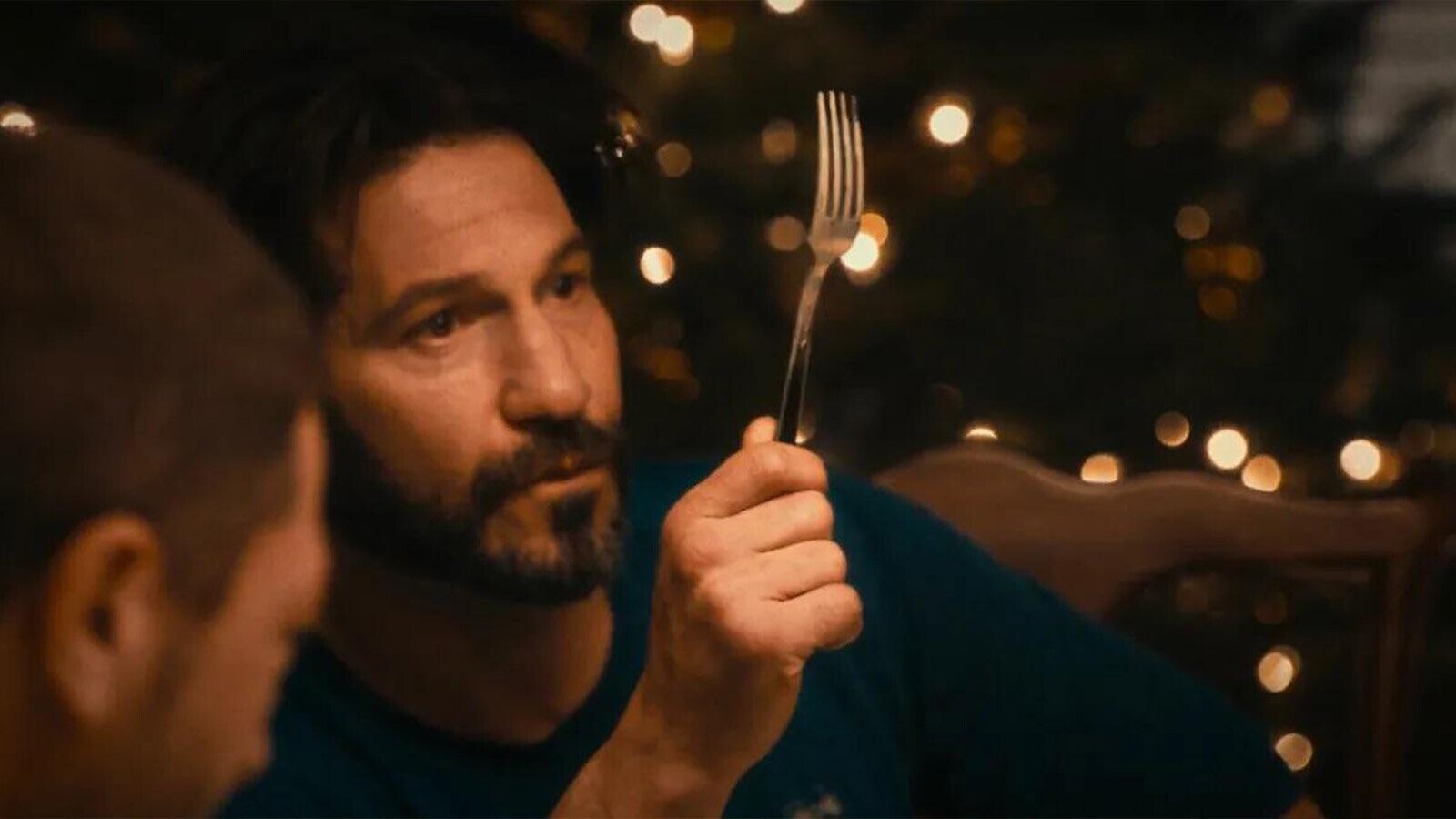

The Bear has always been a show about pressure: pressure in the kitchen, pressure in the family, pressure inside Carmy’s skull, and pressure on viewers who thought they were sitting down for “a comedy” and instead got a panic attack served family-style with a garnish of generational trauma.
That is why the Emmy conversation around The Bear remains so fascinating. The FX series is brilliant, beautifully acted, sharply written, and sometimes so tense that your couch may request hazard pay. Yet it has competed in comedy categories, including the Emmy race for Outstanding Writing for a Comedy Series. The episode at the center of this particular discussion is “Fishes,” the Season 2 Christmas flashback that turns the Berzatto family dinner into a 66-minute emotional demolition derby.
Is “Fishes” great television? Absolutely. Is it funny? Occasionally. Very occasionally. Like, blink-and-you-may-need-therapy occasionally. The joke, of course, is that this comedy-writing submission contains roughly two clear comic relief moments, and both are buried inside an episode where every glance feels like it might trigger a family lawsuit.
Why “Fishes” Became the Perfect Emmy Debate Episode
“Fishes” is not a standard half-hour sitcom episode with joke setups, punchlines, and a cheerful reset button. It is a holiday flashback showing Carmy, Natalie, Mikey, Donna, Richie, Uncle Jimmy, Uncle Lee, the Faks, Pete, Stevie, Michelle, and assorted emotional shrapnel gathered for the Feast of the Seven Fishes.
The episode was written by Christopher Storer and Joanna Calo, and it earned a nomination for Outstanding Writing for a Comedy Series. That nomination made sense from an awards-strategy perspective because The Bear was already competing as a comedy. Creatively, however, it put the episode under a microscope. Viewers and critics began asking a fair question: what exactly makes this a comedy-writing showcase?
The answer is complicated. “Fishes” is funny in the way real life can be funny when everything is going terribly wrong and someone says the exact wrong thing with perfect timing. It is not joke-dense comedy. It is pressure-release comedy. The humor arrives like a tiny kitchen fan trying to cool down a burning building.
The Bear, Comedy, and the Art of Making Viewers Sweat
The debate over The Bear and the Emmys is not really about whether the show has humor. It does. Richie can be hilarious. The Fak brothers often wander into scenes like human pop-up ads. Carmy’s inability to relax has a dark comic edge. Restaurant life itself is filled with absurdity: the jargon, the hierarchy, the impossible standards, the way one missing fork can feel like a national security incident.
But comedy categories traditionally reward shows that make laughter the engine. Abbott Elementary, Hacks, Only Murders in the Building, and What We Do in the Shadows all use jokes as core architecture. The Bear uses jokes more like emergency exits. You are grateful when one appears, but you were not promised a pleasant stroll.
That is what makes “Fishes” such a deliciously strange Emmy submission. The writing is extraordinary because it captures overlapping family chaos, emotional denial, addiction, resentment, loyalty, and love in a way that feels terrifyingly lived-in. Yet as a comedy-writing example, it is almost a dare: find the jokes, chef.
Funny Moment #1: Pete Brings Fish to the Feast of the Seven Fishes
The first major funny moment belongs to Pete, played by Chris Witaske, who is one of the show’s most reliable sources of awkward sincerity. Pete is married to Natalie, also known as Sugar, and he exists in the Berzatto ecosystem like a polite golden retriever accidentally invited to a knife fight.
During the family’s Christmas Eve gathering, Pete arrives with fish. On paper, this seems reasonable. It is the Feast of the Seven Fishes. A person hears “fish dinner” and brings fish. That is not madness. That is basic calendar comprehension.
Unfortunately, the Berzatto family is not operating on basic calendar comprehension. They are operating on rage, guilt, tradition, denial, cigarettes, alcohol, and the unspoken family rule that no good deed shall go unpunished. Pete’s contribution immediately becomes a target. He has not brought help; he has brought an emotional lightning rod wrapped in seafood.
Why Pete’s Fish Works as Comedy
The humor comes from the mismatch between Pete’s intention and the family’s reaction. He is trying to be useful. He wants to be liked. He wants to participate. Instead, he becomes the one person everyone can safely mock because he is too sweet to fight back.
This is classic comic construction: an innocent person walks into a hostile environment carrying the exact object that will make him look ridiculous. But in The Bear, the joke has sharper edges. Pete’s fish is funny because it is so socially logical and emotionally disastrous. He did the right thing in the wrong family, which is basically the Berzatto version of stepping on a rake.
It also reveals character. Pete is not stupid; he is simply not fluent in Berzatto warfare. He does not understand that this family’s traditions are not traditions in the cozy, Hallmark sense. They are rituals with casualties. Bringing fish to this dinner is like bringing a kazoo to a hostage negotiation.
Funny Moment #2: John Mulaney’s Stevie Meets the Fak Business Empire
The second funny moment is the episode’s clearest comedy island: John Mulaney as Stevie listening to the Fak brothers’ baseball-card business pitch. In an episode loaded with major guest stars, Mulaney brings a distinct rhythm. His performance is dry, calm, observant, and just removed enough from the Berzatto emotional tornado to notice how absurd everything is.
The Faks, meanwhile, operate on a completely different frequency from the rest of the family. Neil Fak and Theodore Fak are not exactly immune to chaos, but they process it differently. Where Carmy internalizes pain and Donna weaponizes it, the Faks seem capable of wandering through disaster with the sunny confidence of men who believe a questionable collectible scheme might become their retirement plan.
That is why Stevie’s interaction with them lands. He listens with the politeness of someone trying to determine whether this is a real business meeting, a family prank, or early evidence in a future fraud case. The scene lets the audience breathe. For a few moments, the episode stops squeezing your ribs and simply lets weird people be weird.
Why the Mulaney Scene Feels So Refreshing
Mulaney’s comic gift is restraint. He does not need to turn Stevie into a cartoon. He plays him like a man who has attended enough Berzatto holidays to know that survival requires selective engagement. When the Faks start talking, Stevie does not panic. He assesses. He comments. He lets the absurdity bloom naturally.
The scene works because it is not disconnected from the episode’s world. It still feels like family. Every chaotic household has a version of this: one corner of the room is engaged in serious emotional damage, while another corner is debating a business idea so bad it should come with a helmet. That split-screen reality is painfully familiar, and comedy loves familiarity when it arrives wearing a ridiculous hat.
Why There Are Only Two Big Laughsand Why That Matters
The scarcity of laughs in “Fishes” is not a flaw. It is the point. The episode is designed to make viewers feel trapped at the table. The camera does not give us a clean escape. The dialogue overlaps. Characters interrupt, deflect, and explode. Donna’s kitchen becomes the emotional center of the storm. Mikey’s charm flickers against signs of deeper pain. Carmy looks like a younger man already being shaped by damage he cannot yet name.
In that environment, humor becomes a survival mechanism. Pete’s fish and Stevie’s meeting with the Faks are funny precisely because the rest of the episode is not. They are pressure valves. Without them, “Fishes” might be unbearable. With them, it becomes more realistic. Real family disasters often include a moment so absurd that someone laughs, then immediately feels guilty for laughing.
That is The Bear at its best: it understands that comedy and pain do not always arrive separately. Sometimes they share a car, fight over the radio, and crash into Christmas dinner together.
Does “Fishes” Deserve a Comedy Writing Nomination?
Here is the tricky part. If the award is for writing quality, “Fishes” clearly belongs in any serious television conversation. The episode is dense, specific, and emotionally exact. It gives multiple characters history without turning the script into exposition soup. It explains Carmy, Sugar, Richie, Mikey, and the entire Berzatto emotional weather system without neatly explaining them away.
If the award is specifically for comedy writing, however, the debate becomes fair. “Fishes” is not built like a comedy episode. Its funniest moments are supporting beams, not the foundation. Viewers who believe comedy awards should honor joke craft, comic timing, and sustained humor have every reason to raise an eyebrow high enough to need its own Emmy campaign.
At the 2024 Emmys, the writing prize ultimately went to Hacks for “Bulletproof,” a result that felt meaningful because Hacks is a show where comedy is not a side dish. It is the main course. The Bear still had a huge Emmy night, including major wins for performers and craftspeople, but the writing loss sharpened the category conversation rather than ending it.
The Real Genius of “Fishes” Is Not Its Joke Count
Reducing “Fishes” to “only two funny moments” is a funny premise, but it also points to something deeper. The episode’s power comes from how carefully it controls emotional oxygen. When Pete appears with fish, the audience laughs because it recognizes innocence walking into a buzz saw. When Stevie listens to the Faks, the audience laughs because the absurdity is finally allowed to be absurd.
Those scenes are not random comic breaks. They are strategically placed relief. They remind us that the Berzatto world is not only tragic; it is also ridiculous, petty, affectionate, cruel, loyal, loud, and deeply human. In other words, it is family.
And family is often where comedy gets weirdest. A sitcom joke can be polished to a shine, but a family joke is usually misshapen, badly timed, and somehow funnier because everyone involved is one comment away from crying in the bathroom.
What the Two Funny Moments Reveal About The Bear’s Style
The two big laughs in “Fishes” show how The Bear uses humor as characterization. Pete’s scene tells us he is an outsider who wants in, and that the family’s instinct is to punish softness. Stevie’s scene tells us that some people survive chaos by staying slightly amused and emotionally well-insulated. The Faks’ scene reminds us that silliness can coexist with dread.
That combination is why The Bear continues to resist easy classification. It is a restaurant show, a grief story, a workplace drama, a family tragedy, a dark comedy, and occasionally a very stressful cooking tutorial. Calling it only one thing feels like trying to plate soup with tweezers.
Still, awards categories need boxes. That is where the trouble begins. The Bear is too funny to be humorless and too painful to be comfortably comic. It is a show that can make a baseball-card pitch feel hilarious and a family dinner feel like a horror movie with better catering.
Experience Section: Watching “Fishes” as a Comedy Is Its Own Dark Joke
Watching “Fishes” with the expectation of a comedy is an experience that should come with a small printed warning: “Laughter may occur, but so may checking your pulse.” The episode begins with the familiar excitement of a prestige-TV flashback. There are famous faces everywhere, the kitchen is alive, the family is loud, and for a moment you think, “Great, a chaotic holiday episode. This will be fun.” Then the emotional temperature rises, and suddenly you are not watching a holiday special. You are trapped inside someone else’s most formative bad memory.
The first experience many viewers have is recognition. Not necessarily because their families are exactly like the Berzattos, but because most people understand the strange theater of holiday gatherings. Someone is cooking too much. Someone is drinking too much. Someone is pretending everything is fine with the intensity of a professional hostage negotiator. Someone brought the wrong dish. Someone else is smiling in a way that means the argument will begin in six minutes.
That is why Pete’s fish lands so well. Viewers have seen that person before. Maybe they have been that person. The person who shows up trying to help, only to discover the family has invisible rules, secret grudges, and a scoreboard that started long before they arrived. Pete’s mistake is not bringing fish. His mistake is assuming logic has jurisdiction in that house.
The Mulaney scene creates a different viewing experience. It feels like finding a chair in a burning room that is, somehow, not on fire. Stevie and the Faks offer a tiny pocket of absurdity where the stakes become blessedly stupid. For a few moments, nobody is trying to emotionally destroy anyone. They are just discussing a questionable idea with confidence that far exceeds the business model. That kind of comic detour is a gift. It gives viewers permission to laugh without ignoring the pain around it.
By the end of “Fishes,” the two funny moments feel less like jokes and more like survival supplies. You remember them because they are rare. In a lighter episode, Pete’s fish might be one gag among many. Here, it is a flare in the dark. The Faks’ pitch might be a throwaway bit elsewhere. Here, it is a small vacation from dread, and frankly, the tourism board should send a thank-you basket.
The experience also changes how viewers think about comedy itself. Not all comedy is built to make us laugh every thirty seconds. Some comedy exists because the truth is too uncomfortable without it. “Fishes” is not funny in the traditional awards-category sense, but it understands the human instinct to laugh when life becomes too much. That may not settle the Emmy debate, but it explains why the debate remains interesting. The episode gives us two obvious laughs, dozens of nervous half-laughs, and one very strong urge to avoid Christmas dinner forever.
Conclusion
“Fishes” is one of The Bear’s most unforgettable episodes, not because it showers viewers with jokes, but because it turns family dysfunction into a full-contact sport and still finds two perfectly timed moments of comic relief. Pete bringing fish to the Feast of the Seven Fishes is funny because it is innocent, logical, and doomed. John Mulaney’s Stevie listening to the Faks is funny because it lets absurdity breathe in a room otherwise packed with emotional smoke.
Whether The Bear belongs in comedy categories will remain one of television’s favorite arguments, right next to “Who was the best TV boss?” and “Why do fictional chefs never sleep?” But the conversation around “Fishes” proves something important: great writing does not always fit neatly into awards labels. Sometimes comedy is not the whole meal. Sometimes it is the tiny bite that keeps the meal from destroying you.