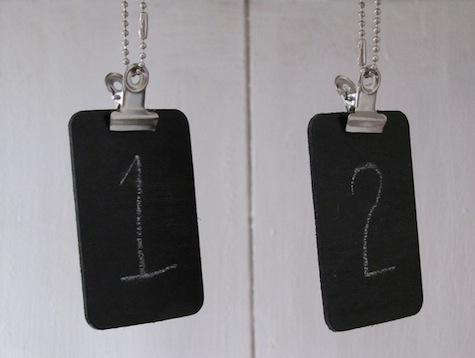

Some office accessories are loud about being useful. They beep, sync, flash, update, charge, restart, and occasionally ask you to accept new terms of service before you can write “buy more printer paper.” Then there is the chalkboard clipboard: quiet, practical, reusable, slightly charming, and completely uninterested in draining your battery.
A chalkboard clipboard is exactly what it sounds like: the classic portable writing board upgraded with a writable chalkboard surface. It can hold papers, display notes, organize tasks, label projects, guide meetings, decorate a wall, or become the tiny command center your desk secretly needed. It is part office supply, part message board, part productivity tool, and part “why didn’t I think of this sooner?”
Whether you work in a home office, classroom, studio, reception area, coffee shop, warehouse, craft room, or shared workspace, this simple accessory can help reduce paper clutter while keeping important reminders visible. And unlike a phone reminder that disappears behind sixteen notifications, a chalkboard clipboard sits there politely judging you until the task is done.
What Is a Chalkboard Clipboard?
A chalkboard clipboard combines two everyday office tools: a clipboard and a chalkboard. The clipboard side gives you a sturdy writing surface and a clip for holding documents. The chalkboard surface gives you a reusable place to write notes, lists, labels, schedules, reminders, quotes, menus, seating plans, or quick instructions.
Most versions are made from hardboard, MDF, wood, or plastic, then coated with chalkboard paint or finished with a chalk-friendly writing surface. Some are sold ready-made, while others are easy DIY projects. A basic clipboard, a little sanding, painter’s tape, chalkboard paint, and patience can turn an ordinary office supply into a custom desk accessory with personality.
The appeal is simple: it is portable, reusable, affordable, and visually clear. In an office world full of apps, dashboards, shared drives, calendars, and sticky notes reproducing like office rabbits, the chalkboard clipboard brings information back into plain sight.
Why Chalkboard Clipboards Belong in the Modern Office
Office accessories should do more than look cute on a desk. A good one solves a real problem. Chalkboard clipboards solve several: scattered notes, forgotten tasks, temporary labels, messy paper piles, and dull-looking workspaces.
They Make Notes Visible
Digital reminders are helpful, but they are also easy to dismiss. A handwritten note on a chalkboard clipboard has a physical presence. It lives in your workspace. It does not vanish when your screen sleeps. It does not require a password. It simply waits, like a tiny project manager with excellent posture.
This makes a chalkboard clipboard useful for daily priorities, deadlines, checklists, and short messages. You can write “Call vendor,” “Mail samples,” “Review invoices,” or “Do not forget lunch again, brave professional.” Because the message is visible, it becomes harder to ignore.
They Reduce Paper Waste
Sticky notes are wonderful until your monitor looks like it has grown yellow feathers. A chalkboard clipboard gives you a reusable surface for temporary information. Instead of writing the same rotating reminders on paper, you can erase and rewrite them as needed.
This does not eliminate paper entirely, and it should not. Offices still need forms, contracts, worksheets, labels, and printed documents. But for quick notes and frequently changing messages, a reusable chalkboard surface is a practical alternative.
They Add Style Without Trying Too Hard
Some desk accessories look so “professional” they seem designed by a committee of beige filing cabinets. A chalkboard clipboard has warmth. It can look rustic, minimalist, farmhouse, modern, playful, or vintage depending on the frame, clip, lettering, and placement.
Hang three on a wall and suddenly you have a stylish project board. Put one on a reception desk and it becomes a welcome sign. Use one in a small office nook and it turns an empty wall into vertical workspace. It is functional décor, which is the best kind because it earns its rent.
Best Uses for a Chalkboard Clipboard
The beauty of this office accessory is its flexibility. It can be used in formal workplaces, creative studios, classrooms, home offices, retail counters, and event spaces. Below are some of the most practical ways to use one.
1. Daily To-Do List
Write your top three priorities on the chalkboard surface and clip supporting documents underneath. For example, if your tasks are “approve budget,” “review proposal,” and “schedule client call,” the clipboard can hold the printed budget, proposal notes, or meeting agenda.
This keeps the day’s work together physically. Instead of switching between tabs, folders, and loose papers, you have one portable board dedicated to what matters most.
2. Meeting Notes and Agendas
Use the chalkboard surface for the meeting title, date, or key question. Clip the printed agenda beneath it. During the meeting, the clipboard gives you a firm writing surface, which is especially useful in conference rooms where the table is crowded with laptops, coffee cups, and at least one person’s heroic collection of cables.
3. Project Labels
If you manage multiple projects, assign one chalkboard clipboard to each. Write the project name on the chalkboard surface, then clip active documents, sketches, checklists, or approvals underneath. Hang them on hooks or a wall rail for a simple visual project management system.
This works especially well for designers, teachers, office managers, event planners, contractors, and anyone who has ever said, “Where did I put that file?” while staring directly at the file.
4. Reception Desk Signage
A chalkboard clipboard can serve as a small sign for a front desk, lobby, clinic, studio, salon, or coworking space. Write messages like “Please sign in,” “Back in 10 minutes,” “Today’s appointments,” or “Welcome, guests.” Clip forms or instructions below the message.
Because the message can be changed quickly, it is more flexible than printed signage and more attractive than a rushed note taped to the counter.
5. Classroom and Training Tools
Teachers, trainers, and workshop leaders can use chalkboard clipboards for group labels, station instructions, attendance sheets, quick quizzes, or rotating assignments. The clip holds handouts; the chalkboard side displays the task.
For training rooms, a set of chalkboard clipboards can label tables by team, topic, or activity. They are also useful for breakout sessions where groups need to carry instructions from one area to another.
6. Inventory and Warehouse Notes
Clipboards have long been useful in stockrooms, warehouses, retail back rooms, and maintenance areas because they provide a writing surface away from a desk. A chalkboard clipboard adds a reusable label or instruction panel. You can mark “urgent restock,” “quality check,” “hold for review,” or “count completed” without printing new labels every time.
7. Home Office Command Center
In a home office, one chalkboard clipboard can manage the day’s tasks, meal plan, school forms, bills to review, or household reminders. Clip the paperwork you need to handle and write the action on the chalkboard: “sign,” “scan,” “mail,” “file,” or “ask someone else because this looks suspiciously like a math problem.”
How to Choose the Best Chalkboard Clipboard
Not all chalkboard clipboards are created equal. Some are better for decoration, while others are built for everyday writing and handling. Before buying or making one, consider size, surface quality, clip strength, portability, and cleaning needs.
Size
For standard office use, choose a letter-size clipboard that holds 8.5 x 11-inch paper. This is the most versatile size for forms, checklists, worksheets, and printed documents. Legal-size clipboards are better for contracts, real estate documents, medical forms, or longer sheets. Mini clipboards are excellent for labels, table signs, small notes, or compact workstations.
Surface Quality
A smooth chalkboard surface is easier to write on and easier to erase. Rough surfaces can make chalk skip, smear, or leave ghost marks. If you plan to use liquid chalk markers, check whether the surface is non-porous and compatible with wet-erase markers. Traditional chalk is more forgiving on painted surfaces, while liquid chalk usually looks bolder but may require more careful cleaning.
Clip Strength
The clip should hold paper securely without being so stiff that using it feels like an arm-wrestling match with office furniture. Metal spring clips are common and reliable. Low-profile clips are sleeker and easier to stack. Some clips include a hanging hole, which is helpful if you want to display the clipboard on a wall.
Material
Hardboard and MDF are budget-friendly and easy to paint. Wood feels warmer and more decorative. Plastic is lightweight and often easier to clean. Aluminum is durable but less common for chalkboard DIY projects unless you are adding a separate chalkboard panel.
Portability
If you carry the clipboard between rooms, look for a sturdy but lightweight design. If it will live on a wall or desk, weight matters less than appearance and durability. For mobile workers, a storage clipboard may be useful, though it will be bulkier than a simple chalkboard clipboard.
DIY Chalkboard Clipboard: A Simple Office Upgrade
Making your own chalkboard clipboard is one of those satisfying DIY projects that looks impressive but does not require a garage full of tools. It is a practical way to personalize office accessories without turning your workspace into a craft explosion.
Materials You Need
- One wooden or hardboard clipboard
- Fine-grit sandpaper
- Painter’s tape
- Chalkboard paint
- Foam brush or small roller
- Drop cloth or scrap paper
- Regular chalk for seasoning
- Optional: paint pen, stencil, ribbon, label, or decorative trim
Step-by-Step Instructions
First, clean the clipboard and lightly sand the surface so the paint can grip. Wipe away dust with a dry cloth. Tape off the metal clip or any area you do not want painted. Apply a thin coat of chalkboard paint using a foam brush or roller. Let it dry according to the paint instructions, then add additional coats until the surface looks even and opaque.
After the paint fully cures, season the chalkboard surface. This means rubbing the side of a piece of chalk over the entire painted area, then wiping it clean. Seasoning helps prevent the first thing you write from becoming a permanent ghost message, which is only charming if you run a haunted stationery shop.
Once seasoned, decorate the border, add a label, tie chalk to the clip with string, or attach a small envelope to the back for coupons, receipts, forms, or extra chalk.
Chalkboard Clipboard vs. Whiteboard Clipboard
Both chalkboard and whiteboard clipboards are reusable writing tools, but they have different personalities. A whiteboard clipboard feels clean, bright, and corporate. It is great for fast notes, schedules, and dry-erase markers. A chalkboard clipboard feels warmer, more tactile, and more decorative. It works beautifully in creative offices, classrooms, cafes, studios, and home workspaces.
Chalkboards are especially good for display messages, labels, and decorative lettering. Whiteboards are often better for detailed diagrams or frequent rapid changes. If you love bold contrast, vintage style, and handwritten charm, the chalkboard clipboard wins. If you need maximum wipe-clean speed, the whiteboard version may be your loyal office sidekick.
How to Keep a Chalkboard Clipboard Clean
A chalkboard clipboard is low-maintenance, but it is not maintenance-free. Regular chalk usually wipes away with a dry eraser or microfiber cloth. For deeper cleaning, a slightly damp cloth can remove residue. A mild vinegar-and-water solution can help refresh a chalkboard surface when chalk dust builds up.
Liquid chalk markers may require more care. Before using them, test a small area. Some chalkboard-painted surfaces are porous, which means liquid chalk can leave stains or ghosting. Non-porous chalkboards usually clean more easily. If ghosting appears, try a damp microfiber cloth, a chalkboard cleaner, or a gentle foam eraser, but avoid harsh scrubbing that could damage the painted finish.
Where a Chalkboard Clipboard Works Best
This accessory fits almost anywhere that needs temporary information and a little visual order. In a home office, it can hold a weekly priority list. In a classroom, it can label learning stations. In a retail shop, it can display prices, pickup notes, or staff reminders. In a kitchen office corner, it can track grocery needs and clip coupons. In a studio, it can organize sketches and client notes.
For small workspaces, chalkboard clipboards are especially helpful because they use vertical space. Hang several on a wall and you have an instant organization system without adding another bulky cabinet. When desk space is precious, the wall is not decorationit is real estate.
Smart Organization Ideas Using Chalkboard Clipboards
Create a Weekly Workflow Wall
Hang five chalkboard clipboards labeled Monday through Friday. Clip each day’s paperwork beneath the correct board. Write the most important task directly on the chalkboard surface. This gives your week a clear visual structure and keeps documents from forming one mysterious pile called “later.”
Build a Client Board
For service businesses, assign a clipboard to each active client. Write the client name or project stage on the chalkboard and clip relevant notes, contracts, or design drafts. When the project is complete, erase and reuse.
Use Color-Coded Chalk
White chalk is classic, but colored chalk can add meaning. Use yellow for deadlines, blue for meetings, green for completed items, and red for urgent tasks. Just do not create a color system so complicated that you need a second clipboard to explain the first clipboard.
Make a Reusable Checklist
Write a recurring checklist on the chalkboard surface, such as opening duties, closing tasks, weekly cleaning, supply checks, or shipping steps. Clip any related forms underneath. This is helpful for offices, studios, retail teams, and shared workspaces.
Buying Tips for Office Accessories Lovers
When shopping for a chalkboard clipboard, think about how often it will be used. For occasional notes or decoration, a lightweight model is fine. For daily office use, choose a sturdier board with a strong clip and a smooth writing surface. If it will hang on a wall, check for a built-in hanging hole or plan to add a hook.
If you are buying several for a team, choose a consistent size and style so they look organized together. Matching clipboards create a cleaner visual system. Mixed styles can look charming too, but only if the rest of the workspace is intentionally arranged. Otherwise, it may look less “creative studio” and more “supply closet had a weather event.”
My Experience with Chalkboard Clipboards in Real Workspaces
The first time I used a chalkboard clipboard in an office setup, it was not because I had a grand productivity philosophy. It was because my desk had become a paper swamp. There were notes on sticky pads, notes on envelopes, notes in notebooks, notes on the backs of printed drafts, and one very mysterious note that simply said “Wednesday???” with two question marks, which is never comforting.
I started with one chalkboard clipboard near my monitor. At the top, I wrote the day’s main priority. Under the clip, I kept the papers related to that priority. That tiny change made the desk feel calmer almost immediately. Instead of letting every task fight for attention, the clipboard gave one task a home. It was not magic, but it did stop me from shuffling papers like a nervous magician.
Later, I tried using three chalkboard clipboards on the wall: “Today,” “Waiting,” and “Done.” The “Today” board held active forms and notes. The “Waiting” board held anything delayed by someone else’s reply. The “Done” board was mostly there for emotional support, because moving a paper into the completed zone feels surprisingly satisfying. Productivity experts can keep their complicated dashboards; sometimes the brain just wants to see progress hanging on a hook.
One of the best experiences came from using a chalkboard clipboard for meetings. I wrote the meeting objective on the chalkboard surface before walking in. Not the agenda, not every talking pointjust the objective. Something like “Approve final layout” or “Choose launch date.” That small visible statement helped keep the conversation focused. When meetings wandered, as meetings do because they have tiny invisible hiking boots, the clipboard pulled everyone back to the point.
In a home office, the chalkboard clipboard became even more useful. Home offices attract non-office life: bills, school forms, shopping lists, appointment cards, receipts, and the occasional instruction manual for something nobody remembers buying. A chalkboard clipboard made it easier to separate “work paperwork” from “life paperwork.” I used one board for household admin and another for client work. The difference was small, but the mental relief was big.
I also learned a few practical lessons. First, regular chalk is easier to erase than liquid chalk on many DIY painted surfaces. Liquid chalk looks beautiful, but it can leave ghosting if the surface is porous. Second, seasoning the board matters. Skipping that step is like skipping sunscreen at the beach: you may not regret it immediately, but the consequences will introduce themselves. Third, a clipboard with a hanging hole is worth choosing if you plan to use wall space.
The biggest benefit, though, was not decoration. It was decision clarity. A chalkboard clipboard forces short messages. There is not room to write a novel, which is helpful because most task lists become stressful when they try to include every possible responsibility from now until retirement. A small board encourages simple language: call, review, send, print, file, order, confirm. Clear verbs make work feel more doable.
For teams, chalkboard clipboards can also create shared visibility without adding another software tool. In a small office, one board can show the supply list. Another can show outgoing mail. Another can hold forms that need signatures. Everyone understands the system at a glance. No login required. No training video. No “please reset your password.” Beautiful.
Of course, a chalkboard clipboard will not solve every office problem. It cannot make a slow printer move faster. It cannot prevent someone from naming a file “final_FINAL_revised_v7.” It cannot attend a meeting for you, although frankly it might take better notes than some people. But as a simple office accessory, it does something valuable: it makes information visible, portable, reusable, and a little more pleasant to handle.
That is the real charm of the chalkboard clipboard. It is not trying to replace digital tools. It works beside them. Use your calendar for appointments, your project management software for collaboration, and your cloud storage for documents. Then use a chalkboard clipboard for the immediate, physical, right-in-front-of-you reminders that keep the day moving. It is analog support for a digital life, and sometimes that is exactly what a busy workspace needs.
Conclusion
A chalkboard clipboard may be simple, but that is exactly why it works. It gives you a portable writing surface, a reusable note board, a paper holder, and a stylish organizing tool in one compact office accessory. It helps reduce paper clutter, keeps reminders visible, supports daily planning, and adds personality to workspaces that might otherwise be ruled by cords, coffee mugs, and silent printer resentment.
Whether you buy one ready-made or create your own with chalkboard paint, the chalkboard clipboard is a practical upgrade for home offices, classrooms, studios, reception desks, retail counters, and team spaces. It is affordable, flexible, and surprisingly effective. In a world full of complicated productivity systems, this little board keeps things refreshingly simple: write it, clip it, see it, do it, erase it, repeat.