
Periods already arrive with enough drama: cramps, bloating, cravings, mood swings, and the sudden belief that every pair of light-colored pants is plotting against you. So when vaginal soreness or vulvar irritation joins the party, it can feel wildly unfair. The good news? In many cases, soreness during your period is related to irritation, pressure, dryness, product sensitivity, cramps, or changes in moisturenot because your body is “broken.”
Before we begin, let’s clear up one helpful detail. Many people say “vagina” when they mean the whole genital area. Technically, the vagina is the internal canal, while the vulva is the external area, including the labia and the vaginal opening. Period soreness can happen in either area, but irritation from pads, tampons, menstrual cups, sweat, friction, or scented products often affects the vulva and vaginal opening. Translation: your body may be sending a “please change the setup” notification, not launching a full-scale emergency.
This guide covers three practical ways to stop feeling sore in your vagina during your period: choosing gentler period products, calming irritation and cramps, and knowing when symptoms deserve medical attention. Think of it as a comfort-first period planless “just deal with it,” more “let’s make this easier on your actual body.”
Why You May Feel Sore During Your Period
Vaginal soreness during menstruation can have several causes. Some are simple and temporary, while others need professional care. Common reasons include friction from pads, dryness or pressure from tampons, irritation from scented products, trapped moisture, tight clothing, pelvic cramps that radiate downward, yeast or bacterial infections, vulvar dermatitis, or chronic pain conditions such as vulvodynia. Sometimes the soreness is less about the blood itself and more about everything that comes with managing it.
Menstrual blood, sweat, heat, and period products can create a damp environment. Add a pad with a plastic backing, tight leggings, or a tampon that is too absorbent for your flow, and your skin may start filing formal complaints. The vulvar area is delicate; it does not appreciate being treated like a kitchen counter that needs scented wipes, sprays, and “freshness” products. Most of the time, gentle care is better than aggressive cleaning.
Way 1: Switch to Period Products That Do Not Irritate You
If soreness shows up during your period and calms down afterward, your first suspect should be your menstrual products. Pads, tampons, panty liners, menstrual cups, period underwear, and wipes can all help manage bleedingbut they can also cause irritation if they are scented, too tight, too absorbent, worn too long, or simply not a good match for your body.
Choose Unscented Products First
Scented pads, tampons, sprays, deodorants, and perfumed wipes may sound helpful in commercials, but the vulva does not need to smell like a tropical smoothie, a meadow, or “fresh rain at 7 a.m.” Fragrance can irritate sensitive skin and may worsen burning, itching, or soreness. Choose unscented pads, tampons, liners, or period underwear whenever possible.
If you notice soreness after using a new brand, switch back to a product that has worked before. Look for words like “unscented,” “fragrance-free,” “hypoallergenic,” and “dye-free.” This is especially useful if your soreness feels more external, like rubbing, rawness, stinging, or tenderness around the vaginal opening.
Change Pads Often and Reduce Friction
Pads can cause soreness when moisture sits against the skin for too long. Change pads regularly, especially on heavier days or after sweating. If your pad feels bulky, scratchy, or like it was designed by someone who has never met human anatomy, try a thinner style, softer cotton-based option, reusable cloth pad, or period underwear.
Clothing matters too. Tight jeans, synthetic leggings, and snug underwear can trap heat and increase friction. During sore days, choose breathable cotton underwear and looser bottoms. It is not glamorous advice, but neither is walking around feeling like your underwear is personally attacking you.
Use Tampons Carefullyor Take a Break From Them
Tampons should not hurt when inserted or worn. If they do, your body may be telling you the tampon is too absorbent, your flow is too light, the angle is uncomfortable, or your pelvic muscles are tense. Try a smaller absorbency, use tampons only when your flow is heavy enough, and change them according to package directions. The FDA advises using the lowest absorbency needed and changing tampons regularly; wearing tampons too long can increase health risks.
If tampons make you sore every cycle, take a break and use pads, period underwear, or another external option. There is no medal for forcing yourself through discomfort. Period products are supposed to serve you, not become a tiny monthly villain.
Be Careful With Menstrual Cups
Menstrual cups can be comfortable for many people, but they are not magical for everyone. A cup that is too firm, too large, positioned poorly, or removed too quickly can cause tenderness. If you use a cup and notice soreness, try a smaller or softer cup, check the instructions, wash your hands before handling it, and clean it properly. If soreness continues, pause cup use and talk with a healthcare professional.
Way 2: Calm the Soreness With Gentle Care, Heat, and Pain Relief
Once irritation starts, your goal is to calm the areanot scrub, perfume, steam, or “detox” it. Your vagina is self-cleaning. Your vulva needs gentle washing, breathable clothing, and a little respect. Basically, treat it like sensitive skin, not a bathroom tile.
Rinse With Warm Water
During your period, wash the outside genital area with warm water. If you use soap, choose a mild, unscented cleanser and keep it external only. Avoid douching, vaginal sprays, scented wipes, bubble baths, harsh exfoliants, and deodorizing products. These can disrupt the natural balance of the vagina and irritate vulvar skin.
After washing, pat dry instead of rubbing. Rubbing can make soreness worse, especially if the skin is already irritated from pads or moisture. If urination stings because the outer skin feels raw, pouring lukewarm water over the vulva while you pee may reduce discomfort. This is not fancy, but it is practicaland practical wins during period week.
Try Warm Compresses or a Heating Pad
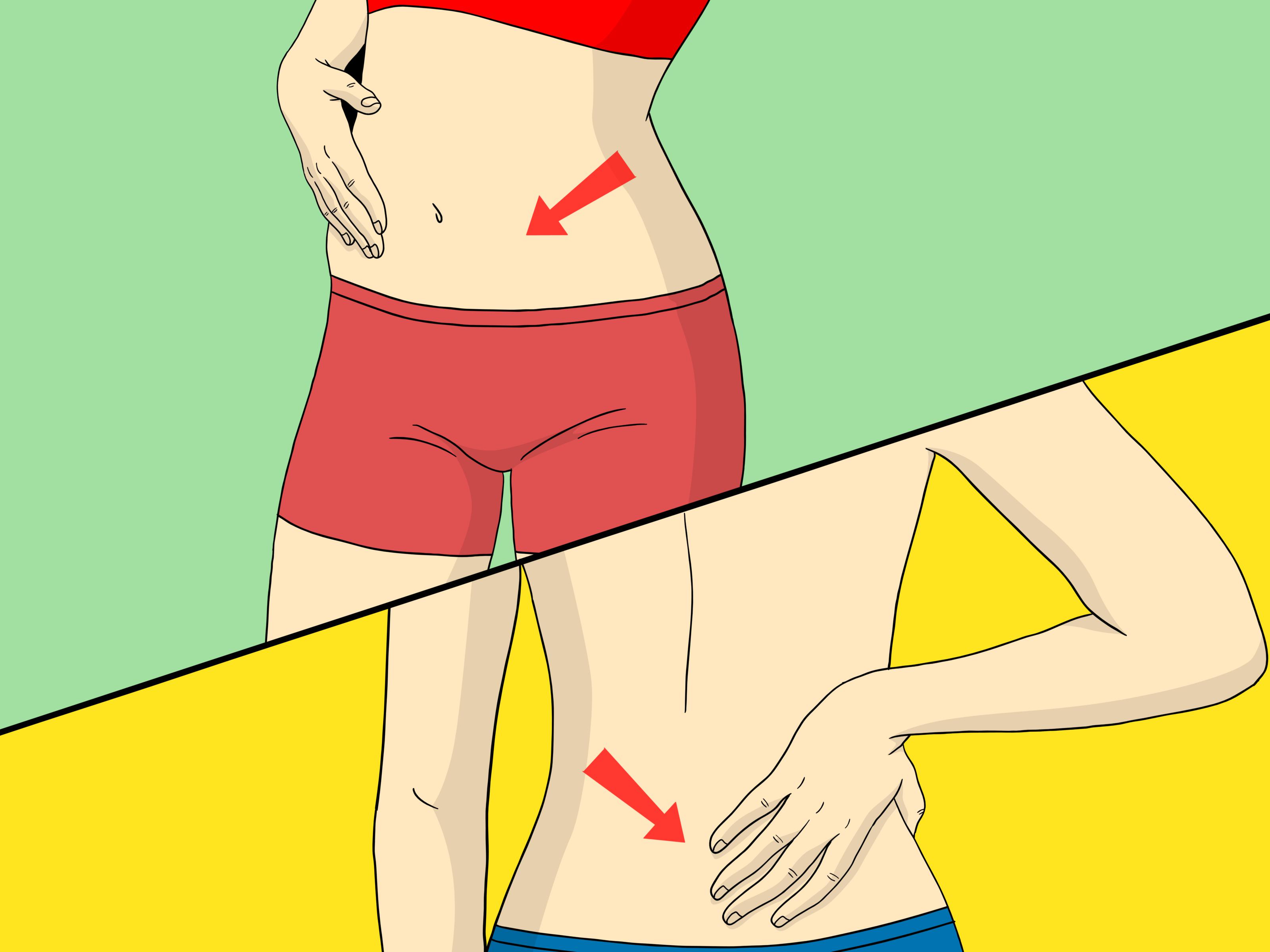
Menstrual cramps can create aching pain in the lower abdomen, back, thighs, and pelvic area. Sometimes that ache feels like pressure or soreness near the vagina. Heat can relax muscles and reduce cramp-related discomfort. Use a heating pad on your lower abdomen, lower back, or inner thighs. A warm bath may also help, as long as you avoid heavily scented bath products.
Keep heat warm, not scorching. Wrap heating pads in cloth and avoid falling asleep with electric heat unless the device is designed for safe overnight use. Your goal is soothing comfort, not accidentally turning your belly into toast.
Consider Over-the-Counter Pain Relief if Safe for You
Nonsteroidal anti-inflammatory drugs, often called NSAIDs, such as ibuprofen or naproxen, can help reduce menstrual cramps because they target prostaglandins, hormone-like chemicals involved in uterine contractions and pain. For some people, taking an NSAID at the beginning of cramps works better than waiting until the pain has built a tiny empire.
However, NSAIDs are not right for everyone. Avoid them unless a trusted adult or healthcare professional says they are safe for you if you have stomach ulcers, kidney disease, certain bleeding disorders, aspirin allergy, take blood thinners, or have been told not to use them. Always follow the label directions. Acetaminophen may be an option for some people, but it works differently and may be less effective for cramps.
Move Gently, Hydrate, and Rest
Gentle movement can improve blood flow and reduce tension. You do not need to run a marathon or become a yoga influencer in matching beige activewear. A slow walk, light stretching, child’s pose, knees-to-chest position, or relaxed breathing may help. If movement worsens pain, stop and rest.
Hydration and regular meals also matter. Dehydration can make cramps and fatigue feel worse. Warm drinks, balanced snacks, and enough sleep will not fix every symptom, but they can keep your body from feeling like it is running on 3% battery and vibes.
Way 3: Know When Soreness Is Not “Just a Period Thing”
Mild soreness that improves with product changes and gentle care is common. But strong, recurring, or unusual pain deserves attention. You should contact a healthcare provider if vaginal or vulvar soreness is severe, keeps returning, lasts beyond your period, or interferes with school, sleep, sports, walking, sitting, or daily activities.
Watch for Infection Symptoms
Soreness with itching, burning, unusual discharge, strong odor, swelling, redness, pain when peeing, sores, fever, or pelvic pain may point to an infection or another medical condition. Yeast infections, bacterial vaginosis, urinary tract infections, dermatitis, and other conditions can overlap with period symptoms. Guessing can lead to the wrong treatment, so it is better to get checked.
If you are a teenager, talk to a parent, guardian, school nurse, doctor, or another trusted adult. Yes, it may feel awkward. But healthcare professionals talk about bodies all day. To them, vaginal soreness is not scandalous; it is a health symptom, like a sore throat with worse PR.
Know the Warning Signs of Toxic Shock Syndrome
Toxic shock syndrome, or TSS, is rare but serious. It has been associated with tampon use and other internal menstrual products, especially when products are used incorrectly or left in too long. Seek urgent medical care if you have sudden high fever, vomiting or diarrhea, dizziness, fainting, confusion, muscle aches, or a rash while using a tampon, menstrual cup, or similar product. Remove the product if you can do so safely and get medical help right away.
Do Not Ignore Severe Period Pain
Period pain that is intense, worsening, or not helped by usual care may have an underlying cause. Conditions such as endometriosis, fibroids, pelvic inflammatory disease, ovarian cysts, or chronic vulvar pain conditions can cause pain that feels bigger than “normal cramps.” Pain that makes you miss activities every month is not something you need to bravely tolerate while pretending everything is fine.
A helpful habit is tracking symptoms. Write down when soreness starts, where it hurts, what products you used, how heavy your flow was, whether there was itching or discharge, what helped, and how long it lasted. A simple note in your phone can make a doctor’s visit much more useful. It also prevents the classic appointment moment where your brain suddenly forgets every symptom you have ever had.
Simple Period Comfort Routine
Here is a practical routine to try during your next cycle. Start with unscented period products. Change pads regularly and use the lowest tampon absorbency that works for your flow. Wear breathable cotton underwear and avoid tight clothing on sore days. Wash externally with warm water and skip scented soaps or wipes. Use heat for cramps, take over-the-counter pain relief only if safe for you, and rest when your body asks for it.
If soreness improves, you may have found your trigger. If it does not improve, gets worse, or comes with other symptoms, reach out to a healthcare professional. Comfort is not a luxury. It is basic body maintenance, like charging your phone before it diesbut with fewer cables and more hormones.
Common Mistakes That Can Make Vaginal Soreness Worse
Using Scented “Feminine Hygiene” Products
The vagina does not need perfume, sprays, or internal cleaning. These products can irritate sensitive tissue and may make soreness worse. Clean the outside only with water or mild unscented soap.
Wearing One Product Too Long
Leaving a pad, tampon, cup, or liner in place too long can increase moisture, odor, irritation, and infection risk. Follow product instructions and change or clean products regularly.
Using a Tampon When Flow Is Too Light
A dry tampon can create friction and soreness. If your flow is light, use a smaller absorbency or switch to a pad or period underwear until your flow increases.
Assuming Pain Is Always Normal
Mild cramps are common. Severe pain, recurring soreness, burning, fever, unusual discharge, or pain that disrupts life is not something to shrug off. Your body is allowed to request backup.
Experience-Based Examples: What Period Soreness Can Feel Like and What Helps
Many people do not describe period soreness the same way. One person may say, “My vagina feels sore,” while another says, “My skin feels rubbed raw,” “tampons suddenly hurt,” or “I feel pressure down there when cramps are bad.” These descriptions matter because they can point toward different solutions.
Imagine someone who uses the same scented pads every month and notices soreness by day two. The discomfort feels external, especially where the pad touches the skin. By switching to unscented pads, changing them more often, and wearing looser cotton underwear, the soreness improves. In that situation, the likely issue may be friction, moisture, or product sensitivity. The solution is not complicated, but it does require listening to the pattern.
Another person might feel fine with pads but sore whenever they use tampons near the end of their period. Their flow is lighter, so the tampon feels dry and uncomfortable. A smaller absorbency or switching to a pad on lighter days may help. This is a classic example of “more absorbent” not meaning “better.” A super-absorbency tampon on a light-flow day can be like using a beach towel to dry one teaspoon of water: technically possible, deeply unnecessary.
Someone else may feel soreness that comes with deep pelvic cramps. The discomfort is not just on the skin; it feels like pressure, aching, or heaviness. Heat on the lower belly, gentle stretching, rest, and safe pain relief may reduce the overall pain. If this happens every month and interferes with normal life, tracking symptoms and talking to a clinician is a smart next step.
There are also cases where soreness comes with itching, unusual discharge, strong odor, swelling, or burning when peeing. That is the moment to stop playing detective with random internet guesses. A healthcare professional can test for common causes and recommend the right treatment. Treating the wrong condition can delay relief and sometimes make irritation worse.
The biggest lesson from these experiences is that period comfort is personal. A product your friend loves may irritate you. A menstrual cup may be perfect for one person and annoying for another. Pads may be comfortable on day one but irritating by day four. Your body is not being dramatic; it is giving feedback. The best period routine is the one that keeps you clean, comfortable, safe, and able to live your life without counting the minutes until you can go home and change clothes.
If you are dealing with vaginal soreness during your period, start small: remove fragrance, reduce friction, use products correctly, soothe cramps, and track what happens. If symptoms persist, ask for medical help. You deserve answers, not monthly guesswork.
Conclusion
Vaginal soreness during your period can be frustrating, but it is often manageable with a few thoughtful changes. Start by choosing unscented, comfortable menstrual products. Reduce moisture and friction by changing products regularly and wearing breathable clothing. Calm cramps and tenderness with heat, gentle care, safe pain relief, hydration, and rest. Most importantly, pay attention to warning signs. Severe pain, fever, unusual discharge, swelling, strong odor, rash, or soreness that does not improve should be checked by a healthcare professional.
Your period should not feel like a monthly endurance sport with no referee. With the right products, gentle care, and medical support when needed, you can make period days more comfortable and less mysterious. Your body is allowed to have preferences. Listen to them.
Note: This article is for educational purposes only and is not a medical diagnosis. Anyone with severe, recurring, or unusual vaginal or vulvar pain during a period should speak with a qualified healthcare professional.