
Green is not just a color. Green is a tiny emotional vacation wearing a leaf costume. It is the quiet confidence of moss on an old stone wall, the bright drama of a lime slice in sparkling water, the deep calm of pine trees after rain, and the ridiculous charm of a houseplant that somehow survives despite being watered with “vibes” and occasional panic.
The prompt “Hey Pandas, Post A Photo That You Took With An Image Of Any Shade Of Green That You Personally Love” feels simple at first. Take a photo. Find green. Share it. Done, right? Not quite. The beauty of this kind of community photo challenge is that it turns ordinary people into visual storytellers. A green photo might show a backyard garden, a city park, a vintage jade necklace, a neon sign, a frog sitting like it pays rent, or the perfect avocado that lasted exactly eleven minutes before becoming brown mush.
What makes green so powerful is its flexibility. It can feel peaceful, wild, fresh, elegant, playful, mysterious, or even rebellious. In photography, green can be the main character, the background singer, or the sneaky little detail that makes an image feel alive. Whether you love sage, emerald, olive, mint, forest green, seafoam, chartreuse, or that electric “look at me” green that refuses to whisper, this prompt invites you to notice the color in your own world.
Why Green Photos Feel So Universally Appealing
Green is deeply tied to nature, and humans tend to respond strongly to natural scenes. Parks, gardens, forests, houseplants, fields, and tree-lined streets often give people a sense of pause. Even in a busy city, a patch of green can feel like a small reset button. That is one reason green photography works so well online: it is instantly understandable. You do not need a long caption to know why dew on a leaf feels calming or why a sunlit lawn makes a photo feel warm and open.
Green also carries familiar meanings. It often suggests growth, renewal, freshness, balance, health, and calm. In design and branding, green is frequently used to signal natural ingredients, sustainability, wellness, or a peaceful lifestyle. Of course, green can also be dramatic. Emerald velvet, neon streetlights, and glossy sports cars prove that green is not always quiet. Sometimes green walks into the room wearing sunglasses indoors.
That range makes the color perfect for a community challenge. One person might post a soft photo of mint leaves in morning light. Another might share a moody image of ivy crawling up a brick wall. Someone else might upload a picture of a green traffic light glowing on wet pavement at night. All are green. All are personal. All tell different stories.
The Magic Of “Any Shade Of Green”
The phrase “any shade of green” is what makes this prompt fun. It removes pressure. Nobody has to find the perfect national-park-level landscape or chase a once-in-a-lifetime jungle scene. Green is everywhere if you slow down enough to see it.
Soft Greens: Sage, Mint, And Seafoam
Soft greens are comforting. Sage green walls, mint ice cream, seafoam glass, and pale eucalyptus leaves all create a gentle mood. These shades are excellent for cozy lifestyle photography. They pair beautifully with natural light, neutral backgrounds, and soft textures like linen, ceramic, paper, and wood.
Bold Greens: Emerald, Lime, And Chartreuse
Bold greens bring energy. Emerald jewelry, lime scooters, tennis balls, bright sneakers, and neon signs jump out of a frame. These shades are great when you want your photo to feel playful or modern. A bright green object against a plain background can make a simple image look intentional and memorable.
Earthy Greens: Olive, Moss, Fern, And Forest
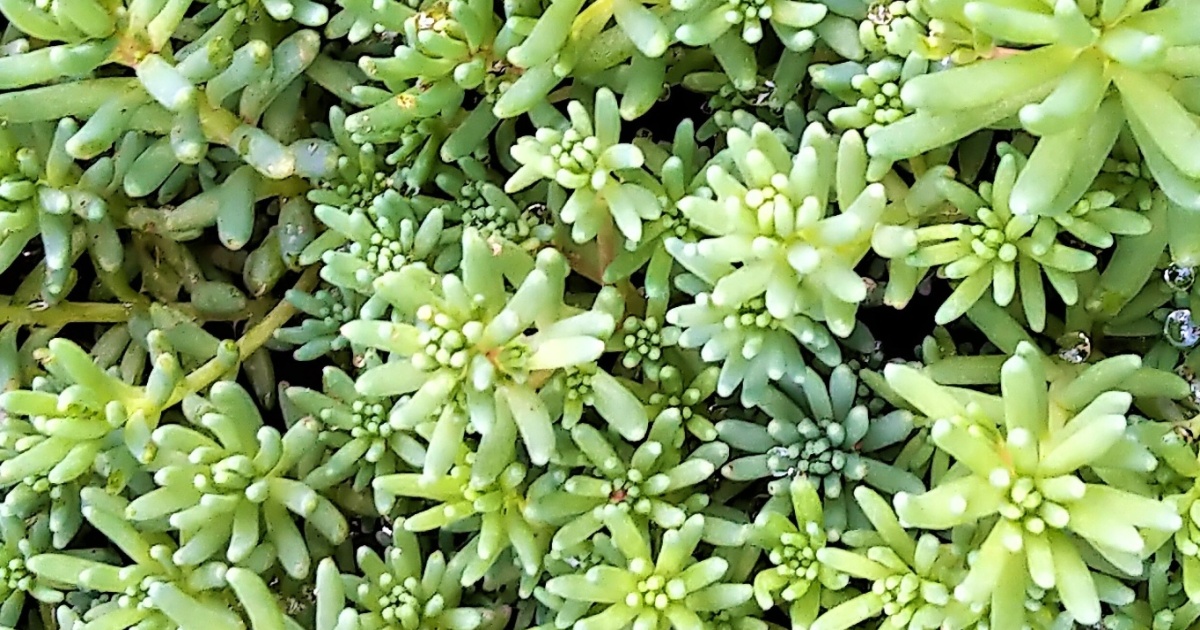
Earthy greens feel grounded. Think hiking trails, old military jackets, mossy logs, pine branches, olives, succulents, and garden tools. These greens often work best with warm browns, stone textures, cloudy skies, and natural shadows. They tell a slower story: one about age, patience, weather, and roots.
What Makes A Great Green Photo?
A great green photo is not always the sharpest, fanciest, or most expensive-looking image. It is the one that makes someone stop scrolling for a second and think, “Oh, I like that.” The photo should have a clear subject, a mood, and a reason for existing beyond “my camera was nearby.”
Start With One Clear Subject
Choose one thing you love. A fern leaf. A green door. A bowl of pistachios. A beetle. A coffee shop wall. A tennis court. A raincoat. A tiny sprout pushing through sidewalk cracks like the world’s smallest motivational speaker. When your subject is clear, the viewer knows where to look.
Use Light Like A Secret Ingredient
Green can change dramatically depending on light. Morning light may make leaves glow. Cloudy light can make moss look rich and soft. Harsh noon sun might create strong contrast, which can work well for bold shapes but may wash out delicate details. If a green object looks flat, move it closer to a window, wait for softer light, or photograph it from a different angle.
Look For Contrast
Green stands out beautifully against red, pink, white, black, gray, brown, and deep blue. A green apple on a wooden table can feel rustic. A green bicycle against a brick wall can feel urban and charming. A lime-green sign in a dark street scene can look cinematic. Contrast gives the eye something to enjoy.
Photo Ideas For The “Hey Pandas” Green Challenge
If you want to join the prompt but suddenly forget every green object you have ever seen, do not worry. This is normal. The moment someone asks for a photo idea, the brain becomes a blank refrigerator. Start with what is already around you.
Nature And Outdoor Ideas
Try photographing leaves, grass, pine needles, vines, moss, pond plants, garden herbs, cactus pads, ferns, tree shadows, clover, green hills, or reflections of trees in water. You can also photograph the way green appears in seasons: spring buds, summer gardens, autumn leaves before they turn, or evergreens in winter.
Home And Everyday Objects
Green lives indoors too. Look for houseplants, book covers, mugs, candles, blankets, tiles, soap bottles, kitchen herbs, matcha, cucumbers, green apples, avocados, peas, pickles, vintage glassware, or a favorite sweater. A photo does not need to scream “masterpiece.” Sometimes a little green corner of your kitchen says more than a dramatic mountain.
Street And City Scenes
City green can be surprisingly photogenic. Look for painted doors, traffic lights, park benches, murals, storefront signs, subway tiles, delivery bikes, public gardens, rooftop plants, or weeds growing through concrete. Urban green often feels especially meaningful because it appears in places where nature has to negotiate with pavement.
Why Personal Green Photos Connect With People
Personal photos work because they contain a point of view. Anyone can search for a perfect image of a rainforest, but only you can show the green chair on your grandmother’s porch, the plant you rescued from the clearance shelf, or the weird little frog you met during a rainy walk. The image becomes valuable because it carries your attention.
Community prompts like this one also make the internet feel less like a shouting contest and more like a shared scrapbook. Instead of arguing about everything from pizza toppings to movie endings, people get to say, “Here is a green thing I love.” That is refreshingly harmless. Frankly, the internet could use more moss and fewer comment-section sword fights.
The Emotional Side Of Green
Many people associate green with calm because it appears so often in natural places. A forest path, a garden bed, or a field after rain can create a sense of restoration. Even small doses of green can change the emotional tone of a space. A single plant on a desk can make a room feel less sterile. A green photo on a wall can soften a modern interior. A green background in a phone wallpaper can feel less aggressive than a bright red alert screen yelling at your eyeballs.
Green can also represent hope. A seedling is basically optimism with roots. A new leaf says something survived. A garden says someone cared long enough for beauty to show up. That may be why green photographs often feel personal even when they are simple. They remind us that life keeps making tiny, stubborn comebacks.
How To Make Your Green Photo More Interesting
Before posting, try a few small improvements. Crop out distractions. Straighten the horizon if needed. Tap to focus on the main subject. Avoid over-filtering the green until it looks radioactive, unless radioactive lettuce is your artistic goal. Increase brightness gently if the image is too dark, but keep the natural mood intact.
Composition matters too. Place your subject slightly off-center for a more natural look. Use leading lines, such as a path, vine, fence, or row of leaves, to guide the viewer’s eye. Try shooting from above, from ground level, or through another object. A familiar green subject can become fresh when photographed from an unexpected angle.
Examples Of Green Photos People Might Love
Imagine a close-up of raindrops on a hosta leaf. The green is deep, the texture is waxy, and every droplet looks like it hired a tiny lighting crew. Or picture a green glass bottle catching sunlight on a windowsill, turning the wall behind it into a soft emerald glow. Another example might be a photo of a child’s green rain boots beside a muddy puddle, telling a whole story without showing a face.
A food lover might post matcha foam, pesto pasta, sliced kiwi, or a pile of fresh herbs. A traveler might share a national park trail, a tropical plant, a vineyard, or a quiet town square with green shutters. A city person might post the lonely but heroic plant on their fire escape. A pet owner might photograph a cat hiding in houseplants, fully convinced it is now a jungle predator.
Green In Photography: More Than A Background Color
Green is often treated as background because it appears in grass, trees, and foliage. But when used intentionally, it can become the emotional center of the image. A portrait with a green wall can feel calm or stylish. A product photo with green props can suggest freshness. A landscape full of green can feel immersive, especially when the photo includes layers such as foreground leaves, middle-ground trees, and a distant hill.
The key is intention. Ask yourself: What do I love about this shade of green? Is it the brightness, the softness, the memory, the texture, the season, or the way it makes another color pop? Once you know why you love it, your photo becomes easier to frame and caption.
Caption Ideas For Your Green Photo
A good caption can add personality without explaining the photo to death. Try something short and warm, such as “My favorite shade of calm,” “Proof that green fixes everything,” “Tiny jungle, big mood,” or “This plant and I are both trying our best.” If the photo has a story, share it. People enjoy knowing why a color matters to you.
For a funny caption, you might write, “This is the green I would choose if colors had loyalty programs,” or “I don’t have a green thumb, but I do have a camera and confidence.” For something poetic, try, “A little green corner of the day,” or “Where the light landed and decided to stay.”
Personal Experiences With A Shade Of Green I Love
There is something unforgettable about the green that appears right after rain. It is not one shade; it is an entire conversation. The grass looks brighter, the leaves look polished, and the moss seems to wake up like it just heard its favorite song. If I were posting a photo for this prompt, I would probably choose that rain-washed greenthe kind that makes an ordinary sidewalk look like it has been quietly upgraded overnight.
One of the best green photos someone can take is not necessarily from a famous location. It might come from a walk around the block after a storm. The air smells clean, the pavement is still dark, and every plant looks more dramatic than usual. A small hedge outside an apartment building suddenly has depth. A weed growing near a curb becomes strangely heroic. A tree reflected in a puddle looks like a secret forest hiding under your shoes.
That kind of green feels personal because it rewards attention. You do not need a plane ticket, a professional camera, or a rare botanical specimen with a name that sounds like a wizard spell. You only need to notice. A phone camera is enough. A little patience is enough. The willingness to crouch awkwardly in public for a better angle is, unfortunately, also enough. Yes, someone may stare. Let them. Art requires sacrifice, and sometimes that sacrifice is looking suspicious near a shrub.
Green also has a way of attaching itself to memory. Maybe you remember the green curtains in a childhood home, the color of your first bicycle, the lawn where your family gathered, or the plant someone gave you during a hard season. A photograph can preserve that feeling. It freezes not just what the thing looked like, but how it made you pause.
For many people, a beloved shade of green is connected to comfort. Olive green might remind someone of an old jacket worn on road trips. Mint green might feel like summer desserts and clean kitchens. Emerald might bring back a holiday dress, a ring, or a fancy hotel lobby where everyone pretended to understand the menu. Forest green might recall camping, hiking, or the smell of pine needles crushed under boots.
My favorite green-photo experience would be quiet rather than grand: a close-up of wet leaves beside a path, with the background blurred and the light soft. Nothing dramatic. No rare bird landing at the perfect moment. No rainbow. No deer making meaningful eye contact like a forest prince. Just green doing what green does bestmaking the world feel alive without asking for applause.
That is the true charm of this prompt. It gives people permission to celebrate small beauty. A favorite shade of green does not have to be impressive to anyone else. It only has to mean something to you. When people share those photos, they are really sharing the way they see. And when enough people do that, a simple color challenge becomes a gallery of attention, affection, humor, memory, and everyday wonder.
Conclusion
“Hey Pandas, Post A Photo That You Took With An Image Of Any Shade Of Green That You Personally Love” is more than a casual photo prompt. It is an invitation to slow down and recognize the color that quietly fills our lives with freshness, calm, humor, and personality. Green can be a forest, a pickle jar, a neon sign, a favorite sweater, a garden after rain, or a stubborn little plant refusing to give up on a windowsill.
The best green photo is not the one with the most expensive camera or the most dramatic location. It is the one that feels honest. Find a shade you love, frame it with care, and share the story behind it. Somewhere out there, another Panda may see your photo and suddenly notice the same shade of green in their own day. That is the small magic of community photography: one person’s favorite color can become someone else’s reason to look twice.
Note: This article is original, fully rewritten, and prepared for web publishing based on synthesized research and general knowledge about green color symbolism, nature photography, and the emotional value of personal visual storytelling.