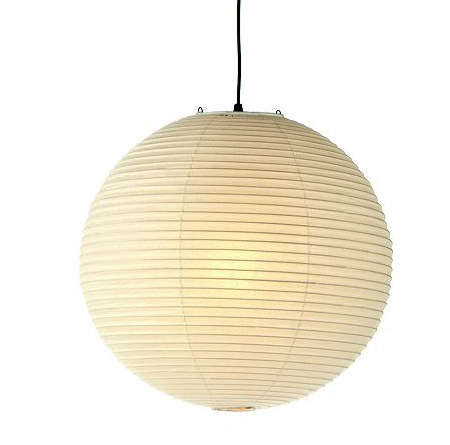

The Noguchi Akari Lantern Model 125F is not the kind of light fixture that politely minds its own business in the corner. It enters a room like a full moon with excellent taste. Large, glowing, delicate, and quietly dramatic, the Akari 125F is one of Isamu Noguchi’s most impressive paper lantern designsa sculptural pendant that turns ordinary electric light into something softer, warmer, and far more human.
Part lamp, part artwork, part atmosphere machine, the Akari 125F belongs to Noguchi’s celebrated family of Akari Light Sculptures, a series he began designing in 1951 after visiting Gifu, Japan, a city known for traditional paper lantern making. The word “akari” means light in Japanese, but Noguchi used it with a double meaning: illumination and lightness. That idea matters. The Model 125F is physically large, yet visually gentle. It has presence without heaviness, scale without shouting, and elegance without the stiff museum attitude.
For homeowners, collectors, designers, and anyone who has ever stared at a room and thought, “This needs one perfect thing,” the Noguchi Akari 125F is that thingassuming the ceiling height, budget, and patience all agree to cooperate.
What Is the Noguchi Akari Lantern Model 125F?
The Akari 125F is a large hanging lantern designed by Japanese American artist and designer Isamu Noguchi. It is made from handmade washi paper, bamboo ribbing, and a supporting metal frame. At approximately 125 centimeters, or about 49 inches, in diameter and height, it is a substantial piece. This is not a shy pendant for a cramped hallway. It is a room-defining globe of warm, diffused light.
The “125” in the name refers to its approximate size in centimeters, while the “F” identifies the model within the Akari family. In practical interior design terms, that means the 125F works best in spaces that can handle visual scale: open living rooms, double-height entries, galleries, large dining rooms, hotel lounges, creative studios, and homes where the ceiling does not panic at the sight of a nearly four-foot-wide lantern.
Unlike many luxury lighting pieces that rely on polished metal, crystal, complicated mechanics, or the general energy of “please do not touch me,” the Akari 125F is powerful because of restraint. Paper, bamboo, wire, air, light. That is the recipe. Somehow, it is enough.
The Story Behind Akari Light Sculptures
Isamu Noguchi began creating Akari Light Sculptures in 1951, during a period when he was exploring how sculpture could move beyond pedestals and become part of everyday life. He was already known for working across disciplines: sculpture, furniture, gardens, stage sets, public spaces, and industrial design. Noguchi did not seem interested in staying inside one creative lane. If art had a fence, he walked around it.
During a visit to Gifu, Noguchi encountered the region’s traditional lantern craft. Local lantern makers had long used washi paper and bamboo to create lightweight lanterns, but the rise of modern electric lighting had made the old craft feel less necessary. Noguchi saw an opportunity. Instead of treating electricity as cold and mechanical, he used paper to soften it. The result was a modern lamp with ancient bones.
Akari became one of Noguchi’s most beloved design achievements because it solved several problems at once. It was functional, affordable compared with many fine-art objects, easy to ship because many models could fold flat, and emotionally rich. A glowing Akari does not simply brighten a room. It changes the room’s mood, like someone turned the volume down on the world.
Design Features of the Akari 125F
Large-Scale Paper Sculpture
The most obvious feature of the Noguchi Akari 125F is its size. A lantern around 49 inches across has architectural presence. It can anchor a room the way a chandelier does, but with much less fuss. Where a chandelier may sparkle, the 125F glows. Where a metal pendant may direct light downward, the 125F diffuses light outward in a soft, atmospheric sphere.
This scale is what makes the model so special. Smaller Akari lamps are charming and versatile, but the 125F feels immersive. It can make a dining table feel ceremonial, a living room feel calmer, or an entryway feel like the opening scene of a very tasteful movie.
Handmade Washi Paper
Authentic Akari lamps are made with handmade washi paper. Washi is prized for its texture, strength, translucency, and organic warmth. When light passes through it, the effect is different from glass, plastic, or fabric. It is softer and more natural, with subtle variation across the surface.
This is important because the beauty of the Akari 125F depends on imperfection. The paper is not trying to look machine-perfect. Tiny fibers, tonal differences, and the visible structure of the bamboo ribs give the lantern character. It has a handmade personality. In a world full of shiny objects pretending to be important, that quiet texture feels refreshing.
Bamboo Ribbing and Metal Support
The bamboo ribbing gives the Akari 125F its shape and rhythm. It creates the lantern’s skeleton, but visually it reads like drawing lines across light. The metal frame provides support and structure, helping the delicate paper shade function as a real lighting object rather than a fragile cloud with commitment issues.
The combination of bamboo, paper, and metal is part of Noguchi’s genius. Each material does a job, but none dominates. The result is balanced: natural but modern, delicate but usable, simple but never boring.
Why the Akari 125F Still Feels Modern
Many midcentury designs remain popular because they are photogenic. The Akari 125F goes further. It feels modern because it answers a very current design need: how to make interiors warmer, calmer, and more personal without adding clutter.
Contemporary homes often have hard surfacesstone counters, wood floors, glass doors, steel frames, flat screens, and enough straight lines to make a geometry teacher emotional. A large paper lantern softens all of that. It introduces roundness, texture, and glow. It gives the eye somewhere gentle to land.
The 125F also fits several design styles without looking lost. In a minimalist room, it becomes the main sculptural gesture. In a Japandi interior, it reinforces natural materials and calm proportions. In a midcentury modern home, it feels historically appropriate. In an eclectic space, it behaves like the quiet genius at the dinner party: not loud, but somehow everyone notices.
Best Rooms for the Noguchi Akari 125F
Living Rooms
A living room is one of the best places for the Akari 125F, especially when the room has generous ceiling height and a central seating arrangement. Hung above a coffee table or open seating area, the lantern creates a soft visual center. It does not need to compete with artwork, bookshelves, or furniture. In fact, it often makes everything around it look more intentional.
Dining Rooms
Over a dining table, the 125F can be stunning. Its spherical form contrasts beautifully with rectangular tables and long benches. Because it diffuses light rather than blasting it downward, it creates a flattering atmosphere for dinner. Everyone looks a little more relaxed under paper light. Even takeout feels more poetic.
Entryways and Stairwells
In a tall entry or stairwell, the Akari 125F can act almost like an indoor moon. It fills vertical space without feeling bulky. This is where its lightness becomes especially valuable. A heavy fixture in a stairwell may feel formal or overwhelming, but the Akari feels suspended and airy.
Creative Studios and Galleries
The 125F also works beautifully in creative spaces. Designers, artists, architects, and photographers often appreciate Akari lamps because they blur the line between useful object and sculptural form. In a studio, the lantern can add softness to a workspace that might otherwise feel too technical.
How to Style the Akari 125F
The first rule of styling the Noguchi Akari Lantern Model 125F is simple: give it room to breathe. A large paper lantern needs negative space. If it is crowded by beams, shelves, plants, or competing pendants, the magic can get a little tangled.
Pair it with low-profile furniture so the lantern remains the vertical focal point. Natural materials work especially well: oak, walnut, linen, wool, stone, clay, and woven textures. A Noguchi-style coffee table, a simple platform sofa, or a long wooden dining table can all complement the 125F without turning the room into a design museum gift shop.
Color-wise, the lantern thrives in calm palettes. Whites, creams, warm grays, soft browns, muted greens, and black accents all support its glow. That does not mean the room must be beige from floor to ceiling. The 125F can handle bold art or colorful textiles, but it usually looks best when the surrounding design gives it contrast and respect.
Lighting Quality: What Makes the Glow Special?
The Akari 125F is not designed for harsh task lighting. Nobody buys a giant Noguchi lantern because they want the emotional ambience of a dentist’s office. Its strength is atmosphere. The washi paper diffuses the bulb, spreading light evenly and reducing glare. The glow feels warm, soft, and almost weightless.
For practical use, the bulb choice matters. A warm LED bulb is usually the best option because it produces less heat than older incandescent bulbs and can provide a cozy color temperature. Dimmable lighting is highly recommended. At full brightness, the 125F can illuminate a space; dimmed down, it becomes pure mood.
Layering is also important. Use the Akari 125F as ambient lighting, then add table lamps, wall sconces, floor lamps, or discreet recessed lighting for specific tasks. The result is flexible and comfortable. The lantern becomes the emotional center, while the supporting lights do the practical chores.
Authenticity: How to Recognize a Genuine Akari
Because Noguchi Akari lamps are widely admired, they are also widely imitated. Some lantern-style lights are honest inspirations, while others try to pass as the real thing. For collectors and serious design buyers, authenticity matters.
Genuine Akari light sculptures are associated with specific marks, including the red sun-and-moon logo. Contemporary authentic models also feature the “I. Noguchi” signature. Materials are another clue. Real Akari lamps use handmade washi paper and bamboo ribbing, which create a subtle texture and warm diffusion that cheaper materials rarely match.
When considering a vintage Akari 125F, ask for provenance, purchase history, detailed photographs, and condition information. The shade, frame, logo, wiring, and restoration history should all be reviewed carefully. With rare or expensive examples, expert evaluation is wise. A large Akari can be a beautiful investment, but only if you know what you are buying. Otherwise, you may end up paying champagne money for sparkling grape juice in a paper hat.
Care and Maintenance
The Akari 125F is delicate, but not helpless. Treat it with common sense and it can remain beautiful for years. Dust it gently with a soft feather duster or a clean, dry microfiber cloth. Avoid wet cleaning, harsh chemicals, or aggressive rubbing. Washi paper does not enjoy spa treatments.
Keep the lantern away from high humidity, cooking grease, direct contact, and areas where children, pets, or enthusiastic adults with poor spatial awareness may bump into it. Because the 125F is large, professional installation is recommended. The fixture should hang securely, with wiring appropriate for the space and bulb type.
If the lantern is vintage, condition becomes even more important. Small signs of age may add charm, but tears, stains, brittle paper, damaged ribs, or questionable wiring should be evaluated before purchase or installation.
Is the Noguchi Akari 125F Worth It?
The Akari 125F is worth it for the right space and the right buyer. It is not a casual impulse purchase, and it is not the best choice for every room. It needs scale, care, and a design plan. But when it works, it works beautifully.
Its value comes from more than brand recognition. The 125F carries a rare combination of art history, craft tradition, functional lighting, and emotional warmth. It is a usable sculpture. It makes a room feel designed without making it feel decorated to death.
For collectors, the 125F is especially appealing because of its size and rarity. For homeowners, it can be the one statement piece that makes a room memorable. For designers, it offers drama without visual heaviness. And for anyone who simply loves beautiful light, it delivers the kind of glow that makes you suddenly want to cancel plans and stay home.
Experience-Based Notes: Living With the Noguchi Akari Lantern Model 125F
Experiencing the Noguchi Akari Lantern Model 125F in a real room is different from admiring it in a product photo. Online, it looks clean, sculptural, and elegant. In person, the first thing people usually notice is scale. The 125F is big enough to change the proportions of a space. It does not merely hang from the ceiling; it occupies the air. That sounds dramatic, but it is true. A room with a 125F often feels calmer because the lantern gives the eye one large, soft form to focus on.
One of the most memorable experiences with a large Akari is the way it behaves at different times of day. During daylight, it may appear pale, quiet, and almost cloudlike. It reflects natural light gently and can look like a suspended paper sculpture. At night, everything changes. Once illuminated, the paper becomes warm and dimensional. The bamboo ribs become more visible, the shade seems to float, and the whole room takes on a softer rhythm. It is the lighting equivalent of changing from work shoes into slippers.
Another practical experience is that the 125F encourages better room editing. Because it is visually important, it makes clutter more obvious. A crowded ceiling, too many competing statement pieces, or busy furniture can weaken its effect. Many people find that the lantern looks best when the room is simplified around it. That does not mean sterile minimalism. It means giving the object enough space so its shape and glow can do their job.
There is also an emotional quality to the Akari 125F that is hard to measure. It makes a space feel less mechanical. Many modern homes have excellent lighting on paperhigh lumens, smart controls, adjustable zonesbut still feel cold. The Akari solves a different problem. It makes light feel touchable. The glow through washi paper has a softness that can make conversation feel easier and evenings feel slower.
Of course, living with a large paper lantern requires awareness. You become more careful when moving furniture. You think twice before placing it near a kitchen zone. You may develop a new and slightly comedic fear of tall ladders, balloons, or anyone waving a broom with too much confidence. But that care is part of owning an object made from natural materials. The 125F is not trying to be indestructible. It is trying to be beautiful, and beauty sometimes asks us to stop acting like every object should survive a minor tornado.
For many design lovers, the best experience of the 125F is how quietly it earns attention. Guests notice it, but it does not beg for compliments. It does not sparkle, flash, rotate, or announce that it cost real money. It simply glows. That restraint is why the Akari family remains relevant decades after its creation. The Model 125F proves that a light fixture can be monumental and gentle at the same time. In the right room, it feels less like an accessory and more like a presence.
Conclusion
The Noguchi Akari Lantern Model 125F is one of those rare design objects that feels both historic and completely current. Its handmade washi paper, bamboo ribbing, generous scale, and warm diffusion make it more than a pendant lamp. It is a sculptural atmosphere, a modern heir to Japanese lantern craft, and a reminder that great lighting is not only about seeing better. It is about feeling better in the space you already live in.
For large rooms, thoughtful interiors, and collectors who appreciate authentic design, the Akari 125F offers something few fixtures can: visual drama without heaviness, luxury without flash, and simplicity with soul. It is proof that paper, bamboo, and light can still outperform a room full of complicated gadgets. Sometimes the smartest design idea is also the softest one.