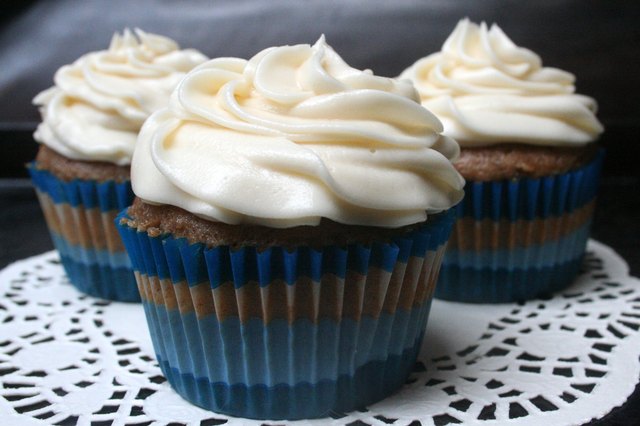

Buttercream frosting is the little black dress of the dessert world: simple, reliable, and somehow appropriate for almost every occasion. Cupcakes? Buttercream. Birthday cake? Buttercream. Sugar cookies that look a little too homemade? Buttercream with sprinkles, and suddenly they have “rustic charm.” The best part is that you do not need pastry school, a thermometer, or the patience of a saint to make it. A quick and easy buttercream frosting comes together with butter, powdered sugar, vanilla, a splash of milk or cream, and a tiny pinch of salt.
This guide walks you through how to make classic American buttercream frosting that is creamy, fluffy, spreadable, pipeable, and ready in about 10 to 15 minutes. You will also learn how to fix frosting that is too thick, too thin, too sweet, too grainy, or full of air bubbles. In other words, we are giving your frosting a full personality makeover.
What Is Buttercream Frosting?
Buttercream frosting is a sweet, rich frosting commonly used for cakes, cupcakes, cookies, brownies, sandwich cookies, and decorative piping. The quickest version is American buttercream, which is made by beating softened butter with confectioners’ sugar, then adding vanilla and a small amount of milk, cream, or another liquid until the texture becomes smooth and fluffy.
Unlike Swiss meringue buttercream or Italian meringue buttercream, American buttercream does not require cooked sugar syrup, egg whites, or complicated timing. That is why it is the go-to frosting for home bakers who want a dependable result without turning the kitchen into a dessert science lab.
Quick and Easy Buttercream Frosting Recipe
This basic vanilla buttercream recipe makes enough frosting for about 12 to 18 cupcakes, one 9-inch layer cake, or the top of a 9-by-13-inch sheet cake. If you are frosting a tall layer cake or piping dramatic swirls that look like they belong in a bakery window, double the recipe.
Ingredients
- 1 cup unsalted butter, softened but not melted
- 4 cups powdered sugar, sifted if lumpy
- 2 teaspoons pure vanilla extract
- 2 to 4 tablespoons heavy cream, milk, or half-and-half
- 1/8 to 1/4 teaspoon fine salt
Equipment
- Large mixing bowl
- Hand mixer or stand mixer with paddle attachment
- Rubber spatula
- Measuring cups and spoons
- Piping bag and tips, optional
How to Make Buttercream Frosting Step by Step
Step 1: Soften the Butter Properly
Start with butter that is softened to room temperature. This is the difference between silky frosting and frosting that fights back. Properly softened butter should hold its shape but leave a slight indentation when pressed with your finger. If the butter is shiny, greasy, or collapsing into a puddle, it is too warm.
Cold butter will not blend smoothly with powdered sugar, and melted butter can make frosting runny or greasy. For the best quick buttercream frosting, set butter on the counter for 30 to 60 minutes before mixing. If you forgot, cut it into small cubes to help it soften faster. Do not microwave it into soup unless your goal is frosting with commitment issues.
Step 2: Beat the Butter Until Creamy
Place the softened butter in a large mixing bowl. Beat it on medium speed for 2 to 3 minutes, until it looks pale, smooth, and creamy. This step adds air and gives the finished frosting a lighter texture. Scrape down the bowl with a rubber spatula so every bit of butter gets involved. No butter left behind.
Step 3: Add Powdered Sugar Gradually
Add the powdered sugar one cup at a time, mixing on low speed after each addition. Starting on low is important unless you want your kitchen to look like a powdered sugar snowstorm. Once the sugar begins to disappear into the butter, increase the speed slightly and beat until combined.
If your powdered sugar is lumpy, sift it first. This small step helps prevent a gritty texture and makes the buttercream smoother. Sifting may feel fussy, but it is much easier than explaining why your frosting has tiny sugar boulders.
Step 4: Add Vanilla, Salt, and Cream
Add vanilla extract, salt, and 2 tablespoons of heavy cream or milk. Beat on medium speed until the frosting becomes smooth and fluffy. If it looks too thick, add more liquid one teaspoon at a time. If it looks too loose, add powdered sugar one tablespoon at a time.
Salt is small but mighty here. It does not make the frosting salty; it balances the sweetness and gives the vanilla flavor more depth. Without it, buttercream can taste like straight sugar wearing a butter hat.
Step 5: Beat Until Fluffy, Then Smooth It Out
Beat the frosting for 2 to 4 minutes until it becomes light and creamy. For very smooth buttercream, reduce the mixer to low speed for the final minute. This helps push out large air bubbles, especially if you plan to pipe the frosting or spread it on a cake with a clean finish.
The Best Buttercream Frosting Consistency
The ideal buttercream consistency depends on how you plan to use it. For spreading over a sheet cake, the frosting should be soft and easy to glide with a spatula. For piping cupcake swirls, it should hold a firm peak without cracking. For writing or detail work, it should be slightly thinner and smooth enough to flow from a piping tip.
For Spreading
Use 3 to 4 tablespoons of cream or milk for a soft, spreadable frosting. It should move easily across the cake without tearing crumbs from the surface.
For Piping
Use less liquid for a thicker buttercream that holds its shape. A good piping buttercream forms a peak when lifted with a spatula and does not immediately flop over.
For Filling Cakes
Use a medium consistency. It should be soft enough to spread between layers but thick enough to keep the cake from sliding around like it is trying to escape the party.
How to Fix Common Buttercream Problems
Buttercream Is Too Thick
Add milk, cream, or half-and-half one teaspoon at a time. Beat well after each addition. A little liquid goes a long way, so do not pour with wild abandon. Buttercream can go from “perfectly spreadable” to “sweet soup” faster than expected.
Buttercream Is Too Thin
Add powdered sugar one tablespoon at a time until the frosting thickens. If the frosting became thin because the butter was too warm, chill the bowl for 10 to 15 minutes, then beat again.
Buttercream Is Too Sweet
Add a pinch more salt, use heavy cream instead of milk, or mix in a small amount of cream cheese for tang. You can also add unsweetened cocoa powder for chocolate buttercream, which balances sweetness beautifully.
Buttercream Is Grainy
Grainy buttercream usually happens when the butter is too cold, the powdered sugar is lumpy, or the frosting has not been beaten long enough. Let the frosting sit at room temperature for a few minutes, then beat again on medium speed. Next time, use fully softened butter and sift the powdered sugar.
Buttercream Has Air Bubbles
Air bubbles are common, especially when using a whisk attachment or mixing at high speed for too long. Use a paddle attachment if you have one, and finish by mixing on low speed. You can also press the frosting against the sides of the bowl with a spatula to smooth it out.
Flavor Variations for Easy Buttercream Frosting
Vanilla buttercream is the classic, but it is also a blank canvas. Once you master the base recipe, you can customize it for almost any dessert.
Chocolate Buttercream
Add 1/2 cup unsweetened cocoa powder with the powdered sugar. Increase the cream slightly if the frosting becomes too thick. Chocolate buttercream is excellent on yellow cake, chocolate cupcakes, brownies, and sandwich cookies.
Lemon Buttercream
Replace part of the cream with fresh lemon juice and add 1 teaspoon of finely grated lemon zest. Lemon buttercream pairs beautifully with vanilla cake, blueberry cupcakes, coconut cake, and sugar cookies.
Almond Buttercream
Replace half the vanilla extract with almond extract. Almond extract is strong, so start small. This version tastes wonderful with white cake, cherry desserts, and wedding-style cupcakes.
Coffee Buttercream
Dissolve 1 to 2 teaspoons of instant espresso powder in the cream before adding it to the frosting. Coffee buttercream is a dream with chocolate cake and mocha cupcakes.
Strawberry Buttercream
Use crushed freeze-dried strawberries instead of fresh strawberry puree for a stronger flavor without adding too much liquid. Fresh fruit can make buttercream loose, so concentrated ingredients often work better.
How Much Buttercream Do You Need?
For 12 cupcakes, one batch is usually enough if you spread the frosting or pipe modest swirls. For tall bakery-style cupcake swirls, plan on 1 1/2 batches. For a two-layer 8-inch or 9-inch cake, double the recipe. For a 9-by-13-inch sheet cake, one batch usually covers the top generously.
When in doubt, make a little extra. Running out of frosting halfway through a cake is a tiny kitchen tragedy. Extra buttercream can be refrigerated, frozen, or eaten from a spoon while pretending you are “checking the texture.”
How to Store Buttercream Frosting
Buttercream frosting can be made ahead, which makes it perfect for busy birthdays, holidays, bake sales, and last-minute dessert emergencies. Store it in an airtight container in the refrigerator for up to several days. Before using, let it come to room temperature and beat it again until fluffy.
You can also freeze buttercream. Place it in an airtight freezer-safe container, thaw it overnight in the refrigerator, then bring it to room temperature and re-whip. The texture may look separated at first, but beating usually brings it back together.
Tips for Decorating with Buttercream
If you are frosting a cake, start with a thin crumb coat. This is a light layer of frosting that traps crumbs. Chill the cake for 15 to 30 minutes, then add the final layer of buttercream. The result looks cleaner and more professional.
For cupcakes, use a large star tip for classic swirls or a round tip for a modern bakery look. Hold the piping bag straight up, apply steady pressure, and swirl from the outside toward the center. If your first cupcake looks weird, congratulations: that is the official snack cupcake.
For smooth cake sides, use an offset spatula or bench scraper. Work slowly, scrape excess frosting back into the bowl, and do not chase perfection forever. Buttercream is forgiving, and sprinkles exist for a reason.
Why Homemade Buttercream Tastes Better Than Store-Bought Frosting
Store-bought frosting is convenient, but homemade buttercream has fresher flavor and better texture. You control the butter, vanilla, salt, sweetness, and consistency. You can make it thicker for piping, softer for spreading, or flavored to match the dessert. It also has that rich butter flavor that makes people ask, “Did you make this?” which is baker code for “Please accept this compliment and maybe give me another cupcake.”
Homemade buttercream also avoids the waxy texture that some canned frostings can have. It melts pleasantly on the tongue, spreads smoothly, and holds decorative shapes well when made with the right balance of butter and sugar.
Helpful Experiences from Making Quick Buttercream Frosting
After making buttercream frosting many times, one lesson becomes obvious: the recipe is simple, but the details matter. The first detail is butter temperature. Softened butter makes the process feel effortless. Cold butter creates lumps that refuse to disappear. Melted butter makes frosting loose and greasy. The sweet spot is butter that bends slightly when pressed but still looks solid. If you get that right, you have already won half the battle.
Another real-life lesson is to add liquid slowly. Many beginners pour in all the milk at once, then wonder why the frosting looks like vanilla pancake batter. Start with less liquid than you think you need. Beat the frosting first, then adjust. Buttercream often looks too thick before it has been whipped long enough. Give it a minute before reaching for more cream.
Scraping the bowl is also more important than it sounds. Butter likes to hide at the bottom and sides of the bowl, especially when using a stand mixer. If you skip scraping, you may end up with streaks of butter or pockets of powdered sugar. Stop the mixer once or twice, scrape thoroughly, and continue beating. It is a tiny pause that prevents big texture problems.
For flavor, vanilla quality matters. Because buttercream has only a few ingredients, each one shows up. Pure vanilla extract gives the frosting a warm, rounded flavor. Clear vanilla can be useful if you want a brighter white frosting, but regular vanilla usually tastes richer. A pinch of salt is just as important. It keeps the frosting from tasting flat and helps balance the sugar.
One practical trick is to make frosting slightly thicker than you think you need for piping. The warmth of your hands can soften buttercream while it sits in the piping bag. If the frosting starts firm, it will stay more stable. If it becomes too soft, place the filled piping bag in the refrigerator for a few minutes, then continue. Do not leave it too long, or it may become difficult to squeeze.
When frosting cakes, patience helps. A crumb coat may seem like an extra step, but it saves time in the long run. Without it, crumbs can mix into the final layer and make the cake look messy. With it, the final coat spreads more smoothly. Even if the cake is homemade and imperfect, a clean layer of buttercream makes it look polished.
Coloring buttercream is another area where small steps matter. Gel food coloring is usually better than liquid coloring because it adds strong color without thinning the frosting. Add a little, mix well, and wait a few minutes. Colors often deepen as they sit. This is especially true for red, navy, and black frosting. If you dump in too much color too quickly, you may end up with frosting that tastes like food dye and looks like it has a secret agenda.
Finally, remember that buttercream is flexible. If it is too thick, add liquid. If it is too thin, add sugar. If it is too sweet, add salt or cocoa. If it has bubbles, mix on low and smooth it with a spatula. Most buttercream problems are fixable. That is why this frosting is perfect for beginners: it gives you room to learn, adjust, and still end up with something delicious.
Conclusion
Learning how to make a quick and easy buttercream frosting is one of the most useful baking skills you can master. With softened butter, powdered sugar, vanilla, cream or milk, and a pinch of salt, you can create a frosting that is fluffy, smooth, flavorful, and ready for cakes, cupcakes, cookies, brownies, and more. The method is simple: beat the butter, add powdered sugar gradually, flavor it well, adjust the consistency, and whip until creamy.
The beauty of homemade buttercream is that it can be customized endlessly. Make it chocolate, lemon, almond, coffee, strawberry, or brightly colored for a celebration. Keep it soft for spreading, firm for piping, or somewhere in the middle for filling layer cakes. Once you understand the basic texture, you can fix nearly any frosting problem with a spoonful of sugar, a splash of cream, or a little extra mixing.
Note: This article is based on widely used American buttercream methods and practical baking guidance from reputable U.S. recipe, baking, and culinary education sources. Source links are intentionally not included in the article body to keep the HTML clean for publication.