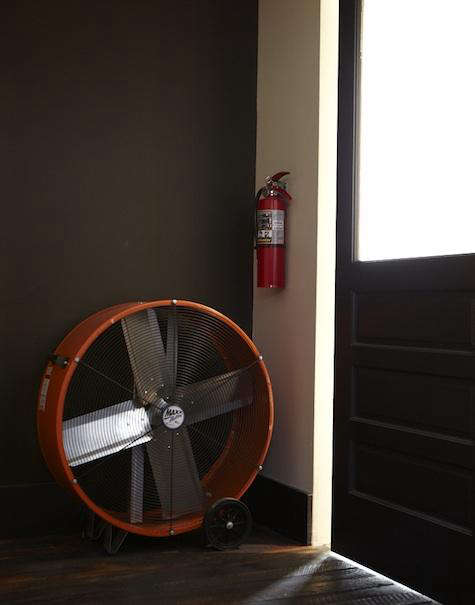

Some products quietly do their job. Others roll into a room, move a wall of air, and make everyone wonder why they ever trusted a tiny desk fan with a heroic workload. The Ventamatic Direct Drive Commercial Fan, often sold under the Maxx Air name, belongs firmly in the second camp. Built for shops, warehouses, garages, construction zones, agricultural spaces, and other hardworking environments, this type of fan is designed for one simple mission: move serious air without acting precious about it.
Unlike decorative household fans that seem mainly interested in gently ruffling a curtain, a direct drive commercial fan is made for practical airflow. It helps cool people, protect equipment from heat buildup, improve ventilation, support drying projects, and make large indoor spaces more bearable when the weather decides to behave like a toaster oven. Ventamatic has been associated with air movement products for decades, and its Maxx Air commercial fans are known for durable housings, high-velocity airflow, portable frames, and straightforward controls that do not require an engineering degree or a motivational speech.
This guide takes a deep look at what makes a Ventamatic direct drive commercial fan useful, how it compares with other industrial fan styles, where it performs best, and what buyers should consider before bringing one home or into the workplace.
What Is a Ventamatic Direct Drive Commercial Fan?
A direct drive commercial fan is a high-output fan in which the motor directly turns the blade assembly. In plain English, there is no belt between the motor and the fan blade. That design makes the fan simpler, more compact, and easier to maintain than many belt-drive alternatives. For busy environments, simplicity is a beautiful thing. The fewer parts that need adjustment, the fewer excuses a fan has for taking an unscheduled vacation.
Ventamatic’s commercial direct drive fans are commonly found in drum fan, barrel fan, tilt fan, and high-velocity circulator formats. Popular Maxx Air models include 24-inch and 30-inch direct drive fans, with airflow ratings often ranging from around 4,000 CFM on a 24-inch tilt model to roughly 5,000–5,500 CFM on certain 30-inch drum fan models. CFM, or cubic feet per minute, measures how much air a fan can move. In commercial fan language, higher CFM means more muscle.
These fans usually feature rugged steel housings, rust-resistant finishes, safety grilles, two-speed controls, built-in handles, and wheels on larger models. They are designed primarily for indoor use, especially in places where airflow is not a luxury but a daily necessity.
Why Direct Drive Matters
The phrase “direct drive” may sound like something from a car commercial, but in fans it has a very practical meaning. A direct drive motor connects straight to the blade, transferring power efficiently with fewer moving parts. For commercial users, that often means quicker startup, less belt maintenance, and dependable airflow for everyday jobs.
Direct Drive vs. Belt Drive
Both direct drive and belt drive fans have their place. Belt drive fans use a belt and pulley system to turn the blade. They can be quieter and are often used in larger industrial fans where long air throw and reduced motor noise are priorities. Direct drive fans, however, are typically valued for their compact design, lower maintenance needs, and strong concentrated airflow.
If you need a fan for a warehouse aisle, auto garage, workshop, gym corner, job site, or drying area, a Ventamatic direct drive fan can be a smart choice. If you need to move air across a massive facility all day with reduced noise, a belt drive fan may also be worth comparing. The best option depends on the space, the noise tolerance, and the type of airflow needed.
Key Features of Ventamatic Direct Drive Commercial Fans
High-Velocity Airflow
The main reason people buy a Ventamatic commercial fan is airflow. A 24-inch direct drive tilt fan can deliver strong performance for garages, workshops, patios, barns, and renovation spaces. Larger 30-inch barrel fans offer even more output, making them useful for commercial and industrial environments where stagnant air quickly becomes everyone’s least favorite coworker.
High-velocity airflow is especially helpful in spaces without central air conditioning, buildings with large open doors, or work areas where machines and people generate heat. The fan does not lower the actual air temperature like an air conditioner, but it improves comfort by increasing evaporation from skin and helping hot air move away from the work area.
Durable Steel Construction
Many Ventamatic and Maxx Air direct drive fans use powder-coated steel housings and rust-resistant grilles. That matters because commercial fans do not live easy lives. They get rolled across concrete, parked near sawdust, exposed to humidity, used during painting or drying jobs, and occasionally bumped by someone carrying a ladder while pretending they “totally saw it there.”
A sturdy steel housing helps the fan survive the kind of treatment that would make a plastic household fan file a formal complaint. Rust-resistant finishes also help extend service life in garages, barns, and shops where moisture may be part of the environment.
Two-Speed Controls
Most direct drive commercial fans in this class offer simple two-speed control: low and high. That may sound basic, but basic is often better on a job site. Low speed can provide steady circulation without blowing paperwork into another zip code. High speed is ideal when the goal is serious cooling, drying, or ventilation.
Portability
Commercial spaces change constantly. One day the fan is cooling a mechanic. The next day it is drying a freshly mopped floor. The day after that it is helping ventilate a painting project. Ventamatic’s portable drum fans often include handles and wheels, allowing users to move them where airflow is needed most.
Smaller tilt fans may include carry handles and snap-on wheels. Larger barrel fans typically include bigger wheels for easier transport. This mobility is a major advantage over permanently mounted ventilation systems when temporary or targeted airflow is needed.
Tilt and Directional Air Control
Some Ventamatic direct drive commercial fans offer a tilting drum design, allowing users to aim airflow up, down, or straight ahead. This is helpful when drying floors, cooling elevated work platforms, pushing air toward machinery, or increasing circulation in awkward corners.
Directional control may sound like a small feature until you try using a fixed fan in a real workspace. Being able to angle the airflow can be the difference between cooling the people doing the work and aggressively ventilating an empty wall.
Best Uses for a Ventamatic Direct Drive Commercial Fan
Garages and Auto Shops
Auto shops are full of heat sources: engines, tools, compressors, lights, and people doing physically demanding work. A high velocity direct drive fan can help move hot air away from service bays and create a more comfortable environment. It can also help with general air circulation when garage doors are open.
Warehouses and Workshops
In warehouses and workshops, airflow often needs to be flexible. A portable commercial fan can be placed near packing stations, assembly benches, loading areas, or machine zones. It is not a replacement for proper HVAC or code-required ventilation, but it can noticeably improve comfort in localized areas.
Construction and Renovation Projects
Fans are extremely useful on job sites. They help dry wet materials, move dust away from work zones when used responsibly with proper filtration and ventilation planning, and keep crews cooler during long workdays. A direct drive drum fan is especially practical because it is portable, durable, and easy to operate.
Drying Floors, Carpets, and Water-Damaged Areas
Air movement is essential for drying. After cleaning floors, washing equipment, or dealing with minor water intrusion, a commercial fan can speed evaporation. For serious water damage, professional restoration equipment and moisture testing are still necessary, but a high-output fan is a valuable tool for everyday drying tasks.
Barns, Agricultural Spaces, and Livestock Areas
Air circulation matters in agricultural environments. In barns and livestock areas, fans can help reduce heat stress, move stale air, and improve comfort. However, users should always make sure the specific model is suitable for the environment, especially where dust, moisture, animals, or electrical safety concerns are present.
How to Choose the Right Ventamatic Commercial Fan
Consider Fan Size
A 24-inch Ventamatic direct drive fan is a strong choice for garages, small shops, home workshops, and targeted cooling. It offers serious airflow without taking up as much floor space as larger drum fans. A 30-inch model provides more air movement and is better suited to larger commercial areas, warehouse zones, or industrial workspaces.
Bigger is not always better. A large fan in a small room can be noisy, overpowering, and surprisingly good at launching receipts into the unknown. Match the fan size to the space and the job.
Check CFM Rating
CFM is one of the most important numbers to review. For example, many 24-inch Maxx Air direct drive tilt fans are rated up to about 4,000 CFM on high. Some 30-inch direct drive drum fans are listed around 5,000 to 5,500 CFM depending on the model and retailer specifications. Higher CFM generally means more air movement, but it may also mean more noise and more power use.
Look at Power Requirements
Most portable Ventamatic commercial fans in this category use standard 120-volt power, which is convenient for shops and garages. Still, buyers should check amperage, wattage, cord length, and plug type before purchase. Commercial environments may have strict electrical requirements, and extension cords should be used only when rated properly for the load.
Think About Noise
Commercial fans move a lot of air, and moving a lot of air makes noise. That is not a defect; it is physics being dramatic. Direct drive fans can be louder than some belt drive designs, especially at high speed. For a machine shop, that may be perfectly acceptable. For a retail checkout area or office-adjacent workspace, noise should be considered carefully.
Review Safety Features
Look for safety grilles, stable frames, non-skid feet, quality wheels, and recognized safety listings such as C/UL/US where applicable. Commercial fans should be placed where they will not block walkways, interfere with cords, or create tripping hazards. The fan should also be kept away from loose fabric, plastic sheeting, and lightweight debris that could be pulled toward the grille.
Installation and Placement Tips
Most portable Ventamatic direct drive commercial fans require little setup. Some models arrive fully assembled, while others may require attaching wheels or simple hardware. Always read the manual for the specific model before operation.
Place the Fan for Airflow, Not Just Convenience
The best location is not always the nearest outlet. Position the fan where it can pull cooler air from one area and push hot or stagnant air away from people, equipment, or wet surfaces. In a garage, placing the fan near a door can help exchange air. In a workshop, aiming it across the work zone instead of directly into someone’s face may produce better comfort with less irritation.
Avoid Obstructions
A commercial fan needs breathing room. Do not place it directly against walls, stacks of boxes, curtains, tarps, or equipment. Blocked airflow reduces performance and may strain the motor. Give the intake and output sides enough clearance to work properly.
Use the Right Speed
High speed is tempting because it feels powerful, but low speed may be better for steady circulation, quieter operation, or smaller spaces. High speed is ideal for rapid cooling and drying. Switching speeds based on the task can improve comfort and reduce unnecessary energy use.
Maintenance: Keeping the Fan Working Hard
One major advantage of a direct drive fan is reduced maintenance compared with belt-driven designs. There is no belt to tension or replace. That said, commercial fans still need basic care.
Clean the grilles and blades regularly, especially in dusty environments. Dust buildup can reduce airflow and make the motor work harder. Inspect the cord for damage before use. Check wheels, handles, screws, and frame parts periodically. If the fan starts vibrating, rattling, or making unusual noises, turn it off and inspect it before continuing operation.
Never spray the motor directly with water unless the product manual specifically says the model is designed for that type of cleaning. Most indoor commercial fans should be wiped down carefully and kept dry around electrical components.
Pros and Cons of a Ventamatic Direct Drive Commercial Fan
Pros
The biggest advantages are strong airflow, durable construction, simple controls, portability, and lower maintenance compared with belt-drive fans. Ventamatic direct drive commercial fans are practical tools for real work environments. They are especially useful where fast, targeted air movement is needed.
Cons
The main drawbacks are noise, size, and limited cooling capability compared with air conditioning. A fan improves comfort and circulation, but it does not remove heat from the air the way an AC system does. Direct drive fans may also be less ideal for users who need very quiet operation or long-distance airflow across a huge facility.
Real-World Buying Advice
Before buying a Ventamatic Direct Drive Commercial Fan, decide what problem you are solving. If your goal is to cool one garage bay, dry floors, or improve air circulation in a home workshop, a 24-inch model may be plenty. If you need airflow for a larger shop, warehouse zone, or busy commercial space, a 30-inch drum fan may be more appropriate.
Also consider where the fan will be stored. A commercial barrel fan is not exactly a delicate little table accessory. It needs floor space, and if it has wheels, it should be parked somewhere stable. Check whether the fan will fit through doorways, around equipment, and into storage areas.
Finally, compare model numbers carefully. Retail listings can vary in color, packaging, CFM rating, cord length, and included accessories. The phrase “Ventamatic direct drive commercial fan” may refer to several related Maxx Air models, so verify the exact SKU before purchasing.
Experience-Based Insights: Living With a Ventamatic Direct Drive Commercial Fan
Using a Ventamatic direct drive commercial fan feels very different from using a typical household fan. The first thing most people notice is the airflow. This is not a gentle breeze that politely asks permission to enter the room. It is a confident blast of air that immediately changes the feel of the space. In a hot garage, the difference can be dramatic. You may still be sweating, but at least you are no longer standing in air that feels like soup.
One practical experience is that placement matters more than expected. Putting the fan directly in front of a workbench may seem logical, but after five minutes you might realize it is blowing sawdust, receipts, and one very confused pencil across the room. A better approach is to aim the fan across the work area or toward an exit point. This creates circulation without turning the shop into a low-budget wind tunnel.
Another lesson is that wheels and handles are not minor conveniences. In real use, a commercial fan gets moved constantly. You may start the morning cooling a workstation, move it after lunch to dry a washed floor, and later aim it toward a garage door to clear hot air. A fan that is easy to roll becomes much more useful than one that technically moves but requires the determination of a furniture mover.
Noise is also part of the experience. On high speed, a direct drive drum fan can be loud enough that conversations need a little more volume. In a garage or warehouse, this usually blends into the background. In a quiet home setting, however, it may feel excessive. That is why the low setting is valuable. It still moves a lot of air but feels more manageable for longer use.
Cleaning is another real-world detail people sometimes underestimate. If the fan is used in a dusty shop, the grille and blades will collect grime. A quick wipe-down every so often keeps airflow strong and prevents the fan from looking like it has been mining coal after hours. Regular cleaning also makes it easier to spot loose hardware, worn wheels, or cord damage before small issues become larger ones.
The most satisfying use case is drying. After mopping a concrete floor, washing a vehicle bay, or dealing with damp carpet in a work area, a high-velocity fan can noticeably shorten drying time. It is one of those tools that earns respect because the result is visible. Wet floor in the morning, dry floor sooner than expected, fewer awkward warning signs standing around like tiny yellow supervisors.
For anyone working in a garage, shop, barn, or commercial space, the Ventamatic direct drive commercial fan is best viewed as a utility tool rather than a comfort gadget. It is not fancy, and that is part of the charm. It does not need Wi-Fi, an app, or a digital display that requires a manual thicker than a sandwich. You plug it in, choose a speed, aim it properly, and let it work. Sometimes the best technology is the one that simply does what it promised.
Conclusion
The Ventamatic Direct Drive Commercial Fan is a strong option for anyone who needs durable, high-velocity airflow in a demanding indoor environment. With practical features such as steel construction, rust-resistant grilles, two-speed operation, portable frames, and direct drive simplicity, it is built for garages, shops, warehouses, construction projects, agricultural spaces, and drying tasks.
It will not replace air conditioning, and it may not be the quietest fan in the building, but it delivers what commercial users usually care about most: dependable air movement. Choose the right size, confirm the exact model specifications, place it intelligently, and maintain it regularly. Do that, and this fan can become one of those tools you only fully appreciate after trying to work without it.
Note: Product specifications can vary by model, retailer, production update, and SKU. Always confirm airflow rating, electrical requirements, warranty, safety listing, and indoor/outdoor suitability before purchase or installation.