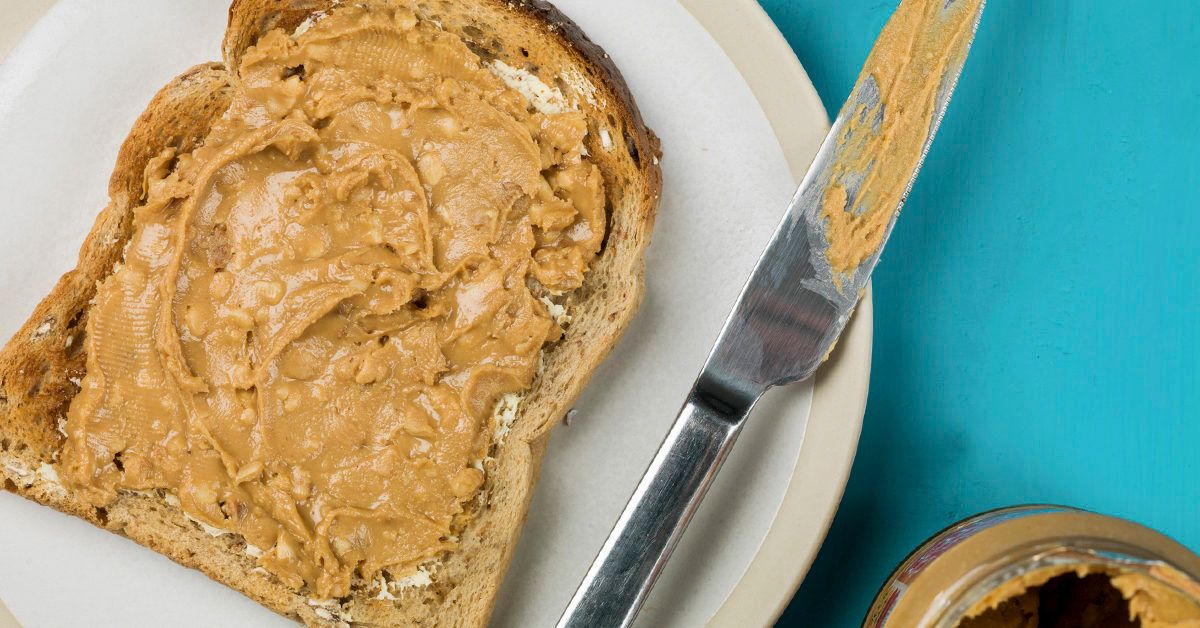

There are cravings, and then there is the very specific, spoon-in-hand, standing-in-front-of-the-pantry kind of craving for peanut butter. It is not casual. It does not politely knock. It kicks the door open and says, “Hello, I live here now.” If you have ever wondered why your brain suddenly decides that nothing on Earth will satisfy you except creamy, salty, nutty peanut butter, you are not alone.
Craving peanut butter can mean several things. Sometimes your body wants quick, dense energy. Sometimes it is asking for more protein, healthy fat, or a more satisfying snack. Sometimes the craving is emotional, tied to stress, comfort, habit, sleep loss, or plain old nostalgia. And sometimes? Peanut butter just tastes amazing. Science does not need to ruin every beautiful thing.
This guide breaks down what peanut butter cravings may mean, when they are normal, when they might deserve a closer look, and how to satisfy them in a balanced way without turning the jar into a personal support group.
Why Peanut Butter Is So Craveable
Peanut butter has a nearly unfair combination of qualities: fat, protein, salt, slight sweetness, creaminess, and that roasted peanut aroma that can make toast feel like a luxury item. It is rich and filling, but also familiar and comforting. That combination makes it especially easy for the brain to remember and request again.
Food cravings are not always the same as hunger. Hunger is usually broad: “I need food.” A craving is more specific: “I need peanut butter on a spoon, possibly while wearing pajamas at 3:47 p.m.” Cravings often target foods that are high in fat, sugar, salt, or a powerful mix of all three. Peanut butter, depending on the brand, can hit several of those buttons at once.
Natural peanut butter made from peanuts and maybe salt is mostly a source of fat and plant protein. Many commercial peanut butters also include added sugar, oils, or extra salt, which can make them even more snackable. That does not automatically make them “bad,” but it does mean your craving may be responding to flavor, texture, habit, or energy needs all at the same time.
Craving Peanut Butter: What Does It Mean?
The short answer: craving peanut butter usually means your body or brain is looking for satisfaction. That satisfaction may come from calories, fat, protein, minerals, comfort, routine, or pleasure. The longer answer is more interesting, so let’s spread it thick.
1. You May Need More Protein or Healthy Fat
Peanut butter is dense in energy and contains both protein and fat, two nutrients that help meals feel more satisfying. If your breakfast was mostly coffee and optimism, or your lunch was a sad desk salad with three lonely croutons, your body may start searching for something richer later in the day.
Protein helps support muscle repair, immune function, and fullness. Fat also slows digestion and contributes to long-lasting satisfaction. When meals are too low in either nutrient, cravings can show up as your body tries to correct the imbalance. Peanut butter becomes an appealing target because it delivers both in one convenient, spreadable package.
For example, if you eat plain toast for breakfast and find yourself craving peanut butter an hour later, your body may be asking for a more complete meal. Add peanut butter, Greek yogurt, eggs, cottage cheese, tofu scramble, or another protein source, and the craving may calm down naturally.
2. Your Body May Be Asking for More Calories
Peanut butter is calorie-dense. That is not an insult; it is part of its job description. Two tablespoons typically provide a meaningful amount of energy in a small serving. If you have been undereating, dieting strictly, skipping meals, increasing workouts, or running around all day on fumes, craving peanut butter may simply mean your body wants fuel.
This is especially common when people cut calories too aggressively. The body is not a spreadsheet. It notices restriction and often responds with stronger cravings for dense, rewarding foods. Peanut butter may appear in your mind because it is efficient: a small amount offers a lot of energy, flavor, and satisfaction.
If the craving comes with fatigue, irritability, shakiness, or constant thoughts about food, look at your overall eating pattern. You may not need more discipline. You may need lunch.
3. You Might Be Low on Magnesium or Other Nutrients
Many people wonder whether craving peanut butter means a nutrient deficiency. The answer is: maybe, but do not jump straight to diagnosis. Peanuts and peanut butter contain minerals such as magnesium, potassium, and other micronutrients. Magnesium is involved in muscle and nerve function, blood glucose regulation, and energy production, so it is an important nutrient.
Still, cravings are not a precise nutrient detector. Your body does not usually send a push notification saying, “Magnesium low. Please apply peanut butter.” More often, cravings are shaped by a blend of biology, habit, emotion, and environment. If you are concerned about deficiencies because of symptoms such as muscle cramps, weakness, unusual fatigue, poor appetite, or a restricted diet, talk with a healthcare professional rather than self-diagnosing from a snack urge.
That said, choosing nutrient-rich foods is smart. Peanut butter can be part of a balanced diet, especially when paired with whole-grain bread, apples, bananas, oatmeal, celery, or yogurt.
4. Stress May Be Driving the Craving
Stress cravings are real. When you are overwhelmed, tired, anxious, or emotionally drained, your brain may look for foods that feel rewarding and familiar. Peanut butter is a comfort food for many people because it is creamy, rich, and often connected to childhood meals, quick snacks, or cozy routines.
Stress can also make high-fat and high-sugar foods seem more appealing. If your peanut butter craving appears after a difficult meeting, an argument, a long commute, or a day that made your soul leave your body briefly, the craving may be emotional rather than physical.
That does not mean you should shame yourself. Emotional eating is common, and food can be comforting. The goal is not to ban comfort. The goal is to notice patterns. Ask yourself: “Am I hungry, tired, stressed, bored, or needing a break?” If you are hungry, eat. If you are stressed, eating peanut butter may help briefly, but you may also need rest, movement, a walk, a phone call, or five minutes of silence without anyone asking you where the stapler went.
5. Poor Sleep Can Make Cravings Louder
Sleep affects appetite hormones and food choices. When you do not sleep enough, hunger can feel stronger, fullness can feel weaker, and high-calorie foods may become more tempting. Peanut butter, being rich and convenient, may suddenly look like the hero of the kitchen.
If your cravings are strongest after short nights, late work sessions, travel, or irregular sleep, your body may be trying to compensate for low energy. A peanut butter snack is not the problem; chronic sleep deprivation is the louder clue.
Try improving sleep routines along with food habits. Eat balanced meals, reduce late caffeine, keep a consistent bedtime when possible, and avoid using peanut butter as the only line of defense between you and exhaustion.
6. Blood Sugar Swings May Be Involved
If you eat a meal or snack that is mostly refined carbohydrates, your blood sugar may rise and then dip, leaving you hungry again sooner. That dip can trigger cravings for quick or dense energy. Peanut butter may sound appealing because it offers fat and protein, which can help slow digestion when paired with carbohydrate-rich foods.
For example, a banana alone may satisfy you for a while. A banana with peanut butter may keep you full longer because the snack includes carbohydrate, fat, and protein. The same goes for apple slices with peanut butter, oatmeal with peanut butter, or whole-grain toast with peanut butter.
If you have diabetes, prediabetes, gestational diabetes, or symptoms such as frequent thirst, unusual fatigue, blurry vision, or frequent urination, check in with a healthcare professional. Cravings alone do not diagnose blood sugar problems, but persistent symptoms deserve attention.
7. Hormones, PMS, or Pregnancy Can Change Cravings
Hormonal shifts can influence appetite and taste preferences. Some people crave richer foods before their period. Others notice new cravings during pregnancy. Peanut butter may become appealing because it is filling, salty, slightly sweet, and easy to eat when cooking sounds like a personal attack.
During pregnancy, cravings are common, but food safety and allergies matter. If you are allergic to peanuts, avoid peanut butter completely. If you are pregnant and not allergic, peanut butter can often fit into a balanced diet, but specific nutrition needs vary. A prenatal care provider or registered dietitian can help if cravings are intense, unusual, or replacing balanced meals.
Is Craving Peanut Butter a Sign of Deficiency?
It can be tempting to treat every craving like a secret code. Chocolate means magnesium. Ice means iron. Peanut butter means protein. The truth is less tidy. Cravings may sometimes overlap with nutrient needs, but they are not reliable diagnostic tools.
A craving for peanut butter could relate to low intake of calories, protein, fat, magnesium, or other nutrients. But it could just as easily come from stress, habit, taste memory, poor sleep, or seeing a jar on the counter. Your brain is highly suggestible. One peanut butter commercial and suddenly your apple feels underdressed.
Instead of asking, “What deficiency do I have?” ask better questions:
- Did I eat enough today?
- Did my meals include protein, fiber, and healthy fat?
- Am I sleeping well?
- Am I stressed, bored, or emotionally drained?
- Do I crave peanut butter occasionally or feel out of control around it?
These questions give you more useful information than assuming one craving equals one missing nutrient.
Is Peanut Butter Healthy?
Peanut butter can absolutely be part of a healthy eating pattern. It contains plant-based protein, mostly unsaturated fats, and useful nutrients. It is also satisfying, affordable, shelf-stable, and easy to add to meals. That makes it a practical food, not just a delicious paste with a fan club.
However, peanut butter is energy-dense, so portions matter. A standard serving is usually two tablespoons. That amount can be satisfying, especially when paired with fiber-rich foods. The trouble starts when “two tablespoons” becomes “I used a garden shovel and avoided eye contact with the label.”
Choose Peanut Butter Wisely
When shopping, look at the ingredient list and Nutrition Facts label. A simple peanut butter may contain peanuts and salt. Some versions include added sugar, hydrogenated oils, palm oil, or extra sodium. You do not have to chase perfection, but it helps to know what you are buying.
For everyday use, consider peanut butter with:
- Peanuts as the first ingredient
- Little or no added sugar
- Moderate sodium
- No hydrogenated oils
- A taste you actually enjoy, because food should not feel like homework
Natural peanut butter may separate, leaving oil on top. Stir it well and store it according to the label. If stirring a new jar feels like an upper-body workout, congratulations: snack prep and fitness have briefly merged.
How to Satisfy a Peanut Butter Craving Without Overdoing It
The best way to handle a craving is not always to fight it. Often, the smarter move is to satisfy it intentionally. When you give yourself a balanced portion, you are less likely to hover over the jar later like a raccoon with Wi-Fi.
Try Balanced Peanut Butter Snacks
- Apple slices with one or two tablespoons of peanut butter
- Whole-grain toast with peanut butter and sliced banana
- Oatmeal stirred with peanut butter and cinnamon
- Greek yogurt with a small swirl of peanut butter
- Celery sticks with peanut butter and raisins
- A smoothie with banana, milk or soy milk, peanut butter, and cocoa powder
- Rice cakes topped with peanut butter and berries
These pairings work because they combine protein, fat, and fiber. That trio helps create fullness and steadier energy. Peanut butter alone is fine, but peanut butter with fruit or whole grains often feels more satisfying.
Use the “Plate, Don’t Plunge” Rule
If you tend to overeat peanut butter straight from the jar, portion it onto a plate or into a small bowl. This is not punishment; it is strategy. Eating from the jar makes it hard to track how much you have had, especially when the spoon keeps “accidentally” going back in.
Measure a serving for a few days if you are curious. You do not need to measure forever, but it helps recalibrate your eyes. Peanut butter is dense, and the difference between one tablespoon and four can disappear quickly when you are distracted.
When Peanut Butter Cravings May Be a Concern
Most peanut butter cravings are harmless. But there are times when cravings may point to something worth addressing.
Talk to a Professional If:
- Your cravings feel uncontrollable or distressing
- You often eat peanut butter until uncomfortable
- You feel guilt, shame, or secrecy around eating
- You are using peanut butter to cope with stress every day
- You have symptoms of blood sugar problems
- You have a peanut allergy or possible allergy symptoms
- You are pregnant and cravings are replacing balanced meals
Food allergies are especially important. Peanuts are one of the major food allergens and can cause serious reactions in allergic individuals. Symptoms such as hives, swelling, wheezing, vomiting, throat tightness, dizziness, or trouble breathing require urgent medical attention.
What Your Peanut Butter Craving Might Be Telling You
Here is a practical way to decode the craving without turning snack time into a full detective drama.
If You Crave Peanut Butter in the Morning
You may need a more filling breakfast. Try adding peanut butter to oatmeal, toast, or a smoothie. Pair it with protein and fiber so your breakfast lasts longer.
If You Crave It in the Afternoon
Your lunch may have been too light, or your energy may be dipping. Try apple slices with peanut butter, yogurt with nuts, or whole-grain crackers with peanut butter.
If You Crave It Late at Night
You may be tired, underfed, or looking for comfort. If you are truly hungry, have a small balanced snack. If you are exhausted, prioritize sleep. The peanut butter jar cannot replace a bedtime routine, though it may try its best.
If You Crave It During Stress
The craving may be emotional. Pause before eating and ask what else you need. You can still enjoy peanut butter, but add a non-food coping tool too, such as stretching, journaling, walking, or texting a friend.
Can You Eat Peanut Butter Every Day?
For many people, yes. Peanut butter can fit into daily meals if portions and overall diet quality make sense. The key is variety. Peanut butter is nutritious, but it should not be your entire personality or your only protein source.
Rotate it with other nutrient-rich foods such as eggs, beans, lentils, tofu, fish, chicken, yogurt, cottage cheese, nuts, seeds, and whole grains. Variety helps you get a wider range of nutrients and prevents food boredom. Although, to be fair, peanut butter has done impressive work fighting boredom for generations.
Peanut Butter Craving Myths
Myth 1: Craving Peanut Butter Always Means You Need Protein
Not always. It could mean you need protein, but it could also mean you are tired, stressed, hungry, or simply craving something delicious.
Myth 2: Peanut Butter Is Bad Because It Is High in Fat
Fat is not automatically bad. Peanut butter contains mostly unsaturated fats, which can be part of a healthy eating pattern. Portion size still matters because fats are calorie-dense.
Myth 3: Natural Peanut Butter Is Always Better for Everyone
Natural peanut butter often has fewer ingredients, but the best choice is the one that fits your health needs, taste preferences, budget, and lifestyle. A peanut butter you hate will not improve your life just because the label looks virtuous.
Myth 4: You Must Ignore Cravings to Be Healthy
Ignoring cravings can backfire, especially if they come from under-eating. A balanced, intentional serving may prevent overeating later. Satisfaction is part of healthy eating, not the enemy of it.
of Real-Life Experience: What Peanut Butter Cravings Feel Like in Everyday Life
Peanut butter cravings often show up in very ordinary moments. Imagine a busy weekday morning. You planned to make a balanced breakfast, but the clock had other plans. You grabbed coffee, answered emails, and convinced yourself that being “too busy to eat” was a personality trait. By 10:30 a.m., your brain starts projecting images of peanut butter toast like a movie trailer. That craving may not be mysterious at all. Your body is asking for something substantial because breakfast never really happened.
Or picture the classic afternoon slump. Lunch was technically a salad, but it had the staying power of a paper umbrella in a hurricane. Around 3 p.m., you start opening cabinets with no clear mission. Chips? No. Cookies? Maybe. Peanut butter? Suddenly, yes. In this case, the craving may be about fullness. The fat and protein in peanut butter sound appealing because your earlier meal did not provide enough long-lasting energy.
Then there is the emotional peanut butter craving. This one has a different flavor. It often arrives after stress. Maybe your inbox looks like a disaster zone. Maybe traffic was terrible. Maybe someone said, “Let’s circle back,” and your nervous system took damage. Peanut butter feels grounding because it is familiar, rich, and easy. A spoonful can feel like a tiny edible weighted blanket. That does not make you weak; it makes you human.
Many people also connect peanut butter with childhood. Peanut butter sandwiches, lunchboxes, after-school snacks, crackers, apples, celery sticks, or cookies can create strong food memories. Years later, the craving may be partly nostalgia. You are not just craving peanuts. You may be craving comfort, simplicity, or a moment when someone else packed your lunch and taxes were not yet a concept.
Fitness routines can also awaken peanut butter cravings. After a long walk, strength workout, or active day, peanut butter may sound amazing because it offers dense energy without requiring a full meal. A smoothie with peanut butter, banana, and milk can feel satisfying after exercise because it provides carbohydrates, protein, and fat. The body likes efficiency, and peanut butter is nothing if not efficient.
Late-night peanut butter cravings are especially common. Sometimes they happen because dinner was too small. Sometimes they happen because you stayed up too late and your tired brain wants a reward. The kitchen is quiet, the jar is there, and suddenly you are negotiating with a spoon like it is a business partner. A helpful approach is to portion peanut butter onto toast, fruit, or yogurt instead of eating directly from the jar. You still get the flavor, but with more structure and less “How did half the jar vanish?” confusion.
The most useful experience-based lesson is this: cravings become easier to understand when you remove shame. Instead of thinking, “Why do I have no control?” try thinking, “What is this craving trying to solve?” Maybe it is hunger. Maybe it is stress. Maybe it is poor sleep. Maybe it is pleasure. Once you identify the likely reason, you can respond wisely. Sometimes that response is a balanced snack. Sometimes it is dinner. Sometimes it is going to bed. And sometimes it is one perfectly reasonable spoonful of peanut butter, enjoyed slowly, without guilt and without pretending rice cakes taste the same. They do not. We all know it.
Conclusion: Listen to the Craving, Then Get Curious
Craving peanut butter does not automatically mean something is wrong. In most cases, it means your body or brain wants satisfaction from a food that is rich, filling, familiar, and delicious. The craving may be connected to protein, healthy fat, calories, stress, sleep, hormones, habit, or comfort.
The healthiest response is not panic. It is curiosity. Look at your meals, your stress level, your sleep, and your patterns. If peanut butter helps you build a better snack or meal, enjoy it. Pair it with fruit, whole grains, yogurt, or oatmeal. Choose a peanut butter that fits your needs, watch portions if necessary, and avoid turning cravings into a moral crisis.
Food is fuel, but it is also memory, comfort, culture, and joy. Peanut butter happens to be very good at all of those jobs. So the next time the craving hits, take a breath, grab a reasonable serving, and ask what your body is really requesting. It might be nutrients. It might be rest. It might be comfort. Or it might simply be peanut butter being peanut butter: persuasive, dependable, and dangerously good on toast.