
Note: This article is written for web publishing in standard American English, with factual details synthesized from real art, design, gallery, and publication references.
What Is The Thing Quarterly Issue #23 Ceramic Dice?
The Thing Quarterly Issue #23 Ceramic Dice is one of those art objects that sounds simple until you actually think about it for more than twelve seconds. Six handmade ceramic dice, a custom dice-carrying bag, and rules for a game called Mr. Natural. That is the basic package. But calling it “a set of dice” is a little like calling a museum “a building with walls.” Technically correct, emotionally undercooked.
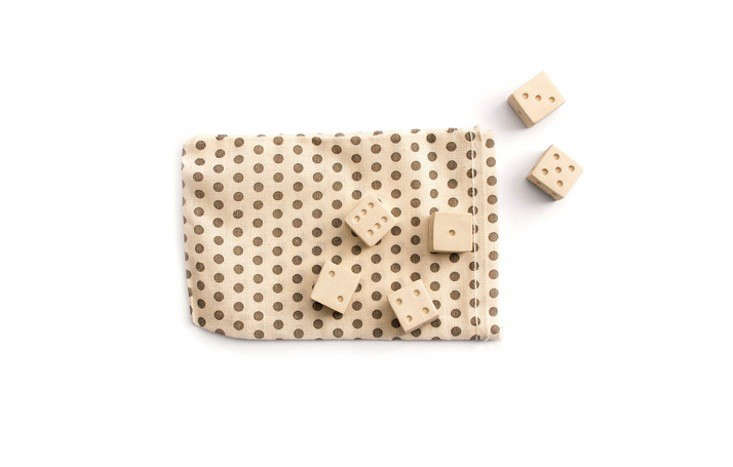
Created by Los Angeles-based visual artist David Korty for THE THING Quarterly, Issue #23 turns the humble dice game into a small, tactile artwork about chance, friendship, luck, banter, and the strange joy of putting beautiful objects to use. The dice were made in collaboration with the Oakland-based ceramic studio Atelier Dion, while Korty added his own visual language through hand-dyed surfaces and drawings on the carrying bag. The result is part collectible, part game, part sculpture, and part social experiment that just happens to fit in your hand.
THE THING Quarterly was not a normal magazine. It was an artist-run publication in the form of objects. Instead of receiving printed pages, subscribers received useful things designed by artists, writers, filmmakers, musicians, and designers. A shower curtain could become an issue. A cutting board could become an issue. A set of ceramic dice could become an issue. In other words, THE THING looked at the magazine rack and said, “Cute paper. What if we mailed people art they could actually use?”
The Concept Behind THE THING Quarterly
To understand why Issue #23 matters, it helps to understand the larger project. THE THING Quarterly was produced by visual artists Jonn Herschend and Will Rogan and ran from 2007 to 2017. Its central idea was wonderfully direct: each issue would be created by a different contributor, reproduced, wrapped, and shipped to subscribers as a functional object.
This format challenged the traditional divide between art and everyday life. Instead of treating art as something that must hang silently on a wall while everyone whispers politely around it, THE THING invited people to use the work. Put it on a table. Open it. Carry it. Roll it. Risk it. Maybe even spill snacks near it, although collectors everywhere just clutched their pearls.
Issue #23 fits neatly into this philosophy because dice are already objects of interaction. They ask to be touched. They make sound. They create suspense. They bring people together around a table and instantly transform the atmosphere. Add handmade ceramic construction and an artist-designed game, and the object becomes more than a tool for play. It becomes a conversation starter about control, uncertainty, and how much of life is skill versus cosmic slapstick.
David Korty: The Artist Behind Issue #23
David Korty is known for artwork rooted in Los Angeles: streets, sidewalks, city fragments, architecture, ordinary scenes, and the visual rhythm of daily life. His paintings often simplify reality into color, line, shape, and atmosphere. That background matters because Issue #23 is not a random novelty product. It reflects Korty’s interest in how people move through the world, how small visual systems shape experience, and how everyday objects can become strangely poetic.
Korty’s work has often balanced formal control with a looseness that feels human. His imagery can be bright, graphic, and architectural, but it is rarely cold. That same tension appears in the ceramic dice. Dice are mathematical objects, governed by numbers and probability. Yet these dice are handmade, imperfect in the best way, warm with material presence. They remind us that even systems of chance have fingerprints.
The title connected to Issue #23 is Mr. Natural, the dice game included with the set. The game reportedly circulated through Los Angeles by word of mouth, passed from one friend to another. That origin story is important. This was not a mass-market board game engineered by a committee in a conference room with fluorescent lighting and three kinds of “synergy.” It was a social game with a local, almost folkloric energy. Korty brought that informal culture into the framework of an artist edition.
What Comes in the Issue #23 Set?
Six Handmade Ceramic Dice
The heart of The Thing Quarterly Issue #23 Ceramic Dice is the set of six handmade ceramic dice. Unlike factory-perfect plastic dice, these pieces carry the subtle irregularity of the ceramic process. That makes them feel closer to small sculptures than gaming accessories. Each die is functional, but its material gives it weight, texture, and character.
Ceramic is an inspired choice here. Dice are usually associated with speed, clicking plastic, casinos, board games, and dusty drawers full of missing Monopoly hotels. Ceramic slows the whole experience down. You become aware of the roll, the surface, the sound, and the object’s fragility. It adds ceremony without becoming stiff. The dice still want to play; they just show up to the table wearing better shoes.
A Custom Dice-Carrying Bag
The set also includes a custom dice-carrying bag featuring drawings by David Korty. This detail matters because the bag turns storage into part of the artwork. The dice are not simply loose components. They live inside a designed container that extends Korty’s visual contribution. The bag also reinforces the portability of the issue. Like many great games, Mr. Natural can travel. It belongs in a studio, on a dining table, at a friend’s house, or anywhere people are willing to roll dice and talk nonsense with commitment.
Instructions for the Game Mr. Natural
The rules complete the work. Without the instructions, the dice would still be beautiful, but the issue would lose its social engine. The inclusion of a playable game transforms the edition from object to event. It is not merely something to own. It is something to activate.
This is where Issue #23 becomes especially interesting from an art perspective. Many collectible artworks reward looking. This one rewards participation. It changes when people gather around it. The players’ voices, jokes, lucky streaks, and tiny defeats become part of the work’s life. The object does not fully “happen” until someone rolls.
Why Ceramic Dice Make the Issue So Memorable
There is a lovely contradiction in handmade ceramic dice. Dice represent randomness, fairness, and repeatable outcomes. Ceramic represents touch, labor, kiln heat, and small variations. One side is probability; the other is craft. Together, they create an object that feels both systematic and personal.
That contrast is exactly what makes The Thing Quarterly Issue #23 Ceramic Dice memorable. The dice are not just props for a game. They create a physical metaphor for the game’s deeper questions: What do we control? What do we pretend to control? When do we blame luck because blaming ourselves would be less fun?
In a world full of digital games, ceramic dice feel almost rebellious. They do not update, crash, vibrate, track your data, or ask for your location. They simply exist. You pick them up. You roll them. You laugh or groan. That analog clarity is part of their charm.
The Role of Atelier Dion
The ceramic production was handled by Atelier Dion, a Bay Area ceramic studio known for handmade ceramic fabrication and collaborations with artists and designers. Their involvement gives the issue a strong material foundation. A project like this depends on more than a clever concept. Dice must feel good in the hand, survive use, and maintain enough consistency to function as dice while still preserving the individuality of handmade objects.
Atelier Dion’s role also connects Issue #23 to the Bay Area’s strong culture of craft, design, and artist-led production. THE THING Quarterly was built on collaboration, and this issue is a clear example: Korty’s concept and visual world meet the studio’s ceramic skill. The final object carries both identities without feeling overdesigned.
Issue #23 as a Collectible Art Object
Collectors are naturally drawn to The Thing Quarterly Issue #23 Ceramic Dice because it sits at the intersection of limited-edition art, design object, and playable game. Standard editions of the issue were produced as part of THE THING’s subscriber-based model, while a much rarer special edition included hand-dyed dice and a custom bag with unique drawings. That special edition was extremely limited, making it especially desirable for collectors of artist multiples and object-based publications.
However, the most interesting tension is not rarity alone. It is the use-versus-preserve dilemma. Should you roll the dice or keep them safe? Should the bag be opened or stored like treasure? Should the game be played, or does play reduce collectible condition? This question is baked into the DNA of THE THING Quarterly. The publication repeatedly asked owners to confront the awkward little drama of functional art: if an artist makes something useful, is refusing to use it a form of appreciation or betrayal?
With Issue #23, the answer feels obvious but not easy. The dice were made to be rolled. Yet because they are handmade ceramics by a recognized artist in a distinctive publication series, preservation also makes sense. The best solution may be emotional compromise: play carefully, on a generous table, with friends who understand that “enthusiastic” does not mean “launch the art across the room like a tiny moon rock.”
How Issue #23 Connects Art, Play, and Chance
Dice have always carried symbolic weight. They appear in games, rituals, stories, and metaphors about fate. A die roll compresses suspense into a few seconds. Before the dice stop moving, anything is possible. Afterward, reality has the nerve to arrive.
Korty’s Mr. Natural game uses that familiar suspense, but the ceramic format elevates the moment. The dice are not disposable tools. They are sculptural participants. Their handmade quality makes every roll feel less mechanical and more intimate. The object’s beauty encourages attention, and attention changes play.
This is where Issue #23 becomes more than a charming art edition. It demonstrates how design can change behavior. When the tools of a game feel special, players often become more aware of the experience. They notice the table, the company, the rhythm of turns, the jokes, and the absurd seriousness that emerges when adults compete over small objects. Art does not need to lecture. Sometimes it just needs to roll a five at the wrong moment.
Design Details That Make the Dice Stand Out
The appeal of The Thing Quarterly Issue #23 Ceramic Dice comes from several design choices working together. First, the use of six dice gives the set visual abundance. A single ceramic die might feel like a paperweight with ambition. Six dice suggest a real game, a system, and a satisfying handful of possibility.
Second, the custom bag adds personality and context. It makes the set feel complete rather than assembled. Third, the instructions give the object purpose. Many art objects invite interpretation, but this one invites action. You do not need a graduate seminar to begin. You need a table, the dice, the rules, and at least one friend willing to talk trash with theatrical confidence.
Finally, the project benefits from its scale. The issue is small enough to be intimate but substantial enough to feel meaningful. It does not dominate a room. It waits. It has the quiet confidence of an object that knows it can become the center of attention whenever someone unties the bag.
Why This Issue Still Feels Relevant
The Thing Quarterly Issue #23 Ceramic Dice remains relevant because it addresses questions that have only become more urgent in a digital-first culture. What does it mean to own an object with a story? How can art enter daily life without losing its complexity? Why do handmade things feel so satisfying when so much of modern life happens behind glass screens?
Issue #23 answers these questions not through theory, but through use. It offers an experience that is physical, social, and lightly unpredictable. It reminds us that art does not always need a pedestal. Sometimes it needs a pouch. Sometimes it needs a table. Sometimes it needs someone to roll badly and insist, with great dignity, that the table is uneven.
Who Should Be Interested in The Thing Quarterly Issue #23 Ceramic Dice?
This issue appeals to several overlapping audiences. Art collectors may value it as an artist multiple connected to David Korty and THE THING Quarterly’s influential object-based publishing experiment. Design enthusiasts may appreciate the material choice, handmade construction, and playful packaging. Game lovers may be drawn to the idea of a dice game with an art-world twist. Ceramic collectors may enjoy the way studio craft enters a conversational, performative context.
It is also an excellent case study for anyone interested in contemporary publishing. THE THING Quarterly expanded the idea of what a periodical could be. Instead of delivering essays about art, it delivered art that behaved like an essay. Issue #23 is a particularly accessible example because dice are familiar. Everyone understands the basic invitation: pick them up and roll.
Collecting Tips and Practical Considerations
If you are researching or collecting The Thing Quarterly Issue #23 Ceramic Dice, pay close attention to completeness. A full set should include the six ceramic dice, the carrying bag, and the printed rules or instructions for Mr. Natural. Condition also matters, especially because ceramic dice can chip or show wear if heavily used. The bag’s condition and the presence of original paperwork may affect desirability.
Collectors should also distinguish between the standard issue and rarer special edition versions when evaluating listings. Details such as hand-dyeing, unique drawings, edition size, and whether a set is signed or numbered can influence value and interpretation. Because artist multiples often circulate through galleries, art bookstores, resale platforms, and private collections, documentation is your best friend. Your second-best friend is patience. Your third-best friend is not dropping ceramic dice on tile flooring.
Experience Section: Living With The Thing Quarterly Issue #23 Ceramic Dice
Experiencing The Thing Quarterly Issue #23 Ceramic Dice is different from merely viewing it online. In photos, the set looks clever and collectible. In person, it becomes more personal. The first surprise is weight. Ceramic dice have a presence that plastic dice simply do not. They sit in the palm with a little seriousness, as if they know they came from a kiln and would like some respect.
Opening the carrying bag creates a small ritual. There is a sense of uncovering rather than unpacking. The dice emerge as individual objects, each with enough handmade character to avoid the sterile perfection of mass production. This is where the artwork begins to slow you down. You notice edges, surfaces, colors, and the way each piece catches light. Before the game even starts, the object has already changed the mood.
Playing with the dice can feel oddly ceremonial at first. People may hesitate because the set looks collectible. Someone will probably say, “Are we actually allowed to roll these?” That question is part of the experience. The issue lives in the tension between art preservation and actual use. Once the first roll happens, the room relaxes. The dice make contact with the table, chance takes over, and the artwork becomes active.
The best setting for Mr. Natural is a large table with enough space for the dice to move freely. A cramped surface makes the game feel cautious, while a generous table lets the dice perform. The sound is part of the pleasure. Ceramic dice do not whisper. They announce themselves. Every roll has a satisfying clatter that feels more dramatic than the stakes technically require, which is exactly what a good dice game needs.
What makes the experience memorable is the social energy. Dice games naturally create commentary. People cheer, complain, invent theories, blame fate, praise skill, and accuse luck of having terrible taste. With Issue #23, that banter feels connected to the artwork rather than separate from it. Korty’s project seems to understand that games are not only about winning. They are about the stories people generate while pretending winning is the only thing that matters.
After several rounds, the object begins to feel less like a precious edition and more like a companion to an evening. That shift is important. It shows the genius of THE THING Quarterly’s model. The artwork does not become less meaningful through use. It becomes more layered. Every game adds memory. Every roll adds a tiny history. The dice become witnesses to jokes, arguments, lucky streaks, and exaggerated claims of strategic brilliance.
There is also a meditative side to the experience. Dice force acceptance. You can shake them with confidence, whisper to them like a tiny sports coach, or roll them with the posture of a Renaissance philosopher. Still, the result arrives on its own terms. That small lesson is surprisingly refreshing. In a world obsessed with optimization, ceramic dice remind us that not everything can be optimized. Some things can only be rolled.
As a display object, Issue #23 works beautifully. As a playable artwork, it works even better. The most rewarding way to experience it is not to hide it permanently in storage, but to treat it with care and let it do what it was designed to do. Bring it out for people who enjoy art, games, objects, or good conversation. Explain the concept briefly, then let the dice take over. The magic is not in keeping them untouched forever. The magic is in discovering how an artist-made object can turn an ordinary table into a small theater of chance.
Conclusion
The Thing Quarterly Issue #23 Ceramic Dice is a brilliant example of how contemporary art can leave the gallery wall and enter everyday life without becoming ordinary. David Korty’s contribution to THE THING Quarterly combines handmade ceramic craft, visual personality, social play, and philosophical humor in one compact object. It is collectible, but not frozen. It is functional, but not generic. It is a game, but also a meditation on luck, skill, friendship, and the strange seriousness of play.
For collectors, designers, artists, and game lovers, Issue #23 remains a fascinating object because it refuses to sit in one category. It is an artist multiple, a dice set, a ceramic edition, a social tool, and a tiny engine for conversation. That is a lot of responsibility for six small cubes, but they handle it well. After all, they were made for uncertainty.