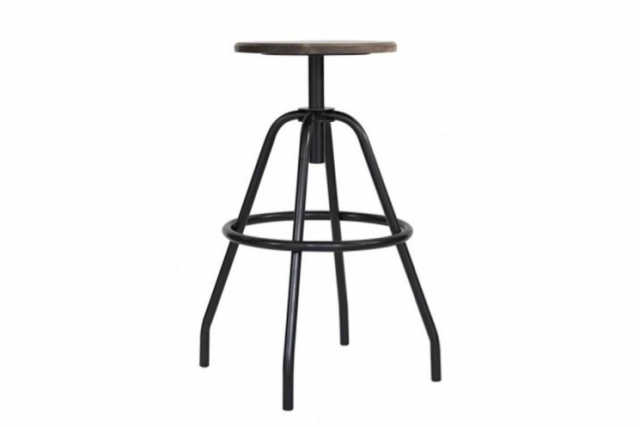

Industrial stools are the furniture world’s version of a well-worn leather jacket: practical, a little rebellious, and somehow appropriate in more places than expected. Put one beside a kitchen island, tuck another under a drafting table, line three along a basement bar, and suddenly the room looks like it has a backstory. Maybe it once made motorcycles. Maybe it just makes excellent pancakes. Either way, the effect works.
The phrase “High to Low: Industrial Stools” can mean two things, and both matter. First, it refers to the height range: tall bar stools, lower counter stools, adjustable shop stools, and compact seats for workbenches. Second, it refers to budget: designer industrial stools at the high end, reliable mid-range picks, and affordable metal-and-wood stools that deliver the look without asking your wallet to file a complaint.
This guide breaks down industrial stools by style, height, material, comfort, durability, and price point so you can choose seating that looks rugged but lives politely in a real home.
What Makes a Stool “Industrial”?
Industrial stools borrow their character from factories, workshops, laboratories, warehouses, and old drafting studios. The style usually features honest materials: steel, iron, aluminum, reclaimed wood, leather, visible hardware, rivets, welded joints, screw-lift mechanisms, and finishes that are more “hardworking” than “please do not touch.”
Unlike overly polished furniture, industrial stools are not trying to pretend they were born in a palace. They are more likely to say, “I was assembled near a lathe, and I have no regrets.” That is exactly the charm. The best industrial stools balance raw structure with everyday usability. They should feel sturdy, not clunky; vintage-inspired, not dusty; practical, not like something you rescued from a suspicious alley.
High, Low, and Everything in Between: Stool Heights Explained
Before falling in love with a stool’s finish, shape, or moody warehouse personality, measure your counter. A beautiful stool at the wrong height is just a very stylish inconvenience.
Counter-Height Industrial Stools
Counter-height stools usually have seats around 24 to 27 inches high. They are designed for kitchen islands and counters that are typically about 34 to 36 inches tall. This is the most common choice for modern kitchens, breakfast bars, and open-plan homes where people drift toward the island like snacks have a magnetic field.
Industrial counter stools often combine a metal base with a wood seat, a leather pad, or a molded steel top. Backless versions slide neatly under the counter, which is great for small kitchens. Stools with backs are more comfortable for long conversations, homework sessions, or that one guest who turns “just stopping by” into a three-hour documentary.
Bar-Height Industrial Stools
Bar-height stools usually measure around 28 to 32 inches from floor to seat. They are made for taller surfaces, often around 40 to 42 inches high. These stools work well in home bars, game rooms, pub-style dining areas, and commercial spaces.
Because bar stools are taller, footrests become much more important. Without a footrest, sitting on a tall stool can feel like dangling from a lifeguard chair while trying to eat tacos. A well-placed metal foot rail adds comfort and reinforces the industrial look.
Adjustable Industrial Stools
Adjustable industrial stools are the flexible overachievers of the group. Many use a screw-lift mechanism inspired by old workshop and drafting stools. Spin the seat one way, and it rises; spin it the other, and it lowers. It is furniture and a tiny amusement park ride, minus the cotton candy.
Adjustable stools are helpful when one stool needs to serve different spaces: a kitchen island today, a studio table tomorrow, a standing desk next week. They also suit households where people of different heights use the same seating. Look for sturdy threads, a stable base, and a seat that does not wobble when adjusted.
Low Industrial Stools
Low industrial stools are less common in kitchens but incredibly useful. They work as workshop seats, plant stands, side tables, entryway perches, or casual seating around a coffee table. A short metal stool with a worn wood top can add industrial texture without dominating the room.
Low stools are especially helpful in apartments because they can serve several jobs. One day they hold a drink; the next day they support a stack of books; the day after that, someone sits on one while tying shoes. Multifunctional furniture: the unsung hero of small-space living.
Materials That Define the Industrial Stool Look
Steel and Iron
Steel and iron are the backbone of industrial stools. Powder-coated black steel creates a clean modern edge, while raw or distressed metal feels more vintage. Galvanized finishes can lean farmhouse-industrial, while matte black works beautifully in contemporary kitchens.
Metal is durable, but not all metal stools are equal. Thin frames may look good online but feel flimsy in person. A quality industrial stool should have strong welds, stable legs, and crossbars that do more than pose for photos.
Wood Seats
Wood softens the industrial look. Mango wood, oak, walnut, pine, and reclaimed lumber are common choices. A carved tractor-style seat can feel rustic and playful, while a round solid wood top gives a cleaner workshop-inspired look.
The contrast between warm wood and cool metal is one reason industrial stools remain so popular. It gives a room texture without making it feel cold. In design terms, wood is the friend who says, “Yes, the black steel is dramatic, but let’s still be approachable.”
Leather and Upholstery
Leather or faux leather seats add comfort and a slightly vintage lounge feel. Brown leather pairs naturally with black metal, brass accents, brick walls, and wood floors. Upholstered industrial stools can work well in dining spaces where people sit longer, but they require more care than plain metal or wood.
For busy homes, performance fabric, wipeable vinyl, or leather-look upholstery can be practical. If your kitchen regularly hosts coffee spills, pasta sauce, and mystery crumbs, choose a seat material that forgives human behavior.
High-End Industrial Stools: When Design Does the Heavy Lifting
At the high end, industrial stools are not just seats; they are design statements. Premium versions often feature refined proportions, better materials, smoother adjustability, contract-grade construction, and finishes that age gracefully rather than surrender dramatically.
Designer industrial stools may draw from mid-century workshop seating, architectural drafting stools, or commercial furniture. A high-end adjustable stool might include a sculptural metal base, precision hardware, a leather backrest, or a seat that rises while the footrest moves with it. These details sound small until you sit down and realize your knees, feet, and spine are all quietly applauding.
High-end stools make sense when they will be used daily, placed in a prominent area, or paired with expensive cabinetry and stone countertops. If your kitchen island is the visual centerpiece of the home, flimsy seating can drag down the entire room. It is like wearing bargain flip-flops with a tailored suit: technically possible, emotionally confusing.
Mid-Range Industrial Stools: The Sweet Spot
Mid-range industrial stools often offer the best balance of style, comfort, and value. These pieces commonly feature steel frames, wood or upholstered seats, swivel options, footrests, and more consistent finishes than bargain models.
This is where many homeowners should begin. Mid-range stools are strong enough for everyday meals, attractive enough for open kitchens, and varied enough to fit different interiors. You can find backless stools for tight spaces, curved-back stools for comfort, and mixed-material designs that bridge industrial, farmhouse, modern, and rustic styles.
When shopping in the mid-range, check whether the stool is sold individually or in sets, whether assembly is required, and whether floor levelers are included. Floor levelers are tiny heroes, especially in older homes where the floor has opinions.
Budget Industrial Stools: Affordable, Useful, and Sometimes Surprisingly Good
Budget industrial stools can deliver plenty of style, especially if you choose simple forms. A black metal backless stool, a wood-and-steel counter stool, or a stackable powder-coated option can look sharp without costing much.
The key is to avoid fake distressing that looks too theatrical. A little patina is charming; a finish that screams “factory explosion, but make it decorative” may age poorly. Also watch for stability. A cheap stool that wobbles is not a bargain; it is a suspense film with legs.
Budget stools are great for rental apartments, first homes, craft rooms, garages, kids’ art tables, and occasional seating. If the stool will be used heavily every day, consider upgrading to a sturdier frame or better seat material.
Backless vs. Backed Industrial Stools
Backless Stools
Backless industrial stools are compact, clean, and easy to tuck away. They keep sightlines open, which helps a kitchen feel larger. They are also easier to move and often less expensive.
The tradeoff is comfort. Backless stools are fine for quick breakfasts, coffee, and casual chats. For long dinners, remote work, or marathon board games, your back may begin writing strongly worded letters.
Stools With Backs
Industrial stools with backs offer more support and visual presence. A curved metal back, wood backrest, or leather sling can make the stool feel more like a chair. This is a better choice for families, frequent entertainers, and anyone who uses the kitchen island as a second office.
The downside is space. Stools with backs do not disappear under the counter as easily, and they can make a room feel busier. Measure carefully, especially if your walkway is narrow.
Swivel or Fixed: Which One Should You Choose?
Swivel stools are convenient in open layouts. People can turn toward the cook, the TV, the conversation, or the dog doing something suspicious near the pantry. Swivels also make it easier to get in and out without scraping the floor.
Fixed stools usually feel more stable and visually minimal. They are a better choice for homes with young children who may treat a swivel stool like playground equipment. If you choose a swivel model, look for a smooth mechanism and a stable base.
How to Style Industrial Stools at Home
In a Modern Kitchen
Use black metal stools to add contrast against white cabinets, quartz countertops, or light wood flooring. If the kitchen already has stainless steel appliances, industrial stools can connect the finishes without making the room feel too themed.
In a Farmhouse Kitchen
Choose stools with wood seats and dark metal legs. The mix of rustic wood and sturdy steel works beautifully with shiplap, butcher block, apron-front sinks, and warm neutral colors. It keeps farmhouse style from becoming too sweetlike adding black coffee to a very creamy dessert.
In a Loft or Urban Apartment
Lean into the raw materials. Metal stools, concrete surfaces, exposed brick, open shelving, and visible pipes all speak the same design language. Add a leather cushion or warm wood seat to keep the space from feeling like a very fashionable parking garage.
In a Home Office or Studio
An adjustable industrial stool works well at drafting tables, standing desks, craft benches, and creative workstations. Look for a footrest, a comfortable seat shape, and easy height control. Style matters, but comfort pays the rent.
What to Check Before Buying Industrial Stools
First, measure the counter or table height. Leave roughly 10 to 12 inches between the seat and the underside of the counter for comfortable legroom. Second, measure width. Most stools need breathing room so elbows do not become involved in dinner negotiations.
Third, check the weight capacity and construction details. Commercial-grade or contract-grade stools are often built for heavier use. Fourth, consider floor protection. Metal legs can scratch wood or tile if they lack glides. Fifth, think about cleaning. A carved wood seat may look fantastic, but crumbs have a talent for finding decorative grooves.
Common Mistakes to Avoid
One common mistake is buying bar-height stools for a counter-height island. The result is a seating arrangement where everyone looks like they are preparing to perform surgery on a sandwich. Another mistake is choosing stools that are too wide for the available space. A stool may look sleek by itself but become awkward when three are squeezed together.
Also avoid ignoring comfort. Industrial style should look strong, not punish your guests. A footrest, curved seat, supportive back, or cushion can make a major difference. Finally, do not overdo the theme. Industrial stools pair best with a mix of textures. Too much metal can make a kitchen feel like it is waiting for a forklift.
High to Low Buying Strategy
If you want the best long-term value, decide where to spend and where to save. Spend more on stools used every day, especially in kitchens and commercial spaces. Save on occasional stools for corners, guest seating, or decorative use.
For a high-end look without the high-end price, choose simple silhouettes, matte finishes, and real materials. A basic black metal frame with a solid wood seat can look more expensive than an overdesigned stool covered in fake rivets and dramatic distressing. Subtlety is your friend. Industrial style should whisper “converted warehouse,” not shout “theme restaurant bathroom.”
Experience Notes: Living With Industrial Stools Day After Day
Industrial stools look fantastic in photos, but the real test happens on a Tuesday morning when someone is eating cereal, answering emails, and trying not to spill coffee on the dog. After using and styling industrial stools in real home settings, a few lessons become very clear.
The first lesson is that weight matters. A very heavy stool feels durable, but it can be annoying if people move it often. In a kitchen where stools slide in and out several times a day, a medium-weight frame is usually better than something that feels like gym equipment. On the other hand, extremely lightweight metal stools can feel unstable, especially at bar height. The sweet spot is sturdy but movable.
The second lesson is that footrests are not optional. They are essential. A stool without a good footrest may look clean, but it quickly becomes uncomfortable. People naturally want a place to rest their feet, especially on counter-height and bar-height stools. A circular foot rail or front crossbar makes the seat feel more supportive and relaxed.
The third lesson is that backless stools are excellent for small spaces but not always ideal for long sitting. They are perfect for quick breakfasts, casual drinks, and flexible seating. But if your kitchen island doubles as a homework zone, laptop station, or dinner table, stools with backs are worth considering. Comfort has a way of becoming more important after the first fifteen minutes.
The fourth lesson is about sound. Metal stools can be noisy on hard floors. Felt pads, rubber glides, or built-in floor protectors make a big difference. Without them, every movement may produce a dramatic scrape that sounds like a tiny robot dragging a suitcase. This is especially important in apartments, open-plan homes, and kitchens with tile floors.
The fifth lesson is that finishes age differently. Matte black metal tends to hide minor marks well. Polished metal shows fingerprints more easily. Distressed finishes can be forgiving, but only when they look natural. Wood seats gain character over time, especially if they are sealed properly. Upholstered seats are more comfortable, but they need more cleaning attention, particularly in homes with children, pets, or enthusiastic salsa.
Industrial stools also change the mood of a room quickly. In a plain white kitchen, they add contrast and structure. In a rustic space, they sharpen the look. In a modern apartment, they add texture and prevent the room from feeling too sterile. The best part is that they do not require a full redesign. Swapping stools can make a kitchen feel refreshed without touching cabinets, counters, lighting, or anything involving a contractor named Rick who says, “We found something behind the wall.”
Finally, industrial stools work best when they are allowed to be practical. Do not choose them only because they look cool. Sit in them, measure them, move them, clean them, and imagine using them on an ordinary day. The right industrial stool should feel like a tool and a design piece at the same time: strong, useful, good-looking, and ready for breakfast duty.
Conclusion: Industrial Stools That Work From High to Low
Industrial stools remain popular because they offer a rare combination of style and function. They can be high-end or affordable, tall or low, sleek or rustic, bold or surprisingly subtle. Whether you choose a designer adjustable stool, a mid-range wood-and-steel counter stool, or a budget-friendly backless metal seat, the goal is the same: find a stool that fits your space, supports real life, and adds character without trying too hard.
The best industrial stools are not just decorative props. They are daily-use pieces that bring structure, texture, and personality to kitchens, bars, studios, workshops, and small apartments. Measure carefully, prioritize comfort, choose honest materials, and let the stool do what industrial furniture does best: look tough while making everyday life a little easier.
Note: This article is prepared for web publication with clean body-only HTML, original wording, natural SEO keyword placement, and no unnecessary citation placeholders.