
The bagel is toasted. The coffee is hot. The mood is excellent. Then you open the fridge and realize the cream cheese is gone. Tragic? A little. Fixable? Absolutely.
Cream cheese has a very specific personality: tangy, rich, smooth, thick, and just firm enough to behave on a bagel without sliding off like a tiny dairy landslide. That is why there is no single magical replacement that works perfectly in every situation. A substitute that shines in a cold spread may flop in cheesecake. A swap that saves your frosting may be downright weird in a warm pasta sauce. In other words, this is not a “close your eyes and grab anything white from the fridge” kind of moment.
The good news is that several ingredients can do a very respectable impression of cream cheese when used strategically. Some are nearly identical in texture. Some bring the same tang. Some are better for baking, while others are best reserved for savory dips, sandwiches, or emergency bagel rescue. The trick is choosing the substitute that matches the job.
How to Pick the Right Cream Cheese Substitute
Before you swap, ask one question: What is the cream cheese doing in the recipe?
- For spreading: You want thickness, tang, and a smooth texture.
- For baking: You need structure, fat, and enough body to keep the recipe from turning watery.
- For dips and sauces: You need creaminess, but a looser texture is usually fine.
- For frosting: You want richness with just enough tang to cut the sweetness.
That means the best substitute is not always the healthiest one, the fanciest one, or the one currently giving you meaningful eye contact from the crisper drawer.
14 Cream Cheese Substitutes Worth Trying
1. Neufchâtel
If you want the closest thing to actual cream cheese, start here. Neufchâtel is the classic understudy: similar flavor, similar spreadability, and similar behavior in plenty of recipes. It tends to be a bit lower in fat and slightly less rich, but in many everyday uses, the difference is small enough that most people will not dramatically clutch their pearls.
Best for: bagels, dips, cheesecakes, frostings, and baking in general.
What to expect: a familiar tang with slightly less luscious body.
2. Mascarpone
Mascarpone is like cream cheese after a luxurious European vacation. It is richer, silkier, and less tangy, which makes it excellent in desserts and frostings. If you use it in place of cream cheese, the result often tastes more decadent but also a little sweeter and softer. A tiny squeeze of lemon juice or a pinch of salt can help bring back that cream-cheese-style zing.
Best for: frosting, cheesecake, dessert fillings, and elegant spreads.
What to expect: extra richness, gentler tang, very smooth texture.
3. Greek Yogurt
Thick Greek yogurt is one of the most useful substitutes in the fridge. It has the tang, the cultured flavor, and a creamy texture that works beautifully in cold applications. For the best results, choose whole-milk Greek yogurt. If it seems a little loose, strain it for a bit before using it. Greek yogurt is especially handy in dips, spreads, and some baked goods where you do not mind a slightly lighter finish.
Best for: dips, spreads, dressings, and lighter baking projects.
What to expect: tangy flavor, creamy but softer texture, less richness than cream cheese.
4. Labneh
If Greek yogurt is cream cheese’s sporty cousin, labneh is the cousin who actually understood the assignment. Because it is more heavily strained, labneh is thicker, denser, and closer to cream cheese in texture than regular yogurt. It is tangy, spreadable, and fantastic on toast, sandwiches, or as the base of a savory dip. It can even stand in for schmear on a bagel without anybody filing a complaint.
Best for: spreads, savory dips, toast, wraps, and mezze-style snacks.
What to expect: bold tang, thick texture, slightly cultured flavor.
5. Sour Cream
Sour cream can step in when cream cheese is there to add tang and richness, especially in dips and some baked recipes. It is not as firm, so it will not give you that classic dense cream-cheese body on its own, but it works well when the recipe has other structure-building ingredients. Think creamy onion dip, baked casseroles, or soft fillings where a little looseness is not a disaster.
Best for: dips, baked fillings, casseroles, and savory applications.
What to expect: more tang, looser consistency, softer finish.
6. Crème Fraîche
Crème fraîche is one of the most elegant substitutes on this list. It is rich, lightly tangy, and more heat-friendly than some cultured dairy products, which makes it useful in sauces or warm dishes. It does not taste exactly like cream cheese, but it brings a similar creamy luxury. In sweet applications, it delivers a lovely mellow richness. In savory ones, it keeps things silky without screaming for attention.
Best for: sauces, soups, savory spreads, and refined dessert fillings.
What to expect: mild tang, high richness, excellent smoothness.
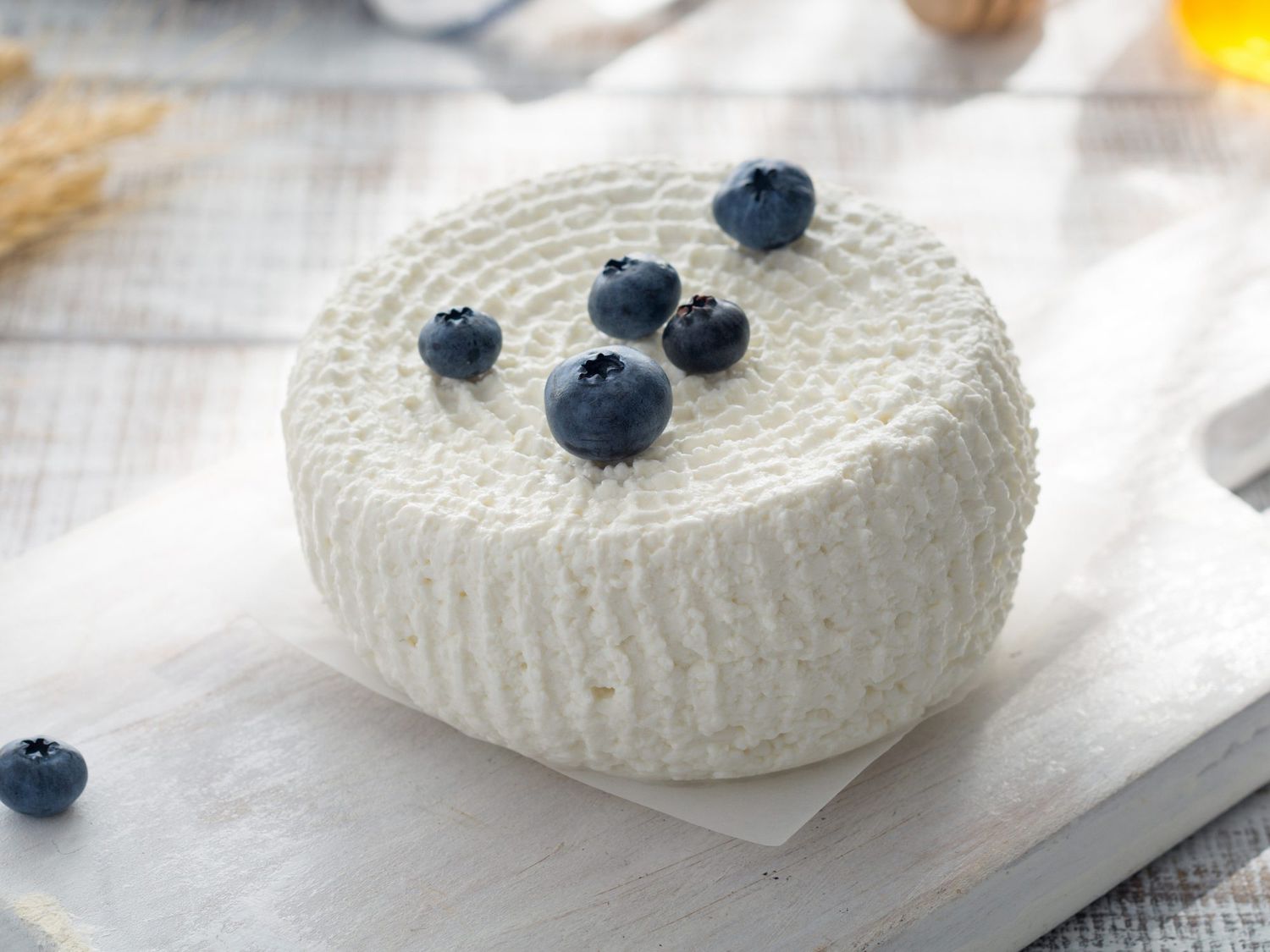
7. Ricotta Cheese
Ricotta is softer and grainier than cream cheese, but it can still work well if you treat it right. Strain it first if it looks wet. Blend it if you want a smoother texture. You can also stir in a little lemon juice, yogurt, or cream to get closer to that cream-cheese balance. Ricotta is especially good in baked dishes, cheesecakes with a lighter texture, and savory fillings where its subtle flavor can shine.
Best for: baked pasta, fillings, lighter cheesecakes, and savory spreads.
What to expect: mild flavor, slightly grainy texture, less dense finish.
8. Cottage Cheese
Cottage cheese has had a major comeback, and frankly, good for it. Once blended until smooth, it becomes surprisingly creamy and useful. It is not as rich as cream cheese, but it can do an admirable job in dips, spreads, sauces, and even some baked goods. Draining excess liquid first helps a lot. If you need more richness, a splash of cream or yogurt can round it out.
Best for: dips, spreads, sauces, and protein-boosted baking experiments.
What to expect: mild tang, lighter body, smoother texture after blending.
9. Silken Tofu
For a dairy-free option, silken tofu is a smart move. Once blended, it becomes smooth and creamy, and it plays well with both sweet and savory flavors. It is not naturally tangy, so it benefits from help: lemon juice, vinegar, salt, garlic, herbs, or a touch of sweetener, depending on the recipe. It is especially useful in vegan cheesecakes, creamy dips, and soft spreads.
Best for: vegan desserts, savory spreads, and blended dips.
What to expect: neutral flavor, smooth texture, needs seasoning support.
10. Dairy-Free or Vegan Cream Cheese
If the goal is to replace cream cheese with something that acts like cream cheese, modern vegan cream cheese is often the easiest answer. Many store-bought versions are designed specifically for spreading, dipping, and sometimes baking. Some are almond-based, some are coconut-based, and some are built from cashews or oats. The flavor and melt can vary by brand, but as a category, this is the most straightforward non-dairy substitute available now.
Best for: bagels, sandwiches, dips, frostings, and some dairy-free baking.
What to expect: familiar format, variable tang, brand-dependent performance.
11. Mild Goat Cheese
Goat cheese is not a perfect dupe, but it can be a delicious one. A soft, mild goat cheese has spreadability and tang, though the flavor is more assertive. That can be wonderful in savory dishes, especially with herbs, smoked salmon, roasted vegetables, or honey. If it feels too intense or too thick, soften it with a little yogurt or cream.
Best for: savory toasts, bagels with toppings, dips, and sandwich spreads.
What to expect: more tang, more personality, slightly less neutral than cream cheese.
12. Hummus
Let us be clear: hummus is not going into cheesecake, and nobody should try to make that happen. But for savory spreads, it is a surprisingly practical substitute. It is creamy, easy to spread, and great with cucumbers, tomatoes, smoked veggies, or turkey sandwiches. It will not mimic cream cheese exactly, but it will rescue lunch with confidence.
Best for: sandwiches, wraps, crackers, and savory bagels.
What to expect: totally different flavor, great texture, zero dessert potential.
13. Quark
Quark is less common in many American grocery stores, but if you can find it, it is a very good option. It is a fresh cheese with a creamy texture and mild tang that lands somewhere between yogurt and soft cheese. Because it is smooth and spoonable, it works nicely in spreads, dessert fillings, and some cheesecake-style recipes. Think of it as the quietly competent substitute that does not need to brag.
Best for: spreads, dessert fillings, and European-style baking.
What to expect: creamy, mild, lightly tangy, very versatile.
14. Homemade Yogurt Cheese
If you have plain yogurt, salt, and a little patience, you can make a DIY stand-in by straining the yogurt until it thickens into a spreadable cheese. This homemade option lands somewhere between Greek yogurt and labneh, depending on how long you strain it. It is simple, budget-friendly, and surprisingly satisfying when you need a substitute that feels intentional rather than desperate.
Best for: spreads, dips, toast, and recipes where tang is welcome.
What to expect: fresh flavor, customizable thickness, very practical fridge magic.
Which Substitute Is Best for Specific Recipes?
If you just want the quick answer, here is the cheat sheet:
- Closest overall substitute: Neufchâtel
- Best for dessert and frosting: Mascarpone
- Best healthier-feeling option: Greek yogurt or blended cottage cheese
- Best for savory spreads: Labneh or mild goat cheese
- Best dairy-free choice: Vegan cream cheese or silken tofu
- Best emergency sandwich fix: Hummus
For cheesecake, stick as close to the real thing as possible, which usually means Neufchâtel or mascarpone. For a bagel, labneh, goat cheese, or vegan cream cheese can be excellent. For dips, Greek yogurt, sour cream, or blended cottage cheese often work beautifully. For frosting, mascarpone is usually the smooth operator of the bunch.
Common Mistakes to Avoid
First, do not ignore moisture. Ricotta, yogurt, and cottage cheese can be wetter than cream cheese, and that extra liquid can throw off both texture and structure. Straining can save the day.
Second, do not forget the tang factor. Mascarpone, tofu, and some vegan cheeses may need a small boost from lemon juice, vinegar, or salt.
Third, do not assume every substitute works in baked desserts. Some are brilliant on a cracker and disastrous in cheesecake. Cold uses are far more forgiving than baked ones.
Finally, taste as you go. Cream cheese brings more than creaminess. It brings balance. When it disappears, something else may need to step up and do the emotional labor.
Kitchen Experiences: What These Swaps Feel Like in Real Life
Anyone who cooks regularly has had a cream cheese emergency. It usually happens at the worst possible time: brunch is in ten minutes, guests are on the way, the bagels are already toasted, and the cream cheese container in the fridge turns out to contain exactly one dramatic swipe left by somebody who clearly feared commitment. That is when substitutes stop being a fun food theory and become a real-life kitchen survival skill.
In cold spreads, the experience is usually all about texture first, flavor second. Neufchâtel is the least stressful swap because it behaves the most like cream cheese right away. You spread it, top it, eat it, and move on with your morning like nothing happened. Labneh is also a crowd-pleaser, especially if you lean into its tangy personality with olive oil, herbs, or smoked salmon. People may notice it is not classic cream cheese, but they tend to notice in a “Wait, this is really good” kind of way.
Mascarpone creates a different experience. It feels luxurious, almost too luxurious, like your humble bagel accidentally got upgraded to business class. In desserts, that richness is gorgeous. In savory uses, though, it can feel a little too mellow unless you wake it up with lemon juice or salt. Greek yogurt and homemade yogurt cheese are practical and surprisingly satisfying, but they remind you quickly that thickness matters. When they are not strained enough, the spread can drift from “silky” into “slightly sad.”
Blended cottage cheese is one of the most satisfying underdog stories in the kitchen. Before blending, it looks like a substitute that will definitely disappoint you. After blending, it becomes smooth, mild, and useful enough to make you feel smug for rescuing the situation with something that was already sitting there the whole time. Ricotta can do the same, though it often needs a little more effort to reach that silky cream-cheese vibe.
Dairy-free substitutes create their own category of experience. A good vegan cream cheese can make the whole problem vanish. A mediocre one can make you miss dairy with Shakespearean intensity. Silken tofu is better when you think of it as a base rather than a finished product. Once seasoned properly, it becomes a calm, creamy blank canvas that works especially well in dips and vegan desserts.
Then there are the bold choices. Goat cheese is delicious, but it announces itself. It does not whisper “I am cream cheese.” It says, “I am goat cheese, and I brought opinions.” That can be fantastic with roasted vegetables, honey, or herbs. Hummus is even more of a pivot. It does not imitate cream cheese at all, but on a savory bagel or sandwich, it absolutely gets the job done. It is less of a substitute and more of a strategic plot twist.
The real lesson from all these kitchen experiments is simple: the best cream cheese substitute is the one that matches the moment. If you need a perfect baking stand-in, stay close to cream cheese. If you just need something creamy, tangy, and delicious enough to save breakfast, you have far more options than you think. Your schmear may be gone, but your dignity does not have to go with it.
Final Thoughts
Running out of cream cheese is annoying, but it is not the end of breakfast, dessert, or civilized living. The best substitute depends on what you are making and how closely you want to mimic the original. Neufchâtel is the safest all-around pick. Mascarpone is a dessert hero. Labneh and Greek yogurt are excellent cultured alternatives. Cottage cheese and ricotta can be impressive with a little prep. And if you are going dairy-free, vegan cream cheese and silken tofu offer genuinely useful options.
So the next time your cream cheese vanishes right before brunch, do not panic. Open the fridge, assess your backup cast, and choose the substitute that fits the scene. With the right swap, your bagel will survive, your dip will still disappear at the party, and your frosting can remain gloriously dramatic.