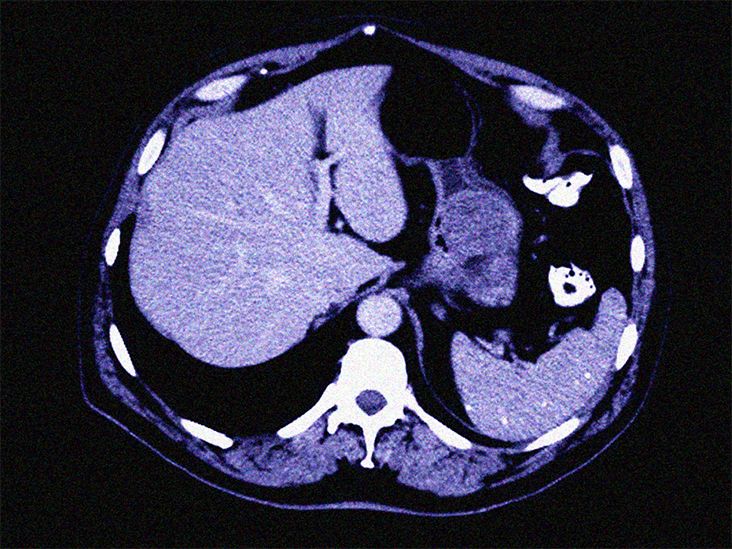

A gastrointestinal stromal tumor, better known as a GIST, is not exactly a household name. It sounds like something a gastroenterologist might whisper dramatically while pointing at a scan. But for people diagnosed with one, GIST becomes very real very quickly. These rare tumors begin in the digestive tract, most often in the stomach or small intestine, and they behave differently from more common stomach, colon, or intestinal cancers.
The good news is that GIST treatment has changed dramatically over the past two decades. Surgery, targeted therapy, genetic testing, and careful follow-up have turned many GIST cases into a highly treatable condition. The not-so-fun news is that symptoms can be sneaky. Some tumors cause obvious warning signs like bleeding or abdominal pain, while others quietly mind their own suspicious business until they are found during imaging or surgery for something else.
This guide explains gastrointestinal stromal tumor symptoms, treatment options, diagnosis, prognosis, and everyday experiences in plain American Englishbecause medical information should not require a decoder ring.
What Is a Gastrointestinal Stromal Tumor?
A gastrointestinal stromal tumor is a type of soft tissue sarcoma that starts in the wall of the digestive system. Most GISTs develop in the stomach or small intestine, but they can also appear in the esophagus, colon, rectum, or other parts of the gastrointestinal tract.
GISTs are believed to begin in or near specialized cells called interstitial cells of Cajal. These cells help coordinate the muscle contractions that move food through the digestive tract. Think of them as tiny traffic controllers for digestion. When certain genes develop changes, especially in the KIT or PDGFRA genes, the cells may grow out of control and form a tumor.
Not every GIST behaves the same way. Some are small and slow-growing. Others are aggressive, large, or more likely to spread. That is why doctors look at several details before recommending treatment, including tumor size, location, mitotic rate, mutation type, and whether the tumor has spread.
Common Symptoms of GIST
GIST symptoms can be vague, which is extremely rude of them. Many early symptoms overlap with ordinary digestive issues such as indigestion, bloating, nausea, or belly discomfort. In some cases, a person has no symptoms at all.
Possible GIST Symptoms Include:
- Abdominal pain or discomfort
- A feeling of fullness after eating only a small amount
- Nausea or vomiting
- Loss of appetite
- Unexplained weight loss
- Fatigue or weakness
- Black, tarry stools
- Vomiting blood or material that looks like coffee grounds
- Anemia caused by slow internal bleeding
- Trouble swallowing if the tumor is near the esophagus
- A noticeable abdominal mass in some larger tumors
Bleeding is one of the more serious signs. A GIST can bleed into the digestive tract, leading to anemia, dark stools, or vomiting blood. Anyone with these symptoms should seek medical care promptly. Your digestive tract is many things, but it is not supposed to produce mystery blood.
What Causes GIST?
For most people, the exact cause of GIST is unknown. The majority are linked to acquired gene mutations, meaning the change happens in cells during a person’s lifetime rather than being inherited from a parent.
The most common mutations involve the KIT gene. Some GISTs involve the PDGFRA gene. Less commonly, tumors may be connected to other genetic pathways, including SDH-deficient GIST, BRAF mutations, or rare inherited syndromes. These details matter because mutation testing can help guide treatment. A drug that works beautifully for one GIST mutation may be less effective for another.
GISTs are most often diagnosed in adults, especially people over 50, although they can occur at younger ages. Pediatric GIST is rare and can behave differently from adult GIST.
How GIST Is Diagnosed
Diagnosing a gastrointestinal stromal tumor usually involves a combination of imaging, endoscopy, biopsy, and lab testing. Doctors do not rely on guesswork, vibes, or the ancient art of “it’s probably fine.” They collect evidence.
Tests Used to Diagnose GIST
- CT scan: Often used to find the tumor, measure its size, and check whether it has spread.
- MRI: Helpful in certain areas, such as the rectum or liver.
- Endoscopy: A thin flexible tube with a camera allows doctors to look inside the digestive tract.
- Endoscopic ultrasound: Combines endoscopy and ultrasound to examine tumors in or near the digestive wall.
- Biopsy: A tissue sample may be taken to confirm the diagnosis.
- Immunohistochemistry: Lab testing checks for markers such as KIT/CD117 and DOG1.
- Molecular testing: Genetic testing identifies mutations that may affect treatment choices.
Biopsy decisions depend on the tumor’s location and whether surgery is already planned. In some cases, doctors may avoid biopsy before surgery to reduce the risk of tumor rupture or spread. This is one reason GIST care is best handled by a team experienced in sarcoma or gastrointestinal oncology.
GIST Treatment Options
Treatment for GIST depends on whether the tumor is small, localized, removable with surgery, high risk for recurrence, metastatic, or resistant to prior therapy. There is no one-size-fits-all treatment plan, which is good because tumors are terrible at following dress codes.
Active Surveillance for Very Small GISTs
Some very small GISTs, especially those found incidentally and causing no symptoms, may not need immediate treatment. Doctors may recommend regular monitoring with endoscopy or imaging. This is often called active surveillance or watchful waiting. The goal is to avoid unnecessary treatment while still catching growth early.
Surgery for Localized GIST
Surgery is the main treatment for many localized gastrointestinal stromal tumors. If the tumor can be removed safely, the surgeon aims to take out the entire tumor without rupturing it. Unlike many other cancers, GISTs do not commonly spread to lymph nodes, so extensive lymph node removal is usually not needed.
Surgical approach depends on tumor size and location. Some tumors can be removed with minimally invasive laparoscopic surgery. Larger or more complex tumors may require open surgery. The exact operation may involve removing part of the stomach, small intestine, colon, or rectum, depending on where the GIST started.
Targeted Therapy for GIST
Targeted therapy is one of the biggest reasons GIST outcomes have improved. These drugs are usually tyrosine kinase inhibitors, or TKIs. Instead of attacking all rapidly dividing cells like traditional chemotherapy, TKIs target specific signals that help GIST cells grow.
Imatinib is commonly used as first-line therapy for many advanced, metastatic, unresectable, or high-risk GISTs. It may also be given after surgery as adjuvant therapy to lower the risk of recurrence in people with higher-risk tumors.
If a tumor cannot be removed right away, imatinib may be used before surgery to shrink it. This is called neoadjuvant therapy. Shrinking the tumor can sometimes make surgery easier, safer, or less extensive.
Other targeted therapies may be used if GIST grows despite imatinib or if side effects become difficult. These can include sunitinib, regorafenib, and ripretinib. Avapritinib may be used for unresectable or metastatic GIST with certain PDGFRA exon 18 mutations, including D842V.
Why Mutation Testing Matters
Mutation testing is not a decorative extra; it can change the treatment roadmap. For example, some KIT mutations respond well to imatinib, while certain PDGFRA mutations may not respond as well. Knowing the mutation helps doctors choose the most effective therapy and avoid wasting time on a treatment unlikely to work.
Chemotherapy and Radiation
Traditional chemotherapy usually has limited benefit for GIST. Radiation therapy is also not commonly used as a main treatment, though it may help in selected situations, such as controlling pain or bleeding. For most patients, the central tools are surgery, targeted therapy, surveillance, and clinical trials when appropriate.
GIST Outlook and Survival Rates
The outlook for GIST varies widely. Some people are cured with surgery. Others live for many years with targeted therapy, even when the disease is advanced. Prognosis depends on several factors, including:
- Tumor size
- Tumor location
- Mitotic rate, or how quickly the cells are dividing
- Whether the tumor ruptured
- Whether it has spread to the liver, peritoneum, or other areas
- Mutation type
- Response to targeted therapy
- Whether the tumor can be completely removed
According to recent U.S. survival data, the 5-year relative survival rate for localized GIST is high, while regional and distant disease have lower but still meaningful survival rates. These numbers are helpful for population-level perspective, but they do not predict one person’s future with perfect accuracy. Your biology did not sign a contract with a spreadsheet.
It is also important to remember that survival statistics often reflect people diagnosed years ago. Treatments continue to improve, and newer targeted therapies may offer better options for people diagnosed today.
Follow-Up After GIST Treatment
Follow-up is a major part of GIST care because these tumors can come back, even after successful surgery. The schedule depends on risk level. A person with a very small, low-risk stomach GIST may need less frequent imaging than someone with a large, high-risk small intestine GIST.
Follow-up may include CT scans, physical exams, blood tests, medication reviews, and discussions about symptoms. People taking targeted therapy also need monitoring for side effects such as nausea, diarrhea, swelling, fatigue, muscle cramps, skin changes, high blood pressure, liver enzyme changes, or thyroid problems, depending on the drug.
Living With GIST: Practical Tips
Build the Right Care Team
Because GIST is rare, experience matters. Patients often benefit from care at or consultation with a cancer center familiar with sarcoma and GIST treatment. A strong team may include a surgical oncologist, medical oncologist, gastroenterologist, radiologist, pathologist, oncology nurse, dietitian, and mental health professional.
Ask About Your Mutation Report
Patients should ask whether their tumor has been tested for KIT, PDGFRA, SDH, BRAF, NTRK, or other relevant markers. The report may look like alphabet soup wearing a lab coat, but it can influence treatment choices.
Track Symptoms and Side Effects
A simple notebook or phone note can be surprisingly powerful. Track pain, appetite, bowel changes, bleeding, medication timing, fatigue, swelling, and side effects. Bring that information to appointments. Doctors love data almost as much as they love saying “multidisciplinary.”
Support Nutrition
Some people with GIST experience early fullness, weight loss, nausea, or changes after surgery. Smaller meals, softer foods, adequate protein, hydration, and guidance from a registered dietitian can help. After stomach or intestinal surgery, nutrition needs may change, so professional guidance is worth it.
When to Call a Doctor
Seek medical attention if you notice black stools, vomiting blood, severe abdominal pain, unexplained weight loss, worsening fatigue, persistent nausea, trouble swallowing, or new symptoms while taking targeted therapy. These signs do not always mean cancer, but they deserve evaluation.
Real-World Experiences With GIST: What Patients Often Notice
Living with gastrointestinal stromal tumor is not only about scans, pills, surgical reports, and lab values. It is also about the strange emotional weather that comes with having a rare diagnosis. Many people first hear the word “GIST” after a CT scan for something completely different. One person may go to the emergency room for belly pain and discover a bleeding stomach tumor. Another may have imaging for kidney stones, back pain, or an unrelated concern and suddenly learn there is a mass in the digestive tract. That kind of surprise can feel like the medical equivalent of opening the fridge and finding a raccoon wearing your bathrobe.
Patients often describe the early stage as confusing. GIST is rare, and not every friend or family member has heard of it. Some people assume it is the same as stomach cancer or colon cancer, while others minimize it because the patient “looks fine.” This can be frustrating. A person may be dealing with fatigue, anemia, uncertainty, treatment decisions, and fear of recurrence while still appearing completely normal at the grocery store. Invisible stress is still stress.
Another common experience is learning a new medical vocabulary very quickly. Terms like KIT mutation, PDGFRA, mitotic rate, adjuvant imatinib, margins, surveillance scan, and progression-free survival may enter daily life. At first, it can feel overwhelming. Over time, many patients become highly informed advocates for themselves. They learn to ask direct questions: What is my mutation? Is my tumor low, intermediate, or high risk? Do I need targeted therapy? How often will I need scans? What side effects should I report immediately?
People taking targeted therapy may also have a “new normal.” Imatinib and other TKIs can be very effective, but they may bring side effects such as swelling around the eyes, nausea, diarrhea, fatigue, muscle cramps, or skin changes. Some patients feel mostly fine; others have to adjust routines around medication timing, meals, hydration, and rest. The experience is highly individual. A helpful strategy is to report side effects early instead of trying to win a toughness contest nobody asked for. Dose adjustments, supportive medications, and lifestyle changes can make treatment more manageable.
The scan cycle can be emotionally intense. Many patients use the word “scanxiety” to describe the stress before follow-up imaging. A person may feel calm for months, then suddenly become nervous as the CT appointment approaches. This reaction is common and understandable. Planning something comforting after a scan, bringing a support person, practicing breathing exercises, or scheduling follow-up results quickly may help reduce the emotional load.
Family and caregivers have their own experience too. They may want to help but not know whether to ask questions, cook meals, drive to appointments, or simply sit quietly. Clear communication helps. Instead of saying, “Let me know if you need anything,” loved ones can offer specific support: “I can drive you Thursday,” “I can take notes during the appointment,” or “I can bring soup that does not taste like hospital wallpaper.”
Many people with GIST live full, active lives during and after treatment. Some continue working, traveling, exercising, parenting, gardening, dating, and doing all the ordinary human things that cancer rudely interrupts. The key is individualized care, reliable information, consistent follow-up, and emotional support. GIST may be rare, but no one has to navigate it alone.
Conclusion
Gastrointestinal stromal tumor is a rare digestive tract tumor with a wide range of symptoms, treatment paths, and outcomes. Some GISTs are small and discovered by accident. Others cause bleeding, pain, anemia, or weight loss. Diagnosis usually involves imaging, endoscopy, biopsy, and molecular testing. Treatment may include surgery, targeted therapy, active surveillance, or clinical trials.
The most important takeaway is that GIST is not treated like ordinary gastrointestinal cancer. Mutation testing, targeted drugs, and expert follow-up play a major role. With modern treatment, many people have a far better outlook than patients did in the past. If you or someone you love has been diagnosed with GIST, ask questions, keep records, seek experienced care, and remember: a rare diagnosis is not the same thing as a hopeless one.