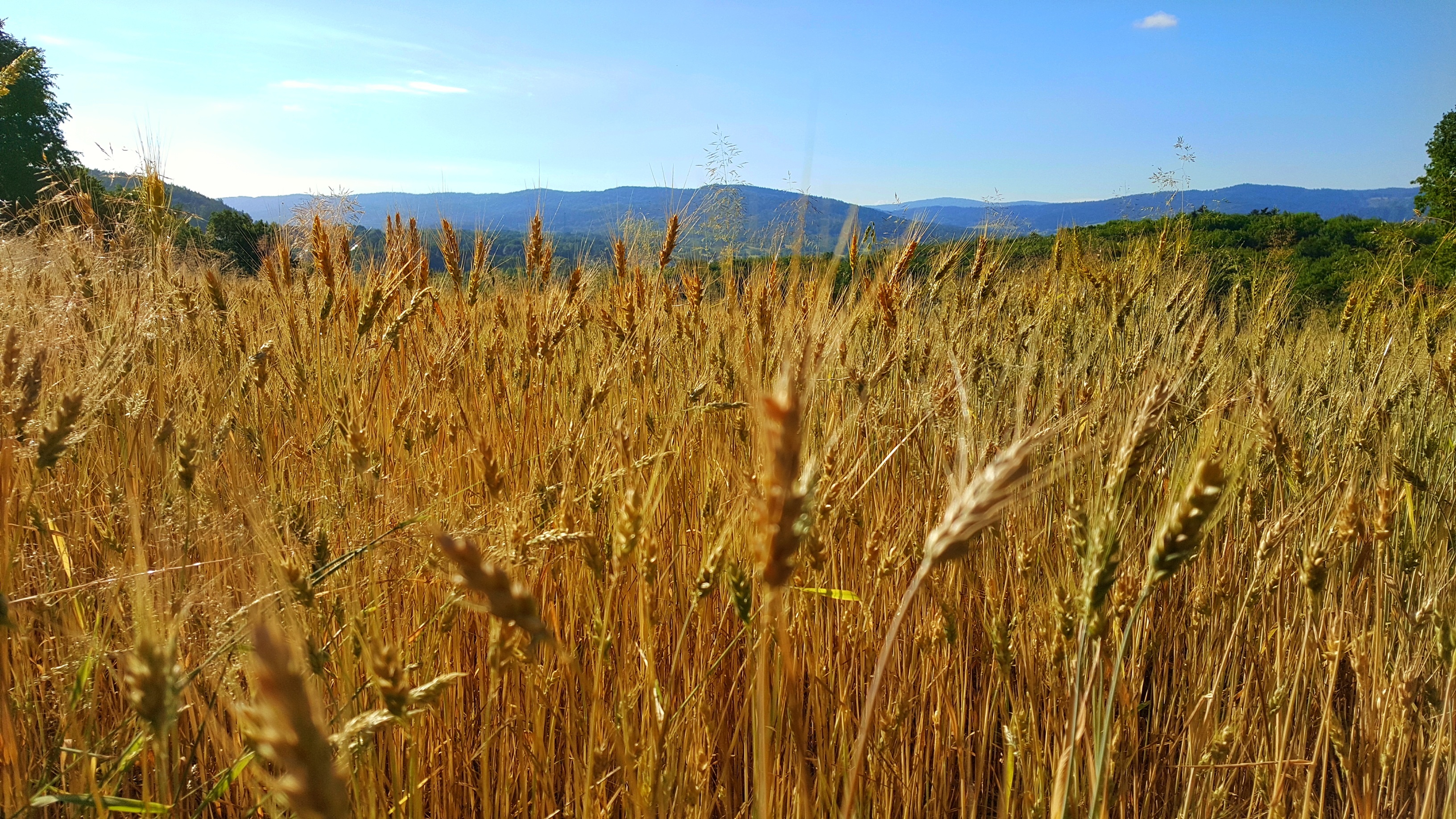

Poland is often introduced through its castles, pierogi, amber jewelry, and cities that look as if history carefully folded them into cobblestone. Lovely, yes. But stop there and you miss the country’s wilder personality: mountains that rise like stone theater curtains, forests old enough to make your houseplants feel insecure, lakes scattered like spilled blue glass, and Baltic dunes that literally move when the wind gets bossy.
Nature from Poland is not one single postcard. It is a whole drawer full of them. In the south, the Tatra Mountains bring alpine drama. In the east, Białowieża Forest shelters European bison and ancient trees. In the northeast, Masuria offers a sailor’s daydream of lakes and forests. In the north, the Baltic coast stretches out with beaches, cliffs, dunes, and salty air. Between all that, wetlands, river valleys, meadows, and quiet villages create a landscape that feels both deeply European and refreshingly untamed.
This guide explores Poland’s natural beauty in depth: where to go, what makes each region special, why its protected areas matter, and how travelers can experience Polish nature without treating it like a theme park with better moss.
Why Polish Nature Deserves More Attention
Poland sits in Central Europe, but geographically it behaves like a country that could not choose just one personality. Its landscape moves from Baltic beaches in the north to broad lowlands in the center, uplands and river valleys farther south, and mountain chains along the southern border. This mix gives Poland an impressive range of ecosystems within a relatively compact area.
For travelers, that means variety without needing to cross half a continent. You can hike mountain trails near Zakopane, paddle a river through forested lowlands, watch birds in marshes, walk among primeval oaks, and end the trip on a sandy beach wondering why nobody told you Poland had a seaside mood.
Poland also protects its natural heritage seriously. The country has 23 national parks, each preserving landscapes considered valuable for science, education, culture, recreation, and biodiversity. These parks are not decorative green stickers on a map. They protect peat bogs, alpine zones, coastal dunes, river gorges, ancient woodland, and habitats for rare or iconic wildlife.
The Tatra Mountains: Poland’s Alpine Show-Off
If Poland’s landscapes had a dramatic lead actor, the Tatra Mountains would arrive wearing a cape. Located in southern Poland along the border with Slovakia, the Tatras are the highest part of the Carpathian range in Poland. They are protected by Tatra National Park, one of the country’s most famous natural destinations.
The Tatras offer sharp peaks, glacial lakes, rocky ridges, spruce forests, alpine meadows, and trails that range from peaceful strolls to serious mountain adventures. Morskie Oko, a famous lake surrounded by steep slopes, is one of Poland’s most photographed natural places. It is beautiful enough to make even a tired hiker suddenly become poetic, or at least stop complaining about their calves.
What Makes the Tatras Special?
The Tatras are valuable because they contain distinct altitude zones, from lower forests to dwarf pine, alpine grasslands, and rocky high-mountain areas. This creates habitat for species adapted to mountain life, including chamois, marmots, and birds of prey. The region is also part of a transboundary natural environment shared with Slovakia, making conservation cooperation especially important.
Zakopane, the mountain town at the foot of the Tatras, is the main gateway. It can be busy, especially in peak travel seasons, but the mountains reward early starts and patient planning. Go for the scenery, stay for the fresh air, and prepare for the possibility that every second person on the trail has better hiking boots than you.
Białowieża Forest: Europe’s Ancient Woodland Time Machine
Białowieża Forest is one of the most extraordinary natural areas in Europe. Straddling the border between Poland and Belarus, it is widely known as one of the last and largest remaining fragments of the primeval lowland forest that once covered much of the European Plain. The Polish section includes Białowieża National Park, a UNESCO World Heritage natural property.
The forest is famous for its ancient trees, deadwood ecosystems, rich biodiversity, and European bison. These bison are the largest land mammals in Europe, and seeing one in or near the forest is like meeting a shaggy, horned reminder that nature was here long before our hotel booking apps.
Why Białowieża Matters
Białowieża is not just “a pretty forest.” It is a living laboratory of natural forest processes. Fallen trees are not automatically removed. Deadwood feeds insects, fungi, birds, and countless organisms that keep the ecosystem cycling. Old-growth forests like this are rare, which is why Białowieża carries such global conservation value.
Visitors can explore accessible trails, guided routes, and educational areas, while the strictest protected zones require official guidance. That rule is not there to ruin anyone’s spontaneous woodland fantasy. It helps preserve a fragile habitat that has survived centuries of pressure and still needs careful protection.
Biebrza National Park: Wetlands, Birds, and Beautiful Mud
Biebrza National Park in northeastern Poland is the largest national park in the country. It protects the Biebrza River valley, vast peat bogs, marshes, wet meadows, and one of Europe’s most important wetland ecosystems. If the Tatras are dramatic and Białowieża is ancient, Biebrza is subtle, mysterious, and extremely good at hiding water where your shoes least expect it.
The park is especially loved by birdwatchers. Spring floods create feeding and nesting areas for many wetland birds. Cranes, ruffs, eagles, and other species can be observed in the broader region, making it one of Poland’s great places for patient travelers with binoculars and a heroic tolerance for mosquitoes.
Wildlife in the Biebrza Valley
Biebrza’s wetlands support mammals such as elk, beavers, otters, wolves, and lynx. The landscape is not manicured; it is wide, damp, and wonderfully alive. Boardwalks, observation towers, canoe routes, and nature trails allow visitors to experience the marshes without marching straight into a private meeting with a bog.
This is a perfect destination for slow travel. You do not rush Biebrza. You watch it. You listen to it. You let the reeds move, the birds call, and the horizon stretch until your phone notifications feel frankly embarrassing.
Masurian Lake District: Poland’s Blue-and-Green Escape
The Masurian Lake District in northeastern Poland is one of the country’s most beloved outdoor regions. Known for more than 2,000 lakes, forests, rivers, canals, and rolling countryside, Masuria is a paradise for sailing, kayaking, cycling, fishing, swimming, and doing absolutely nothing beside the water with great seriousness.
Major lakes such as Śniardwy and Mamry form part of a larger network of waterways. Towns like Giżycko and Mikołajki serve as popular bases for boat trips and summer vacations. Yet even in a well-known destination, it is possible to find quiet corners where the loudest thing around is a duck with opinions.
Best Ways to Experience Masuria
Sailing is the classic Masurian experience, but kayaking can be even more intimate. Rivers and smaller channels pass through forests and villages, creating a slower connection with the landscape. Cyclists also find scenic routes through farmland, woodland, and lakeside paths. In summer, the region becomes lively, while spring and early fall offer calmer travel and softer light.
Masuria is ideal for families, couples, photographers, and anyone who believes a good vacation should include at least one sunset reflected in water. Bonus points if there is a small wooden pier involved.
Słowiński National Park: The Baltic Dunes That Refuse to Sit Still
On Poland’s northern coast, Słowiński National Park protects one of the most unusual landscapes in the country: moving sand dunes beside the Baltic Sea. These dunes can shift several meters per year under the force of wind. Some rise up to around 40 meters, creating a desert-like scene near beaches, lakes, forests, and coastal wetlands.
The park includes important lakes such as Łebsko and Gardno, along with dunes, forests, peat bogs, and marine-influenced habitats. The result feels almost unreal: one moment you are walking through pine forest, and the next you are staring at a rolling sandscape that looks as if a tiny Sahara wandered north and got comfortable.
Why the Moving Dunes Are So Fascinating
The dunes show nature in motion. Wind lifts and pushes sand inland, covering vegetation and later revealing old tree stumps after the dunes pass. It is a visible lesson in coastal change, erosion, succession, and the power of patient natural forces.
Visitors often base themselves in Łeba, a popular seaside town near the park. Walking and cycling routes provide access to the dunes and viewpoints. The best advice is simple: bring water, protect yourself from sun and wind, and accept that sand will somehow appear in your shoes, bag, hair, and possibly your deepest philosophical beliefs.
Bieszczady National Park: Wild Beauty in the Southeast
Bieszczady National Park lies in southeastern Poland, in the Eastern Carpathians near the borders with Slovakia and Ukraine. It is one of the country’s wildest-feeling mountain regions, known for beech forests, open mountain meadows called połoniny, quiet trails, and large mammals such as bears, wolves, lynx, and European bison.
The Bieszczady Mountains do not shout like the Tatras. They murmur. Their charm is in long ridges, autumn colors, misty mornings, and a sense of distance from the busy world. For travelers who enjoy silence, wildlife, and landscapes with a slightly melancholy poetry, Bieszczady is unforgettable.
Hiking the Połoniny
The open ridges of Połonina Wetlińska and Połonina Caryńska are among the best-known hikes. These trails offer sweeping views over forests and valleys, especially in late summer and fall. The landscape feels spacious, almost cinematic. You half expect a soundtrack to begin, though in reality it will probably be wind and someone opening a snack wrapper.
Bieszczady is also a region where human history and nature overlap. Former villages, abandoned clearings, old cemeteries, and traces of past settlement have become part of the modern wilderness. Nature here is not empty; it is layered.
Karkonosze and the Sudetes: Waterfalls, Rocks, and Mountain Weather With Attitude
In southwestern Poland, the Karkonosze Mountains form the highest range of the Sudetes. Karkonosze National Park protects the Polish side, including Śnieżka, the highest peak in the range. The area is known for rocky formations, waterfalls, alpine-like vegetation zones, peat bogs, and weather that can change quickly enough to make your jacket feel like a wise investment.
Popular bases include Karpacz and Szklarska Poręba. Trails lead to viewpoints, mountain huts, waterfalls, and ridgelines. The Karkonosze are sometimes described as having a northern or almost Scandinavian character in places, especially where exposed plateaus and hardy vegetation meet cold winds.
Why Visit the Karkonosze?
The Karkonosze are excellent for travelers who want mountain scenery but prefer a different mood from the Tatras. The trails can be accessible yet dramatic, and the region combines outdoor adventure with spa towns, historic architecture, and cross-border routes into the Czech Republic.
Pieniny National Park and the Dunajec River Gorge
Pieniny National Park may be small compared with some Polish parks, but it has a big personality. Its most famous attraction is the Dunajec River Gorge, where limestone cliffs, forested slopes, and winding water create one of the most scenic river landscapes in Poland.
Traditional raft trips on the Dunajec are a classic experience, offering views of rocky peaks and steep walls from the river itself. The Trzy Korony massif is another highlight, drawing hikers to panoramic viewpoints over the Pieniny Mountains and surrounding countryside.
Pieniny is proof that nature does not need to be enormous to be memorable. Sometimes a compact river gorge with excellent lighting and a flair for drama is more than enough.
The Baltic Coast: Beaches, Cliffs, Forests, and Sea Air
Poland’s Baltic coast stretches across the north, offering sandy beaches, resort towns, fishing villages, dunes, cliffs, and coastal forests. The coast around Gdańsk, Sopot, and Gdynia is the best known, but quieter areas can be found along the Hel Peninsula, around Łeba, and near Wolin National Park.
Wolin National Park protects cliffs, beech forests, lakes, and coastal habitats on Wolin Island. The park is also associated with European bison conservation, giving visitors another chance to connect with Poland’s most iconic wild animal.
The Baltic is not the Mediterranean, and that is exactly the point. Its mood is cooler, breezier, and more reflective. The beaches are wide, the light is soft, and the sea has a calm northern charm. It is the kind of place where walking with a jacket feels less like poor planning and more like a lifestyle choice.
Rivers, Valleys, and Everyday Polish Landscapes
Not all of Poland’s natural beauty lives inside famous parks. The Vistula, Oder, Narew, Bug, San, and Dunajec rivers shape landscapes across the country. River valleys support birds, forests, meadows, farmland, and historic towns. They also create excellent routes for cycling, kayaking, and slow travel.
Polish countryside often surprises visitors with its gentle beauty. Apple orchards, fields of grain, wildflower meadows, roadside shrines, stork nests, and village gardens form a quieter version of nature from Poland. It is not always dramatic, but it is deeply atmospheric.
White storks are especially associated with rural Poland, nesting on rooftops, chimneys, and poles. For many travelers, seeing a stork standing like a tall, judgmental landlord above a village road becomes one of those small memories that sticks.
Best Seasons to Explore Nature From Poland
Spring
Spring is excellent for wetlands, birdwatching, fresh greenery, and fewer crowds. Biebrza is especially fascinating during spring flooding, while forests come alive with flowers and birdsong.
Summer
Summer is ideal for lakes, Baltic beaches, kayaking, mountain hiking, and family travel. Popular places such as the Tatras and Masuria can be busy, so early starts and advance planning help.
Fall
Fall may be Poland’s most underrated nature season. Bieszczady’s beech forests turn red and gold, mountain trails become quieter, and the air feels crisp without becoming harsh.
Winter
Winter transforms the mountains into snowy landscapes for skiing, snowshoeing, and photography. The Tatras and Karkonosze are especially popular, though travelers should respect weather warnings and trail conditions.
Responsible Travel in Polish Nature
Poland’s natural places are beautiful because they are protected, and protection only works when visitors cooperate. Stay on marked trails, do not disturb wildlife, avoid picking plants in protected areas, keep dogs leashed where required, and carry out your trash. In sensitive parks, follow local rules even if they seem strict. Nature is not being dramatic; it is simply fragile.
Travelers should also remember that wild animals are not background props for social media. European bison, bears, wolves, and elk deserve distance and respect. If your photo requires you to bother an animal, congratulations, you have invented a bad idea.
of Personal-Style Experiences Related to Nature From Poland
Experiencing nature from Poland is less about checking off landmarks and more about letting each landscape change your pace. Imagine arriving in the Tatras early in the morning, when Zakopane is still rubbing sleep from its eyes and the mountain air feels cold enough to sharpen your thoughts. The trail begins in forest, where boots crunch softly and the scent of spruce follows you like a polite guide. Then the trees open, peaks appear, and suddenly the world feels larger than your inbox, your errands, and whatever drama your group chat has been manufacturing.
Later, in Białowieża Forest, the experience becomes quieter. This is not a place that performs for you. It stands there, ancient and calm, letting you notice details slowly: moss on fallen trunks, fungi shaped like tiny shelves, birds moving in the canopy, and trees so old they seem to have stopped caring about human schedules. A guided walk through the strict reserve can feel almost ceremonial. People lower their voices without being told. Even the most enthusiastic talker seems to understand that the forest has the floor.
In Biebrza, the mood changes again. The horizon widens, the ground softens, and the air fills with wings. Birdwatching there teaches patience in the most practical way. At first, you may see only reeds and sky. Then movement begins: a crane calling, a raptor circling, ducks lifting from the water, elk tracks near a muddy path. The wetland does not reveal itself all at once. It rewards stillness, which is inconvenient if your usual travel speed is “panic with a backpack.”
Masuria brings the kind of calm that feels almost suspicious. A lake at sunset can turn perfectly reflective, doubling the trees and clouds until you are not sure which side of the world is real. Kayaking there is one of the simplest pleasures: paddle, glide, pause, repeat. Villages appear quietly along the shore. Reeds brush the boat. Somewhere nearby, someone is probably grilling dinner, and suddenly civilization seems acceptable again.
On the Baltic coast, especially near Słowiński National Park, the landscape becomes playful. Walking across the dunes feels like entering a natural optical illusion. Sand rises where forest should be, the sea flashes in the distance, and the wind edits the scenery every day. It is beautiful, strange, and slightly rude to your shoes. Yet that is part of the charm. Polish nature is not polished into one predictable image. It is mountain, marsh, forest, lake, coast, and countryside. It is dramatic when it wants to be, peaceful when it feels like it, and always more interesting than the stereotype.
Conclusion: Poland’s Nature Is a Quiet Giant
Nature from Poland deserves a bigger place in Europe’s travel imagination. The country offers rare old-growth forests, high mountain trails, vast wetlands, lake districts, coastal dunes, river gorges, and wildlife-rich parks. It is a destination for hikers, birdwatchers, sailors, photographers, families, and slow travelers who want landscapes with depth rather than just scenery with a gift shop.
The best thing about Polish nature is its range. You can feel humbled by the Tatras, hushed by Białowieża, refreshed by Masuria, surprised by Słowiński dunes, and moved by the wild quiet of Bieszczady. Each region tells a different story, yet together they reveal a country where nature is not an afterthought. It is part of the national character: resilient, varied, beautiful, and occasionally full of sand.
Note: This article is based on real geographic, ecological, and travel information from reputable tourism, conservation, and reference sources. It is written as original web-ready content in standard American English.