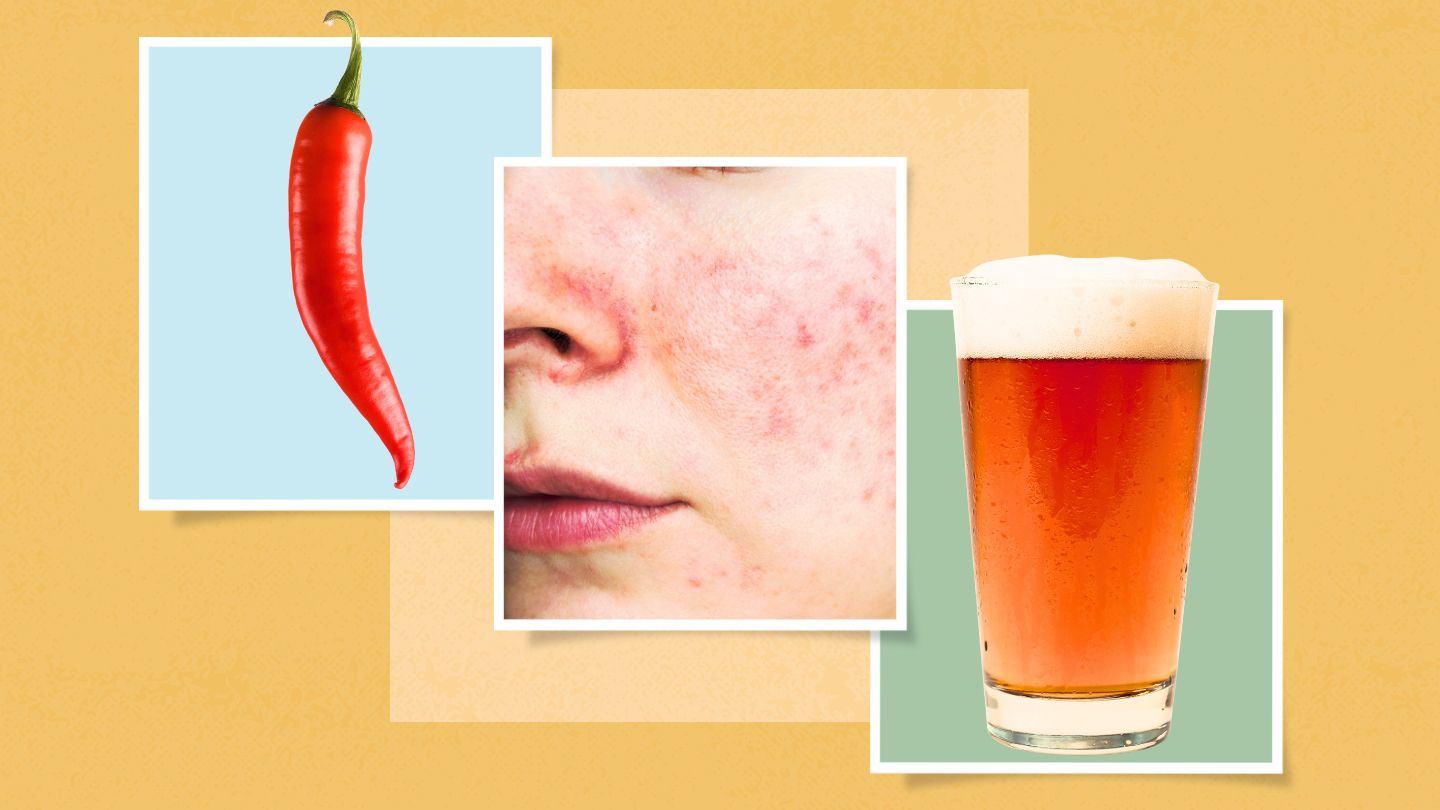

Rosacea has a dramatic flair for bad timing. It may stay calm for days, then suddenly show up right before a meeting, a date, a family photo, or the exact moment you thought, “My skin is finally behaving.” If you live with facial flushing, redness, bumps, visible blood vessels, burning, stinging, or eye irritation, you already know rosacea is not just “a little redness.” It is a chronic inflammatory skin condition that can be managed, but it often requires detective work.
The tricky part is that rosacea triggers are personal. One person may flare after a glass of red wine, while another can sip it peacefully but turns tomato-red after five minutes in the sun. The good news is that the most common rosacea triggers follow recognizable patterns. Once you know what tends to set off your skin, you can build a routine that protects your face without turning your life into a joyless spreadsheet of forbidden pleasures.
This guide breaks down the 10 top rosacea triggers and how to tame them with practical, dermatologist-informed strategies. Think of it as a peace treaty between your skin and the outside world.
What Is Rosacea, Really?
Rosacea is a common, long-term skin condition that usually affects the central face: cheeks, nose, chin, and forehead. It may cause persistent redness, flushing, acne-like bumps, visible tiny blood vessels, skin sensitivity, thickened skin, or eye symptoms such as dryness, burning, redness, or gritty irritation. It can appear differently across skin tones. On deeper skin, redness may be harder to see, so warmth, swelling, stinging, discoloration, bumps, or eye irritation may be more noticeable clues.
There is no single known cause of rosacea. Research points to a mix of immune system activity, blood vessel reactivity, genetics, skin barrier sensitivity, microbes, and environmental triggers. In everyday language: rosacea-prone skin can be reactive, and certain conditions press the “flare” button.
The goal is not to live in fear of every coffee cup, sunny sidewalk, or spicy taco. The goal is to identify your personal triggers, reduce the avoidable ones, and support your skin barrier so your face stops filing dramatic complaints every afternoon.
1. Sun Exposure
Sun exposure is one of the most commonly reported rosacea triggers. For some people, even a short walk outside can lead to flushing, warmth, stinging, or a flare later in the day. Ultraviolet radiation can aggravate inflammation and visible redness, especially when the skin barrier is already sensitive.
How to tame it
Use a broad-spectrum sunscreen every morning, even when the sky looks like a gray office carpet. Choose SPF 30 or higher, and look for formulas designed for sensitive skin. Mineral sunscreens with zinc oxide, titanium dioxide, or both are often better tolerated by rosacea-prone skin. If mineral sunscreen leaves a pale cast, try a tinted version.
Physical protection matters too. A wide-brimmed hat, sunglasses, shade, and avoiding peak midday sun can make a real difference. Reapply sunscreen if you sweat, swim, or spend extended time outdoors. Your sunscreen should be less like a special-occasion outfit and more like brushing your teeth: boring, daily, and surprisingly powerful.
2. Emotional Stress
Stress is not “just in your head” when it comes to rosacea. Emotional stress can affect nerves, blood vessels, inflammation, sleep, and habits. A stressful deadline may lead to flushing, and the flushing itself can create more stress. It becomes a skincare hamster wheel, except the hamster is red and annoyed.
How to tame it
You do not need to become a full-time monk with a crystal bowl. Start with realistic stress tools: slow breathing, short walks, stretching, journaling, music, or a few quiet minutes away from screens. During a stressful moment, try breathing in slowly, pausing briefly, then exhaling longer than you inhaled. This can help calm the body’s stress response.
Also notice stress habits that quietly worsen rosacea: rubbing your face, skipping moisturizer, drinking more alcohol, eating fast spicy meals, or staying up late. Managing stress is not only about feeling calmer; it is about protecting your skin from the chain reaction that stress can start.
3. Hot Weather and Overheating
Heat is a classic rosacea trigger because it encourages blood vessels to widen. Hot weather, humid rooms, saunas, steam rooms, crowded spaces, and even standing over a boiling pot can turn mild redness into a full facial announcement.
How to tame it
Keep your skin and body cool. Wear breathable fabrics, use a fan, seek shade, and avoid long exposure to hot environments. In summer, plan outdoor errands earlier in the morning or later in the evening. If cooking heat bothers your skin, use lids, step back from steam, open a window, or choose lower-heat cooking methods when possible.
A cool compress can help calm warmth, but avoid ice directly on the skin. Extreme cold can irritate too. Rosacea prefers moderation, because apparently your face has the temperament of a tiny luxury thermostat.
4. Cold Weather, Wind, and Indoor Heat
Winter can be surprisingly rough on rosacea. Cold air, harsh wind, and dry indoor heating can weaken the skin barrier, increase dryness, and trigger stinging or flushing. For some people, moving from freezing outdoor air into a heated room causes a sudden flush.
How to tame it
Protect your face before going outside. Use a gentle moisturizer, apply sunscreen, and cover exposed skin with a soft scarf when wind is intense. Choose fabrics that feel smooth rather than scratchy. Indoors, consider a humidifier if the air is very dry, especially while sleeping.
Keep cleansing gentle during colder months. Avoid hot water, scrubs, rough washcloths, and harsh soaps. When your skin is already irritated by weather, aggressive skincare is like sending a marching band into a library.
5. Spicy Foods
Spicy foods are a well-known rosacea trigger. Hot peppers contain capsaicin, a compound that can create warmth and flushing. For some people, chili, hot sauce, curry, salsa, or pepper-heavy dishes lead to a flare within minutes or hours.
How to tame it
You do not have to declare war on flavor. Try lowering the heat level instead of eliminating entire cuisines. Choose mild salsa, skip extra chili oil, ask for sauces on the side, and experiment with flavor from herbs, garlic, ginger, citrus, basil, oregano, cumin, or smoked paprika instead of intense heat.
Keep a food and flare diary for a few weeks. Write down what you ate, how spicy it was, and what happened to your skin. If only certain spicy foods trigger you, you may be able to keep the others. This is detective work, not punishment.
6. Alcohol, Especially Red Wine
Alcohol can trigger flushing because it affects blood vessels and inflammation. Red wine is commonly reported as a problem, but beer, champagne, spirits, and cocktails can bother some people too. The response varies widely. One person may flare after half a glass; another may notice no change at all.
How to tame it
Track patterns before making assumptions. If alcohol triggers your rosacea, reduce the amount, drink slowly, alternate with water, avoid drinking in hot environments, and notice whether specific types are worse. Red wine may be a bigger trigger for some people than clear spirits or lower-alcohol drinks, but your skin gets the final vote.
If you choose not to drink, sparkling water with lime, iced herbal tea, or a mocktail can keep the social ritual without inviting your cheeks to throw a parade. If alcohol causes severe flushing, swelling, or other concerning symptoms, speak with a healthcare professional.
7. Hot Drinks
For many people, the issue with coffee or tea is not always caffeine; it may be temperature. Hot beverages warm the body and can trigger flushing. This includes coffee, tea, hot chocolate, hot cider, and even soup served at lava-adjacent temperatures.
How to tame it
Let drinks cool before sipping. Try warm instead of steaming hot. Iced coffee or iced tea may be better tolerated if caffeine itself is not your personal trigger. Use an insulated cup that keeps drinks pleasant but not scorching, and avoid holding a hot mug close to your face for long periods.
If you suspect caffeine matters, test it carefully. Compare hot caffeinated coffee, iced caffeinated coffee, hot decaf, and warm herbal tea on different days. The goal is to learn whether heat, caffeine, dairy, sugar, or another ingredient is the real troublemaker.
8. Strenuous Exercise
Exercise is good for your body, mood, heart, and sleep. Unfortunately, strenuous workouts can also increase body heat and trigger rosacea flushing. This does not mean you should stop moving. It means your workout may need a rosacea-friendly makeover.
How to tame it
Choose cooler environments, shorter sessions, and moderate intensity. Walking, cycling indoors with a fan, swimming in a comfortable pool, yoga, Pilates, or strength training with rest breaks may be easier on rosacea-prone skin than high-heat, high-intensity workouts.
Hydrate, wear breathable clothing, avoid peak outdoor heat, and cool down gradually. A fan, cool towel, or air-conditioned room can help. If you love intense exercise, try intervals with recovery periods instead of pushing continuously until your face feels like it has entered a chili-eating contest.
9. Skin Care Products and Cosmetics
Rosacea-prone skin can be extremely sensitive. Products containing fragrance, alcohol, astringents, harsh exfoliating acids, gritty scrubs, menthol, camphor, sodium lauryl sulfate, or strong anti-aging ingredients may cause burning, stinging, or redness. Even products labeled “natural” can irritate, because poison ivy is natural too, and nobody invites it to brunch.
How to tame it
Build a simple routine: gentle cleanser, moisturizer, sunscreen, and any prescribed treatment from your dermatologist. Look for fragrance-free, non-comedogenic products made for sensitive skin. “Fragrance-free” is better than “unscented,” because unscented products may still contain masking fragrance.
Patch test new products before applying them all over your face. Try a small amount near the jawline or on the side of the face for several days. Add only one new product at a time so you know what caused a reaction. Avoid scrubbing, cleansing brushes, and rough towels. Use fingertips, lukewarm water, and a gentle pat dry.
10. Medications, Topical Steroids, and Medical Factors
Some medications and medical factors may worsen rosacea-like redness or flushing. Vasodilators, which widen blood vessels, can contribute to flushing in some people. Long-term or improper use of topical steroids on the face may also cause rosacea-like symptoms or aggravate existing rosacea. Hormonal changes, illness, and certain medical conditions can also influence flares.
How to tame it
Do not stop prescribed medication on your own. Instead, ask your healthcare provider whether a medicine could be affecting your skin and whether alternatives are appropriate. If you have been using a steroid cream on your face, talk with a dermatologist about how to stop safely and what to use instead.
Seek medical care if rosacea symptoms are painful, worsening, affecting your eyes, or not improving with gentle skincare and trigger management. Eye symptoms deserve special attention because ocular rosacea can cause dryness, irritation, redness, swollen eyelids, or gritty discomfort.
How to Find Your Personal Rosacea Triggers
The best rosacea plan is personalized. A trigger diary can help you move from guessing to knowing. For two to four weeks, record your meals, drinks, weather exposure, stress level, exercise, skincare products, sleep, and symptoms. You do not need a fancy app. A notebook, phone note, or simple spreadsheet works.
Look for patterns, not one-time coincidences. If your skin flares every time you drink hot coffee, that is useful. If it flares once after pizza during a stressful, sunny, sleep-deprived day, the pizza may not be guilty. It may have been framed by the weather, your boss, and a very rude UV index.
Rosacea-Friendly Daily Routine
Morning
Cleanse gently or rinse with lukewarm water if your skin is dry. Apply any prescribed topical medication as directed. Follow with a gentle moisturizer, then broad-spectrum sunscreen. If you use makeup, choose fragrance-free, non-irritating formulas. Green-tinted primers or mineral powders may help visually soften redness.
Evening
Remove sunscreen and makeup with a mild cleanser. Avoid scrubbing. Apply prescribed treatment if part of your plan, then moisturize. Keep the routine boring in the best way. Rosacea often rewards consistency more than creativity.
Weekly
Review your trigger diary, wash makeup brushes, check product labels, and plan for upcoming triggers. If you know you have an outdoor event, bring sunscreen, a hat, and water. If you are going to a spicy restaurant, decide ahead of time whether you will choose mild heat or enjoy the spice and manage the flare later. Both are valid choices when they are informed choices.
Treatments That May Help
Trigger management is powerful, but it is not always enough. Dermatologists may recommend topical medications such as metronidazole, azelaic acid, ivermectin, brimonidine, or oxymetazoline depending on symptoms. Oral medications may be used for inflammatory bumps or eye involvement. Laser and light-based treatments can help visible blood vessels and persistent redness in some cases.
The right treatment depends on your rosacea type, skin tone, symptoms, medical history, and goals. The smartest approach is usually a combination: gentle skincare, sun protection, trigger awareness, and medical treatment when needed.
Experience Notes: Living With Rosacea Without Letting It Run the Show
Living with rosacea can feel like having a tiny weather station installed in your face. You learn quickly that your skin has opinions about sunshine, soup temperature, cardio, deadlines, and that one “gentle” cleanser that felt gentle for exactly three seconds before launching a small fire drill on your cheeks. The emotional side is real. A flare can make people ask if you are embarrassed, sunburned, angry, overheated, or “using something new.” Usually, the answer is, “No, my skin is just holding a press conference.”
One helpful experience-based strategy is to stop chasing perfect skin and start chasing predictable skin. Perfect skin is a moving target, especially with a chronic condition. Predictable skin is more practical. For example, if you learn that direct midday sun almost always causes a flare, you can wear sunscreen, add a hat, and shift your walk to the morning. If you learn that hot yoga turns your cheeks into emergency lights, you can switch to a cooler class or practice near a fan. These changes do not mean rosacea wins. They mean you are managing the game board.
Another lesson is that “simple” skincare often works better than an ambitious 11-step routine. Many people with rosacea have a bathroom shelf full of products that promised calm, glow, clarity, youth, radiance, and possibly world peace. But sensitive skin may prefer a short cast list: cleanser, moisturizer, sunscreen, and prescribed treatment if needed. When the skin barrier is calmer, everything else gets easier.
Food experiences vary a lot. Some people can handle spicy tacos but not red wine. Others tolerate wine but flare after hot soup. A few notice that stress plus spicy food is worse than either one alone. That is why tracking matters. You are not creating a list of foods to fear; you are collecting clues. Once you know your patterns, you can make trade-offs. Maybe you enjoy curry on a quiet night at home, not before a presentation. Maybe you choose iced coffee instead of steaming coffee during summer. Small adjustments can prevent big flares.
Social situations require a little confidence and a little humor. If someone comments on your redness, a simple response works: “It’s rosacea; my skin is sensitive.” You do not owe a medical lecture. You also do not need to hide at home until every flare disappears. Rosacea is common, manageable, and not a personal failure. Your skin is not misbehaving because you lack discipline. It is reacting because it is reactive.
The biggest experience-based takeaway is this: rosacea management is a long game. Some weeks will be calmer than others. Triggers can change with seasons, stress, age, hormones, products, and environment. Keep adjusting. Keep notes. Keep sunscreen nearby. And when your face decides to become the main character, remember that a flare is information, not a disaster. Listen to it, learn from it, and move on with your day.
Conclusion
Rosacea triggers can be frustrating, but they are not impossible to manage. Sun exposure, stress, heat, cold wind, spicy foods, alcohol, hot drinks, strenuous exercise, irritating skincare, and medication-related factors are among the most common flare starters. The key is to identify your personal patterns and build a practical plan around them.
Protect your skin from the sun, keep your routine gentle, cool your environment when possible, track food and lifestyle triggers, and work with a dermatologist if symptoms persist or affect your eyes. Rosacea may be chronic, but with the right habits and treatment, it can become much more manageable. Your face does not need to be a mystery novel forever.