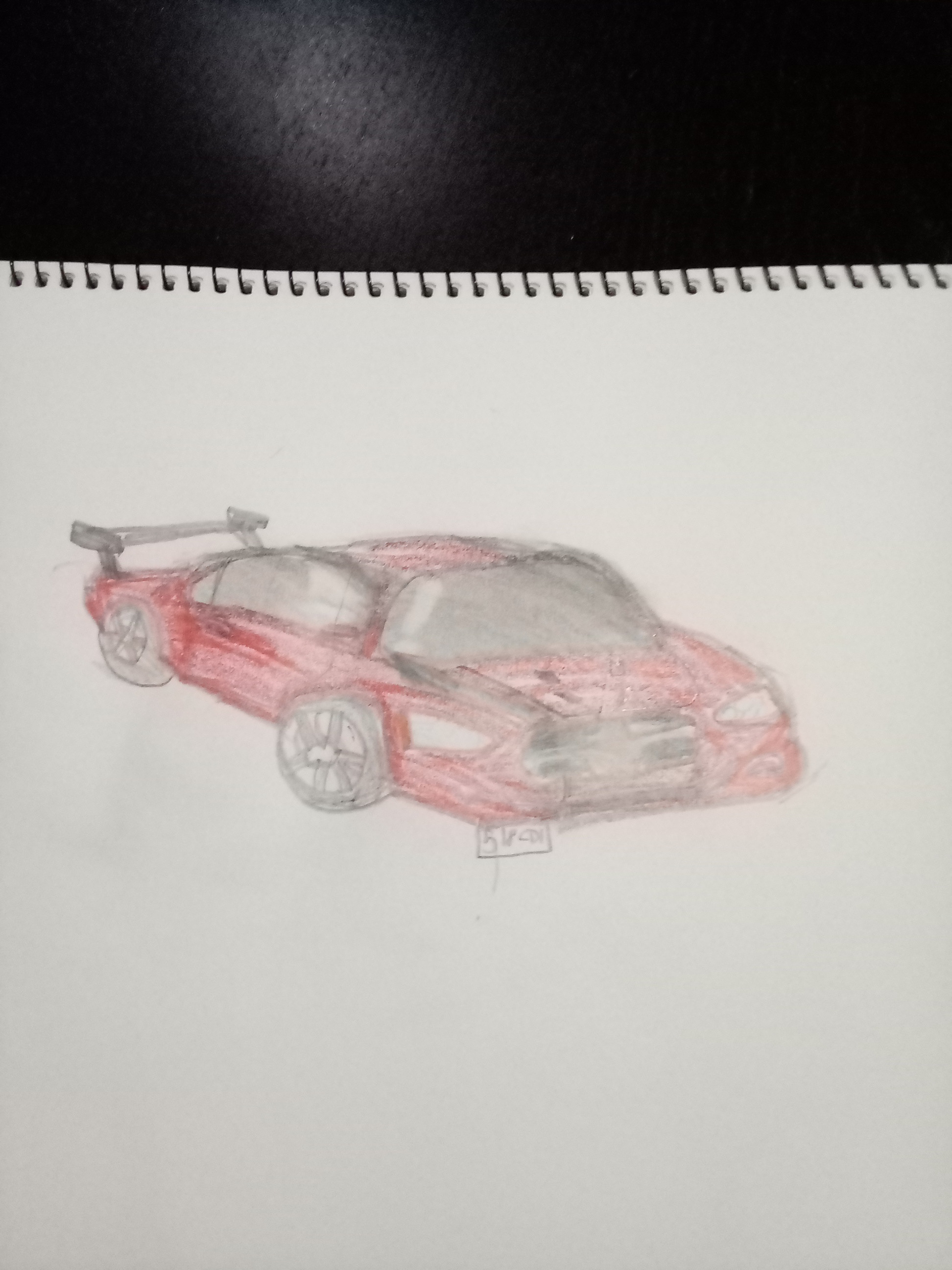

There is something wonderfully chaotic, brave, and oddly wholesome about asking people on the internet to share their best drawing. Not their “pretty good” sketch. Not the doodle they made while pretending to listen in algebra. Their best drawing. The one they stared at for hours. The one they almost didn’t post because maybe the nose looked weird, the hand had too many knuckles, or the cat somehow turned into a haunted potato. In other words: the drawing that matters.
That is exactly why a prompt like “Hey Pandas Submit A Pic Of Your Best Drawing” works so well. It invites people to show skill, yes, but it also invites vulnerability, personality, growth, and joy. A “best drawing” is never just graphite and paper or stylus and screen. It is a snapshot of what the artist noticed, cared about, struggled with, revised, and finally decided was ready to leave the sketchbook and meet the public. That is a big moment. Even if the subject is a dragon wearing sneakers.
In this article, we are going to unpack why drawing challenges like this are so irresistible, what makes a drawing worth submitting, how to choose the right piece, how to present it well, and why your most memorable artwork might not be the most technically perfect one. We will also talk about the very human experiences behind sharing art online: doubt, excitement, overthinking, accidental genius, and the tiny thrill of someone commenting, “Whoa, you made this?”
Why “Submit a Pic of Your Best Drawing” Is Such a Smart Creative Prompt
At first glance, this kind of prompt feels simple: draw a thing, upload a picture, collect compliments, pretend you are too humble to enjoy the compliments, enjoy them anyway. But the real appeal runs deeper. A drawing challenge asks artists to do several meaningful things at once.
It rewards observation
Strong drawings usually begin with looking closely. Whether someone is drawing a face, a flower, a city street, or a sleepy dog that refuses to stop moving, they have to pay attention to shape, proportion, texture, edges, and light. That act of careful seeing is part of what makes drawing special. It slows the artist down. It says, “Hold on, look again.” In a world that treats attention like a coupon code, drawing is a refreshing rebellion.
It celebrates expression, not just accuracy
A great drawing does not have to look photographic. Some of the most memorable submissions in art communities are stylized, exaggerated, messy in the best way, or emotionally charged. One artist may post a pencil portrait with incredible shading. Another may submit a loud, colorful cartoon character with more attitude than anatomy. Both can work. “Best” does not always mean “most realistic.” Sometimes it means “most alive.”
It turns progress into a public story
When people share their artwork, they are also sharing evidence of practice. Nobody wakes up one morning able to draw hands perfectly. If they claim they can, they are either a wizard or lying. More often, artists improve through repetition, experimentation, and reflection. A submission prompt gives people a reason to pause and say, “You know what? I have come a long way.” That moment matters.
It builds creative community
Online art prompts give artists a place to be seen by other artists, hobbyists, and curious strangers. That mix is powerful. It can motivate beginners to try, encourage experienced artists to post work they might otherwise hide, and remind everyone that art is not reserved for a tiny club of geniuses in dramatic scarves. Sometimes it is just regular people making cool things after dinner.
What Actually Counts as Your “Best Drawing”?
This question causes more internal drama than it should. Artists often freeze when asked to choose their best piece because “best” can mean several different things at once. The trick is to stop treating it like a math problem and start treating it like a showcase.
Your best drawing might be the one with the strongest technique
If you are proud of your shading, line control, perspective, or anatomy, pick the drawing that shows those skills clearly. Maybe it is a charcoal portrait with rich values. Maybe it is a ballpoint pen architectural sketch so detailed it makes rulers cry with happiness. If craft is your strength, let it shine.
Your best drawing might be the one with the biggest personality
Some pieces are memorable because they have voice. They feel like you. Maybe your proportions are slightly exaggerated, but the overall mood is unforgettable. Maybe your creature design is weird in a glorious way. Maybe your fan art captures more emotion than a thousand perfectly measured circles ever could. Personality counts.
Your best drawing might be the one you almost gave up on
Sometimes the drawing that fought you the hardest becomes the one you love most. You erased half of it. You redid the eyes three times. You considered dramatic retirement from art around hour two. And then somehow it clicked. That kind of piece carries a story, and people can often feel that effort when they see it.
Your best drawing might not be your newest one
Do not assume the latest piece is automatically the strongest. Go through your old folders, sketchbooks, and digital files. You may discover a drawing from six months ago that still has more energy, clarity, or emotional punch than your recent work. Art is not a straight staircase. Sometimes it is more like roller skates on a trampoline.
Popular Types of Drawings That Shine in Community Challenges
If you are wondering what kind of art tends to do well in a prompt like this, the answer is: almost everything, as long as it feels intentional and personal. That said, a few categories tend to grab attention quickly.
Portraits
Portrait drawings are natural attention magnets because people instinctively respond to faces. A good portrait can feel intimate, dramatic, funny, or haunting. It can be realistic or stylized. If you are submitting a portrait, strong lighting and expressive eyes can go a long way.
Animals and pets
The internet has always had room for art, but it has extra room for animals. A detailed wolf, a sleepy orange cat, a majestic horse, or a suspicious-looking parrot can all become standout submissions. Pet portraits, in particular, tend to connect with viewers because they combine technical skill with affection.
Fantasy and character art
Original characters, fan art, dragons, witches, armored heroes, mushroom houses, and surreal creatures all do well because they invite imagination. Viewers love artwork that makes them feel like there is a whole story beyond the frame. If your drawing whispers, “There is lore,” people lean in.
Nature, architecture, and observational sketches
Drawings from life have a quiet confidence. A tree study, street scene, still life, or building sketch can impress people because it shows patience and close observation. These pieces often feel grounded and thoughtful, especially when the artist understands light, shape, and spatial depth.
Digital illustrations and mixed-media work
Traditional drawing gets a lot of love, but digital art absolutely belongs in the conversation. Clean line art, painterly textures, comic-style illustrations, and mixed-media pieces can all stand out. The medium matters less than the clarity of the idea and the care in the execution.
How to Choose the Right Drawing Before You Post
Once you have narrowed it down to a few candidates, ask yourself a handful of useful questions.
Does this drawing still hold up after I step away for a day? If you look at it tomorrow and still feel excited, that is a good sign.
Is the focal point clear? Viewers should know where to look first. If the eye bounces around like it drank three sodas, the composition may need help.
Does this piece represent the kind of artist I want to be? Not in a dramatic identity-crisis way. Just in a practical way. If this drawing feels like your voice, it is a smart pick.
Would I be happy if this were the first piece strangers saw from me? If the answer is yes, you are probably close.
And one more thing: do not wait forever for perfection. The internet is full of artists holding amazing work hostage because one eyebrow is slightly uneven. Set your best drawing free. It has been in the sketchbook long enough.
Tips for Taking a Better Photo of Your Drawing
You can create a fantastic piece and still sabotage it with a terrible upload. A beautiful drawing photographed under dim yellow light at a crooked angle on a wrinkled bedsheet is doing unnecessary hard time. Presentation matters.
Use natural light when possible
Soft daylight helps colors and values show up accurately. Avoid harsh glare, deep shadows, or dramatic overhead lighting that turns your paper into a reflective mystery panel.
Keep the camera parallel to the artwork
If the top of the drawing looks three feet wider than the bottom, the image is distorted. Try to shoot straight-on so proportions stay true.
Crop cleanly
Show the full piece unless a close-up is important. Cut out clutter like coffee mugs, charger cables, and the corner of your sock. Your drawing deserves a cleaner stage.
Edit lightly, not dishonestly
Minor brightness correction is fine. Turning a pencil sketch into a nuclear-color explosion is less ideal. Let the artwork look like the artwork.
What to Write in the Caption
A short caption can make your submission stronger. You do not need an epic artist statement written like a moody film trailer. Just give people a little context.
You might mention the medium, the subject, how long it took, or what inspired it. For example: “Colored pencil portrait of my grandmother,” “Ink drawing of a raven from my sketchbook challenge,” or “Digital illustration based on a rainy train ride.” Simple works. Honest works even better.
If the piece was especially difficult, say so. People connect with process. They like hearing that you struggled with hands, changed the composition, or nearly gave up on the background. That kind of detail makes the submission feel human instead of polished into outer space.
How to Respond to Feedback Without Spiraling Into the Void
Posting your best drawing online can feel weirdly personal. Even kind comments can make you feel exposed, and criticism can sting if you were hoping for a parade. A healthy mindset helps.
Accept compliments like a functional adult
Try “Thank you” instead of “No, it is terrible, I am trash, my pencil hates me.” Modesty is fine. Performing self-destruction in the comments is exhausting for everyone.
Look for useful critique, not random noise
Constructive feedback points to something specific: values, proportions, edges, composition, anatomy, texture, or readability. Vague negativity is easy to ignore. Not every opinion deserves a seat at your art table.
Remember that one drawing is not your entire identity
A submission is a snapshot, not a life sentence. If one piece gets less attention than you hoped, it does not mean your work is not good. It means the internet was being the internet, which is often a circus with Wi-Fi.
Why Sharing Your Best Drawing Is Worth It
When artists post their work, something important happens. They stop creating only in private and start participating in a larger visual conversation. That does not mean art needs public approval to matter. It absolutely does not. But sharing can sharpen confidence, invite feedback, open opportunities, and remind artists that their work has the power to affect other people.
A drawing might inspire someone else to begin. It might encourage another artist who feels stuck. It might make a stranger laugh, pause, or look more closely at something they usually ignore. That is not small. That is the quiet magic of visual art.
So if you are staring at a prompt that says, “Hey Pandas Submit A Pic Of Your Best Drawing,” do not overthink yourself into paralysis. Pick the piece that feels most alive to you. Photograph it well. Add a clean caption. Post it. Let the world see what your hands and eyes have been up to.
Your best drawing does not have to be flawless. It just has to be yours.
Experiences Artists Know All Too Well When Sharing Their Best Drawing
There is a very specific emotional roller coaster that comes with posting artwork online, and most artists know it by heart. First comes confidence. You finish the piece, step back, and think, “Okay. This is actually good.” You may even feel powerful for seven whole minutes. Then comes the inspection phase, where you zoom in so closely that normal human vision is no longer involved. Suddenly the ear looks suspicious. The background seems lazy. The left hand is either expressive or deeply cursed. You begin to wonder whether the drawing was ever good at all.
Then, for reasons no scientist has fully explained, you ask a friend, sibling, or parent what they think. They say, “Wow, that’s amazing,” and you immediately reply, “No, but be honest.” They repeat that it is amazing. You remain unconvinced because artists are often their own least reasonable audience.
Eventually you choose to post it anyway. The moment after posting is strange. You feel proud, exposed, relieved, and mildly dramatic all at once. You check the image again to make sure the upload did not destroy the colors. You reread your caption three times. You consider deleting it. You do not delete it. Growth.
Then the comments arrive. Someone loves the eyes. Someone asks what brushes you used. Someone says they wish they could draw like that, which is flattering but also funny because you are still recovering from the battle you had with the nose. Maybe another artist notices a detail you worked especially hard on, and that comment means more than ten generic compliments because it proves somebody really looked.
Sometimes the best part of sharing a drawing is not praise at all. It is recognition. It is the feeling that another person understood what you were trying to do. Maybe they say the piece feels peaceful, eerie, nostalgic, or full of energy, and you realize your drawing communicated something real. That is huge.
There is also the experience of surprise. The drawing you expected everyone to ignore becomes the one people respond to most. Meanwhile, the piece you thought would become your grand artistic triumph gets quiet reactions and one comment from a bot with suspicious enthusiasm. Art can be humbling like that. It teaches you that connection is not always predictable.
And then there is the experience almost every artist shares: after all the stress, you are glad you posted. Even if the response is small. Even if the drawing is imperfect. Even if you already know what you would do differently next time. Posting your work creates a marker in your creative life. It says, “I made this. I finished this. I let it be seen.” That matters more than artists sometimes admit.
Months later, you may look back at that submission and notice flaws you missed before. Good. That means you improved. But you will also remember the courage it took to hit upload, and that memory has value too. A “best drawing” is not just a polished result. It is a record of attention, practice, doubt, risk, and pride. In that sense, every sincere submission tells a bigger story than viewers can see at first glance.
So yes, post the dragon, the portrait, the city scene, the sketchbook page, the digital painting, the moody crow, or the heroic frog in a cape. Let your best drawing have its moment. It earned one.
Conclusion
The beauty of a prompt like “Hey Pandas Submit A Pic Of Your Best Drawing” is that it invites more than a display of talent. It invites attention, courage, humor, personality, and progress. The best drawings are not always the flashiest ones. They are the pieces that combine observation with expression, skill with feeling, and effort with honesty. Whether your style is realistic, cartoonish, dark, dreamy, elegant, or gloriously odd, the right drawing can say a lot about who you are as an artist right now.
Choose the piece that feels complete in spirit, not just polished in surface details. Present it clearly. Share a little context. Welcome thoughtful feedback. Most of all, remember that showing your art is not about proving you are perfect. It is about joining the conversation, celebrating what you have made, and giving your work a chance to connect with someone else. That is what makes these community art prompts so fun, memorable, and surprisingly meaningful.