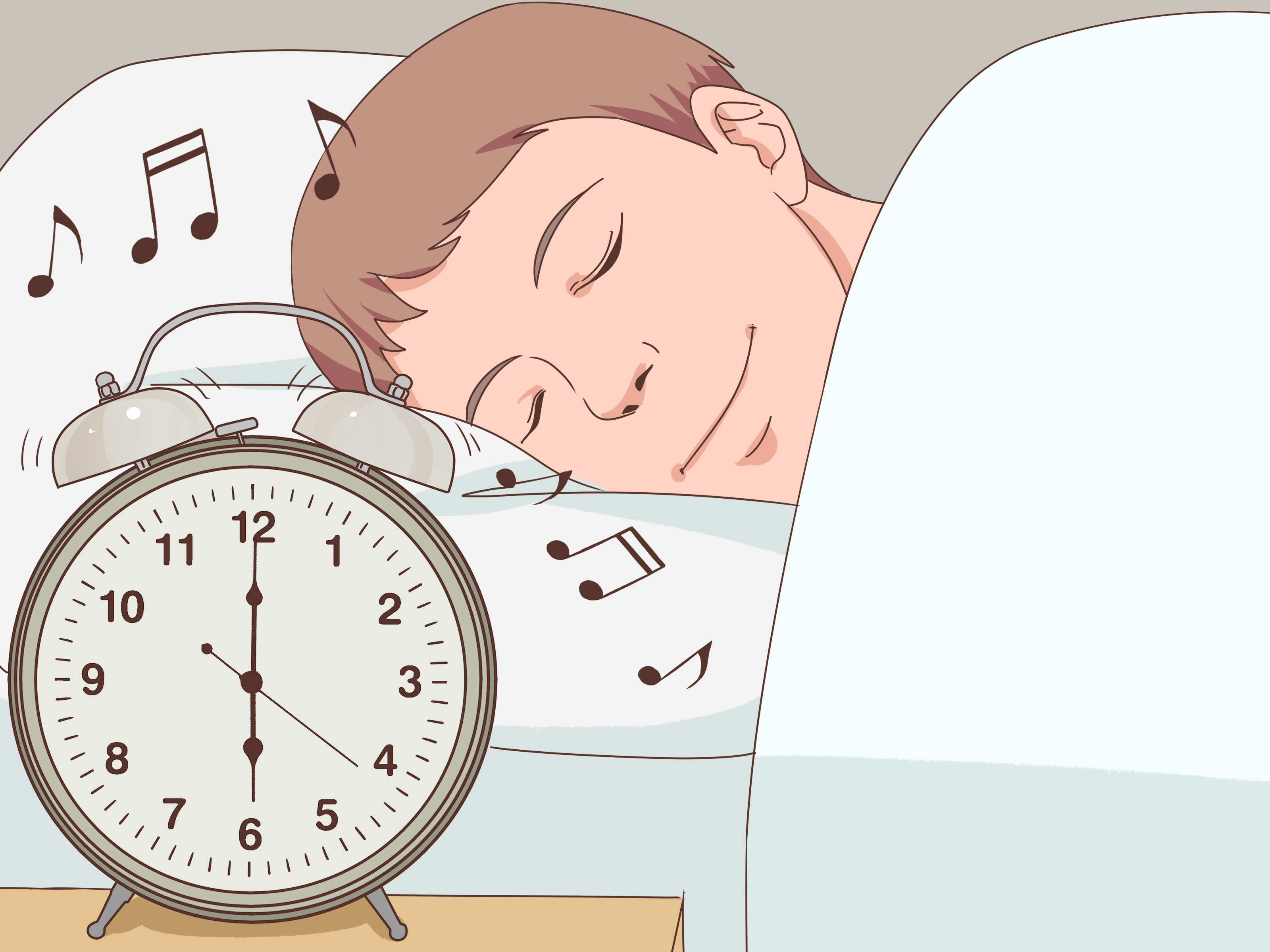

Everyone has had that one night when bedtime feels less like a biological need and more like a badly timed appointment. Maybe you want to finish a book, study for a test, watch a season finale, complete a creative project, or enjoy a little quiet time after the house finally stops sounding like a microwave orchestra. So, naturally, you search for how to stay up late secretly.
Before we go full midnight raccoon, let’s make one thing clear: “secretly” should not mean sneaking around, lying, or turning your sleep schedule into a crime scene. In this guide, it means staying up quietly, responsibly, and without disturbing other people. It also means knowing when staying up late is a bad idea and when your body is basically waving a tiny white flag that says, “Please put me in bed.”
Sleep is not optional decoration. It affects memory, mood, focus, reaction time, immune health, and your ability to function without staring into the refrigerator like it owes you answers. Still, life happens. If you occasionally need to stay awake later than usual, this guide will help you do it in a safer, smarter, quieter way.
What Does “Staying Up Late Secretly” Really Mean?
Let’s translate the phrase into something healthier: staying up late without creating noise, drama, or next-day disaster. That means no clattering dishes at 1 a.m., no blasting videos through phone speakers, no hallway stomping like a haunted Victorian child, and no trying to survive on four energy drinks and pure panic.
The goal is not to become a professional sleep avoider. The goal is to manage the occasional late night with common sense. You want to protect your sleep as much as possible, avoid disturbing family members or roommates, and make sure tomorrow-you does not wake up feeling like a folded napkin.
First, Ask Yourself Why You Want to Stay Up Late
Before planning your late-night mission, ask one boring but powerful question: Do I actually need to stay up?
If the answer is “I have a deadline,” “I need to study,” or “I work unusual hours,” staying up may be necessary. If the answer is “I accidentally started a 48-part video series about abandoned malls,” maybe negotiate with yourself. The internet will still be there tomorrow, wearing the same chaotic hat.
Good Reasons to Stay Up Late Occasionally
Some late nights are understandable. You might need extra time for homework, exam preparation, travel, work, caregiving, religious observance, or a creative project. Occasional schedule changes are part of life.
Bad Reasons to Stay Up Late Every Night
Staying up late every night because of revenge bedtime procrastination, endless scrolling, gaming marathons, or avoiding tomorrow can slowly drain your energy and focus. If late nights become a pattern, the real solution is not better secrecy; it is a better routine.
Know Your Sleep Needs Before You Borrow From Them
Sleep works like money, except your body is a very strict bank and charges interest in yawns. Most adults need at least seven hours of sleep per night, while teenagers generally need eight to ten hours. Younger children need even more. When you repeatedly sleep less than your body needs, you build sleep debt.
Sleep debt can make it harder to concentrate, remember information, regulate emotions, and react quickly. In simple terms, your brain becomes a browser with 87 tabs open and three of them playing music.
If you stay up late one night, try to protect your total weekly sleep. Go to bed earlier the next night, take a short nap if appropriate, and avoid turning one late night into a five-night festival of poor decisions.
How to Stay Up Late Quietly and Responsibly
If you are going to stay up, do it in a way that respects both your body and the people around you. The following tips focus on being quiet, prepared, and safe.
1. Plan the Night Before It Starts
The worst late nights begin with the phrase, “I’ll figure it out later.” Later, unfortunately, is when your brain is tired, your snacks are gone, and your charger is mysteriously across the room making betrayal noises.
Before bedtime, gather what you need: water, quiet snacks, a charger, headphones, notebooks, textbooks, or anything else required for your task. Keep everything within reach so you are not wandering through the house opening cabinets like a raccoon in business casual.
2. Use Headphones, Not Speaker Confidence
Sound travels at night. A video that seems quiet to you may sound like a movie theater explosion to someone trying to sleep next door. Use headphones or earbuds, and keep the volume low enough that you can still hear important sounds around you.
If you are watching educational videos, listening to lectures, or playing background music while studying, choose calm audio. Loud, intense content can keep your nervous system alert longer than necessary and make it harder to sleep afterward.
3. Keep the Lights Low
Bright light can tell your brain that it is daytime, even when the clock says otherwise. Blue light from phones, laptops, and tablets can be especially stimulating at night. If you must use a screen, lower the brightness, turn on night mode, and avoid staring at it inches from your face like you are interrogating it.
A small warm lamp is better than overhead lighting. Your goal is enough light to work safely, not enough light to guide aircraft.
4. Choose Quiet Snacks
Late-night snacks should pass the “crinkle test.” If opening the package sounds like someone wrestling a plastic dragon, choose something else. Soft foods like bananas, yogurt, cheese, crackers transferred into a bowl earlier, or a small sandwich are quieter than chips, cereal bags, or anything requiring aggressive crunching.
Avoid heavy meals right before sleep. Large, greasy, or spicy foods can make it harder to fall asleep and may cause discomfort when you finally lie down.
5. Be Careful With Caffeine
Caffeine can help you stay awake, but it is not a magic productivity potion. It can also make you jittery, anxious, dehydrated, and unable to sleep when you finally want to. Coffee, energy drinks, some teas, sodas, chocolate, and certain supplements may contain caffeine.
For most healthy adults, up to 400 milligrams of caffeine per day is commonly cited as a general upper limit, but sensitivity varies widely. Teens, people with anxiety, people with heart conditions, pregnant people, and anyone taking certain medications should be more cautious and follow medical guidance.
If you use caffeine, keep it modest and avoid taking it too late. A coffee at midnight may help tonight-you, but tomorrow-you may file a formal complaint.
6. Move Gently, Not Dramatically
Sitting still for hours can make you sleepy. Gentle movement can help you stay alert without waking the entire household. Try quiet stretching, slow walking in your room, shoulder rolls, or standing while reviewing notes.
Avoid jumping jacks, burpees, or anything that makes the floorboards report you to management. This is not the time for a heroic fitness montage.
7. Use a Timer to Avoid the Time-Travel Problem
Late-night scrolling has a strange relationship with time. You check one message, blink, and suddenly it is 3:17 a.m. and you know too much about celebrity kitchen renovations.
Set a timer for each task. For example, study for 25 minutes, take a five-minute break, then repeat. If you are watching something for fun, decide in advance when to stop. Boundaries are easier to follow before your willpower turns into pudding.
How to Stay Awake Without Destroying Tomorrow
Staying awake is only half the challenge. The other half is not waking up the next day feeling like your brain has been replaced with oatmeal.
Take a Short Nap Earlier If You Can
If you know a late night is coming, a short nap earlier in the day may help. Keep it brief, ideally around 20 to 30 minutes. Long naps or late-afternoon naps can make it harder to sleep later, which creates a very annoying circle of tiredness.
Drink Water
Dehydration can make fatigue feel worse. Keep water nearby and sip regularly. Do not overdo it right before bed unless you enjoy waking up for bathroom trips at deeply inconvenient hours.
Work on the Hardest Task First
If you are staying up to study or finish work, do the hardest part first. Your brain is sharper earlier in the night. Save easier tasks, formatting, organizing, or review for later. Do not wait until 2 a.m. to solve the most complicated problem unless you enjoy arguing with a paragraph.
Stop Before You Hit the Wall
There is a point where staying awake becomes less useful than sleeping. If you are rereading the same sentence six times, making careless mistakes, or forgetting what you are doing mid-task, sleep may be the smarter move. Even a shorter sleep period can be better than none.
How to Keep Things Quiet at Night
If your main concern is not disturbing others, build a low-noise environment. Close doors gently. Put your phone on silent. Use soft slippers or socks if floors creak. Prepare snacks and water before everyone goes to bed. Type gently if your keyboard sounds like a tiny construction site.
Also, avoid unnecessary trips around the house. Night makes ordinary sounds louder. A cabinet closing at noon is normal. A cabinet closing at midnight sounds like a thunderclap with hinges.
What Not to Do When Staying Up Late
Some tactics may keep you awake but create bigger problems. Avoid these common mistakes:
- Do not overuse caffeine. More caffeine does not always mean more focus. Sometimes it just means faster anxiety.
- Do not pull all-nighters regularly. One late night is manageable. A lifestyle of late nights can harm your health and performance.
- Do not drive while sleep-deprived. Drowsy driving is dangerous because sleep loss slows reaction time and attention.
- Do not use your bed as command central. Working in bed can train your brain to associate bed with alertness instead of sleep.
- Do not ignore your body. Headaches, dizziness, heavy eyes, irritability, and confusion are signs you need rest.
How to Recover After Staying Up Late
The morning after a late night matters. Recovery is where you prevent one bad sleep night from becoming a full sleep schedule collapse.
Wake Up at a Reasonable Time
Sleeping until mid-afternoon may feel glorious, but it can push your body clock later and make it harder to sleep the next night. Try to wake up close to your normal time or only slightly later.
Get Morning Light
Natural light helps signal daytime to your body. Open curtains, step outside, or sit near a bright window. Morning light can help reset your rhythm after a late night.
Use Caffeine Strategically
If you drink coffee or tea, use it earlier in the day. Avoid turning the recovery day into another caffeine-fueled late night. The goal is to return to normal, not build a sequel nobody asked for.
Go to Bed Earlier the Next Night
Give your body a chance to repay some sleep debt. A calm bedtime routine, dim lights, and reduced screen time can help you fall asleep sooner.
When Staying Up Late Is a Warning Sign
Sometimes the problem is not one late night. It is a pattern. If you regularly cannot fall asleep, feel anxious at bedtime, depend on screens to avoid stress, or feel exhausted during the day, it may be time to look deeper.
Sleep problems can be connected to stress, anxiety, depression, medication, pain, breathing issues, irregular schedules, or too much evening stimulation. If sleep issues continue, talking with a healthcare provider is a smart move. You do not need to wait until your sleep schedule resembles a broken vending machine.
Better Alternatives to Secret Late Nights
If you often want to stay up because your day feels too crowded, the real solution may be protecting personal time earlier. Try a “mini night” before bedtime: 30 minutes for reading, journaling, gaming, stretching, or doing nothing productive at all. Doing something enjoyable earlier can reduce the urge to steal time from sleep later.
If you are behind on schoolwork or projects, try breaking tasks into smaller pieces during the day. Ten focused minutes between activities can beat three exhausted hours after midnight. Your brain loves structure, even if it pretends to prefer chaos.
Experience Section: What Staying Up Late Secretly Really Feels Like
Anyone who has tried staying up late quietly knows the experience has a very specific atmosphere. The house is silent. The refrigerator hums like it is guarding ancient secrets. Every footstep sounds suspicious. You become strangely aware of how loud a chair can be. Even opening a water bottle feels like operating heavy machinery.
The first hour can feel amazing. You finally have peace. No messages, no chores, no one asking where the scissors are even though you have not touched the scissors since 2019. You sit down with your laptop, book, homework, or movie and think, “This is it. This is my productive era.” For a while, it works. Your focus sharpens because there are fewer interruptions. The world feels paused, and you feel like you found a secret bonus level in the day.
Then midnight passes, and the vibe changes. Your motivation starts wearing pajamas. A simple task takes longer. You reread a sentence and realize your eyes moved across the words but your brain stayed in the parking lot. If you are studying, you may feel productive because you are awake, but being awake is not the same as learning. This is the great trap of late nights: they feel dramatic, therefore they feel useful. But your brain does not award extra credit for suffering under a desk lamp.
There is also the snack problem. Late-night hunger is not normal hunger. It is theatrical hunger. Suddenly, cereal seems like cuisine. A banana feels like a wise life choice. A bag of chips becomes a moral dilemma because the packaging is louder than a garage door. The experienced late-night person learns to prepare quiet snacks early. Future-you will appreciate not having to perform a silent kitchen heist.
The funniest part is how careful you become. You learn which floorboards creak. You learn that microwave beeps are basically public announcements. You learn that phone brightness at 1 a.m. can illuminate your face like you are telling ghost stories. You may even develop the slow-motion door-closing technique, which looks ridiculous but feels necessary.
But the morning tells the truth. If you stayed up too late, your alarm sounds personally offensive. Your pillow becomes a trusted political leader. Your face looks like it has been edited by a tired intern. That is when you realize staying up late is not free time; it is borrowed time. Sometimes borrowing is worth it, especially for a rare deadline or meaningful project. But if you borrow every night, your body collects payment with interest.
The best experience comes from balance. Stay up late occasionally if you truly need to, keep it quiet, avoid reckless caffeine, and protect the next night’s sleep. The secret is not hiding from everyone else. The real secret is knowing when to stop.
Conclusion
Learning how to stay up late secretly should really mean learning how to stay up late responsibly, quietly, and only when necessary. A late night can be useful for finishing a project, enjoying rare quiet time, or handling an unusual schedule. But your body still needs sleep to think clearly, manage emotions, remember information, and stay healthy.
If you must stay up, prepare your space, keep lights low, use headphones, choose quiet snacks, limit caffeine, and set a stopping point. Most importantly, recover afterward. One late night does not have to ruin your week, but repeated sleep loss can catch up quickly.
So yes, you can stay up late quietly. Just do it with respect for your home, your health, and the poor future version of you who has to attend tomorrow with the same brain.
Note: This article is written for occasional, responsible late nights and does not encourage lying, unsafe behavior, chronic sleep loss, or ignoring household rules.