
Poofy hair has a flair for drama. One minute it is soft, bouncy, and behaving like a shampoo commercial. The next, it has expanded into its own zip code. If your hair gets big, fluffy, frizzy, triangular, or cloud-like the second humidity enters the room, you are not alone. Learning how to de poof hair is less about forcing your strands into submission and more about giving them what they have been loudly asking for: moisture, gentle handling, smart styling, and a routine that works with your hair type instead of arguing with it in the bathroom mirror.
Hair becomes poofy for several reasons. Dryness is a major one. When the outer layer of the hair, called the cuticle, is raised or roughened, strands absorb moisture from the air unevenly. That swelling creates frizz, puffiness, and flyaways. Heat damage, chemical treatments, overwashing, harsh towels, brushing the wrong way, and using products that are too drying can all make the poof worse. The good news? You do not need a magic wand, a celebrity stylist, or a twelve-step ritual performed under a full moon. You need a practical plan.
This guide breaks down how to de poof hair in 11 simple steps, with specific tips for straight, wavy, curly, thick, fine, color-treated, and humidity-prone hair. Think of it as a peace treaty between you and your hair.
Why Does Hair Get Poofy?
Before fixing poofy hair, it helps to know what is actually happening. Poof is usually a mix of frizz, volume in the wrong places, dryness, raised cuticles, and shape disruption. Healthy, hydrated strands tend to lie more smoothly because the cuticle is flatter. Dry or damaged strands act more like a sponge, grabbing moisture from the air and swelling in random directions.
Humidity is the classic villain, but it is not the only one. Hot showers can make the cuticle lift. Rough towel drying can create friction. Brushing curly or wavy hair after it dries can separate the natural pattern and turn definition into fluff. Heavy products can make roots collapse while ends puff out. Light products may not give thick or coarse hair enough control. In other words, poofy hair is rarely “bad hair.” It is usually hair with unmet needs and a flair for visual effects.
How to De Poof Hair: 11 Steps That Actually Help
1. Start With the Right Shampoo Strategy
If your first instinct is to scrub your hair aggressively until it squeaks, your hair would like to file a complaint. Shampoo is meant mainly for the scalp, where oil, sweat, and buildup collect. The lengths and ends of your hair usually need far less cleansing. When you rub shampoo through the entire length, especially if your hair is dry, curly, bleached, or textured, you may strip away oils that help keep hair smooth.
To de poof hair, massage shampoo gently into your scalp with your fingertips. Let the suds rinse down the lengths instead of piling your hair on top of your head like a laundry basket. Choose a moisturizing, smoothing, or curl-friendly shampoo if your hair is naturally dry. If your scalp gets oily fast, focus shampoo at the roots and keep conditioner away from the scalp. If your hair is color-treated or chemically processed, look for gentle formulas designed for damaged or treated hair.
2. Condition Every Time You Wash
Skipping conditioner is one of the fastest ways to invite puffiness. Conditioner helps smooth the hair surface, improve slip, reduce tangling, and make strands easier to style. It is especially important for hair that is curly, coarse, bleached, heat-styled, long, or naturally dry.
Apply conditioner from mid-lengths to ends, where poof and dryness usually show up most. Let it sit for a few minutes before rinsing. For fine hair, use a lightweight conditioner and rinse thoroughly. For thick, curly, or coarse hair, choose a richer conditioner and detangle while it is still in your hair. This is the moment when your wide-tooth comb becomes the hero of the story.
3. Use a Weekly Hair Mask for Moisture
Regular conditioner is your everyday helper. A hair mask is the weekend spa day. If your hair gets poofy even after conditioning, add a deep-conditioning mask once a week. Look for ingredients such as shea butter, glycerin, aloe, argan oil, coconut oil, avocado oil, amino acids, or ceramides, depending on what your hair tolerates.
Fine hair may only need a mask on the ends for five minutes. Thick or coarse hair may love a richer mask for 10 to 20 minutes. The trick is not to use the most intense product on the shelf just because the jar looks fancy. Too much heaviness can flatten roots and make hair look greasy while the ends still misbehave. Start small, observe the results, and adjust.
4. Rinse With Cooler Water
You do not need to take an ice shower and question every life choice you have ever made. But finishing with lukewarm or cool water can help hair feel smoother because high heat may roughen the cuticle and increase dryness. A cooler rinse is a simple finishing move after conditioner.
If your hair is thick, wavy, or curly, use this moment to gently squeeze your hair upward to encourage shape. If it is straight or fine, rinse downward and avoid rough scrubbing. The goal is calm hair, not a scalp wrestling match.
5. Stop Rubbing Your Hair With a Regular Towel
One of the biggest poof triggers happens after the shower. Traditional terry towels are great for drying your body, but they can rough up hair cuticles and create friction. Rubbing hair back and forth is basically a frizz invitation with a handwritten RSVP.
Instead, use a microfiber towel or a soft cotton T-shirt. Gently squeeze or blot out excess water. Do not twist your hair tightly, yank at it, or scrub it like a stubborn pan. For curls and waves, try plopping: place your hair into a T-shirt or microfiber towel so the curl pattern sets without being stretched or roughed up. For straight hair, squeeze downward and keep the surface smooth.
6. Apply Leave-In Conditioner While Hair Is Damp
Leave-in conditioner is one of the best products for de poofing hair because it adds moisture and helps prevent strands from expanding as they dry. Apply it when your hair is damp, not soaking wet and not already dry. Damp hair absorbs and distributes product more evenly.
Use a pea-sized amount for fine or short hair, a nickel-sized amount for medium hair, and more for thick or curly hair. Focus on the mid-lengths and ends. If your roots get oily, keep leave-in conditioner away from the scalp. Comb it through gently with a wide-tooth comb or your fingers.
7. Seal the Ends With Serum, Cream, or Lightweight Oil
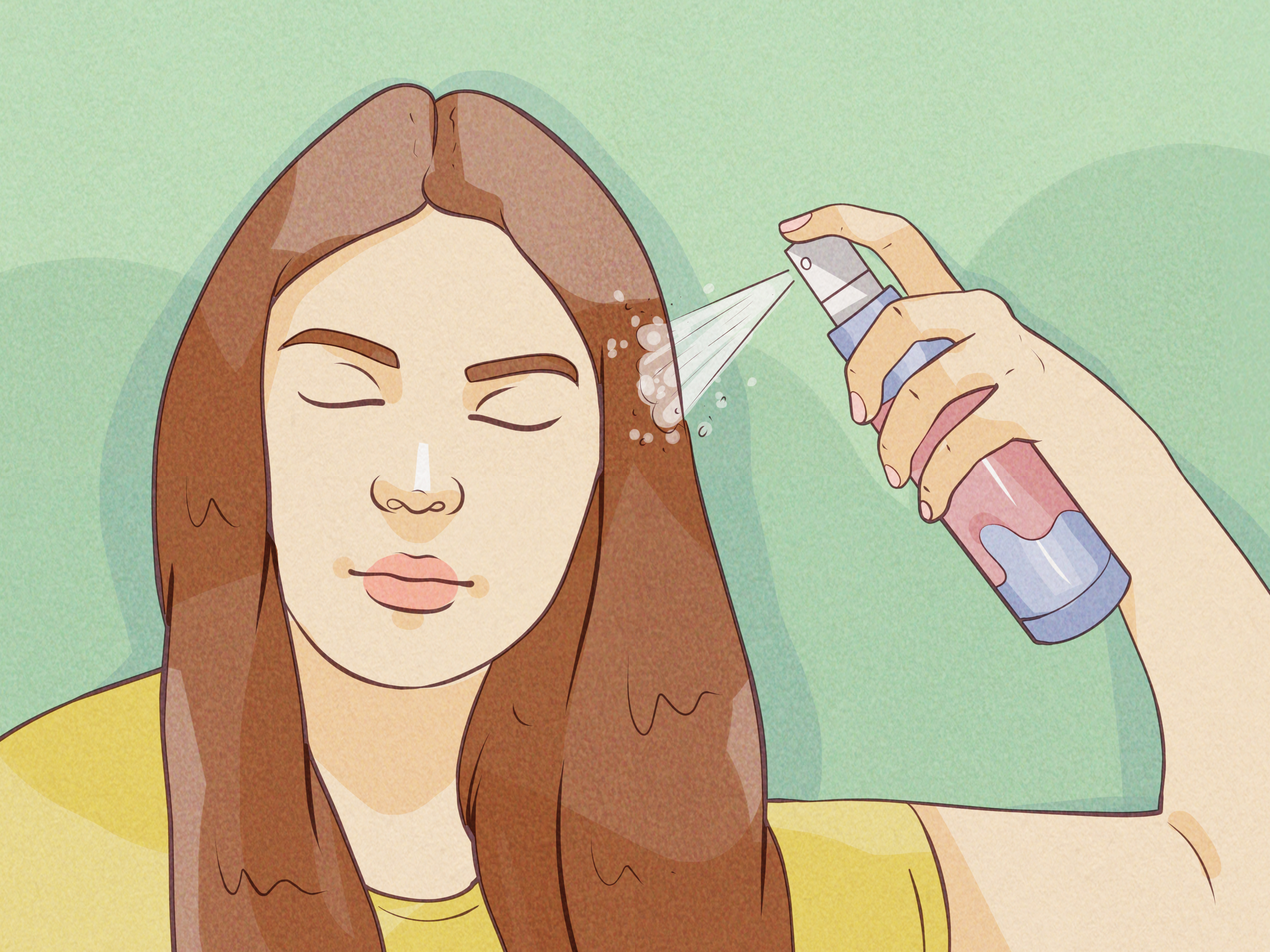
Moisture is step one. Sealing is step two. A smoothing serum, styling cream, or lightweight oil helps coat the hair surface so it looks sleeker and resists humidity better. This is especially useful for poofy ends, halo frizz, and hair that grows larger as the day goes on.
For fine hair, choose a lightweight serum or anti-frizz spray. For wavy hair, try a curl cream mixed with a little leave-in conditioner. For curly or coily hair, layer leave-in conditioner, cream, and a small amount of gel or oil depending on your porosity and texture. For thick straight hair, a smoothing cream before blow-drying can reduce bulk and flyaways.
Use less than you think at first. Product overload can make hair sticky, dull, or greasy. You can always add another tiny amount. Removing too much product usually requires washing, which is less convenient when you are already late and your hair has entered its “abstract sculpture” era.
8. Detangle Based on Your Hair Type
Brushing can either smooth hair or turn it into a puffball. The difference depends on your hair type and timing. Straight hair can usually be brushed once it is partially dry, using a gentle brush or wide-tooth comb. Wavy hair often does best when detangled in the shower with conditioner, then left alone while drying. Curly and coily hair usually stays more defined when detangled damp with conditioner and not brushed dry.
If you have curls and you brush them when dry, you separate curl clumps into individual strands. That creates instant volume and frizz. If that is the look you want, fabulous. If you are trying to de poof hair, save detangling for wash day and refresh curls with water, leave-in conditioner, or curl spray instead.
9. Dry Hair Smoothly and Use Heat Wisely
Air-drying can be great, but only if your technique supports your hair pattern. Letting hair dry while constantly touching, flipping, or brushing it can create more puffiness. Once your products are in, try to leave your hair alone until it is mostly dry. Yes, this is difficult. Hair touching is practically a hobby. But your future smoother hair will thank you.
If you blow-dry, use a heat protectant first. Keep the dryer moving, use medium or low heat when possible, and aim the airflow downward along the hair shaft. A concentrator nozzle helps straighten and smooth. A diffuser helps curls and waves dry with less disruption. Finish with a cool shot to help set the style.
Flat irons and curling irons can make hair look sleek temporarily, but frequent high heat can worsen dryness and damage over time. Use hot tools sparingly, avoid repeated passes over the same section, and never iron damp hair unless the tool is specifically designed for that purpose.
10. Get a Haircut That Controls Bulk
Sometimes poofy hair is not just a product problem. It is a haircut problem. If your hair forms a triangle shape, mushrooms at the ends, or expands around the widest part of your head, your cut may need better weight distribution.
Ask your stylist for a shape that works with your texture. For thick hair, long layers can remove bulk without creating short pieces that spring outward. For curly hair, a curl-by-curl cut or dry cut can help preserve shape. For fine but poofy hair, too many layers may make the ends look wispy and the middle look fluffy, so subtle shaping may be better. Blunt lines can help some hair types look heavier and smoother, while strategic layers help others move naturally.
Regular trims also matter. Split ends can travel up the hair shaft and make hair look rough, dry, and frizzy. A tiny trim can do more for smoothness than three new products and a dramatic bathroom speech.
11. Protect Hair While You Sleep
Your nighttime routine can undo or support your entire wash day. Cotton pillowcases can create friction, especially if you toss and turn. A silk or satin pillowcase, bonnet, or scarf can help reduce friction and preserve smoothness. For long hair, try a loose braid, low bun, or pineapple method for curls. Use soft scrunchies instead of tight elastics.
If your hair is dry by morning, refresh it with a mist of water and a small amount of leave-in conditioner. Smooth flyaways with serum on your palms, then lightly press over the surface. Avoid soaking your hair unless you plan to fully restyle it. The goal is a refresh, not a surprise second shower.
Best Products for De Poofing Hair
You do not need a shelf that looks like a beauty supply store exploded. A simple anti-poof routine can include a gentle shampoo, moisturizing conditioner, weekly mask, leave-in conditioner, smoothing cream or serum, heat protectant, and optional gel or anti-humidity spray. The best combination depends on your texture.
For Fine Poofy Hair
Use lightweight products. Fine hair can get poofy from dryness but greasy from heavy creams. Try a light conditioner, spray leave-in, and a small amount of serum on the ends. Avoid applying oils near the roots.
For Thick Poofy Hair
Thick hair often needs more moisture and stronger styling control. Use a rich conditioner, weekly mask, leave-in cream, and smoothing product. Blow-dry with a nozzle if you want a sleeker finish, or use a diffuser if you want defined waves or curls.
For Curly or Wavy Poofy Hair
Definition is the secret. Hydrate well, apply products while hair is damp, scrunch gently, and avoid brushing once dry. A curl cream plus gel can help hold curl clumps together so they do not expand into fluff.
For Color-Treated or Bleached Hair
Color-treated hair may be more porous, meaning it absorbs and loses moisture quickly. Use products made for damaged or color-treated hair, limit heat, deep condition regularly, and ask your stylist about bond-building or strengthening treatments if your hair feels weak or stretchy.
Common Mistakes That Make Hair More Poofy
Even a good routine can be sabotaged by small habits. Overwashing can strip natural oils. Skipping conditioner can leave hair rough. Brushing curls dry can create instant puff. Using too much heat can weaken the hair. Applying products after hair is already dry may leave them sitting on top instead of blending in. Using strong-hold, alcohol-heavy styling products can make hair stiff and dry. Sleeping with loose hair on a rough pillowcase can create morning chaos.
Another mistake is using the same routine year-round. Hair often needs lighter products in humid summer weather and richer moisture in dry winter air. If your hair suddenly behaves differently, it may not be betraying you. It may simply be reacting to the season, your water, your haircut, or product buildup.
Quick Fixes When Your Hair Is Already Poofy
If your hair is already poofy and you need to leave in ten minutes, do not panic. Lightly mist your hands with water, add a tiny amount of leave-in conditioner or smoothing cream, rub your palms together, and gently press over the poofy areas. Do not rake aggressively unless you want to restart the frizz festival.
For flyaways at the crown, use a clean toothbrush or small styling brush with a touch of hairspray or gel. For poofy ends, apply one drop of serum or lightweight oil. For hair that has expanded everywhere, choose a polished protective style: low bun, loose braid, claw clip twist, sleek ponytail, or half-up style. The secret is to make it look intentional. Confidence is the best anti-frizz accessory, followed closely by satin scrunchies.
Extra Experience: What Actually Works in Real Life
After testing different de-poofing habits, the biggest lesson is that smooth hair usually comes from consistency, not one miracle product. The first real improvement often happens when you stop treating wet hair like it owes you money. Switching from a regular towel to a cotton T-shirt or microfiber towel can make a visible difference after just a few washes. Hair dries with less roughness, and the top layer does not look as fuzzy. It is such a small change that it almost feels suspicious, like finding out the “secret” was simply not attacking your hair with a bath towel.
Another experience-based tip: apply products earlier than you think. Many people wait until their hair is half dry or already puffing up before adding leave-in conditioner or serum. By then, the hair has started setting into its frizzy shape. Applying leave-in conditioner while hair is damp gives it a better chance to dry smoothly. For wavy hair, scrunching in product right after blotting can help waves form in clumps instead of expanding into a cotton-candy cloud. For straight hair, combing a smoothing cream through damp lengths before blow-drying can make the final style look more polished.
It also helps to stop chasing perfectly flat hair if your natural texture has body. Some hair is meant to have movement, volume, and personality. The goal of learning how to de poof hair is not to erase your texture. It is to reduce unwanted frizz, dryness, and uneven bulk so your hair looks intentional. A little volume at the roots can be beautiful. Random puff around the ends may just mean your hair needs moisture, a trim, or a better drying method.
One practical routine that works for many people looks like this: wash the scalp gently, condition the ends, detangle with conditioner in, rinse with lukewarm water, blot with a T-shirt, apply leave-in conditioner, add a small amount of smoothing cream or curl product, then let the hair dry without touching it. Once dry, use a tiny amount of serum only where needed. This routine is simple, affordable, and flexible. Fine hair can use lighter products. Thick hair can use richer ones. Curly hair can add gel. Straight hair can add a blow-dry brush or nozzle technique.
Weather matters too. On humid days, hair may need extra hold from gel, mousse, or anti-humidity spray. On dry winter days, static and puffiness may call for more conditioning and a silk or satin pillowcase. If your hair looks great indoors but poofs outside, humidity protection is probably the missing step. If it looks poofy even before you leave the house, moisture and damage control are better places to start.
The most underrated experience of all is getting the right haircut. Products can smooth hair, but they cannot fully correct a shape that is too bulky at the ends or too layered in the wrong places. A stylist who understands your texture can remove weight, adjust layers, and create a shape that naturally falls better. When the cut supports the hair, styling becomes easier and the poof stops feeling like a daily boss battle.
Finally, remember that your routine should be realistic. If a method requires 14 products, three tools, and the patience of a professional stylist, it probably will not last. The best de-poof routine is one you can repeat on a normal morning when you are tired, your coffee is still brewing, and your hair has opinions.
Conclusion
Learning how to de poof hair is about building a smarter routine from wash day to bedtime. Start with gentle shampooing, never skip conditioner, add weekly moisture, dry with less friction, use leave-in products while hair is damp, and choose styling techniques that match your texture. Protect your hair from heat, humidity, rough towels, and sleep friction, and do not underestimate the power of a good haircut.
Poofy hair is not a personal failure. It is usually a sign that your strands need moisture, smoother cuticles, less friction, or better shape. Once you understand what your hair is reacting to, the solution becomes much easier. And when in doubt, remember the golden rule: hydrate first, seal second, touch less, and let your hair be a little dramaticjust not the main character in a weather disaster movie.