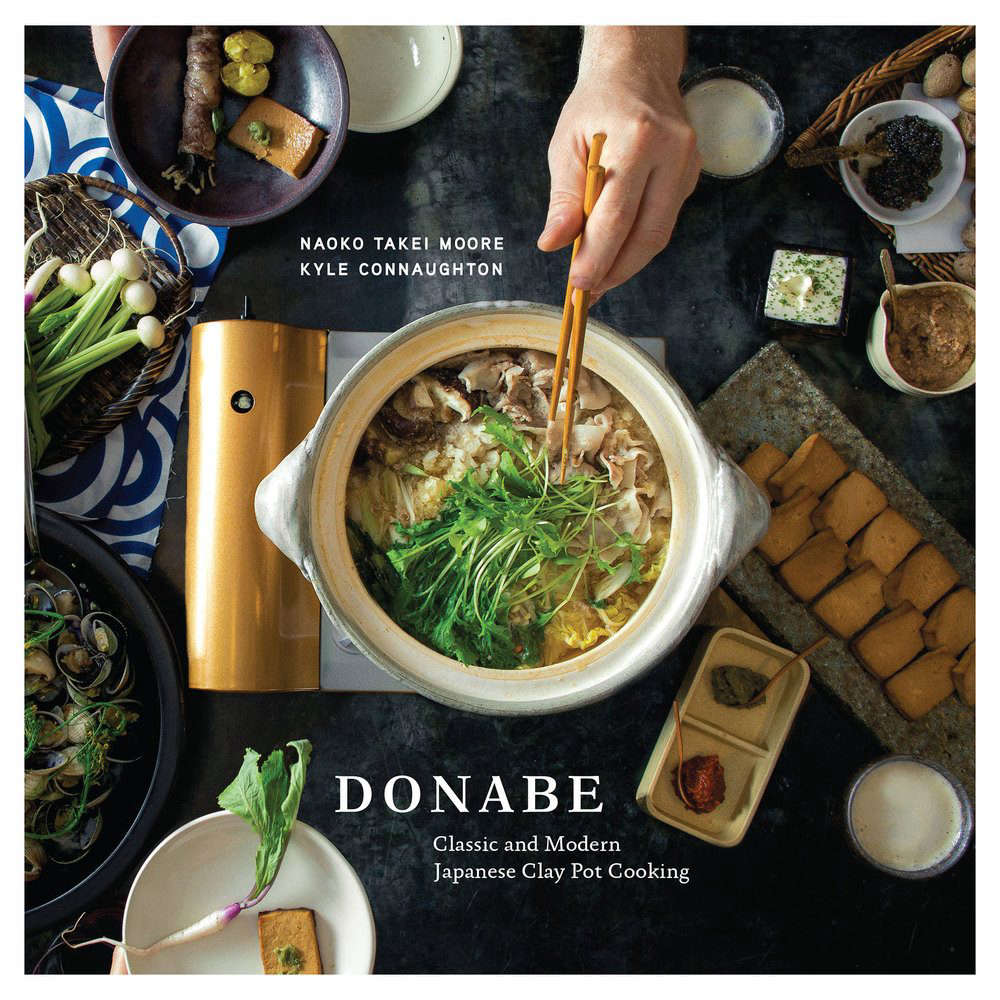

If your Dutch oven and your favorite serving bowl had a stylish, quietly overachieving cousin, it would probably be the donabe. This traditional Japanese clay pot has been a staple of home cooking for generations, yet it feels surprisingly modern in today’s kitchens. It is beautiful enough to bring straight to the table, practical enough for weeknight dinners, and dramatic enough to make even a humble pot of rice feel like an event.
At first glance, donabe cooking can look precious, like something that belongs in a serene countryside kitchen with handmade chopsticks and exactly one perfect radish. In reality, it is comforting, useful, and deeply adaptable. A donabe can simmer hot pot, steam vegetables, cook glossy rice, bubble away with soups and stews, and in some cases even roast or smoke food. It is both a classic piece of Japanese culinary tradition and a modern one-pot hero for cooks who want better flavor with less fuss.
This guide explores what makes donabe special, how it fits into traditional Japanese cooking, why modern cooks are obsessed with it, and how to choose, season, and use one without giving yourself a tiny clay-pot-related panic attack.
What Is a Donabe?
“Donabe” literally means “clay pot” in Japanese, and that simple translation does not quite do it justice. Donabe are earthenware cooking vessels traditionally used for both cooking and serving. In Japan, they are especially associated with nabemono, the family of hot pot dishes that turn dinner into a shared, simmering, come-back-for-another-bite situation.
Some of the most admired donabe come from the Iga region, an area long associated with high-quality pottery. Iga clay is prized for its heat retention and gentle cooking qualities, thanks in part to its mineral-rich character and tiny air pockets formed during firing. That combination helps the pot heat gradually, hold warmth well, and cook food in a steady, even way. In plain English: less scorching, more depth of flavor, and a much better chance that dinner will taste intentional.
Traditional donabe are often round, thick-walled, and fitted with a lid. Many are designed for direct flame, while some modern versions are made for electric or induction cooktops. There are also specialized styles, including rice-cooking donabe, steamers, smokers, and multiuse everyday pots. So yes, this is one category of cookware, but it contains plenty of personalities.
Why Donabe Cooking Feels Different
Gentle heat, deeper flavor
One reason cooks love donabe is the way it manages heat. Compared with thinner metal cookware, a clay pot tends to warm more gradually and stay hot longer. That slower rise in temperature is ideal for dishes that benefit from gentle simmering, like dashi-based hot pots, porridge, soups, braises, and rice. Ingredients soften without getting bullied. Broth develops character instead of tasting like it was rushed through orientation.
Moisture is part of the magic
Clay cookware is famous for creating a moist cooking environment. A covered donabe traps steam efficiently, which helps vegetables stay tender, proteins stay juicy, and rice cook evenly. This is one reason donabe rice has such a devoted following. The grains often come out glossy, plump, and distinct, with a little dramatic flourish in the form of crispy browned rice at the bottom if you want it.
It goes from stove to table beautifully
Donabe is also a serving vessel, which changes the mood of a meal. Instead of plating everything separately, you can bring the entire pot to the table and let people gather around it. That makes dinner feel warm, communal, and a little ceremonial without requiring you to learn any ceremony at all. It is hospitality with a lid.
Classic Japanese Dishes That Made Donabe Famous
Nabemono: the soul of cold-weather comfort
When most people think of donabe, they think of hot pot. For good reason. Nabemono is one of the most classic uses for a donabe, especially in colder months. A simple broth, often based on dashi, becomes the stage for vegetables, tofu, mushrooms, noodles, seafood, or thinly sliced meat. The pot stays at the center of the table while everyone cooks and eats together.
Popular examples include shabu-shabu, where thin slices of beef or pork are briefly swished through hot broth, and sukiyaki, a sweeter, soy-based preparation with meat, tofu, greens, and noodles. There is also yosenabe, a wonderfully flexible hot pot that can hold a mix of seafood, chicken, vegetables, and tofu. This is not a cuisine category built around showing off. It is built around sharing, warmth, and the fact that broth makes everything friendlier.
Rice that earns main-character status
Rice cooked in a donabe has a reputation for a reason. A well-made rice donabe, especially one with a fitted inner design or double lid, can produce fluffy, fragrant rice with exceptional texture. The pot’s heat retention helps continue the cooking even after the flame is turned off, and the resting period matters as much as the active cooking. The result is rice that tastes fuller, sweeter, and somehow more rice-like, which is not a technical term but feels emotionally accurate.
In Japanese cooking, rice is not background wallpaper. It is foundational. Using donabe to cook it highlights that importance. Some cooks use donabe for plain short-grain white rice, while others build complete meals with mushrooms, seasoned proteins, root vegetables, or broth stirred into the pot from the beginning.
Okayu, nabeyaki udon, and other cozy classics
Donabe is also a natural fit for okayu, Japanese rice porridge, because the pot cooks slowly and holds heat so well. It is an ideal comfort food when you want something gentle and warm. Then there is nabeyaki udon, a one-pot noodle dish traditionally served in an earthenware vessel, often with broth, vegetables, tofu, mushrooms, and an egg added near the end. These dishes show that donabe is not just for grand communal meals. It is equally good at quiet, restorative cooking.
How Modern Cooks Use Donabe Today
The modern donabe is not stuck in a culinary museum. It has adapted beautifully to contemporary cooking habits. Today’s cooks use donabe for far more than Japanese hot pot. It works for weeknight stews, bean dishes, braised chicken, seafood soups, vegetable-heavy dinners, and one-pot rice meals that save time and dishwashing. That last benefit deserves its own award category.
Specialized donabe styles have expanded what the cookware can do. Some models are designed for steaming, with inserts that suspend vegetables, dumplings, or fish over simmering water. Others are made for indoor smoking, allowing home cooks to add smoky flavor to ingredients using a compact setup. Certain thicker donabe styles can also handle dry heat applications like roasting or sautéing, though this always depends on the manufacturer’s guidance. Donabe is versatile, but it is not a mind reader. Read the instructions before you decide your pot can do everything except your taxes.
Modern brands have also responded to different kitchens. While many traditional donabe work best over gas or open flame, some newer ceramic designs are compatible with induction cooktops. That means donabe cooking is no longer limited to people with a specific stove setup or a vintage fantasy kitchen full of cedar steam and impeccable knife skills.
How to Choose the Right Donabe
Choosing a donabe starts with a simple question: what do you actually want to cook in it? If the answer is hot pot, soup, and general one-pot meals, a classic round donabe is a great starting point. If your answer is “rice, glorious rice,” consider a rice-focused model built for that purpose. If you are excited by steamed vegetables, dumplings, or fish, a steaming donabe may be more useful. And if you dream of adding smoke to ingredients without owning a backyard smoker, there are donabe designed for that too.
Think about your heat source
This matters more than aesthetics, though ideally you get both. Many traditional donabe are made for gas burners or direct flame and are not suitable for induction. Some are oven-safe. Some are not microwave-safe. Some can be heated empty for roasting or smoking. Others should always have liquid inside. In short, there is no universal donabe rulebook. There is only the manufacturer’s rulebook, and it is smarter than your optimism.
Think about size
A small donabe works well for one or two people, while medium and large models are better for family-style meals. If you want the classic table-centered hot pot experience, size up a little. Nobody wants a communal meal that becomes competitive after three mushrooms and one tofu cube.
Think about daily use
The best donabe is the one you will actually reach for. If you cook rice every day, a rice donabe may change your life. If you love soups, stews, and hot pot, a general-purpose model is probably the better investment. If you are curious but cautious, start with an everyday donabe before buying a whole ceramic extended universe.
How to Season and Care for a Donabe
Seasoning before first use
Many donabe require a first-use seasoning process known as medome. This usually involves simmering a loose rice porridge or starchy rice-water mixture in the pot. The purpose is to help seal tiny pores and strengthen the vessel before regular cooking. Some manufacturers provide specific instructions, and those should always win. If the pot says “season me,” season it. If it says “do not season this way,” do not get creative.
Avoid thermal shock
One of the most important donabe rules is to avoid sudden temperature changes. Never place a hot donabe on a cold wet surface. Do not run cold water into a hot pot. Do not move it from refrigerator-cold to direct high heat without guidance that says it is safe. Clay is sturdy, but it does not enjoy surprises.
Dry it thoroughly
After washing, dry the donabe completely before storing it. Moisture trapped in the clay can lead to odors, mold, or damage over time. Air-drying is essential, and many cooks dry the pot and lid separately to help any hidden moisture escape. This is not glamorous, but neither is discovering funky-smelling cookware when you wanted soup.
Keep cleaning simple
Hand washing is usually the safest approach. Dishwashers are often a no. Prolonged soaking can also be a bad idea, especially if the pot has unglazed areas. Mild soap is acceptable for some donabe, but many users prefer gentle hand washing and careful drying. Again, the pot’s own care instructions matter most.
Practical Tips for Better Donabe Cooking
- Start with lower or medium heat rather than blasting the pot from the beginning.
- Use enough liquid for dishes that require gentle simmering unless your specific donabe is designed for dry cooking.
- Let rice soak when appropriate, especially Japanese short-grain rice.
- Allow resting time after cooking so retained heat can finish the job.
- Bring the donabe to the table on a trivet or heat-safe surface.
- Do not assume all donabe are interchangeable; each style has strengths and limits.
These small habits make a big difference. Donabe cooking rewards patience more than brute force. It is less “full speed ahead” and more “trust the pot.” Conveniently, that is also decent life advice.
The Experience of Donabe Cooking: Why People Fall in Love With It
There is a reason people talk about donabe with the kind of affection usually reserved for old cast-iron skillets, family recipes, or dogs that know exactly when roast chicken is involved. Cooking with a donabe feels different from cooking in standard pots, not just because of the material, but because of the rhythm it creates.
You begin slower. You rinse the rice, prep the vegetables, stir the broth, and place ingredients with a little more care because the vessel itself invites it. The lid goes on, and instead of staring into a pan and poking at everything every thirty seconds, you let the heat do its work. Steam builds. Aroma gathers. The kitchen starts to smell like something meaningful is happening. Even when the recipe is simple, the process feels rich.
Then comes the table moment, and this is where donabe really earns its fan club. You do not hide the pot in the kitchen while plating. You carry it out, set it down, lift the lid, and suddenly dinner has an entrance. The broth is steaming. The rice is fragrant. The vegetables look glossy and alive instead of tired. People lean in. Someone says, “Whoa.” That is not nothing. A good cooking tool changes the food. A great one changes the atmosphere.
Donabe also has a sneaky way of making ordinary meals feel generous. A few mushrooms, tofu, napa cabbage, broth, and noodles can become a meal that feels layered and abundant. Rice with a handful of seasonal ingredients becomes dinner with personality. Even leftovers behave better in a donabe; they taste less like sad refrigerator archaeology and more like a planned encore.
For many cooks, the appeal is emotional as much as practical. The donabe encourages communal eating. It slows people down. It turns dinner into something shared rather than individually assembled in silence while everyone looks at a different screen. You scoop from the same pot. You refill bowls. You keep talking. The meal unfolds instead of disappearing in eight rushed minutes.
And yet donabe is not only about tradition or nostalgia. It fits modern life surprisingly well. It supports one-pot cooking, vegetable-heavy dinners, low-mess meals, and flexible recipes that do not require perfect measurements or ten specialty gadgets. It is ideal for cooks who want food with comfort, texture, and depth but do not want to spend all night washing pans. In other words, it respects both romance and reality.
Perhaps that is why donabe has such staying power. It is beautiful, yes, but it is not decorative fluff. It is useful beauty. It makes dinner taste better, feel warmer, and look more inviting. It asks for a little care, then gives a lot back. That is a pretty good deal for a clay pot.
Final Thoughts
Donabe cooking bridges the old and the new in a way few cookware traditions do. It carries centuries of Japanese culinary wisdom while fitting neatly into modern kitchens that value versatility, comfort, and less cleanup. Whether you want classic hot pot, deeply satisfying rice, gentle soups, steamed vegetables, or modern one-pot meals, donabe gives you a method that is both practical and memorable.
If you are curious, start simple. Cook rice. Make a light broth with tofu and greens. Try a small hot pot on a cool evening. The donabe does not need a grand debut. It just needs a little patience and a little respect. After that, it tends to do what great cookware always does: make you wonder how your kitchen got along without it.