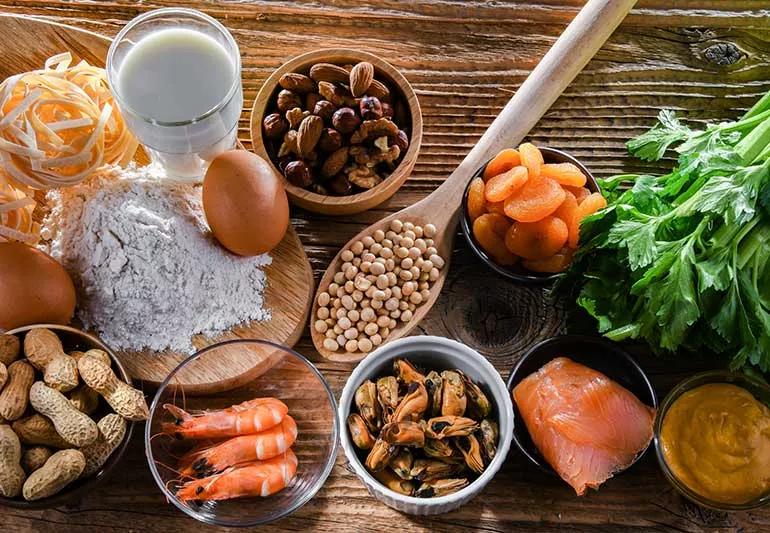

Fat-soluble vitamins sound like something invented by a nutrition professor who wanted dinner to feel like chemistry class. But do not let the scientific name scare you. These vitamins are simply nutrients that dissolve in fat, travel through your body with the help of dietary fats, and can be stored for later use. Think of them as the pantry staples of the vitamin world: useful, powerful, and not something you want to stockpile carelessly like canned beans before a snowstorm.
The four fat-soluble vitamins are vitamin A, vitamin D, vitamin E, and vitamin K. Together, they support vision, immune defense, bones, muscles, blood clotting, skin health, and cell protection. They are essential, but they also come with a special rule: because your body can store them in the liver and fatty tissue, too much from supplements may cause problems. In other words, fat-soluble vitamins are not “the more, the merrier.” They are more like seasoning: enough is great, too much can ruin the soup.
This guide breaks down what fat-soluble vitamins do, where to find them, how to absorb them better, and when supplements deserve a careful second look.
What Are Fat-Soluble Vitamins?
Fat-soluble vitamins are vitamins that dissolve in fats and oils rather than water. Your body absorbs them in the small intestine along with dietary fat. Bile and pancreatic enzymes help package these vitamins into tiny fat-carrying particles so they can move through the bloodstream and reach the tissues that need them.
This is different from water-soluble vitamins, such as vitamin C and most B vitamins, which dissolve in water and are generally not stored in large amounts. Fat-soluble vitamins can hang around longer. That is convenient when intake varies from day to day, but it also means high-dose supplements can build up over time.
The Four Fat-Soluble Vitamins
- Vitamin A: Supports vision, immune function, reproduction, skin, and healthy cell growth.
- Vitamin D: Helps the body absorb calcium and supports bones, muscles, nerves, and immune function.
- Vitamin E: Acts as an antioxidant and helps protect cells from oxidative damage.
- Vitamin K: Supports normal blood clotting and contributes to bone health.
Why Fat Matters for Absorption
Here is the delicious part: fat-soluble vitamins are absorbed better when eaten with some fat. That does not mean you need to chase your carrots with a stick of butter like a cartoon raccoon. A modest amount of healthy fat is enough.
For example, spinach contains vitamin K and carotenoids that your body can convert into vitamin A. Add olive oil, avocado, nuts, seeds, eggs, or salmon to the meal, and absorption improves. A salad with fat-free dressing may look virtuous, but nutritionally, it can be like sending vitamins to the airport without a boarding pass.
Vitamin A: The Vision and Immunity Vitamin
Vitamin A is best known for supporting eyesight, especially low-light vision. It also plays a major role in immune function, growth, reproduction, and maintaining healthy skin and mucous membranes. Those membranes line areas such as the eyes, lungs, and digestive tract, acting like the body’s polite but firm front desk staff.
Types of Vitamin A
Vitamin A comes in two main forms. Preformed vitamin A, also called retinol, is found in animal foods. Provitamin A carotenoids, such as beta-carotene, are found in plant foods and can be converted by the body into active vitamin A.
Best Food Sources of Vitamin A
- Liver and fish oils
- Eggs and dairy products
- Sweet potatoes
- Carrots
- Spinach, kale, and collard greens
- Pumpkin, cantaloupe, and red peppers
Orange and dark green produce often earns its color from carotenoids. Your plate gets prettier, and your body gets useful nutrients. That is what experts call a win-win, and what dinner calls “finally, some color.”
Can You Get Too Much Vitamin A?
Yes, especially from high-dose supplements or frequent intake of liver products. Too much preformed vitamin A can be harmful and may affect the liver, bones, skin, and pregnancy health. Beta-carotene from food is generally safer because the body regulates conversion, although very high supplemental beta-carotene is not recommended for everyone, especially people with certain smoking histories.
Vitamin D: The Sunshine Vitamin With a Bone Job
Vitamin D is famous as the “sunshine vitamin” because the skin can make it when exposed to ultraviolet B rays from sunlight. But vitamin D is not just a sunny personality. It helps the body absorb calcium and phosphorus, which are essential for building and maintaining strong bones and teeth.
Without enough vitamin D, bones can become weak, thin, brittle, or misshapen. Children may develop rickets, while adults may develop osteomalacia. Vitamin D also supports muscle function, nerve signaling, immune activity, and inflammation regulation.
Best Food Sources of Vitamin D
- Fatty fish such as salmon, trout, sardines, and tuna
- Fish liver oils
- Egg yolks
- Fortified milk and plant milks
- Fortified breakfast cereals
- Fortified orange juice
Vitamin D is naturally present in relatively few foods, which is why fortified foods play such a big role in the American diet. Many people also have vitamin D levels checked by a healthcare professional, especially if they have limited sun exposure, darker skin, older age, certain digestive disorders, or follow a diet low in vitamin D-rich foods.
Vitamin D Supplements: Helpful, But Not Candy
Vitamin D supplements can be useful when a deficiency or increased need is present. However, taking very high doses without medical guidance can raise calcium levels too much and may cause serious health issues. With vitamin D, the goal is not to become a human solar panel. The goal is enough, safely.
Vitamin E: The Antioxidant Defender
Vitamin E is a group of compounds, with alpha-tocopherol being the main form used by the human body. Its biggest claim to fame is antioxidant activity. Antioxidants help protect cells from damage caused by free radicals, which are unstable molecules produced during normal metabolism and from exposures such as pollution, cigarette smoke, and ultraviolet light.
Vitamin E also supports immune function and helps maintain healthy blood vessels. It is often found in foods that contain healthy fats, which makes sense because vitamin E is fat-soluble and enjoys traveling with the good-fat crowd.
Best Food Sources of Vitamin E
- Sunflower seeds
- Almonds and hazelnuts
- Peanut butter
- Wheat germ oil
- Sunflower, safflower, and other vegetable oils
- Spinach and broccoli
- Avocado
Food sources of vitamin E are usually the safest and most practical way to meet needs. A handful of nuts or seeds can add vitamin E, healthy fats, protein, and crunch. Crunch, frankly, is underrated in nutrition.
Can Vitamin E Supplements Be Risky?
High-dose vitamin E supplements may interfere with blood clotting and can increase bleeding risk, especially for people taking blood-thinning medication or preparing for surgery. Vitamin E from food is not known to cause the same concern in healthy people. This is another reason the food-first approach keeps winning the nutrition popularity contest.
Vitamin K: The Clotting and Bone Support Vitamin
Vitamin K is essential for making proteins involved in normal blood clotting. Without it, even small injuries could become more complicated. Vitamin K also helps activate proteins involved in bone metabolism, making it important for skeletal health.
Types of Vitamin K
Vitamin K comes mainly in two forms. Vitamin K1, or phylloquinone, is found mostly in leafy green vegetables. Vitamin K2, or menaquinones, is found in some animal foods and fermented foods and can also be produced in small amounts by bacteria in the gut.
Best Food Sources of Vitamin K
- Kale
- Spinach
- Collard greens
- Turnip greens
- Broccoli
- Brussels sprouts
- Soybean and canola oils
- Some fermented foods
Leafy greens are vitamin K superstars. If kale had a publicist, vitamin K would be the headline. But even if kale is not your soulmate, spinach, broccoli, and Brussels sprouts can help you get there.
Vitamin K and Blood Thinners
Vitamin K deserves special attention for people taking warfarin or similar blood-thinning medications. The key is usually consistency, not avoidance. Suddenly eating much more or much less vitamin K can affect how the medication works. Anyone taking warfarin should follow their healthcare provider’s guidance before changing vitamin K intake or taking supplements.
Fat-Soluble Vitamins vs. Water-Soluble Vitamins
The main difference is storage. Fat-soluble vitamins can be stored in the liver and fatty tissue. Water-soluble vitamins generally leave the body more easily through urine when consumed in excess, although some can still cause problems at very high doses.
This storage ability gives fat-soluble vitamins a longer-lasting effect, but it also raises the stakes. Taking multiple supplements that contain vitamin A, D, E, or K can quietly add up. A multivitamin, a “hair and nails” supplement, a high-dose D capsule, and a fortified protein shake may look innocent separately. Together, they can become a nutritional group project nobody volunteered to supervise.
Who May Need to Pay Extra Attention?
Most people can get fat-soluble vitamins through a balanced diet, fortified foods, and sensible sun exposure for vitamin D. However, some groups may need monitoring or professional guidance.
People With Fat Malabsorption
Because these vitamins depend on fat absorption, people with conditions affecting bile flow, pancreatic function, or intestinal absorption may have trouble getting enough. This can include certain digestive diseases, liver or gallbladder problems, cystic fibrosis, celiac disease, inflammatory bowel disease, or a history of bariatric surgery.
Older Adults
Older adults may be at greater risk for low vitamin D because skin becomes less efficient at producing it from sunlight. Appetite changes, limited outdoor time, medication use, and chronic health conditions may also affect vitamin status.
People With Limited Sun Exposure
People who spend most of the day indoors, cover most skin for cultural or medical reasons, live in northern climates, or regularly use strong sun protection may have lower vitamin D production. Sun protection is still important for skin health, so the best approach is often a discussion with a healthcare provider about diet, testing, and supplementation if needed.
Pregnant or Breastfeeding People
Needs for some nutrients change during pregnancy and breastfeeding. Vitamin A is especially important to manage carefully because too much preformed vitamin A can be harmful during pregnancy. Prenatal supplements should be chosen with professional guidance.
How to Get Fat-Soluble Vitamins From Food
A practical way to cover your bases is to build meals that include colorful plants, quality protein, healthy fats, and fortified foods when appropriate. You do not need a spreadsheet, a lab coat, or a dramatic kitchen montage.
Simple Meal Examples
- Breakfast: Eggs with spinach and whole-grain toast, plus fortified milk or fortified plant milk.
- Lunch: Salmon salad with leafy greens, avocado, olive oil dressing, and roasted sweet potato.
- Snack: Greek yogurt with almonds or sunflower seeds.
- Dinner: Turkey or tofu bowl with broccoli, carrots, brown rice, and a tahini or olive oil-based sauce.
These meals naturally combine fat-soluble vitamins with dietary fat, helping absorption while keeping the overall eating pattern balanced.
Smart Supplement Tips
Supplements are not automatically bad. They can be useful, even necessary, in the right situation. The problem is casual megadosing, especially when people take several products at once without checking labels.
Before Taking a Fat-Soluble Vitamin Supplement
- Check whether your multivitamin already contains vitamins A, D, E, or K.
- Look at the percent Daily Value on the Supplement Facts label.
- Avoid high-dose products unless recommended by a healthcare professional.
- Ask about interactions if you take blood thinners, cholesterol medications, weight-loss drugs, seizure medications, or other long-term prescriptions.
- Choose reputable brands that use third-party testing when possible.
The FDA requires certain nutrients, including vitamin D, to appear on Nutrition Facts labels when present in foods, and the percent Daily Value helps show how much a serving contributes to daily needs. Use that label like a mini nutrition GPS. It may not make dinner, but it can prevent you from driving into supplement overload.
Common Myths About Fat-Soluble Vitamins
Myth 1: If a Little Is Good, More Is Better
Not with fat-soluble vitamins. Because they can accumulate, excessive intake from supplements may lead to toxicity. More is not always better; sometimes more is just expensive urine’s more dangerous cousin.
Myth 2: You Need Supplements to Be Healthy
Many people can meet needs with food, fortified products, and healthy habits. Supplements should fill a real gap, not replace a balanced diet.
Myth 3: Fat-Free Meals Are Always Healthier
Your body needs some fat to absorb vitamins A, D, E, and K. The better strategy is choosing unsaturated fats from foods such as olive oil, nuts, seeds, avocado, and fatty fish while limiting excessive saturated fat and avoiding trans fat.
Myth 4: Vitamin K Should Be Avoided on Blood Thinners
For many people taking warfarin, the goal is steady vitamin K intake, not total elimination. Major diet changes should be discussed with a healthcare provider.
Experience-Based Tips: Living With Fat-Soluble Vitamins in Real Life
In real life, nutrition rarely happens in perfect textbook conditions. People forget breakfast, eat lunch in the car, buy supplements because the bottle has a shiny label, and occasionally declare a bag of popcorn “dinner with personality.” Understanding fat-soluble vitamins is useful because it makes everyday decisions easier, not because it turns your kitchen into a medical seminar.
One practical experience many people notice is that meals feel more satisfying when they include a small amount of healthy fat. A bowl of plain vegetables may be nutritious, but add olive oil, avocado, nuts, seeds, or a boiled egg, and suddenly it becomes a meal instead of a side quest. That little bit of fat can help with absorption of vitamins A, E, and K from vegetables. It also improves flavor, which matters because nobody sticks with a healthy eating plan that tastes like cardboard wearing a seatbelt.
Another common lesson is that vitamin D is tricky. Someone may eat well and still have low vitamin D, especially if they spend most of their time indoors or live in a place with limited sunlight during part of the year. That does not mean they failed at nutrition. It means vitamin D depends on several factors, including sun exposure, skin tone, age, body size, diet, and health conditions. When vitamin D is a concern, testing and professional guidance are better than guessing with random high-dose supplements.
Supplement labels are also an eye-opener. Many people do not realize that the same nutrient can appear in several products. A multivitamin may contain vitamin D. A calcium supplement may add vitamin D. A protein shake may be fortified with vitamin D. A separate “immune support” product may add more. Individually, each product may look reasonable. Together, they may be more than intended. Reading labels is not glamorous, but neither is explaining to your body why you treated the supplement cabinet like a buffet.
For vitamin A, a food-first strategy is especially practical. Colorful fruits and vegetables provide carotenoids along with fiber, potassium, and other helpful plant compounds. Sweet potatoes, carrots, spinach, kale, pumpkin, and cantaloupe are easy examples. They bring vitamin A potential without the same toxicity concern associated with high-dose preformed vitamin A supplements. Liver is very rich in vitamin A, but because it is so concentrated, it should not be eaten excessively.
Vitamin E is another nutrient where food usually makes more sense than pills. Nuts, seeds, and vegetable oils offer vitamin E along with healthy fats. A snack like almonds or sunflower seeds can be simple, portable, and more enjoyable than swallowing another capsule. High-dose vitamin E supplements are not harmless for everyone, especially people with bleeding risks or medication concerns.
Vitamin K teaches one of the best nutrition lessons: consistency matters. Leafy greens are healthy, but for people taking warfarin, sudden changes in intake can interfere with medication management. The answer is not to fear spinach like it owes you money. The answer is to keep intake steady and follow medical advice. Nutrition should work with healthcare, not sneak around behind its back.
The biggest real-world takeaway is this: fat-soluble vitamins reward balance. Eat colorful plants. Include healthy fats. Use fortified foods wisely. Be cautious with high-dose supplements. Ask questions when medications or medical conditions are involved. Your body does not need perfection; it needs consistency, variety, and fewer decisions made while staring at a supplement aisle at 10 p.m.
Conclusion
Fat-soluble vitamins A, D, E, and K are small nutrients with big responsibilities. They help you see, move, heal, clot, build strong bones, protect cells, and maintain healthy immune function. Because they dissolve in fat and can be stored in the body, they should be respectednot feared, not ignored, and definitely not megadosed for fun.
The best approach is simple and surprisingly normal: eat a varied diet with colorful fruits and vegetables, include healthy fats, choose fortified foods when useful, read supplement labels, and talk with a healthcare professional before taking high-dose products. Fat-soluble vitamins are essential, but balance is the secret sauce. Preferably served with olive oil.