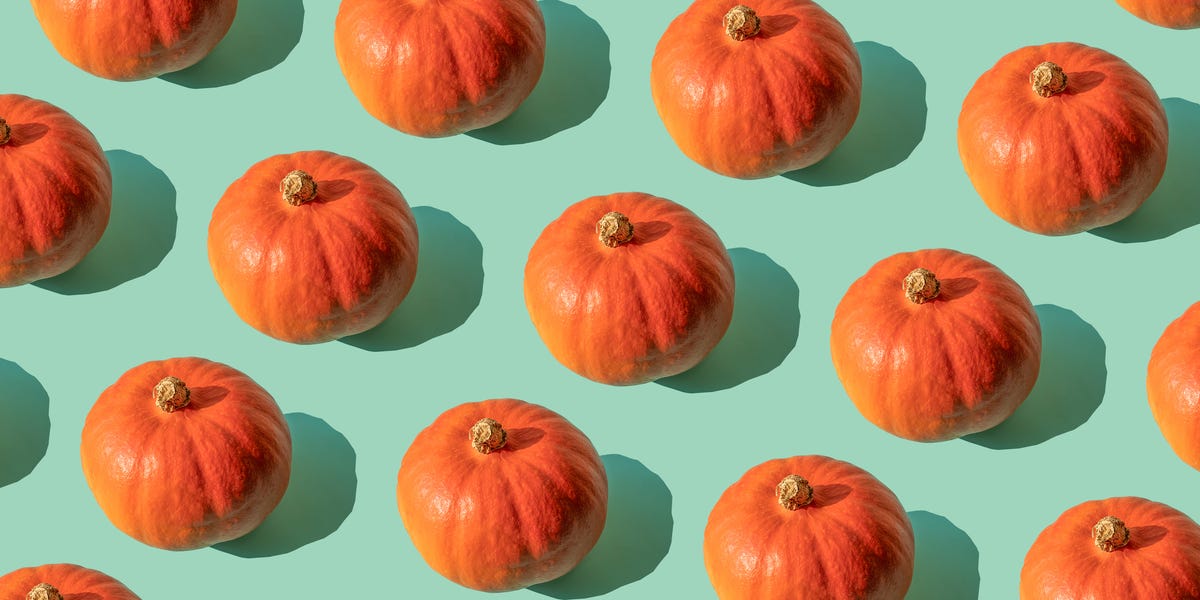

Every fall, pumpkins take over America like they own the place. They show up on porches, in pies, in lattes, in soups, and in that one neighbor’s yard display that somehow involves twelve hay bales, a wagon wheel, and several questionable scarecrows. But once the decorations are up and the pumpkin bread is cooling on the counter, one sneaky question always rolls back into the conversation: is pumpkin a fruit or a vegetable?
Here’s the quick answer: pumpkin is botanically a fruit. Not “sort of.” Not “only when it feels like it.” Not “depends on the weather.” A pumpkin is a fruit because it develops from the flower of the plant and contains seeds. That is the science-based definition. Case closed.
Well, mostly closed. Because in everyday cooking, pumpkins are often treated like vegetables. They show up in savory dishes, they sit next to squash at the grocery store, and nobody slices one into a lunchbox fruit salad unless they are very committed to chaos. So the confusion is understandable.
In this article, we’ll break down exactly why pumpkin counts as a fruit, why so many people still call it a vegetable, how pumpkins fit into the larger squash family, and why the answer depends on whether you’re talking like a botanist or like a cook. We’ll also dig into pumpkin’s history, nutrition, and real-life experiences that make this question weirdly fun to argue about.
The Short Answer: Pumpkin Is a Fruit
From a botanical perspective, a fruit is the mature ovary of a flowering plant. In plain English, that means if a food grows from the flower and carries seeds, it qualifies as a fruit. Pumpkins do exactly that. They grow from the yellow-orange blossoms of pumpkin vines, and inside each pumpkin is a cluster of seeds just waiting for a gardener, squirrel, or enthusiastic pie baker to deal with them.
That single fact is the entire reason pumpkins belong in the fruit category. The plant flowers, pollination happens, the ovary matures, seeds develop, and the pumpkin forms. It is textbook fruit behavior. Pumpkin may wear a rugged orange shell and have the personality of a Halloween decoration, but scientifically, it is still a fruit.
In fact, pumpkins belong to the Cucurbita genus and the cucumber family, Cucurbitaceae. That family includes cucumbers, melons, gourds, zucchini, and other squashes. So if you have ever accepted that cucumber is technically a fruit, pumpkin is right there with it, wearing a thicker rind and demanding more shelf space.
Why People Think Pumpkin Is a Vegetable
If pumpkin is a fruit, why does half the population confidently call it a vegetable? Because most people are using a culinary definition, not a botanical one.
In the kitchen, “fruit” usually means sweet or tart foods that are eaten raw, turned into desserts, or used in jams. “Vegetable” usually means savory plant foods served with dinner, roasted on sheet pans, stirred into soups, or sautéed until someone says, “This needs more garlic.” Pumpkin fits that second category a lot of the time.
Think about how pumpkin is commonly used. Roasted pumpkin cubes? Savory. Pumpkin soup? Savory. Pumpkin curry? Savory. Even pumpkin pie, the queen of pumpkin dishes, needs sugar, cinnamon, nutmeg, ginger, cloves, and a generous amount of help before it tastes like dessert. Left on its own, pumpkin is earthy, mild, and more squash-like than candy-like.
That culinary reality makes people group it with vegetables. And honestly, that is not wrong in everyday conversation. In food culture, ingredients often get categorized by flavor, use, and meal context. So in a kitchen, pumpkin can absolutely live a vegetable lifestyle. In botany, though, it remains firmly on Team Fruit.
Botany vs. Cooking: The Real Reason This Debate Never Dies
The pumpkin question survives because it sits at the intersection of two different systems of classification.
Botanical classification
Botanists classify plants by structure and reproduction. They care about how the plant develops, what tissue becomes edible, and whether seeds are involved. By that standard, pumpkin is a fruit because it develops from the flower’s ovary and contains seeds.
Culinary classification
Cooks classify foods by flavor, texture, and how they are used in meals. If it tastes savory and ends up beside the roast chicken instead of beside the ice cream, it gets called a vegetable. That’s why tomatoes, cucumbers, eggplants, peppers, zucchini, and pumpkins spend their lives confusing everybody at family dinners.
So the smartest answer to “Is pumpkin a fruit or vegetable?” is this: botanically, it is a fruit; culinarily, it is often treated like a vegetable. Both ideas can exist at the same time, as long as we are clear about the category we are using.
What Kind of Fruit Is a Pumpkin?
Now for the part that makes plant science sound like it has its own secret club vocabulary: a pumpkin is a type of berry called a pepo.
Yes, really. Pumpkin is technically a berry in botanical terms. You may take a moment to emotionally process that information.
A pepo is a specialized kind of berry with a hard outer rind and fleshy inside, typical of the cucurbit family. Watermelons, cucumbers, and squash also fall into this category. So when someone says a pumpkin is a fruit, they are not using a cute metaphor. They are making a direct botanical claim.
This is also why appearance can be so misleading. People expect fruit to be juicy, delicate, and snackable. Pumpkins are big, tough, ribbed, and look like they could survive a minor collision. But fruit does not have to look like a grape or taste like a peach. Botanically, fruit is about structure and seed-bearing function, not dessert potential.
Where Pumpkins Fit in the Squash Family
Pumpkins are commonly described as a type of winter squash, and that description helps clear up a lot of confusion. “Squash” is a broader group. “Pumpkin” is a common name used for certain round, hard-rinded, orange or orange-ish fruits produced by several closely related species.
Most traditional pumpkins belong to Cucurbita pepo, but other pumpkins can come from Cucurbita maxima, Cucurbita moschata, and Cucurbita argyrosperma. That means “pumpkin” is not one single perfectly tidy botanical box. It is more like a common-use label that overlaps with several squash species.
This is why you will see pie pumpkins, giant pumpkins, carving pumpkins, and decorative pumpkins that all look related but behave differently in the kitchen. A giant fair pumpkin may be impressive, but it is not necessarily the one you want in your pie. A small sugar pumpkin is far more likely to have dense, sweet, smooth flesh suitable for cooking.
So yes, pumpkin is a fruit. It is also a squash. These ideas are not fighting. They are just answering different questions.
How Pumpkins Grow Proves the Point
If you ever want to settle the debate in the most satisfying way possible, go look at a pumpkin plant in the garden.
Pumpkin vines produce separate male and female flowers on the same plant. The female flower has a tiny swollen structure at its base that already looks like a miniature pumpkin. Once pollination occurs, that swelling develops into the mature pumpkin. That is the fruit-forming process in action.
It is one of those wonderful gardening moments where biology stops being abstract. You can literally see the future pumpkin attached behind the blossom. The plant is not making a leaf, a root, or a stem for us to eat. It is making a seed-bearing reproductive structure. That’s fruit territory, no debate required.
Pumpkin in American Food and History
Pumpkin is deeply tied to North American food history. It has been cultivated in the Americas for thousands of years and was used by Indigenous peoples long before pumpkin spice became a commercial personality trait. Pumpkin flesh could be eaten fresh, dried for later use, and cooked into breads, soups, and other dishes. Seeds were also valued as food.
When European settlers encountered pumpkin in the Americas, they adopted it quickly. Over time, pumpkin became woven into American cooking traditions, especially in autumn and around Thanksgiving. Early forms of pumpkin pie were very different from the smooth canned-pumpkin dessert many people know today, but the pumpkin-and-spice connection has deep roots.
That long culinary history also helps explain why people instinctively call pumpkin a vegetable. It has been cooked like one for centuries. It has filled soups, porridges, pies, breads, and side dishes. It behaves like a versatile pantry ingredient, not a grab-and-go snack fruit. Culturally, it feels more like squash than like strawberries. Scientifically, though, culture does not get the final vote.
Is Pumpkin Healthy? Absolutely.
The fruit-versus-vegetable debate is fun, but let’s not ignore the practical part: pumpkin is good for you either way.
Pumpkin is low in calories and provides fiber, potassium, and carotenoids such as beta-carotene, which the body converts into vitamin A. That orange color is not there for decoration. It is a clue that pumpkin contains compounds associated with eye health and normal immune function. Pumpkin seeds also bring their own nutritional perks and can turn into an excellent crunchy snack if roasted properly.
In other words, whether you think of pumpkin as a fruit, a vegetable, or “that thing I only buy in October,” it earns a place on the table. It can work in sweet dishes, savory recipes, purees, breads, soups, sauces, and roasted sides. Few foods move between dinner and dessert with such confidence.
Common Pumpkin Examples That Confuse People
Jack-o’-lantern pumpkins
These are usually grown for carving, not flavor. They tend to be large, watery, and stringy. Yes, they are fruits. No, they are not your best choice for pie unless you enjoy culinary adversity.
Pie or sugar pumpkins
These smaller pumpkins are bred for cooking. Their flesh is sweeter, denser, and smoother, which makes them ideal for baking and pureeing. They are still fruits, just more deliciously cooperative ones.
Canned pumpkin
Here’s a curveball: canned pumpkin in the United States is often made from varieties of winter squash that have pumpkin-like qualities. So even the thing labeled “pumpkin” sometimes lives in the gray area between common naming and botanical precision. The pantry keeps the debate alive.
So, Is Pumpkin a Fruit or a Vegetable?
Let’s settle it cleanly.
Pumpkin is a fruit by botanical definition because it develops from a flower and contains seeds. It is often treated as a vegetable in cooking because of its mild flavor and savory uses. If you are answering a science quiz, choose fruit. If you are organizing your grocery list, nobody will arrest you for placing it under vegetables.
The bigger lesson here is that food categories depend on context. Science looks at plant anatomy. Cooking looks at taste and use. Pumpkin just happens to sit in the middle of that overlap like a round orange ambassador of confusion.
And maybe that is part of its charm. Pumpkin is a fruit that people cook like a vegetable, decorate like a holiday mascot, and sweeten until it tastes like nostalgia. Honestly, that is a pretty impressive résumé for one humble squash.
Experiences Related to “Is Pumpkin a Fruit or Vegetable?”
One of the funniest things about the pumpkin debate is how often it shows up in ordinary life. It is not just a trivia-night question. It pops up in classrooms, kitchens, grocery stores, and gardens, usually when someone says the answer with great confidence and is immediately challenged by someone else who is also very confident. That is how pumpkin becomes the star of a tiny, harmless identity crisis every fall.
A common experience happens at the grocery store. People walk past a bin of pumpkins near the squash, potatoes, onions, and other vegetables, and their brain quietly files pumpkin under “vegetable” without a second thought. Then later they hear that pumpkin is a fruit and react as if science has personally betrayed them. It feels wrong at first because shopping habits are powerful. Store layout wins a lot of arguments before the argument even starts.
Gardening gives people a very different experience. Anyone who has watched a pumpkin vine grow often becomes convinced by the biology almost instantly. You notice the flowers. You see bees moving pollen around. You spot the tiny baby pumpkin swelling behind the blossom. Suddenly the answer becomes much less mysterious. The plant is showing you, in real time, how fruit forms. Many gardeners say this is the moment the debate stops feeling theoretical and starts feeling obvious.
Cooking creates another layer of confusion. Someone roasts pumpkin with olive oil, salt, and herbs, serves it beside chicken or pasta, and thinks, “This is definitely a vegetable.” Then a week later the same ingredient appears in pie, muffins, pancakes, or cheesecake. Pumpkin manages to perform in both sweet and savory roles so well that it keeps tricking people into thinking classification should follow flavor. But flavor is not the rule book in botany.
Then there is the school experience. Teachers love asking whether pumpkin is a fruit or vegetable because it forces students to separate everyday language from scientific language. It is a perfect example of how ordinary speech can differ from technical definitions. Students often guess vegetable first, then remember the seed rule, and suddenly start re-evaluating tomatoes, cucumbers, peppers, and zucchini too. Pumpkin becomes the gateway to a whole new understanding of plant science.
Family conversations may be the most entertaining of all. Around Halloween or Thanksgiving, somebody inevitably declares, “Pumpkin is obviously a vegetable,” and another person counters, “Nope, it has seeds, so it’s a fruit.” Then a third person says, “I don’t care what it is, pass the pie,” which is honestly the most emotionally balanced response in the room. Pumpkin has a talent for turning a simple side topic into a full-blown dinner-table debate with whipped cream nearby.
All of these experiences point to the same conclusion: pumpkin feels like a vegetable in everyday life, but the science keeps bringing it back to fruit. That little clash between what we see, what we cook, and what biology says is exactly why the question stays interesting year after year.