
If “drink more water” has been on your to-do list since approximately the dawn of time, welcome.
You’re not lazyyou’re human. Water is the easiest healthy habit to underestimate because it’s not flashy.
It doesn’t beep, sparkle (unless you like it carbonated), or come with a loyalty program.
But once you make hydration automatic, everything elseenergy, workouts, even snack decisionsgets a little less chaotic.
This guide breaks down four practical, real-life ways to drink more water every daywithout turning your day into a never-ending
game of “Where did I put my bottle?” We’ll keep it simple, flexible, and mildly entertaining (because hydration shouldn’t feel like homework).
Why “More Water” Matters (and When It Might Not)
Your body uses water for basically everything: regulating temperature, moving nutrients around, cushioning joints, and helping your kidneys
do their “take out the trash” job. You also lose water constantly through breathing, sweating, and bathroom breaksyes, even when you’re just
sitting dramatically at your desk.
The tricky part: your personal water needs aren’t a single magic number. They change with your activity level, climate, diet, and even certain
medications or medical conditions. Also, “water intake” doesn’t mean only plain waterfluids from other drinks and moisture-rich foods count too.
A helpful rule: aim for steady hydration across the day, not a frantic “chug-a-thon” at 9 p.m. because you forgot to drink anything since lunch.
And if a clinician has told you to limit fluids (certain heart, kidney, or other conditions), follow that guidance.
1) Make Water the Default by Designing Your Environment
The easiest glass of water to drink is the one that’s already within arm’s reach. If water is inconvenient, your brain will quietly
choose something elsecoffee, soda, “I’ll do it later,” or (my personal favorite) “I’m not thirsty” while your lips are basically sandpaper.
Pick a bottle you actually like using
This sounds silly until you realize how many people own a water bottle they hate. Maybe it leaks. Maybe it’s too heavy. Maybe the straw
tastes like “dishwasher regret.” The fix is simple: choose a bottle that matches your life.
- Desk life: a larger bottle you refill once or twice (less “get up” friction).
- On-the-go: lighter bottle that fits your car cup holder and bag.
- Cold water fanatic: insulated bottle so you’re not sipping lukewarm disappointment.
Put water where your eyeballs live
Hydration improves dramatically when you stop trusting memory. Try “water stations”:
- Nightstand (so you start the day with water before your phone starts a drama).
- Desk (front and center, not behind the monitor like it’s in witness protection).
- Kitchen counter (visible reminder every time you pass through).
- Gym bag or car (because “I forgot my bottle” is a classic plot twist).
Add friction to sugary drinks
You don’t need to ban everything fun. Just make the default choice easier:
- Keep water cold and ready.
- Keep sugary drinks out of immediate reach (not “illegal,” just less automatic).
- If you buy sweet drinks, buy single servings instead of a multi-pack that moves in permanently.
The goal is not willpower. The goal is making “drink more water” the path of least resistance.
2) Attach Water to Existing Routines (Habit Stacking)
If you wait until you’re thirsty, you’ll often miss the windowespecially on busy days. A better approach is to attach water to things
you already do on autopilot. This turns hydration into a routine, not a decision.
Use “anchor moments” you already have
Choose a few reliable moments and add a small water rule. Examples:
- Morning: drink a glass of water after brushing your teeth.
- Meals: drink a glass (or half a bottle) with breakfast and lunch.
- Medications/vitamins: always take them with a full glass of water.
- Meetings: sip water during every meeting (it also gives your hands something to do besides doom-scroll).
- Bathroom breaks: refill your bottle every time you go.
Try the “tiny rule” approach
Big goals can backfire if they feel intense. Tiny rules are oddly powerful:
- Two big sips every time you check email.
- Finish one bottle by lunchtime.
- Drink water before you snack.
These work because they’re specific, repeatable, and don’t require negotiating with your future self.
Build a predictable pattern (without obsessing)
A steady pattern is easier than tracking every ounce. Many people do well with a simple rhythm:
morning water + water with meals + water during activity + an afternoon top-off.
You’re basically creating “hydration appointments” that happen whether you remember them or not.
3) Make It Taste Better Without Turning It Into Dessert
Let’s be honest: sometimes plain water feels boring. That doesn’t mean you’re doomed.
It means you need options that keep water enjoyablewithout replacing water with a sugar bomb that happens to be liquid.
DIY infused water (a.k.a. water with a personality)
Infusing water is one of the easiest ways to drink more without “forcing” it. Toss any of these into a pitcher or bottle:
- Lemon + cucumber
- Orange + mint
- Strawberries + basil
- Lime + ginger
- Watermelon cubes (yes, it’s a thing, and it’s great)
Pro tip: if you gently mash (muddle) fruits or herbs, you’ll get stronger flavorbut you may want to strain to avoid the “mystery pulp”
experience at the bottom.
Sparkling water, seltzer, and unsweetened options
If bubbles make you happy, that’s allowed. Unsweetened sparkling water can be a great bridge for people who want “something” but don’t want
the added sugars found in many sodas and sweet drinks.
Be strategic about flavored waters and “hydration” drinks
Not all flavored waters are the same. Some are basically soda wearing a trench coat. If you buy flavored water, check the label:
added sugars and calories matter if you’re using it daily.
And yeselectrolytes can be helpful in specific situations (like long, sweaty workouts), but most everyday hydration needs can be met with
water and regular meals. Hydration products are tools, not requirements.
4) Track, Tweak, and Let Your Body Be the Dashboard
Some people thrive on tracking. Others hear the word “tracking” and immediately want to take a nap.
Good news: you can monitor hydration with as much or as little data as you like.
Know a reasonable targetthen personalize it
General guidelines for total daily fluids (from drinks and foods) often land around
about 3.7 liters (15.5 cups) for men and about 2.7 liters (11.5 cups) for women.
But your “right amount” depends on you: heat, exercise, body size, pregnancy/breastfeeding, diet, and health conditions all influence needs.
Instead of obsessing over a perfect number, start with a practical baseline:
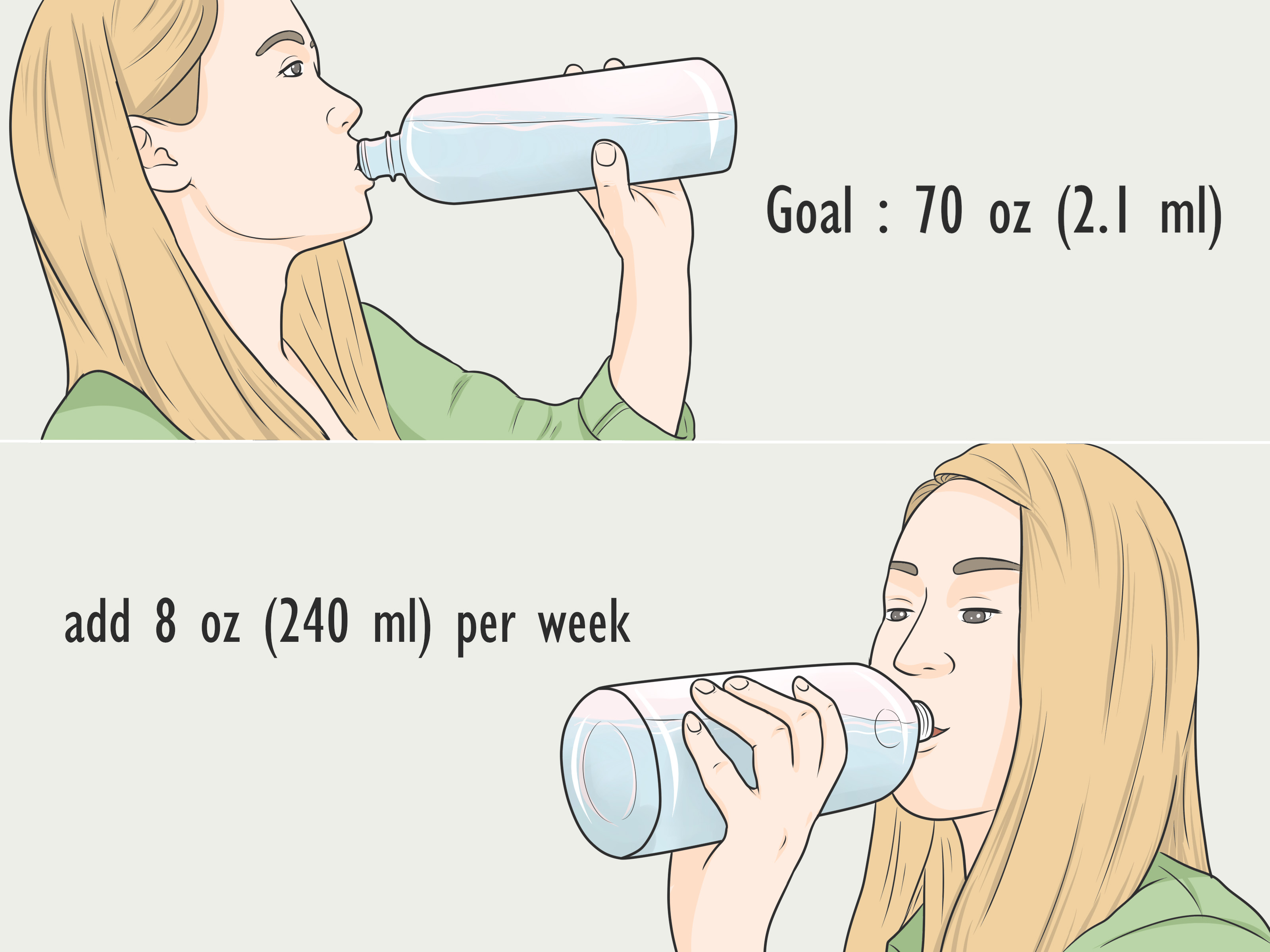
track what you currently drink for two normal days, then increase gradually.
Use the easiest tracking method you’ll actually do
- Bottle math: If your bottle is 24 oz, aim for three refills to hit ~72 oz. Adjust as needed.
- Time blocks: Finish 25–30% by late morning, 50% by mid-afternoon, the rest by evening.
- Light reminders: A couple phone alarms (“Water check”) beat 18 alarms that make you hate your phone.
- Visual cues: Put a rubber band on your bottle and move it down each time you finish one bottle.
Check hydration signals (without going full detective mode)
Your body gives clues. Common signs you may need more fluids include feeling thirsty, headaches, fatigue, and darker urine.
Many people use urine color as a simple hydration check: pale yellow often suggests you’re well-hydrated, while darker yellow can suggest you need more fluids.
One more important note: you don’t need to “catch up” by guzzling huge amounts quickly.
Overhydration is uncommon in healthy adults, but drinking excessive water in a short time can be riskyespecially during endurance events
without enough electrolytes. Spread intake throughout the day, and adjust for sweaty workouts and hot weather.
Plan for workouts and hot days
If you’re exercising, especially in heat, hydration needs go up. For longer sessions (often over an hour), some people may benefit from electrolytes,
depending on sweat rate and intensity. For everyday movement and shorter workouts, water is usually sufficient.
Quick Fixes for Common Water Problems
“I keep forgetting.”
- Put a full bottle where you’ll see it first thing.
- Attach water to meals and meetings.
- Use two reminders max: one late morning, one mid-afternoon.
“I drink more water, and now I live in the bathroom.”
- Increase intake gradually over a week or two.
- Spread water evenly instead of chugging.
- Drink more earlier in the day, taper slightly in the evening.
“I don’t like plain water.”
- Try cold water, sparkling water, or infused water.
- Use a straw lid (it increases sipping for many people).
- Pair water with a routine: coffee first, then water (no guilt, just sequencing).
Real-Life Water Wins (and the Occasional Bathroom Sprint)
Here’s what it often looks like when people actually start drinking more waternot in a perfect “new me” montage, but in real life,
where your calendar is rude and your brain forgets things it literally cares about.
The Desk Worker Experiment: Someone decides they’ll “drink more water” and buys a fancy bottle. Day one: they drink exactly
three heroic sips and then forget the bottle exists until 4:47 p.m., when they discover it has been staring at them from behind the monitor
like a neglected plant. The fix isn’t motivationit’s placement. Once the bottle moves to the front of the desk (next to the mouse or keyboard),
sipping becomes a background habit. A small bonus appears: fewer snack “cravings” that were actually just boredom plus dryness.
The “I Hate Water” Plot Twist: Another person can’t stand plain water. They try to brute-force it, fail by lunchtime, and
decide they’re “just not a water person.” Then they discover infused water. Suddenly, water is no longer a choreit’s a mildly fancy beverage
with lemon and mint. It feels like self-care instead of punishment. They keep a pitcher in the fridge, and hydration goes up without needing
daily pep talks.
The Gym Bag Revelation: A regular exerciser realizes they drink plenty on workout days but barely anything the rest of the week.
The missing piece is routine: they hydrate when water is “part of the event” (the gym), but not when life is normal. Their solution is to treat
weekdays like mini-events: one bottle by lunch, one bottle by late afternoon, plus water around workouts. For long, sweaty sessions, they experiment
with electrolytes occasionallyespecially in heatthen go back to water for everyday movement.
The Parent/Busy Human Method: A busy parent tries reminders, but the phone alarms get ignored because the child is yelling about
a sock emergency. They switch to habit stacking: a glass of water with breakfast, one while packing lunches, one while waiting for the microwave,
and one during afternoon screen time. Is it glamorous? No. Does it work? Shockingly, yes. It turns hydration into a set of tiny rituals that happen
whether the day is calm or chaotic.
The Travel Reality Check: Someone traveling notices they feel tired and headachy and assume it’s “just travel.” Then they realize
airports are basically dehydration theme parks: dry air, salty snacks, and too much coffee. They adopt a travel rule: buy or fill water after security,
take a few sips whenever they check a boarding update, and finish half the bottle before boarding. Suddenly, they arrive feeling more like a person and
less like a crumpled receipt.
The common theme in all these experiences: success doesn’t come from “trying harder.”
It comes from making water easier, more enjoyable, and more automatic than the alternatives.
Wrapping It Up
Drinking more water every day is one of those rare habits that can be simple, cheap, and surprisingly powerfulif you stop relying on memory and
start using smart systems. Pick one strategy from each category and you’ll likely notice the change quickly:
- Design your environment so water is the default.
- Attach water to routines you already do daily.
- Make water enjoyable with smart flavor upgrades.
- Track lightly and adjust based on real-world feedback.
Start small, keep it consistent, and remember: hydration isn’t a personality trait. It’s a setup.