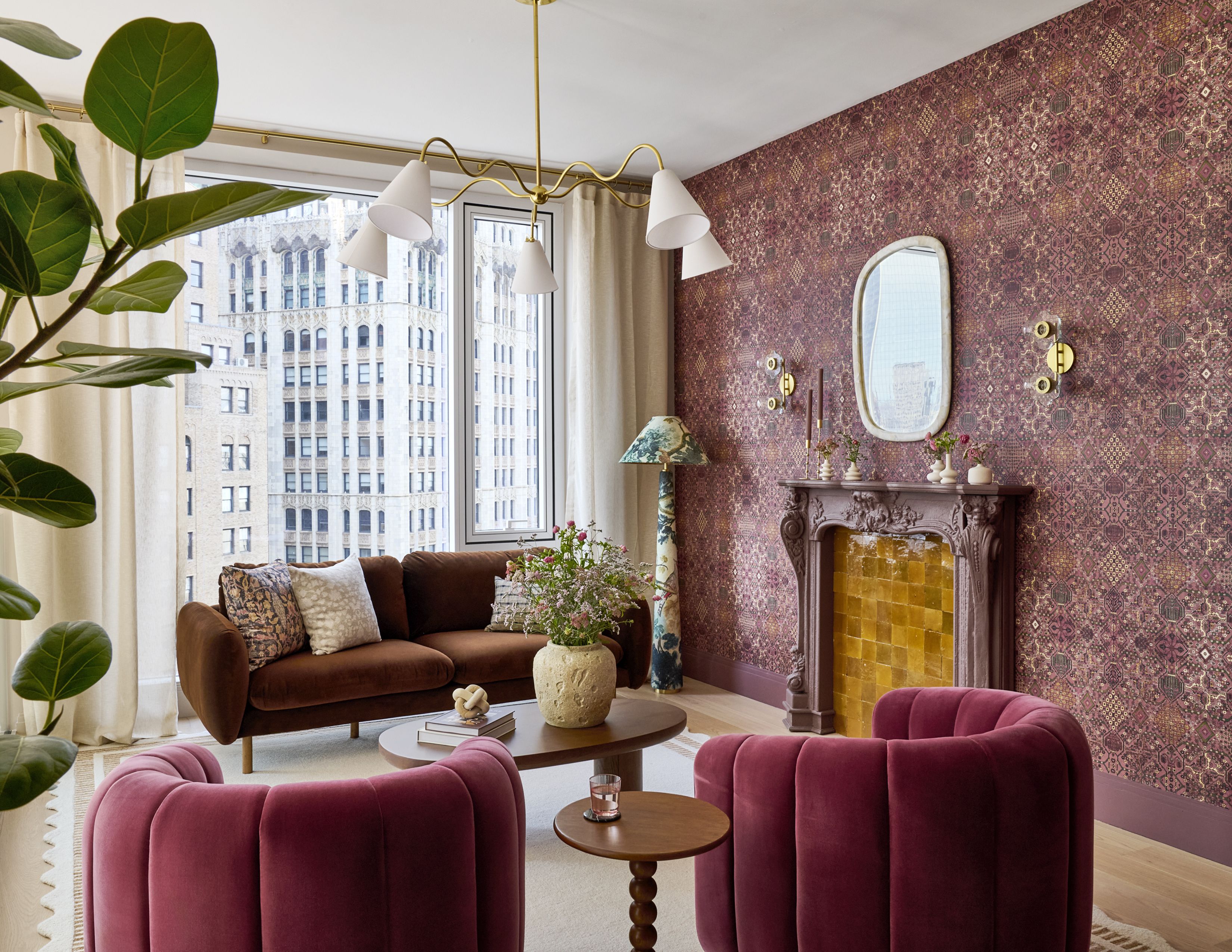

Modern new-builds are funny little creatures. On paper, they have everything: tall ceilings, giant windows, fresh finishes, and layouts that practically yell, “Look how open-concept I am!” But in real life? They can sometimes feel like a very stylish hotel lobby where nobody has ever spilled coffee, lost a throw blanket, or lived a single human moment. Beautiful, yes. Cozy, not always.
That is exactly why the Real Simple Home struck such a chord. Instead of treating a sleek new construction like a shrine to sharp edges and stark white walls, the designers treated it like a home that needed a soul. They softened the architecture, layered in texture, used warmer colors, mixed old with new, and made every room feel like it had a story to tell. The result was not cluttered, fussy, or overdone. It was modern, but with a pulse.
If you have ever stood in a brand-new space and thought, “Why does my house look expensive and still somehow feel emotionally unavailable?” this design approach has answers. Here is how the Real Simple Home turned a polished new-build into a place that felt instantly welcomingand how you can steal the same ideas for your own space.
Why Modern New-Builds So Often Feel Cold
Before we get into the cozy magic, it helps to understand the problem. New construction homes often start with clean lines, smooth drywall, minimal trim, builder-grade lighting, and big uninterrupted surfaces. That simplicity can look elegant, but it can also read flat. When everything is new, uniform, and slightly too perfect, a room can feel more “display model” than “please stay and have another cup of tea.”
The Real Simple Home solved this by doing something smart: it did not fight the modern shell. It softened it. Instead of pretending the home was a hundred-year-old brownstone with dramatic plaster walls and original millwork, the designers added layers that created warmth, memory, and visual depth. Think less costume drama, more believable character development.
They Warmed Up the Envelope First
Walls, ceilings, and finishes did the heavy lifting
One of the biggest reasons the Real Simple Home worked is that the coziness was not limited to throw pillows. Too many rooms try to fix a cold foundation with one knit blanket and a candle that smells like cedar. Admirable effort. Not enough.
Instead, the designers warmed up the architecture itself. Rich wallpaper, sandy paint, earthy colors, and grasscloth-like texture shifted the mood right from the walls. This matters because the room envelope sets the tone before a single accessory enters the chat. Warm whites, creamy neutrals, muted greens, soft clay shades, and toasty browns all create a gentler backdrop than the usual builder-grade cool gray or sterile bright white.
That is part of what made the home feel so inviting. The color story was quiet, but not lifeless. It had warmth without shouting. It had softness without going sleepy. In design terms, that balance is the sweet spot. In regular human terms, it means the room looks like it wants you there.
They Added Architectural Character Where None Existed
Millwork, molding, paneling, and focal points changed everything
New-builds often suffer from a lack of built-in charm. There may be height and light, but there is not always much detail to hold the eye. The Real Simple Home fixed that with faux architectural moments that made plain rooms feel more established.
Crown molding, chair rails, wall paneling effects, trim, and faux built-ins helped the rooms feel layered and intentional. A fireplace momenteven a decorative onegave a room a visual anchor and a reason for furniture to gather around it. That is a powerful move in a modern home, where spaces can otherwise feel like they are floating in the middle of nowhere.
This is one of the best lessons from the project: if your house lacks history, you can still create the feeling of evolution. Millwork tells the eye that someone cared enough to slow down and add detail. Built-ins make a room feel rooted. Paneling breaks up flat expanses and adds rhythm. Suddenly the room stops feeling like a blank box and starts feeling collected.
They Mixed Vintage Pieces Into a Modern Setting
Nothing kills “showroom energy” faster than furniture with a past
The Real Simple Home did not rely on a matching furniture set that looked ordered at 2 a.m. during a flash sale. It mixed eras, finishes, and wood tones to create a more lived-in look. That decision is a huge part of what made the space feel cozy.
Vintage and antique-inspired pieces bring visual soul. They carry imperfections, patina, and shape variation that modern new-builds desperately need. A sleek room instantly relaxes when you add a sideboard with age, a chair with character, or a brass detail that does not look fresh off the assembly line.
Even better, mixing wood tones prevents a room from feeling too coordinated. When everything matches perfectly, the result can look flat and slightly suspicious, like the room is trying too hard to convince you it woke up like this. But when lighter oak, richer walnut, painted finishes, and older pieces mingle together, the space gains depth. It feels human. It feels unplanned in the best possible way.
They Layered Texture Like Pros
Coziness is often a tactile story before it is a visual one
If color warms a room emotionally, texture warms it physically. That is why the Real Simple Home leaned hard into tactile materials: rugs, layered bedding, fringe-trimmed curtains, upholstered pieces, woven shades, soft throws, textured wallpaper, and mixed fabrics.
A modern room without texture can feel echoey, even when it is expensive. But a room with linen, wool, boucle, velvet, grasscloth, ceramic surfaces, wood grain, and natural fibers starts to feel grounded. You do not need all of those in one room, of course, unless your design goal is “cozy fabric store.” You just need enough material contrast to make the room feel dimensional.
This is especially important in open-concept homes. Rugs define zones. Curtains soften hard lines. Pillows and throws make structured seating feel approachable. Upholstery absorbs some of the visual chill that glass, stone, and drywall can create. Texture is not filler. It is the bridge between sleek and snug.
They Used Lighting That Actually Felt Like Living
Goodbye, harsh overhead glare; hello, glow
Nothing ruins a cozy room faster than lighting that feels like an interrogation. The Real Simple approach was much softer. Instead of relying on one bright overhead fixture to do all the work, the home embraced layered lighting: ambient light for overall glow, task lighting where needed, and accent lighting for mood.
This strategy matters more than people realize. A room can have gorgeous furniture, beautiful paint, and excellent styling, but if the light is cold and aggressive, it will still feel off. Warm bulbs, dimmers, sconces, table lamps, and lower pools of light instantly make a space feel more intimate. Evening lighting, especially, is what turns a house from “functional” into “come sit here for a while.”
It is also one of the easiest upgrades to copy. You do not need a full renovation. You need fewer blinding ceiling moments and more lamps that create warmth at eye level. Your home should flatter you at 8 p.m. That is just good hospitality.
They Chose a Palette That Felt Calm, Not Clinical
Earthy, muted tones made the modern shell feel gentler
The Real Simple Home never slipped into drab beige monotony, but it also did not chase dopamine through ten different loud colors at once. Instead, it used warm, earthy, and slightly nostalgic tones: sandy neutrals, creams, clay, muted green, blushy pinks, chocolate accents, and burnished brass.
That palette worked because it supported the architecture rather than fighting it. In a new-build, where windows and lines are often crisp and expansive, grounding colors help the rooms feel settled. Warm neutrals also reflect light more softly, which is a sneaky but powerful way to make a space feel more comfortable.
The lesson here is not that every home needs to look like a bowl of oatmeal with excellent taste. It is that warmth usually comes from undertone. You can go light, dark, colorful, or restrainedas long as the colors feel intentional, layered, and welcoming.
They Brought Nature Indoors
Natural materials made the home feel rooted instead of manufactured
Another secret to the cozy factor was the use of natural materials and nature-inspired details. Wood tones, stone-like finishes, woven textures, greenery, and earthy palettes all helped offset the crispness of new construction. This kind of biophilic design works because people instinctively respond to materials that feel organic and grounding.
That does not mean you need to turn your living room into a forest cottage. A few thoughtful choices go a long way. A jute or wool rug, wood-framed art, ceramic lamps, linen drapery, a stone tray, or a healthy plant in the right corner can all soften a room dramatically. These details make a modern space feel less manufactured and more inhabited.
In the Real Simple Home, that grounding effect kept the rooms from drifting into glossy, untouchable territory. They still looked polished, but they also looked breathable. Cozy homes need that balance.
They Styled the Home Like Real People Might Actually Live There
Personality finished the job
Once the foundation was warm, the final layer was personality. The home did not feel cozy only because of the wallpaper or molding. It felt cozy because the rooms looked like they belonged to people with taste, memories, and maybe a habit of buying one more lamp than strictly necessary.
Books, vintage decor, meaningful objects, framed art, aged brass, layered textiles, and collected accessories made the home feel lived-in rather than staged. This is the difference between a nice room and a memorable one. Personality is what keeps warmth from becoming generic.
That is also why the home never felt cluttered. The styling had intention. Not every surface was packed. Not every corner was decorated into submission. The rooms simply had enough visual story to feel complete.
How to Steal the Look in Your Own New-Build
You do not need a Manhattan penthouse, a show-house budget, or seven talented designers following you around with fabric swatches. You just need the right priorities.
Start with these moves:
Warm up the shell. Repaint cold walls in creamy or earthy tones, or add wallpaper in one strategic space.
Add architectural detail. Try picture molding, trim, a faux built-in, or a decorative mantel to create character.
Mix in older pieces. A vintage table, antique mirror, or secondhand lamp can add instant soul.
Layer lighting. Use lamps, sconces, dimmers, and warm bulbs instead of depending on overhead fixtures.
Bring in texture. Rugs, linen curtains, boucle, wood, ceramic, and woven materials make a modern space feel softer.
Use warm metal finishes. Brass, bronze, and aged hardware add subtle depth.
Style with restraint. Add meaningful art, books, and objects that reflect your life, not just a trend cycle.
The Big Takeaway
The Real Simple Home proved that a modern new-build does not need to stay a blank, polished box. It can feel intimate, expressive, and deeply comfortable without losing its clean lines. The trick is not to bury the architecture under too much stuff. The trick is to soften it with layers that create warmth, memory, and mood.
That is what instantly cozy really means. It is not about making a home darker, smaller, or busier. It is about making it feel emotionally available. A little texture here, a little history there, better lighting everywhereand suddenly the room stops posing for the camera and starts inviting you to stay.
What the Experience of a Cozy Modern New-Build Actually Feels Like
There is also an emotional side to all of this that design articles do not always talk about enough. When a modern new-build finally feels cozy, the experience of being at home changes in subtle but powerful ways. The house stops feeling like a project and starts feeling like a companion to everyday life.
In the morning, warm paint colors do something cool without making a big deal about it. Instead of bouncing harsh light around the room, they soften the edges of the day. A sandy wall color, a wood nightstand, and linen curtains can make waking up feel calmer, even before coffee has had a chance to perform its sacred duties. The room feels less abrupt. Less “commuter train platform.” More “ease into your life.”
By afternoon, texture takes over. You notice the rug under your feet, the way a chair actually invites you to sit in it, the little glint of unlacquered brass on a cabinet pull, the soft fold of curtains that move when the window is cracked open. These are small sensory details, but they matter. They make the house feel responsive. They remind you that comfort is not one dramatic design gesture. It is a hundred tiny signals that say, “You can relax here.”
In the evening, lighting becomes the hero. This is where a cozy modern home really earns its reputation. Instead of one bright ceiling light flattening the room like a photocopier, lamps create pockets of glow. The living room becomes a place for reading, talking, or doing absolutely nothing with impressive commitment. The bedroom feels cocooning instead of cold. Even the kitchen, which in many new-builds can look a little too much like a spaceship for meal prep, starts to feel warm and welcoming once the hard glare is gone.
There is also a social difference. Guests tend to settle in faster when a home feels layered and personal. They pick up on the vintage lamp, the stack of books, the textured wallpaper, the collected art, and the not-too-perfect mix of wood tones. The room tells them this is a lived-in place, not a museum of expensive rectangles. People lean back more. Conversations linger. Someone always ends up asking where you found that one chair.
And maybe the best part is what happens psychologically. A cozy home makes routines feel better. Folding laundry in a room with soft light and warmth is still folding laundry, sure, but it becomes slightly less offensive. Reading in bed feels more restorative. A rainy Saturday indoors feels charming instead of claustrophobic. Even the boring parts of home life improve when the environment feels grounded, soft, and personal.
That is why the Real Simple Home resonates beyond aesthetics. It is not just showing pretty rooms. It is showing how design can shift the emotional temperature of a space. A new-build does not have to feel generic just because it started out that way. With enough texture, warmth, story, and intention, it can feel like it has known you for years.
Conclusion
The brilliance of the Real Simple Home was not that it rejected modern design. It simply refused to let modern mean sterile. By warming up the walls, layering lighting, adding architectural detail, mixing vintage pieces, embracing texture, and styling with personality, the designers turned a sleek new-build into a home with real intimacy. That is the formula worth borrowing: keep the clean lines, lose the chill, and let every room feel like it has a heartbeat.