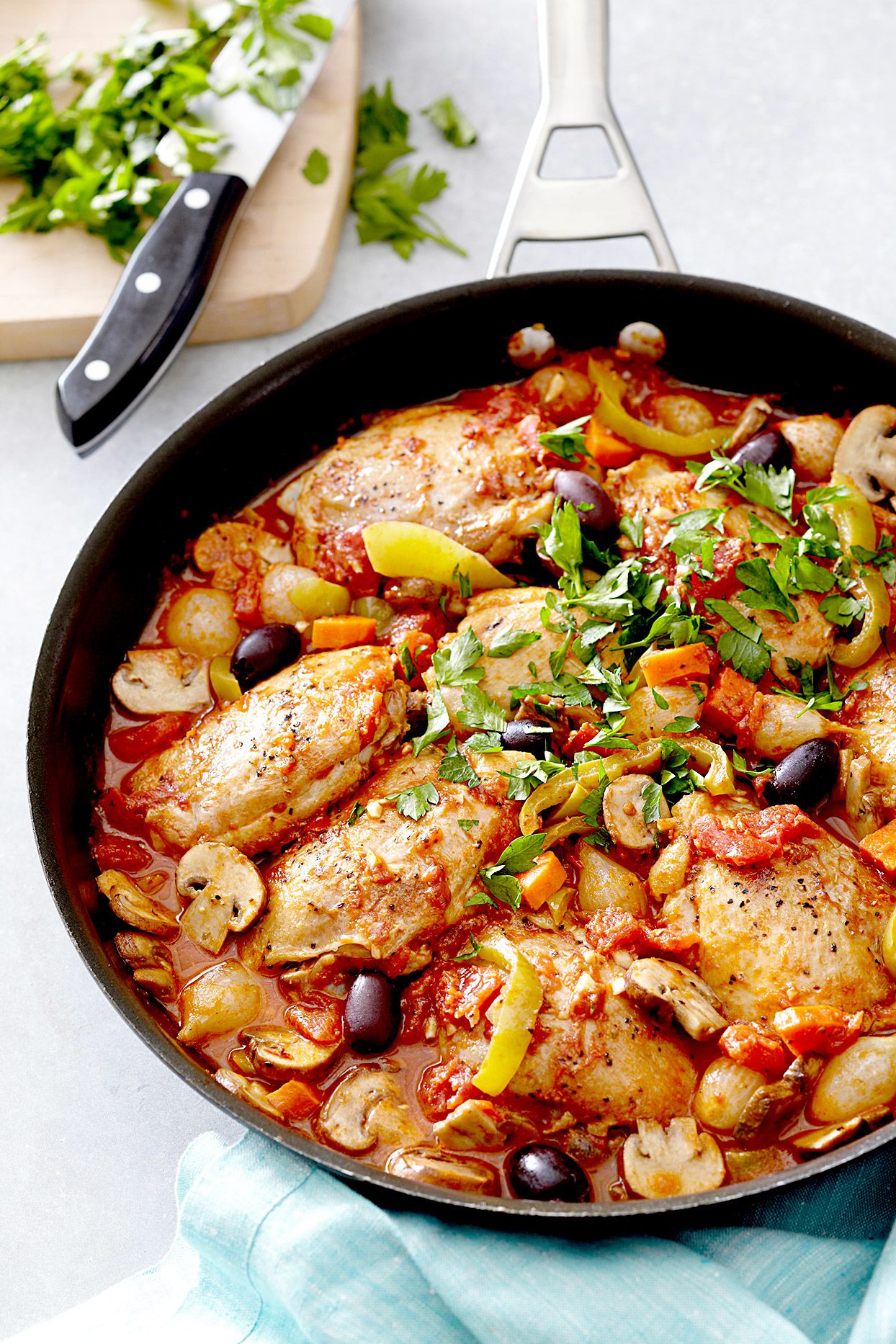

Some dinners whisper. Chicken Cacciatore kicks down the kitchen door wearing a tomato-splashed apron and smelling like it knows exactly what it’s doing. This rustic Italian classic, often described as “hunter-style” chicken, is the kind of meal that turns an ordinary evening into something suspiciously close to a candlelit eventeven if the candle is just the microwave clock blinking in the background.
If you’re looking for a Chicken Cacciatore recipe that feels hearty, flavorful, and gloriously unfussy, you’re in the right place. The beauty of this dish is that it doesn’t rely on culinary gymnastics. It relies on smart layering: browned chicken, tender vegetables, garlic, herbs, tomatoes, and a splash of wine that makes the whole pan smell like it just got back from vacation.
This version keeps the soul of a classic Italian chicken stew while making it approachable for home cooks. It’s rich without being heavy, rustic without being messy, and elegant enough to serve for company without pretending you suddenly own a vineyard. Whether you spoon it over pasta, creamy polenta, or a thick slice of bread, this one-pan chicken dinner delivers the kind of comfort that deserves seconds.
What Is Chicken Cacciatore?
Chicken cacciatore is a braised chicken dish traditionally built around tomatoes, onions, peppers, mushrooms, herbs, and wine. The word cacciatore translates to “hunter-style,” which sounds rugged and dramatic, but for home cooks it mostly means one very good thing: big flavor from simple ingredients.
Like many beloved classics, there isn’t a single rigid version. Some recipes include olives or capers for a briny kick. Others lean more heavily on peppers or mushrooms. Some use red wine; others prefer white. Some go low and slow with bone-in thighs, while faster weeknight versions use chicken breasts or cutlets. The common thread is a savory tomato-based sauce and chicken cooked until tender and deeply flavorful.
That flexibility is exactly why this dish has survived trends, diet cycles, and the rise of suspiciously beige air-fryer dinners. Chicken cacciatore is adaptable, forgiving, and wildly satisfying.
The Best Chicken Cacciatore Recipe
Why This Version Works
This recipe uses bone-in, skin-on chicken thighs because they stay juicy, develop better flavor, and hold up beautifully during simmering. The vegetables bring sweetness and earthiness, the wine adds depth, and the tomatoes create a sauce that tastes like it cooked all dayeven though you did not, in fact, cancel your life to hover over the stove.
Ingredients
- 6 bone-in, skin-on chicken thighs
- 1 1/2 teaspoons kosher salt, plus more to taste
- 3/4 teaspoon black pepper
- 2 tablespoons olive oil
- 1 medium yellow onion, thinly sliced
- 1 red bell pepper, sliced
- 1 green bell pepper, sliced
- 8 ounces cremini or white mushrooms, sliced
- 4 garlic cloves, minced
- 2 tablespoons tomato paste
- 1/2 teaspoon dried oregano
- 1/2 teaspoon dried thyme
- 1/4 teaspoon red pepper flakes, optional
- 1/2 cup dry white wine
- 1 can (28 ounces) crushed tomatoes
- 1/2 cup low-sodium chicken broth
- 1 bay leaf
- 1/4 cup chopped fresh parsley
- 2 tablespoons chopped fresh basil, optional
- 1/4 cup sliced olives or 2 tablespoons capers, optional
Step-by-Step Instructions
- Season the chicken. Pat the chicken thighs dry with paper towels. Season both sides with salt and black pepper. Dry skin is your friend here; steam is not. Steam ruins the golden-brown dream.
- Brown the chicken. Heat olive oil in a large deep skillet or Dutch oven over medium-high heat. Place the chicken skin-side down and cook for 5 to 7 minutes, until the skin is golden and crisp. Flip and cook for another 3 minutes. Transfer to a plate. The chicken does not need to be fully cooked yet.
- Cook the vegetables. Lower the heat to medium. Add the onion, bell peppers, and mushrooms to the same pan. Cook for 7 to 8 minutes, stirring occasionally, until softened and lightly caramelized. Add the garlic and cook for 30 seconds, just until fragrant.
- Build the sauce. Stir in the tomato paste, oregano, thyme, and red pepper flakes. Let the tomato paste cook for about 1 minute to deepen its flavor. Pour in the white wine and scrape up the browned bits from the bottom of the pan. That sticky layer is not a problem; it is a flavor savings account.
- Simmer everything together. Add the crushed tomatoes, chicken broth, and bay leaf. Stir well. Return the chicken and any collected juices to the pan, nestling the pieces into the sauce.
- Braise until tender. Reduce the heat to low, cover partially, and simmer for 30 to 35 minutes, or until the chicken is tender and cooked through. If using olives or capers, stir them in during the last 10 minutes.
- Finish and serve. Remove the bay leaf. Taste the sauce and adjust the seasoning with extra salt or pepper if needed. Sprinkle with parsley and basil before serving.
Important food-safety note: The chicken should reach an internal temperature of 165°F in the thickest part before serving.
What Does Chicken Cacciatore Taste Like?
Imagine the coziest red sauce you’ve ever met, but with more personality. A good Chicken Cacciatore recipe tastes savory, garlicky, slightly sweet from the onions and peppers, earthy from the mushrooms, and bright from the tomatoes. If you add olives or capers, you get a briny edge that wakes everything up. The wine doesn’t make the dish taste boozy; it makes it taste complete.
The chicken itself should be tender, juicy, and deeply seasoned. The sauce should cling to a spoon, not run away from it. This is not watery tomato soup with a chicken problem. This is a full-bodied, rustic Italian recipe that knows it belongs at the center of the table.
Tips for Making Chicken Cacciatore Even Better
1. Brown the chicken properly
This is the step that separates a pretty good dinner from a “wait, you made this?” dinner. Browning creates flavor, color, and those delicious bits on the bottom of the pan that enrich the sauce later.
2. Use thighs for the best texture
Chicken thighs are ideal for braising because they stay tender and flavorful. Chicken breasts can work, especially in a faster skillet version, but thighs are far more forgiving.
3. Don’t rush the vegetables
Let the onions, peppers, and mushrooms soften and concentrate. This adds sweetness and depth, which balances the acidity of the tomatoes.
4. Keep the sauce balanced
If the sauce tastes too sharp, let it simmer a little longer. If it feels too thick, add a splash of broth. If it tastes flat, a pinch more salt or a spoonful of chopped herbs can fix a lot.
5. Finish with freshness
A shower of parsley or basil at the end makes the whole dish taste brighter and less heavy. It’s a small move with big results.
What to Serve with Chicken Cacciatore
This dish is generous. It plays well with just about anything that can catch sauce.
- Pasta: Spaghetti, pappardelle, or egg noodles are classic partners.
- Polenta: Creamy polenta makes the meal feel extra cozy and a little restaurant-worthy.
- Mashed potatoes: Not traditional in every kitchen, but undeniably good.
- Crusty bread: A practical and glorious choice for sauce-related emergencies.
- Rice: A simple option when you want the sauce to be the star.
For a complete meal, pair it with a crisp green salad or roasted vegetables. The freshness balances the richness beautifully.
Easy Variations
Slow Cooker Chicken Cacciatore
Brown the chicken first if possible, then transfer everything to a slow cooker and cook on low for 6 to 7 hours. You’ll get tender chicken and a mellow, well-developed sauce.
Quick Skillet Version
Use boneless chicken thighs or chicken breasts cut into large pieces. Reduce the simmering time, and dinner can land on the table much faster.
Spicy Chicken Cacciatore
Add more red pepper flakes or a sliced hot pepper for a bolder kick.
Briny, Bold Version
Olives and capers add a punchy, Mediterranean-style finish that works especially well if you like savory sauces with attitude.
Common Mistakes to Avoid
- Skipping the browning step: The sauce will still be edible, but it won’t have the same rich flavor.
- Overcrowding the pan: The chicken will steam instead of brown.
- Using too much liquid: Chicken cacciatore should be saucy, not soupy.
- Undersalting: Tomatoes need proper seasoning to taste their best.
- Overcooking chicken breasts: If you swap out thighs, reduce the cook time carefully.
How to Store and Reheat It
One of the best things about this Chicken Cacciatore recipe is that leftovers are excellent. In fact, the flavors often improve overnight.
- Refrigerator: Store in an airtight container for up to 4 days.
- Freezer: Freeze for up to 3 months.
- Reheating: Warm gently on the stovetop or in the microwave until heated through.
This makes it a great meal-prep option for busy weeks, especially if you double the recipe and save half for later. Future-you will be smug and well fed.
Why This Chicken Cacciatore Recipe Belongs in Your Rotation
Some recipes are flashy. Some are fussy. This one is neither, and that’s exactly why it works. A great Chicken Cacciatore recipe gives you deep flavor without a mile-long ingredient list, comfort without heaviness, and enough flexibility to match your pantry and your mood.
It’s the kind of dinner that works for Sunday supper, a rainy Wednesday, casual entertaining, or the night you want something that feels more impressive than your actual effort level. It’s rustic, reliable, and packed with the savory tomato-herb flavor that makes people hover near the stove asking when dinner will be ready.
If you’ve never made hunter-style chicken before, this is a great place to start. And if you’ve made it before, this version is the kind you’ll keep coming back to: bold sauce, tender chicken, and just enough flexibility to make it your own.
Experiences Related to Chicken Cacciatore Recipe
There’s something wonderfully theatrical about making chicken cacciatore, even when the audience is just your family, your roommate, or your dog pretending not to care while stationed suspiciously close to the stove. The experience starts with that first sizzle when the chicken hits hot oil. It’s not subtle. It announces itself. You immediately get the sense that dinner is no longer a vague conceptit is officially happening.
Then come the vegetables. Onions soften, peppers slump, mushrooms shrink and deepen, and suddenly your kitchen smells like a tiny neighborhood bistro somehow opened between the coffee maker and the toaster. This is one of those recipes that rewards the cook long before anyone takes the first bite. The aroma alone does half the emotional labor. By the time the tomatoes and wine join the party, you can practically hear the room getting hungrier.
For many home cooks, the best part of the experience is how grounded the dish feels. Chicken cacciatore doesn’t demand precision plating or twelve garnish components balanced with tweezers. It wants a pan, a spoon, and people who are ready to eat something deeply comforting. It’s rustic in the best possible way. The sauce stains the spoon. Bread gets torn instead of sliced perfectly. Someone always goes back for “just a little more,” and that little more somehow becomes a very ambitious second serving.
It’s also a dish with a sneaky talent for making an ordinary evening feel more memorable. A plain weeknight can be rescued by the sight of a skillet full of braised chicken in a rich tomato sauce. The meal feels generous, like you tried harder than you actually did. That’s one of the most charming things about this recipe: it has a strong return on investment. You brown, simmer, and stir a little, and the result tastes like you spent the afternoon studying in an Italian grandmother’s kitchen.
Then there’s the table experience. Chicken cacciatore is not shy food. It arrives with sauce, steam, color, and swagger. Served over pasta, it becomes hearty and family-style. Served over creamy polenta, it leans cozy and a little elegant. Served with bread, it becomes interactive, because nobody can resist swiping the last streak of sauce from the plate. It invites conversation, lingering, and that collective silence that happens when everyone is too busy enjoying dinner to say much of anything.
Leftovers create their own second chapter. The next day, the flavors are often even better, more settled and harmonious. Reheated for lunch, chicken cacciatore feels like the culinary equivalent of finding money in an old coat pocket. It’s familiar, comforting, and weirdly exciting. Some people shred the leftover chicken into pasta, spoon it over rice, or tuck it into toasted rolls. It’s one of those meals that keeps giving without becoming boring.
And maybe that’s the real experience of a great Chicken Cacciatore recipe: it feels generous at every stage. Generous in aroma, generous in flavor, generous in leftovers, and generous in the way it makes the kitchen feel lived-in and warm. It’s less about chasing perfection and more about building comfort one delicious layer at a time. In a world full of rushed dinners and forgettable meals, chicken cacciatore still knows how to make people pause, inhale, and happily ask, “Can we have this again?”