
There are kitchen hacks, and then there are why-didn’t-I-think-of-that kitchen hacks. The viral container food transport trick belongs in the second category, right next to using the last clean spatula like it’s a family heirloom. It is simple, cheap, weirdly elegant, andbest of allit solves a real problem: how to move tall, delicate food from your kitchen to a party without arriving with a dessert that looks like it survived a small earthquake.
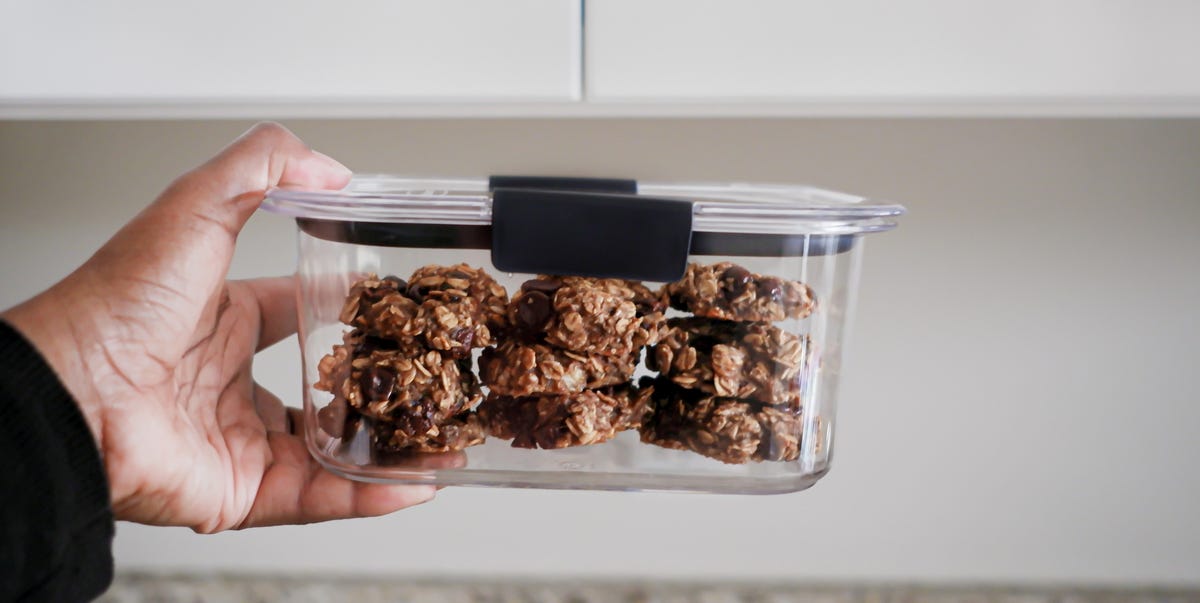
The hack is almost laughably easy. Instead of using a food storage container the normal way, you flip it upside down. The lid becomes the base, and the deeper part of the container becomes a dome-like cover. Suddenly, those frosted cupcakes, mini cakes, pastries, and other tall treats have a little breathing room. No smashed icing. No plastic lid glued to your frosting. No last-minute panic involving toothpicks, foil, and prayers.
That is exactly why this trick has taken off online. It feels clever, but not complicated. It uses something many people already own. And unlike some internet hacks that require six specialty gadgets and a suspicious amount of confidence, this one actually makes everyday food transport easier. Whether you are heading to a potluck, holiday party, bake sale, office lunch, picnic, school event, or neighbor’s house with “just a little something,” this smart container move can save the dayand your buttercream.
What Is the Viral Container Food Transport Hack?
The idea is straightforward: take a sturdy food storage container with a secure lid and reverse the usual setup. Snap the main body of the container over the food while the lid sits underneath as the base. That gives you more vertical space for foods that are too tall for a standard low-profile container.
Think of it as turning a regular storage container into a mini cake dome. Instead of forcing frosted cupcakes into a cramped space and hoping for the best, you let the food sit naturally while the container protects it from dust, spills, and accidental pokes from wandering elbows.
It is especially useful for:
- cupcakes with tall frosting swirls
- slices of cake
- small layer cakes
- muffins with lofty tops
- pastries and baked goods that should not be squashed
- other tall, solid foods that need a little headroom
Notice the phrase tall, solid foods. That matters. This hack is smart, but it is not magic. If you try it with a slippery casserole, a wobbly trifle, or anything saucy enough to file its own weather report, you may be starring in your own personal kitchen disaster reel.
Why This Hack Is So Brilliant
1. It uses something you already have
One reason people love this trick is that it does not ask you to buy a dedicated cake carrier the size of a small satellite dish. A storage container you already use for leftovers can suddenly moonlight as a transport dome. That is budget-friendly, space-saving, and very satisfying.
2. It protects delicate toppings
Frosting is dramatic. It spends all that time looking pretty, then one wrong lid placement and it collapses like it just got bad news. The upside-down container trick creates extra height, which helps preserve decorative toppings and keeps the surface of the food intact.
3. It makes serving easier
Once you arrive, you simply lift off the top portion of the container and the food is right there, ready to serve. No awkward flipping. No scraping icing off a lid with the sadness of a defeated baker. No pretending the smear marks are “rustic.”
4. It helps with leftovers, too
This is not just a one-way-trip trick. If you bring home leftover cake, pastries, or cupcakes, the same setup can help protect them in the fridge for another day or two. It is a transport hack and a storage hack wearing the same sensible shoes.
When the Hack Works Best
Like any great trick, this one shines brightest when you use it for the right job. The best candidates are stable foods that can handle a little movement without collapsing. Cupcakes, bar cookies, brownies with tall toppings, iced loaf cakes, and small pastries are ideal.
It also works best when the container has a tight-fitting lid and a firm structure. Flimsy, bendy containers are better suited for dry leftovers than for transporting a frosted masterpiece across town. If the lid pops off when you merely look at it too hard, that container is not your hero today.
Foods that are less suited to this hack include:
- soups or stews
- very loose salads
- layered desserts with whipped cream that can slide or melt
- anything topped with delicate garnishes that shift easily
- very heavy dishes that need a sturdier base than a shallow lid
In other words, this trick is for structure, not slosh.
How to Make the Hack Work Even Better
Choose the right container
Pick a container with a secure seal and enough depth to cover your food without touching the top. Clear containers are especially handy because you can see if anything is leaning, smearing, or staging a rebellion before it becomes a full-blown mess.
Start with cool, stable food
If you are transporting baked goods, let them cool completely before covering them. Warm food creates condensation, and condensation is basically a tiny rainstorm for frosting. That means soggy surfaces, sliding toppings, and a transport experience that goes downhill fast.
Keep it level
This hack gives your food more room, but it does not glue the food to the base. The container should stay flat while you carry it. Set it on a stable surface in the car, hold it from the bottom, and resist the urge to swing it around like a triumphant potluck trophy.
Use backup stability tricks
If you are transporting several small items, combine the viral hack with other smart moves. A non-skid liner in the base can reduce sliding. Muffin tins lined with foil supports can help hold cupcakes upright. Cupcake liners can help cushion delicate items like deviled eggs or small desserts inside larger carriers. Smart cooks rarely rely on one trick alone.
Bring toppings and sauces separately
For salads, casseroles, or desserts with fragile toppings, keep dressings, syrups, nuts, herbs, whipped cream, or crunchy garnishes on the side until you arrive. This preserves texture and keeps your dish from turning limp, soggy, or oddly sad before anyone even grabs a plate.
Food Safety Still Matters More Than Virality
Here is the less glamorous but absolutely essential part: a smart food transport hack should protect your dish and keep it safe to eat. If the food is perishable, temperature matters just as much as presentation.
Cold perishable foods should stay coldaround 40°F or below. Hot foods should stay hotaround 140°F or above. The danger zone in between is where bacteria grow quickly, and nobody wants their potluck contribution remembered as “the one that ended the party early.”
If you are carrying something cold, pack it in a cooler or insulated bag with ice packs. If you are bringing something hot, wrap it well and use insulated carriers or towels to help it hold temperature. And if the food will sit out at room temperature for more than two hoursor more than one hour in very hot weatheryou are pushing your luck. That rule is especially important for dishes with eggs, dairy, meat, poultry, seafood, mayo, or soft cheeses.
So yes, your cupcakes can ride in their upside-down container palace. But your chicken salad still needs a cooler.
Other Smart Food Transport Tricks Worth Stealing
The viral container hack is excellent, but it works even better as part of a larger strategy. Seasoned home cooks know that transporting food is half cooking, half engineering.
Use the pan you baked in
For sheet cakes, bars, and brownies, the original baking pan is built-in protection. If you lined it with parchment, even better. You can often lift, cool, frost, and cover with minimal drama.
Loosely tent frosted cakes
If you must cover a frosted cake in its pan, tent it loosely with plastic wrap supported by toothpicks so the wrap does not stick to the frosting. It is a humble trick, but a very useful one.
Keep dishes off the car seat
Car seats are deceptively chaotic. A casserole on a seat can slide, tip, or roll the second you make a turn like a normal person. A large box, laundry basket, or structured tote on the floor of the car is often a safer choice. Add towels around the dish for cushioning if needed.
Pack ready-to-serve containers
One of the easiest ways to make life simpler for both you and the host is to bring food in containers that can go straight from travel to table. Less transferring means less mess, fewer serving mishaps, and fewer opportunities for your famous potato salad to take an unscheduled detour.
Pick inherently portable foods
Sometimes the best transport hack is choosing food that is naturally easy to move. Bars, cookies, brownies, pasta salad, grain salad, sturdy sheet cakes, muffins, and baked casseroles are usually more travel-friendly than towering layer cakes or delicate plated desserts with dramatic garnishes.
Why This Hack Went Viral in the First Place
The internet loves a trick that feels both obvious and genius. This one checks every box. It is visual. It is practical. It costs nothing extra. It solves a small but very relatable problem. And it taps into that universal potluck fear: spending real time making something pretty, only to destroy it in the fifteen-minute drive to the event.
There is also something deeply satisfying about repurposing an ordinary object in a smarter way. A food storage container is not excitinguntil it suddenly becomes a cake saver. Then it is not just a container. It is a tiny domestic miracle.
And unlike some viral trends that work better on camera than in real life, this one makes immediate sense. The moment you see it, you can picture yourself using it. That is a big reason hacks like this spread so fast. They do not just entertain. They earn their keep.
The Bigger Lesson: Transport Food Like a Strategist
This hack is not really about plastic or glass. It is about thinking ahead. Smart food transport comes down to a few simple questions:
- Will the food slide?
- Will the topping smear?
- Does it need to stay hot or cold?
- Can it go straight to the table?
- Is the car setup working with me or against me?
Once you start asking those questions, you make better choices. Maybe you bring the whipped cream separately. Maybe you choose a structured tote instead of balancing a dish on the passenger seat. Maybe you use the upside-down container trick for the cupcakes and a cooler for the deviled eggs. Suddenly, you are not just bringing food. You are running a tiny logistics operation with snacks.
That may not sound glamorous, but it is how the best potluck people are made.
Real-Life Experiences That Make This Hack Feel So Brilliant
If you have ever carried food to a party, you already understand why this trick feels like a gift from the kitchen gods. Picture the classic scene: you spend an hour frosting cupcakes, step back to admire your work, and feel like you belong on a baking show. Then comes the transport phase. You open the cabinet, stare at your containers, and realize every lid is about to flatten your frosting like it has a personal vendetta. That is the exact moment this hack becomes a hero.
For a lot of people, the real magic is not the container itself. It is the reduction in stress. There is something deeply calming about snapping a container over tall food and seeing that beautiful little air pocket above the frosting. No balancing act. No improvised aluminum foil tent that looks like a middle-school science project. No bargaining with the universe in the parking lot.
Think about office potlucks, for example. You are carrying a tote bag, maybe a laptop, possibly coffee, and definitely the emotional weight of being the person who promised dessert. The upside-down container trick turns that trip from “high-risk pastry mission” into a manageable commute. You can walk in looking collected instead of like someone who just completed a rescue operation for six cupcakes and a lemon bar.
The same goes for family gatherings. Holidays are wonderful, but they are also chaotic. Someone is texting that they are late. Someone else wants to know whether the gravy is already there. You are trying not to forget the serving spoon. In that kind of beautiful madness, a low-effort, high-reward solution feels amazing. The container hack gives you one less thing to worry about, and during holiday food season, that is practically a luxury service.
It is also especially satisfying for people who hate buying one-use gadgets. Not everyone wants a bulky cupcake caddy, a cake dome, a dessert transporter, a pie pod, and whatever else the kitchen aisle is trying to sell this week. Many home cooks prefer multipurpose tools. So when a regular storage container suddenly proves it can protect a slice of cake on Tuesday and hold leftover pasta on Wednesday, that feels like a small domestic victory.
There is also the funny little confidence boost this trick gives. When you show up, pop off the container, and reveal desserts that still look perfect, people notice. You do not have to make a speech. You just place the tray down with the quiet energy of someone who has seen things, learned lessons, and now travels with frosting intact. It is humble. It is effective. It is very satisfying.
And maybe that is why the hack resonates so much. It is not flashy. It does not promise to transform your life, your kitchen, or your personality. It simply solves one very common annoyance in a clever way. In a world full of overcomplicated advice, that feels refreshingly useful. Sometimes the smartest kitchen hack is not a wild invention. Sometimes it is just flipping the container over and realizing the answer was sitting in your cabinet the whole time.
Conclusion
This viral container food transport hack is smart because it solves a painfully familiar problem with an object you already own. By flipping a storage container upside down, you create extra room for tall, delicate foods and make transport less risky, less messy, and far less dramatic. It is not meant for every dish, and it does not replace common-sense food safety, but for cupcakes, pastries, cake slices, and other sturdy treats, it is a genuinely useful trick.
The best part is that the hack fits into a bigger mindset: transport food thoughtfully. Keep it level. Keep hot foods hot and cold foods cold. Pack toppings separately. Use ready-to-serve containers when you can. And never trust a car seat more than you trust a box on the floor. Do all that, and your next potluck contribution has a much better chance of arriving looking exactly the way you intendeddelicious, intact, and gloriously unsquished.