
Note: Planting time depends on your local climate, but in most regions, fall-planted perennials do best when they go into the ground several weeks before a hard freeze. Translation: give roots time to settle in before winter slams the door.
Some flower gardens are basically needy group chats. They want constant watering, nonstop deadheading, and your full emotional availability every weekend. A low-maintenance perennial garden is different. It shows up every year, asks for very little, and still manages to look like you have your life together. That is the magic of choosing the right plants and planting them in fall.
Fall is a surprisingly smart season for building an easy flower bed. The soil is still warm from summer, the air is cooler, and rain is often more reliable. That combo helps roots grow without forcing the top of the plant to battle blistering heat. By spring, your perennials are not starting from scratch. They are already settling in, stretching out, and preparing to make you look like a gardening genius with suspiciously little effort.
Why Fall Is the Sweet Spot for Perennial Planting
If spring gets all the glory, fall quietly gets the work done. Planting perennials in autumn gives them time to establish roots while the weather is mild. Instead of pouring all their energy into flowers and foliage right away, they focus underground first. That usually leads to stronger plants, less stress, and better performance when warm weather returns.
It is also easier on you. Cooler temperatures mean you are less likely to melt while planting. Weeds start to slow down. Garden centers often discount plants. And because many perennials are winding down for the season, you can see where your garden has gaps instead of guessing in March with a shovel in one hand and false confidence in the other.
Three rules for success before you plant a single thing
- Match the plant to the place. Full sun means at least six hours of direct sun. If your yard gets only morning light or dappled shade, do not bully a sun-lover into living there.
- Prioritize drainage. Most easy-care perennials tolerate average soil better than soggy soil. If water sits after rain, improve drainage or choose a different site.
- Mulch smart, not aggressively. A light layer helps regulate soil temperature and moisture, but do not bury crowns under a mountain of mulch like you are hiding evidence.
Now for the fun part: the plants that earn their keep.
8 Low-Maintenance Perennials to Plant This Fall
1. Coneflower (Echinacea)
Coneflower is the overachiever that never feels smug about it. It blooms for a long stretch, attracts pollinators, tolerates heat, and handles less-than-perfect soil with admirable grace. Once established, it is one of the easiest perennials for a sunny flower bed.
Its daisy-like flowers add strong vertical color in shades of purple, pink, white, orange, or yellow, depending on the variety. Even after the petals fade, the seed heads add texture and can feed birds. In other words, coneflower keeps contributing long after many garden plants have clocked out.
Why it is low-maintenance: It does not need pampering, it handles drought fairly well once established, and it usually asks for little more than occasional cleanup. Plant it in full sun and well-drained soil, then resist the urge to fuss.
2. Black-Eyed Susan (Rudbeckia)
If your garden needs a reliable burst of happy yellow, black-eyed Susan is basically sunshine with roots. It is easy to grow, forgiving, and generous with blooms from summer into fall. The classic golden petals and dark centers work in cottage gardens, pollinator gardens, and more natural-looking borders.
Black-eyed Susan also has that rare quality gardeners love: it looks cheerful without acting delicate. It can handle heat, tolerate average garden soil, and keep blooming when fussier flowers are already filing complaints.
Why it is low-maintenance: It is tough, adaptable, and happy in full sun. Once established, it can tolerate short dry spells, and many varieties spread into nice clumps that fill space beautifully. Give it decent drainage and a little room, and it does the rest.
3. Catmint (Nepeta)
Catmint is what happens when a plant decides to be beautiful and practical at the same time. Its soft gray-green foliage, lavender-blue flowers, and relaxed shape make it look expensive even when it is doing almost no work. It flowers for a long period, softens hard edges, and pairs beautifully with bolder perennials.
It is especially useful if you want that loose, airy, “I definitely read garden magazines” look without actually spending your weekends deadheading everything in sight.
Why it is low-maintenance: Catmint thrives in full sun and well-drained soil, tolerates drought once established, and is generally ignored by deer and rabbits. Shear it back after the first big flush of bloom, and it often rewards you with another round. Not bad for a plant that basically thrives on benign neglect.
4. Daylily (Hemerocallis)
Daylilies are famous for being hard to mess up, which is excellent news for normal people. They are widely adaptable, available in a huge range of colors, and capable of handling heat, humidity, and everyday garden chaos better than many classic flowering perennials.
Each flower only lasts a day, but mature plants produce so many buds that the overall display lasts much longer. The foliage also helps fill out a border, making the bed look more established even when other plants are between bloom cycles.
Why it is low-maintenance: Daylilies tolerate a range of soils, need only moderate watering once established, and can go years with very little attention. Plant them in sun or light shade, divide only when clumps get crowded, and enjoy looking like a much more organized gardener than you really are.
5. Stonecrop Sedum (Hylotelephium)
If your yard gets hot, bright, and occasionally a little stingy with water, sedum should be on your shortlist. This sturdy perennial has succulent leaves, strong stems, and flower heads that start subtle and finish spectacularly. Many upright sedums bloom from late summer into fall, which means they bring color just when the garden might otherwise start to look tired.
They also add great texture. Sedum is one of those plants that makes a border look thoughtfully designed, even if your actual strategy was “buy the one that seems impossible to kill.”
Why it is low-maintenance: Sedum loves full sun, prefers well-drained soil, and generally performs best when you do not overwater or overfeed it. It handles drought well, rarely needs deadheading, and keeps looking good well into autumn. In the world of low-effort flowers, this is elite behavior.
6. Salvia
Perennial salvia brings upright spikes of color and a more tailored shape to a flower bed. It is a terrific contrast to mounding plants like catmint and rounded bloomers like coneflower. Many salvias bloom in shades of violet, blue, pink, or white and draw in bees and butterflies like they are hosting a garden festival.
It is also one of the easiest ways to make a garden look polished. A drift of salvia gives structure, rhythm, and repeat color without making the border feel stiff.
Why it is low-maintenance: Most perennial salvias want sun, drainage, and reasonably average soil. They tolerate dry conditions better than many traditional border plants and are often left alone by deer and rabbits. Cut back spent spikes after blooming, and many varieties will flower again. That is what we call excellent return on investment.
7. Peony (Paeonia)
Peonies are the long-game choice, and they are absolutely worth it. They are famously long-lived, gloriously dramatic in bloom, and surprisingly low-maintenance once established. Fall is also a favorite planting season for peonies, which is convenient if you enjoy making smart decisions with future consequences.
The flowers are lush, fragrant, and unapologetically showy. Yet the plant itself is not a diva. Once settled into the right spot, a peony can stay put for years and often gets better with time. Frankly, many plants should aspire to this kind of confidence.
Why it is low-maintenance: Peonies like full sun to light shade, fertile well-drained soil, and very little disturbance. They are not plants you constantly divide or move around. Plant them correctly, avoid burying the eyes too deeply, and let them mature. This is a “do it right once, enjoy it for ages” kind of perennial.
8. Aromatic Aster (Symphyotrichum)
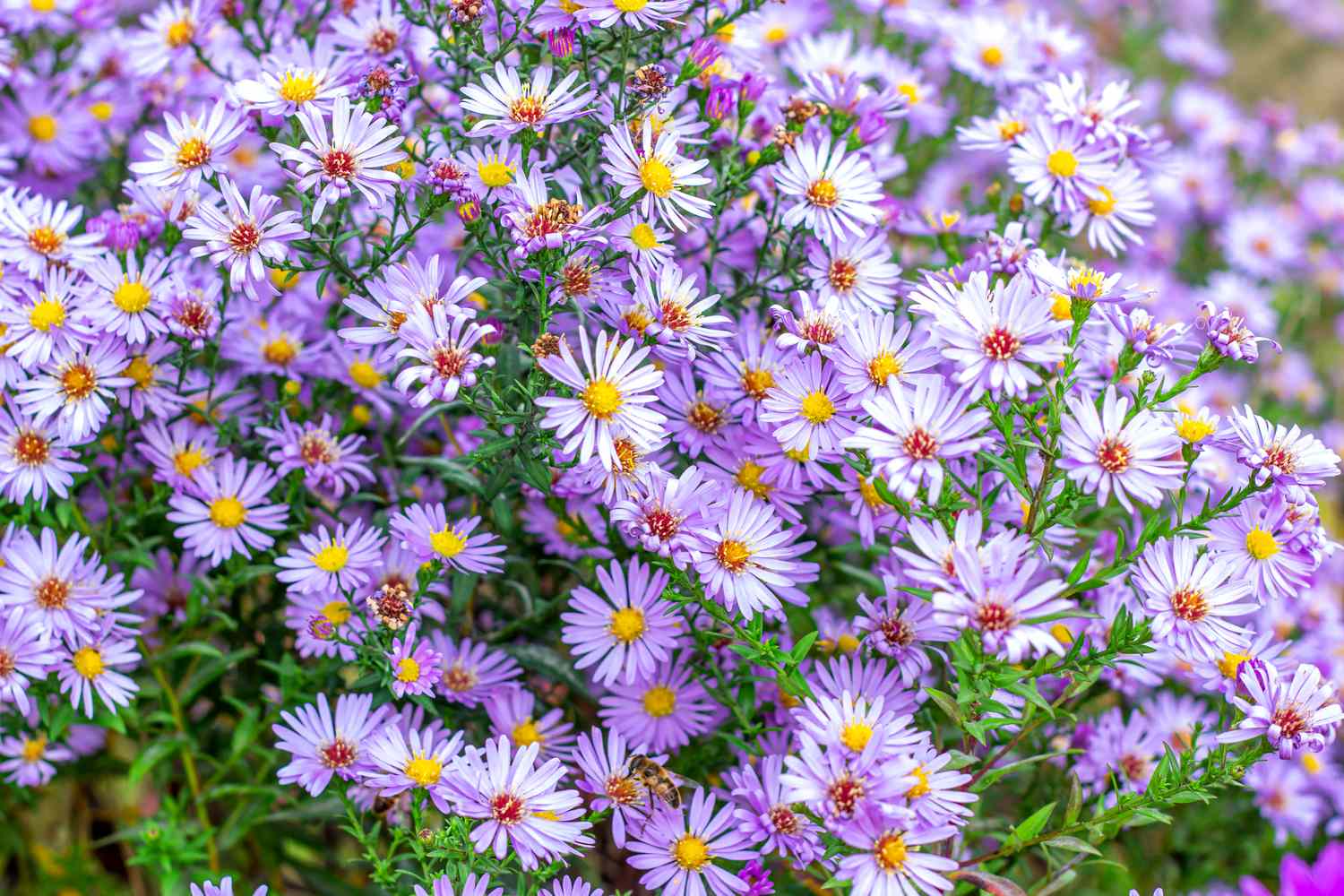
If your garden runs out of steam by late summer, aromatic aster is the fix. It blooms late, often when other perennials are fading, and covers itself in daisy-like flowers that pollinators adore. It is a fantastic way to extend the season without turning your yard into a high-maintenance project.
Aromatic aster tends to form tidy mounds and holds up well in sunny sites. It is especially good in borders that need a fall finale instead of an awkward seasonal shrug.
Why it is low-maintenance: It handles full sun, adapts to average soil, and tolerates drought once established. A light trim earlier in the growing season can help it stay bushier, but overall it is one of the easiest late-season performers you can plant.
How to Combine These 8 Perennials Into One Easy Flower Bed
You do not need a giant yard or a formal design plan to make these plants work together. In fact, the easiest flower garden often comes from repeating a few dependable shapes and colors instead of collecting one of everything like a very floral scavenger hunt.
Try this simple layout in a sunny bed:
- Back of the bed: Peonies, coneflowers, and aromatic asters for height and seasonal range.
- Middle layer: Black-eyed Susans and salvias for strong blocks of color.
- Front edge: Catmint and sedum for soft mounds, long bloom, and neat structure.
- Tuck in daylilies wherever you need a dependable clump to bridge gaps and boost summer color.
The result is a garden that starts strong, keeps moving through the seasons, and still looks intentional when life gets busy. Which, to be honest, is the dream.
Common Mistakes That Make “Low-Maintenance” Plants More Work Than They Need to Be
Even the easiest perennials can become dramatic if they are planted in the wrong conditions. The most common mistake is treating every flower the same. Sun-loving plants placed in too much shade get floppy or bloom poorly. Plants that want sharp drainage sulk in wet soil. Overwatering can be just as unhelpful as underwatering, especially for sedum and catmint.
Another issue is crowding. Tiny nursery pots do not look like they need space, but mature perennials absolutely do. Good spacing improves airflow, reduces disease pressure, and keeps you from having to referee a root-zone boxing match later.
Finally, do not confuse low-maintenance with zero-maintenance. These plants are easy, not magical. Water them well after planting, keep weeds down while they establish, and pay attention through their first season. Once they settle in, that is when the easy part really begins.
What Growing a Fall-Planted, Low-Maintenance Perennial Garden Actually Feels Like
There is a particular kind of satisfaction that comes from planting perennials in fall. It is not flashy at first. In fact, it can feel a little anticlimactic. You put these sleepy-looking plants into the ground while the season is winding down, and then winter arrives looking deeply uninterested in your plans. But that is the whole point. A fall perennial garden teaches patience in the most rewarding way. You are not buying instant drama. You are building future ease.
By spring, the payoff starts to feel almost unfair. Plants you tucked in months earlier reappear with an energy that spring-planted gardens often need more time to find. Catmint starts mounding neatly. Daylilies send up fresh green fans. Coneflowers and black-eyed Susans begin to bulk up in a way that makes the bed look more established than it has any right to. Instead of staring at bare soil and wondering whether you should buy more mulch, you get the delightful experience of watching structure return on its own.
Summer is where the low-maintenance promise really proves itself. This is the moment many gardeners realize they have accidentally created a flower bed that looks good without requiring a daily intervention. You walk outside with coffee and notice bees moving through salvia. Sedum is thickening at the front of the border. Black-eyed Susans are bright enough to wake up the whole yard. And the best part is that your to-do list is refreshingly short. Maybe you pull a few weeds. Maybe you cut back catmint after its first flush. Maybe you water during a dry stretch. That is about it. No endless replacing. No dramatic midseason collapse. No annuals throwing tiny tantrums because you missed one watering.
Then fall rolls in again, and the garden somehow becomes even better at its job. Aromatic asters start glowing in cooler light. Sedum shifts into its late-season show. Seed heads and stems give the border texture instead of making it look tired. The garden feels settled, layered, and calm. There is color, but there is also substance. That is one of the most underrated joys of easy perennials: they do not just bloom; they give the garden a backbone.
There is also an emotional side to this kind of planting that people do not talk about enough. A low-maintenance perennial bed lowers the pressure. It makes gardening feel more welcoming, especially if you are busy, new to plants, or simply unwilling to spend every Saturday deadheading like it is a second job. The garden starts working with you instead of assigning you chores. And that changes the whole vibe. You are more likely to notice the first buds, the visiting butterflies, the way the border changes week by week, because you are not constantly stuck in maintenance mode.
Over time, these fall-planted perennials begin to create something that feels bigger than a list of flowers. They create rhythm. Peonies become the spring event. Daylilies and salvias carry summer. Coneflowers and black-eyed Susans hold the middle. Sedum and aster close the show. The garden becomes easier not because it is empty of tasks, but because the right plants are doing so much of the heavy lifting. And honestly, that is the secret many experienced gardeners eventually learn: the easiest flower garden is not the one with the fewest plants. It is the one planted with the smartest ones.
Conclusion
If you want a flower garden that looks charming instead of chaotic, skip the high-maintenance stars and go with sturdy perennials that know how to mind their own business. Fall is an ideal time to plant them, and the right mix can give you months of bloom, pollinator activity, strong structure, and much less work next year. Coneflower, black-eyed Susan, catmint, daylily, sedum, salvia, peony, and aromatic aster are not just pretty picks. They are practical ones. And in gardening, practical can still be gorgeous.