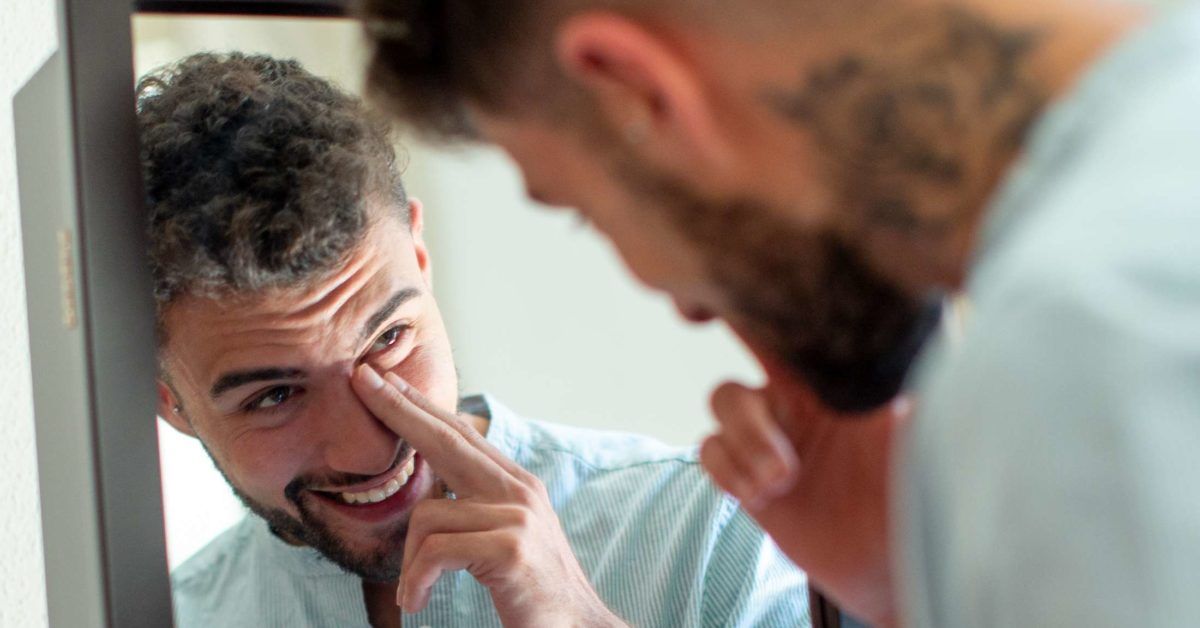

If you’ve ever leaned into a mirror, spotted a new dot, bump, or patch of color, and thought, “Oh great, what is that now?” congratulations, you’ve met a blemish. Blemishes are incredibly common, usually harmless, and sometimes a little rude about showing up right before big events. The good news: once you understand what kind of blemish you’re dealing with, you can choose smarter treatments and avoid making things worse.
This guide walks you through what blemishes are, the most common types (from classic acne to dark spots and scars), and the evidence-based treatments dermatologists actually use in real life. We’ll also talk about when a “harmless spot” might be a sign to see a doctor, plus some real-world experiences to help you feel less alone in the journey to clearer skin.
What exactly are blemishes?
“Blemish” is not a strict medical term. It’s more of a catch-all for any mark, bump, or discoloration on the skin that stands out from your usual skin tone or texture. That includes pimples, blackheads, whiteheads, dark spots, scars, redness, moles, and more.
In many cases, blemishes are purely cosmetic they don’t threaten your health, but they can affect your confidence. In other cases, a “blemish” can be a sign of an underlying condition like acne, rosacea, eczema, or even skin cancer. That’s why it helps to know which types you can safely tackle at home and which deserve a dermatologist’s attention.
Common types of blemishes
1. Acne blemishes (blackheads, whiteheads, and pimples)
Acne is the classic blemish-maker. It develops when pores (hair follicles) get clogged with oil and dead skin cells, often with a little help from bacteria and hormones. This can create non-inflammatory bumps like blackheads and whiteheads, or inflammatory lesions like red pimples, deep nodules, and cysts. Dermatology organizations describe acne as one of the most common skin conditions in the world, affecting people from their teens through adulthood.
- Blackheads and whiteheads (comedones): These are the “mildest” acne blemishes. Blackheads are open pores filled with oxidized oil and debris. Whiteheads are closed, tiny bumps under the surface. Over-the-counter (OTC) salicylic acid, gentle exfoliation, and retinoids like adapalene can help keep them from forming.
- Inflammatory pimples (papules and pustules): These show up as red bumps or white-topped zits. They form when the pore wall breaks, triggering inflammation. Benzoyl peroxide, topical retinoids, and sometimes topical antibiotics are commonly used.
- Nodules and cysts: These are large, painful bumps deep in the skin. They often require prescription treatments such as strong topical retinoids, oral antibiotics, or isotretinoin under a dermatologist’s care.
Acne can leave behind two bonus “blemish types”: dark marks (post-inflammatory hyperpigmentation) and true scars (changes in skin texture).
2. Dark spots and other pigment changes
Dark spots are among the most common reasons people use the word “blemish.” These spots usually fall into a few categories:
- Post-inflammatory hyperpigmentation (PIH): Dark spots left over after acne, bug bites, eczema, or any skin injury. They’re especially common and often more noticeable in people with medium to deep skin tones.
- Sun spots (also called age spots or solar lentigines): Flat, tan-to-brown areas from cumulative sun exposure, usually on the face, hands, and chest.
- Melasma: Blotchy brown or gray-brown patches, typically on the cheeks, forehead, or upper lip. Hormones and sunlight both play big roles.
- Hypopigmentation: Light patches that appear after inflammation or conditions like eczema or psoriasis. These can be trickier to treat.
Research shows that pigment disorders can strongly affect quality of life, and that hyperpigmentation is generally caused by excess melanin production triggered by inflammation, hormones, or UV and visible light exposure. Gentle, consistent care and daily sunscreen are key pillars of treatment.
3. Redness, flushing, and rosacea
Not every blemish is a spot; sometimes the “blemish” is ongoing redness. Rosacea is a chronic skin condition that often shows up as facial flushing, visible blood vessels, and sometimes pimple-like bumps on the central face. Dermatology guidelines describe several rosacea subtypes, but for most people it looks like persistent redness that gets worse with triggers like heat, spicy foods, alcohol, and stress.
Rosacea-related blemishes can include:
- Persistent redness: Especially around the cheeks, nose, and chin.
- Acne-like bumps: Papules and pustules that may be mistaken for regular acne but often require different treatment.
- Visible capillaries (telangiectasias): Tiny red or purple lines under the surface of the skin.
4. Scars and texture changes
Blemishes aren’t always about color. They can also be about texture such as pitted acne scars, raised bumps (hypertrophic or keloid scars), or old injuries that healed unevenly. Acne scars are extremely common; clinical sources estimate that a significant portion of people with moderate to severe acne develop some scarring.
Because scars represent changes in the deeper structure of the skin, they usually need more than just a cream to improve meaningfully.
5. Moles and birthmarks
Many people casually call moles or birthmarks “blemishes.” Most moles are completely benign collections of pigment cells. However, it’s very important to know that some pigmented spots can represent melanoma or other skin cancers. The American Academy of Dermatology and major cancer organizations recommend using the ABCDE rule when you look at moles:
- A – Asymmetry: One half doesn’t match the other.
- B – Border: Edges are irregular, blurred, or notched.
- C – Color: Multiple colors or very dark, uneven shades.
- D – Diameter: Larger than about 6 mm (the size of a pencil eraser), though melanomas can be smaller.
- E – Evolving: Any spot that’s changing in size, shape, color, or behavior (itching, bleeding, crusting).
If any “blemish” matches those warning signs, or just looks suspicious or different from your other spots, that’s a reason to see a dermatologist promptly.
What causes skin blemishes?
The underlying causes depend on the type of blemish, but there are a few common themes:
- Clogged pores: Excess oil, dead skin cells, and sometimes hair products or makeup can block follicles and lead to acne.
- Hormones: Androgens (hormones that increase oil production) fluctuate during puberty, menstrual cycles, pregnancy, and stress, making breakouts more likely.
- Inflammation: Any irritation or injury from squeezing pimples to scratching eczema can leave behind dark or light spots.
- Sun exposure: Ultraviolet light ramps up melanin production, deepens existing dark spots, and increases skin cancer risk.
- Genetics: Some people are simply more prone to acne, pigment changes, or moles because of their genes.
- Skin tone: Melanin-rich skin often heals with more pigment (hyperpigmentation), while fair skin may burn more easily and be at higher risk for UV damage and skin cancers.
Treatments for different types of blemishes
There’s no single miracle product that erases every blemish. Effective care starts with identifying what you’re dealing with and then choosing treatments that match the specific problem without wrecking your skin barrier in the process.
Treating acne blemishes
Evidence-based acne care usually mixes lifestyle changes, gentle skincare, and specific active ingredients. Common approaches include:
- Gentle cleansing: Use a mild, non-drying cleanser once or twice daily. Over-washing or scrubbing can make inflammation worse.
- Salicylic acid (BHA): A chemical exfoliant that penetrates into pores to help keep them clear. Often found in cleansers, toners, and spot treatments.
- Benzoyl peroxide: Kills acne-causing bacteria and reduces inflammation. Frequently recommended for inflammatory pimples; it can bleach fabric, so use white towels and pillowcases.
- Topical retinoids: Ingredients like adapalene or prescription tretinoin help normalize cell turnover, clear existing comedones, and prevent future ones. They can also help fade dark marks over time.
- Professional treatments: For moderate to severe acne, dermatologists may add oral antibiotics, hormonal therapies (like certain birth control pills or spironolactone in women), or isotretinoin.
Patience is crucial: most acne regimens take at least 6–8 weeks to show clear improvement. Jumping between products too quickly can irritate skin and prolong the problem.
Fading dark spots and hyperpigmentation
Dark spots fade slowly even with excellent treatment, so set expectations for months, not days. Core strategies include:
- Daily broad-spectrum sunscreen (SPF 30 or higher): This isn’t optional. UV and visible light make spots darker and undo progress from your brightening routine. Reapply every two hours if you’re outdoors.
- Topical brightening ingredients: Dermatologists commonly recommend ingredients such as niacinamide, vitamin C, azelaic acid, kojic acid, arbutin, and tranexamic acid for hyperpigmentation. These work by calming inflammation, slowing melanin production, or speeding up cell turnover.
- Retinoids: Prescription tretinoin or OTC retinoids encourage cell turnover and can gradually lighten pigmented spots, especially when combined with other brighteners.
- Hydroquinone (short term, under supervision): Long considered a gold-standard prescription lightener in the U.S., hydroquinone can be very effective but must be used carefully and usually for limited periods under a dermatologist’s guidance.
- Professional procedures: Chemical peels, microneedling, and certain lasers can help with stubborn hyperpigmentation, but they must be chosen and timed carefully, especially for darker skin tones where aggressive treatments can sometimes make things worse.
For melanin-rich skin, experts increasingly emphasize gentler, barrier-supportive routines and caution against overly strong peels or frequent high-strength treatments that can trigger more inflammation.
Managing redness and rosacea blemishes
For rosacea, the goals are to reduce flares, calm inflammation, and improve the appearance of redness and bumps. Common approaches include:
- Trigger management: Many people find patterns with heat, spicy foods, alcohol, hot drinks, emotional stress, or sun exposure. A trigger diary can be surprisingly helpful.
- Gentle skincare: Fragrance-free, non-irritating cleansers and moisturizers are essential. Harsh scrubs, alcohol-heavy toners, and strong fragrances are usually a bad idea.
- Topical medications: Dermatologists often prescribe metronidazole, azelaic acid, or ivermectin creams or gels to control papules and pustules.
- Redness-reducing gels: Brimonidine or oxymetazoline creams can temporarily constrict blood vessels and visibly reduce persistent redness for several hours.
- Laser or light therapies: For visible blood vessels and chronic redness, vascular lasers or intense pulsed light (IPL) can be very effective when done by experienced professionals.
Improving scars and texture
Because scars change the skin structure, topical products have limited power. They can help somewhat, but procedures often give more dramatic results.
- Topical retinoids and exfoliants: These won’t “erase” scars, but they can smooth roughness and improve overall tone.
- Microneedling: Tiny needles create controlled micro-injuries that stimulate collagen production, which can soften pitted acne scars over time.
- Laser resurfacing: Fractional laser treatments can improve texture and discoloration but require downtime and careful aftercare.
- Chemical peels: Medium-depth peels may help with shallow scars and pigment.
- Fillers and other in-office techniques: For certain scar types, dermatologists may use fillers, subcision (breaking scar bands under the skin), or punch excision.
When a “blemish” needs a dermatologist ASAP
While most blemishes are harmless and mostly annoying, some signs mean you should stop experimenting with skincare and get a professional evaluation quickly:
- A mole or dark spot that follows the ABCDE warning signs or just looks very different from your others.
- A sore that doesn’t heal, bleeds repeatedly, or keeps crusting over.
- Rapid changes in size, shape, or color of any spot.
- Severe acne that’s painful, leaves scars, or doesn’t improve with good OTC care.
- Redness, swelling, or pain that suggests infection.
Early evaluation can be lifesaving in the case of melanoma and can prevent long-term scarring or pigment changes in other conditions.
Everyday habits to help prevent blemishes
You can’t control your genes (or your hormones, at least not fully), but you can stack the deck in your favor with daily habits:
- Choose non-comedogenic products: Look for “non-comedogenic” or “won’t clog pores” on makeup, sunscreen, and skincare if you’re acne-prone.
- Be consistent but gentle: A simple routine you stick with beats a dozen harsh products used randomly.
- Don’t pick: Squeezing pimples might feel satisfying, but it increases the risk of scarring and dark spots.
- Wear sunscreen every day: Sun protection is one of the best “anti-blemish” habits you can adopt.
- Support overall health: Good sleep, stress management, and a balanced diet won’t cure every blemish, but chronic stress and poor lifestyle habits can absolutely show up on your skin.
Real-life experiences: living with blemishes and finding what works
Skin guides often read like instruction manuals, but real life is messier and more encouraging. Here are a few composite experiences (drawn from common patterns dermatologists report and what many people share in clinics and support groups) that show how different blemishes can be managed over time.
“I thought acne was just for teenagers”
Alex, 29, had smooth skin as a teen, then suddenly developed jawline breakouts in their late 20s. At first, they grabbed whatever “acne” product was trending online: harsh scrubs, alcohol-heavy toners, drying masks. Their skin became red, raw, and still broke out plus every pimple left a brown mark that lingered for months.
When they finally saw a dermatologist, the plan was surprisingly boring: a gentle, fragrance-free cleanser, a low-dose topical retinoid at night, benzoyl peroxide in the morning on active pimples, and a daily SPF 30 sunscreen. Within three months, the breakouts were milder. Within six, new acne was rare and the dark spots were slowly fading. Alex jokes now that “the most exciting part of my routine is that it’s no longer exciting,” but they love that their skin is calmer and more predictable.
The mystery of the never-ending forehead patch
Priya, 34, noticed a brownish patch on her forehead after her second pregnancy. It got darker every summer, no matter what brightening serum she bought. She treated it like a random “blemish,” layering strong acids and skipping sunscreen when she was in a rush.
A dermatologist quickly recognized melasma, a hormonally influenced pigment condition. The new plan: a strict sunscreen habit (including hats and seeking shade), a gentle cleanser, niacinamide and vitamin C in the morning, and a carefully monitored combination cream at night for a limited period. Peels and lasers were used cautiously, timed for the less sunny months.
The patch didn’t vanish overnight, but over a year it lightened from “I see it in every photo” to “I notice it only if I hunt for it in good lighting.” The biggest shift wasn’t just in her skin it was in her mindset. Instead of chasing quick fixes, she started thinking of pigment control as a long game that needed consistency and sun-smart habits.
When redness isn’t just “sensitive skin”
Mark, 42, flushed easily at work presentations and after a single glass of wine. He assumed he had “sensitive skin,” so he tried to scrub less and moisturize more. Over time, the redness stayed even on calm days, and small bumps appeared on his cheeks. A co-worker casually mentioned that it looked like rosacea.
Sure enough, a dermatologist diagnosed rosacea and prescribed a gentle routine with a non-soap cleanser, a soothing moisturizer, and a topical medication for the bumps. Mark also tracked triggers and found that hot coffee, very spicy food, and saunas were big culprits. Swapping to iced coffee and dialing back the heat in his workouts gave him more control.
Today, he still blushes sometimes that’s part of his physiology but the persistent redness and bumps are mostly under control. He’s learned that managing this “blemish” isn’t about perfect skin; it’s about reducing flares so he feels comfortable in his own face at work and socially.
The mole that wasn’t “just cosmetic”
Finally, there’s Jamie, 38, who had a dark mole on her shoulder she jokingly called her “beauty mark.” One day her partner noticed it looked darker and slightly larger than before. It also had a little irregular border on one side.
Jamie hesitated it felt dramatic to “bother” a doctor over a tiny spot. But she remembered reading about the ABCDE rule and booked a dermatology visit. The biopsy showed an early melanoma. Because it was found early, removal and monitoring were enough; no chemotherapy or radiation was needed.
Jamie still has other harmless “blemishes” on her skin, but she sees them differently now. What once felt like cosmetic noise has become a set of signals she checks regularly. She calls sunscreen “my daily life insurance policy” and talks more openly with friends about getting suspicious spots checked.
Putting it all together
Blemishes are universal, but they’re not all the same and they don’t all need the same treatment. Some respond beautifully to thoughtful over-the-counter routines with ingredients like salicylic acid, benzoyl peroxide, retinoids, niacinamide, azelaic acid, and vitamin C. Others, like stubborn melasma, severe acne, or suspicious moles, really do call for a dermatologist’s expertise.
If there’s one big takeaway, it’s this: your skin is not “bad” because it has blemishes. It’s a living organ doing its best to protect you, and sometimes it needs a little targeted help. Pair smart habits (especially sunscreen and not picking) with evidence-based treatments, add a dose of patience, and don’t hesitate to get professional advice when something seems off. Clearer, calmer, healthier-looking skin is rarely about perfection it’s about progress and care over time.