
If you’ve ever eaten a gummy bear, admired a glossy panna cotta, or opened a capsule-style supplement, you’ve already met gelatin. It’s one of those “quietly everywhere” ingredients: part kitchen wizard, part food-industry workhorse, part wellness trend magnet. And thanks to collagen hype, gelatin has officially stepped out of the shadowy realm of Jell-O molds and into the spotlight of “Wait… is this actually good for me?”
Let’s break it down in plain English: what gelatin is, what it does in your body, what the science actually supports (and what it doesn’t), how to use it at home, and how to choose the right typewithout turning your pantry into a supplement aisle.
What Is Gelatin?
Gelatin is a protein derived from collagenthe structural protein found in animal connective tissues (think skin, bones, cartilage, tendons). When collagen is heated and partially broken down, it becomes gelatin. That’s why it can dissolve in hot liquid and “set” into a gel when cooled.
Where does it come from?
Commercial gelatin is commonly made from bovine (cow) or porcine (pig) sources, and sometimes fish (often used when dietary or religious restrictions matter). It’s typically sold as:
- Powdered gelatin (most common in U.S. grocery stores)
- Granulated gelatin (similar, just different particle size)
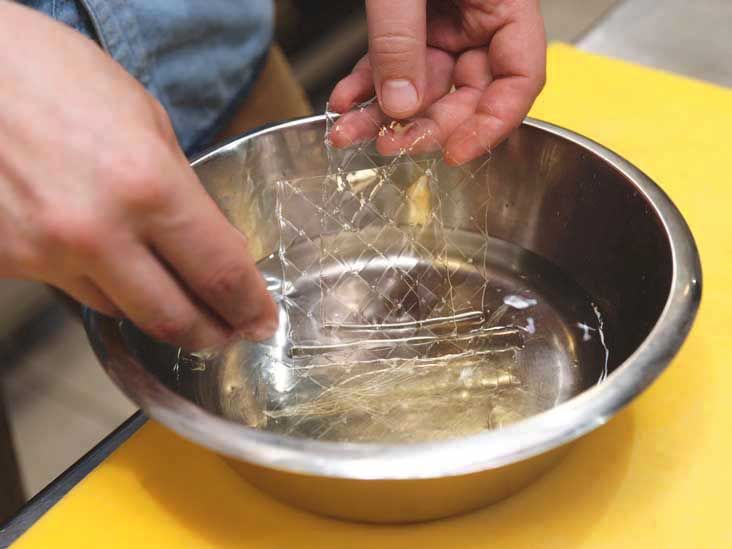
- Gelatin sheets (popular in professional baking and pastry)
Gelatin vs. collagen vs. collagen peptides
These get mixed up constantly, so here’s the simple version:
- Collagen is the original, big structural protein in your body.
- Gelatin is cooked/partially broken-down collagen that forms gels.
- Collagen peptides (hydrolyzed collagen) are further broken down so they dissolve easily in cold liquids and don’t gel.
Nutritionally, gelatin and collagen are very similar. Functionally, they behave differently in recipes, which is why bakers love gelatin and smoothie people love peptides.
Gelatin Nutrition 101
Gelatin is mostly protein and very low in carbs and fat. But there’s an important asterisk:
Gelatin is an incomplete protein. It lacks the essential amino acid tryptophan, so it can’t fully replace complete protein sources like eggs, dairy, meat, soy, or beans. That doesn’t mean it’s “bad”it just means it’s better viewed as a bonus protein, not the foundation of your protein intake.
Why people talk about gelatin’s amino acids
Gelatin (like collagen) is rich in amino acids that show up heavily in connective tissueespecially glycine, proline, and hydroxyproline. These are often discussed in the context of joints, skin, and connective tissue support.
What Is Gelatin Good For? Potential Benefits
Here’s where it gets interesting. Gelatin is often marketed for everything from “glowing skin” to “bulletproof knees.” The truth is more nuanced: there’s promising evidence in a few areas (especially when looking at collagen supplements broadly), but not every claim is equally supported.
1) Joint comfort and mobility (especially with collagen-style supplements)
One of the strongest areas of research around collagen-derived supplements is joint healthparticularly for people with osteoarthritis or activity-related joint discomfort. Studies and reviews on collagen peptides often find improvements in joint pain and function, though results vary and product quality matters.
Where does gelatin fit? Gelatin is collagen-derived, so it’s part of the same family. Collagen peptides are studied more often because they’re easier to standardize and consume consistently. Still, gelatin shares a similar amino acid profile, and many people use it as a food-based way to increase collagen-like proteins.
2) Skin hydration and elasticity (modest, not magical)
“Gelatin gummies for perfect skin” is a social-media storyline that deserves a tiny violin and a fact-check. When you eat gelatin, your body digests it into amino acids and small peptidesit doesn’t send it directly to your face like an express package labeled “For Your Pores.”
That said, controlled studies on oral collagen peptides do show modest improvements in skin hydration and elasticity in some groups. If you’re hoping for a realistic outcome, think: subtle support over time, not an overnight filter replacement.
3) Supporting gut comfort (specific medical uses exist, general claims are overhyped)
Gelatin is often mentioned in “gut healing” conversations, especially alongside bone broth trends. The evidence for gelatin alone as a cure-all is limited. However, there are medical products that combine gelatin-based compounds designed to support the gut wall’s barrier function for certain digestive conditions (such as diarrhea management). That’s a different situation than casually adding gelatin to tea and expecting it to solve everything from bloating to existential dread.
4) Sleep support (a glycine connection)
Gelatin contains glycine, and glycine has been studied for sleep quality. In research settings, glycine taken before bedtime has been associated with improvements in subjective sleep quality and next-day alertness in some people. This doesn’t prove gelatin is a sleep aid, but it helps explain why some people report a calming effect when they add collagen/gelatin drinks at night.
If you’re curious, a practical approach is to treat gelatin as one small piece of a sleep routine: consistent bedtime, less late-night scrolling, and maybe a warm beverage that doesn’t taste like regret.
5) Satiety: it can help you feel full (but it’s not a weight-loss cheat code)
Because gelatin is basically protein, it can add body to foods and may help with fullness. Some research comparing different proteins suggests gelatin may reduce hunger in certain short-term settings, but it’s not a long-term weight maintenance solution on its own. Translation: gelatin can support a high-protein snack strategy, but it doesn’t override overall diet quality.
6) Practical nutrition for people who struggle with protein texture
Not every “benefit” needs to be a headline-worthy health claim. Gelatin is useful for people who want easy-to-eat protein in gentle formatsthink soft desserts, high-protein homemade gummies, or texture-modified foods. For some people, that convenience is the real win.
Real-World Uses: What Gelatin Actually Does (Besides Existing)
Gelatin’s superpower is texture. It thickens, stabilizes, and creates that satisfying springy bite that makes certain foods feel “finished.” In food manufacturing, gelatin is used as a stabilizer, thickener, and texturizerbecause it’s reliable and behaves predictably.
In the kitchen
- Gummies and fruit snacks: The classic chewy structure comes from gelatin.
- Panna cotta and custard-style desserts: Smooth, silky set without being rubbery (when done right).
- Mousse, whipped fillings, and no-bake cheesecakes: Helps hold shape so your dessert doesn’t collapse like a failed group project.
- Marshmallows: Gelatin provides that bouncy “pillow” structure.
- Savory aspic or terrines: Old-school, yesbut still a valid flex in the right hands.
Outside the kitchen
- Capsules for supplements and medications: Many softgels and capsule shells use gelatin.
- Cosmetics and personal care: Used for film-forming and texture in some products.
- Food and pharma processing: Functions as a stabilizer, thickener, and formulation aid in regulated applications.
How to Use Gelatin at Home (Without Making a Rubber Brick)
If you’ve ever made gelatin once and ended up with something that could bounce off drywall, the good news is: it’s fixable.
Basic rules for success
- Bloom first: Sprinkle gelatin over cool water and let it hydrate for a few minutes. This prevents clumps.
- Dissolve with gentle heat: Warm your liquid and whisk the bloomed gelatin until fully dissolved.
- Don’t boil it hard: Excessive heat can reduce gelling strength and mess with texture.
- Chill patiently: Gelatin sets in the fridge over several hours (and usually firms up more overnight).
Easy starter ideas
- Protein-friendly fruit gel cups: Mix gelatin with 100% juice (or a juice-water blend), add berries, chill.
- Homemade gummy bites: Use juice plus gelatin; control sweetness and skip the neon dyes.
- Stabilized whipped cream: A tiny bit of dissolved gelatin helps whipped cream hold up longer.
- Better texture in yogurt bowls: Some people stir a small amount into warm liquid first, then mix into yogurt for a thicker feel.
How Much Gelatin Should You Take?
In foods, typical amounts are smalljust enough to set a dessert. In supplement-style use, doses vary widely, and research often focuses on collagen peptides rather than culinary gelatin. If you’re using gelatin as a supplement, keep it reasonable, listen to your stomach, and don’t treat it like a replacement for a balanced diet.
Important: Dietary supplements aren’t regulated like medications in the U.S., so quality and labeling can vary. If you have medical conditions, take medications, are pregnant, or have allergies, talk to a qualified clinician before using high-dose collagen/gelatin products.
Safety, Side Effects, and Who Should Be Careful
Gelatin is widely used in foods and is generally considered safe for most people in typical dietary amounts. Still, there are a few practical cautions:
Common mild side effects
- Bloating or “heavy” stomach feeling
- Belching or heartburn (especially with larger amounts)
- Unpleasant aftertaste in some products
Allergies and special situations
Gelatin allergy exists (though it’s uncommon). It can also be relevant in certain vaccine ingredient discussions because gelatin is used as a stabilizer in some vaccines. If someone has a known severe gelatin allergy, they should seek medical advice before receiving gelatin-containing products (food, supplements, or certain vaccines).
Dietary and ethical restrictions
Gelatin is not vegetarian or vegan. If you avoid animal products, look for plant-based gelling agents like agar-agar, pectin, or starches. For capsules, many supplements use vegetarian shells made from hypromellose (HPMC).
Food safety and sourcing
In the U.S., food ingredients are regulated, and there are controls intended to reduce risks from prohibited cattle materials in food and supplements. If sourcing matters to you, choose reputable brands that disclose origin (bovine/porcine/marine), and look for third-party testing when buying supplements.
FAQs People Actually Ask
Is gelatin good for hair and nails?
People often report stronger nails when increasing protein intake, including collagen/gelatin products. Scientific evidence is stronger for collagen peptides in some contexts, but outcomes vary. If your hair or nails are brittle due to low protein intake, improving overall nutrition may help more than any single ingredient.
Can gelatin “heal” joints?
It won’t rebuild cartilage overnight. But collagen-derived supplements have evidence for improving joint comfort and function in some peopleespecially those with osteoarthritis or high activity levels. Consider it supportive, not curative.
Is bone broth basically gelatin?
Bone broth contains gelatin when it’s cooked long enough to extract collagen from bones and connective tissue. That’s why a good bone broth jiggles when chilled. But the exact amount varies widely depending on ingredients and cooking time.
Gelatin vs. collagen peptides: which is better?
Pick based on your goal:
- For cooking and texture: gelatin wins (it gels).
- For easy mixing into coffee/smoothies: collagen peptides win (they dissolve).
- For budget-friendly use: gelatin is often cheaper per serving.
Bottom Line
Gelatin is good for a lot of practical things: improving texture in foods, helping recipes set, and providing a collagen-derived protein source that’s rich in connective-tissue amino acids. Research is strongest for collagen-style supplements in joint comfort and modest skin support, while gut and sleep benefits are more specific and less universal than social media suggests.
If you enjoy gelatin foods or want to use gelatin powder in the kitchen, you can absolutely include it as part of a balanced diet. Just remember: it’s not a complete protein, it’s not vegan, and it’s not a miracle. But it is a surprisingly useful ingredient that can earn its place in your pantrywithout requiring you to resurrect 1950s dessert culture (unless you want to, in which case… respect).
Experiences and Real-Life Perspectives (About )
Ask ten people what happened when they started using gelatin regularly, and you’ll get twelve storiesbecause humans love bonus opinions. Still, patterns show up in how people describe their “gelatin experience,” especially when they use it consistently for a few weeks.
In the kitchen, the first experience is usually surprise. A lot of people expect gelatin to be a one-trick pony: “It makes Jell-O.” Then they try stabilizing whipped cream for a holiday pie, and suddenly gelatin is promoted from “random packet” to “pantry MVP.” Home bakers often describe the moment their dessert slices cleanlyno slump, no puddleas the exact second they stopped fearing gelatin and started respecting it. If you’ve ever watched a no-bake cheesecake lean sideways like it’s trying to escape the plate, you understand the emotional value of structure.
For wellness routines, the most common report is subtlety. People who mix gelatin into warm tea, soup, or homemade gummies often say they don’t feel a dramatic “kick,” but they like the idea of getting extra protein in a gentle form. Some describe it as an easy habit: it doesn’t require a blender, a shaker bottle, or a motivational speech. It’s just… there. The biggest “win” many people mention is consistencybecause a routine you actually do beats a perfect routine you abandon on day three.
Joint and skin stories tend to be the most polarizing. Some people swear their knees feel better when they add collagen/gelatin daily. Others notice absolutely nothing and feel personally betrayed by the internet. Both outcomes make sense. Joint comfort is influenced by body weight, activity type, sleep, strength training, and overall diet. So when someone starts gelatin at the same time they start walking more or doing physical therapy exercises, it can be hard to credit one factor. The people with the happiest results usually describe gelatin as “support,” not “the cure.”
Digestion is where honesty shows up fast. Many people tolerate gelatin perfectly. A smaller group reports mild bloating or a heavy feelingespecially if they take large amounts quickly. In real-life routines, the “best experience” approach is typically: start small, spread it out, and don’t treat gelatin like a competitive sport. (Your gut did not sign up for the Gelatin Olympics.)
And finally: the mindset factor. People who enjoy gelatin most tend to like it for what it reliably doesimproves texture, adds protein, supports certain goalswithout demanding miracles. That’s a surprisingly healthy relationship with food. Gelatin becomes a tool, not a promise. And honestly, that’s when it works best.