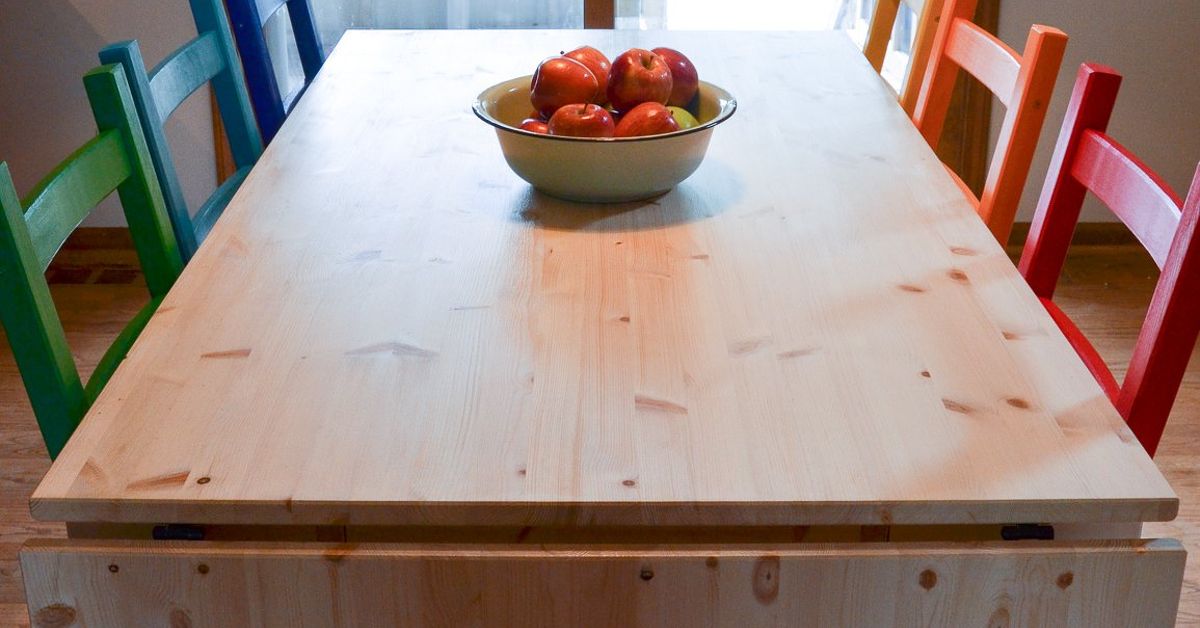

A rainbow painted kitchen set is basically a happiness machine you can wipe down with a sponge. Whether you’re transforming a thrifted kids’ play kitchen, brightening up a small dining set, or giving a tired kitchenette corner a cheerful makeover, rainbow color-blocking turns “meh” furniture into “wait… did you buy that from a boutique?”
The best part: you don’t need a workshop, a degree in Fine Arts, or a magical paintbrush blessed by the DIY gods. You need a plan, the right paint choices, and just enough patience to let coats dry (yes, that includes telling curious kids, “Nope, not yet,” approximately 47 times).
What Counts as a “Rainbow Painted Kitchen Set”?
The phrase can mean a few different things, and picking the right approach depends on what you’re painting:
- Kids’ play kitchen set (most popular): a toy kitchen plus accessories (stove, sink, fridge doors, knobs, mini shelves).
- Dining set: table + chairs or stools painted in coordinated rainbow tones.
- Storage + prep set: carts, cabinets, small shelving units used in a kitchen nook.
In this article, we’ll focus mostly on the most common projecta rainbow painted kids’ kitchen setwhile still giving you options that work for real-life furniture, too. The techniques overlap, and your paintbrush doesn’t care whether it’s painting a pretend oven or a real one.
Before You Paint: The Two Decisions That Prevent “Rainbow Regret”
1) Pick a Rainbow Style (Not Just Colors)
Rainbow can look playful, modern, pastel, retro, or “I accidentally created a unicorn café.” Decide the vibe first:
- Color-blocked rainbow: each door/drawer/panel gets one solid color (clean, graphic, beginner-friendly).
- Ombre gradient: colors blend from red → orange → yellow → green → blue → purple (a little extra effort, big payoff).
- Pastel rainbow: softer tones, less “highlighter explosion,” more “designer nursery.”
- Two-tone + rainbow accents: neutral base (white/cream/gray) with rainbow knobs, trim, or shelves.
2) Choose Your “Kid-Proof” Finish Level
Rainbow sets are adorable… until someone “cooks” spaghetti by dragging a wooden spoon across the door. Choose a finish that matches reality:
- Matte: trendy, hides flaws, shows fingerprints (because children are basically tiny evidence collectors).
- Satin: sweet spot for most projectseasy to clean, not too shiny.
- Semi-gloss: durable and wipeable, shows surface imperfections more.
Safety First: Paint Choices, Airflow, and the Lead-Paint Reality Check
If your kitchen set is new and made for children, it should already comply with safety standards. If it’s older, thrifted, or a hand-me-down, add one step before you start sanding like an enthusiastic beaver.
Lead paint: when to be cautious
In the U.S., lead-based paint was banned for residential use in 1978, but older furniture and painted items can still carry riskespecially if you’re disturbing old coatings. If you don’t know the history of a piece, treat it with respect: avoid aggressive sanding that creates dust, clean carefully, and consider testing or sealing strategies.
Ventilation and low-odor options
For kid-focused projects, many people prefer water-based, low-VOC or zero-VOC paints and primers. These are generally easier to clean up, lower odor, and practical for indoor DIYespecially if you’re painting in a garage, covered patio, or well-ventilated space.
Tools & Materials Checklist (AKA: Your “Don’t Make 6 Trips to the Store” List)
- Cleaner/degreaser (or mild dish soap + warm water)
- Microfiber cloths + tack cloth (or lint-free rags)
- Sanding sponge or sandpaper (common ranges: 120–220 grit)
- Primer (bonding primer if surface is slick/laminate)
- Paint: water-based acrylic/latex, furniture paint, or chalk-style paint
- Small foam rollers (smooth finish) + angled brush (corners)
- Painters tape + plastic/drop cloth
- Optional: spray paint for hardware or small parts
- Topcoat/sealer (water-based clear coat, wax, or durable furniture sealer)
- Labeling supplies (painter’s tape + marker for parts)
Step-by-Step: How to Paint a Rainbow Kitchen Set (Without Losing Your Mind)
Step 1: Disassemble and Label Everything
Remove doors, knobs, hooks, pretend burners, and any detachable shelves. Put screws in a cup or bag and label them. If the set has multiple doors that look identical, mark their locations with tape (e.g., “Left Door – Inside Top”). Future you will be grateful, and present you will feel strangely powerful.
Step 2: Clean Like Paint Depends on It (Because It Does)
Grease, hand oils, and mystery stickiness can block paint from bonding. Wash surfaces with a degreaser or mild soap solution, rinse if needed, and let everything dry fully. Pay attention to handles and edgesthose spots get handled most and fail first if they’re grimy.
Step 3: Scuff Sand (Not “Sand to the Center of the Earth”)
Most projects need a light sanding to help primer and paint grip. Use a sanding sponge to scuff glossy areas and smooth rough edges. Then wipe away dust thoroughly. This step is boring, but it’s the difference between “durable rainbow” and “peeling rainbow tragedy.”
Step 4: Prime for the Surface You Actually Have
Primer is your handshake between the old surface and the new color. It improves adhesion, blocks stains, and helps colors look evenespecially bright rainbow tones. Apply a thin, even coat. Once dry, a very light sand can smooth brush marks, followed by a wipe-down to remove dust.
Step 5: Map Your Rainbow (Yes, With Tape and a Plan)
Before paint touches the set, assign colors to parts. Here are three easy mapping strategies:
- Door-per-color: each door or panel gets one color (fast, bold).
- Row-by-row: top shelf red/orange, middle yellow/green, bottom blue/purple (balanced).
- Feature-first: neutral base, rainbow only on doors/backsplash area (cleaner look).
Pro tip: If you’re using strong colors (especially yellow), plan for extra coats. Some pigments are simply more dramatic about coverage.
Step 6: Paint in Thin Coats (Your Drip-Prevention Love Language)
Use a foam roller for flat panels and a brush for corners and grooves. Aim for multiple thin coats rather than one thick coat. Thick coats are how you get drips, tacky spots, and fingerprints that look like modern art evidence.
Let each coat dry fully before the next. If the surface feels even slightly tacky, it’s not ready. Your patience here directly converts into durability later.
Step 7: Create Clean Rainbow Lines (Without Crying)
For crisp color-blocking:
- Use painter’s tape on fully dry paint (rushing is how paint pulls up).
- Press tape edges down firmly.
- Paint away from the tape edge when possible.
- Remove tape slowly at an angle while paint is just barely set (not fully rock-hard).
For ombre blending, work one section at a time and overlap colors while slightly wet, using a dry brush or sponge to soften the transition. It’s messy in the fun waylike cake frosting, but less delicious.
Paint Options: What Works Best for a Rainbow Painted Kitchen Set?
Water-based acrylic/latex paints
These are widely used for furniture and DIY projects. They’re easy to clean up, come in endless colors, and work well over the right primer. For kids’ sets, many DIYers choose low-odor, water-based formulas and let them cure thoroughly before heavy play.
Chalk-style paint
Chalk-style paint is popular because it’s beginner-friendly and creates a soft, matte look. The big catch: it typically needs a protective wax or topcoat for durabilityespecially on something that will be handled daily. If you love the chalk look, just commit to sealing it.
Spray paint (for accents and hardware)
Spray paint can give a smoother finish on smaller parts like faucets, knobs, and baskets. Light coats are key. Spray outside or in a well-ventilated area, and protect surrounding surfaces carefully.
Sealing and Protecting Your Rainbow (The Step That Makes It Last)
Topcoat is what turns “cute for photos” into “survives daily pretend pancake service.” Your best choice depends on the look you want:
- Water-based clear topcoat: durable, clear, and typically doesn’t yellow like some oil-based finishes can. Great for bright colors.
- Wax (often used with chalk-style paint): soft, matte finish; may need reapplication over time.
- Furniture-specific sealers: often designed for scuff resistance and wipeability.
Apply thin coats, follow label directions, and give the finish time to cure before heavy use. “Dry to the touch” is not the same as “ready for a toddler chef tournament.”
Design Ideas That Look Intentional (Not Random Color Chaos)
1) Rainbow doors, white frame
Paint the main body white or warm cream, then do rainbow on the doors and drawer fronts. This makes the colors pop without overwhelming the room.
2) Pastel ice-cream shop palette
Use softened tones: blush pink, peach, butter yellow, mint, sky blue, lavender. Add “brass” spray-painted knobs for a tiny touch of fancy.
3) Modern “mini kitchen” color blocking
Try a tighter rainbow: coral, marigold, sage, teal, cobalt, plumdeeper, slightly muted shades that feel more grown-up but still playful.
4) The surprise rainbow interior
Keep the outside neutral and paint the inside shelves or the backsplash panel as a rainbow. It’s a fun reveal when doors openlike a tiny art exhibit with pretend cookies.
Cleaning & Maintenance: Keep the Rainbow Looking Fresh
- Wait for full curing before scrubbing or using harsh cleaners.
- Clean with a soft cloth and mild soap when needed.
- Use felt pads under accessories that scrape (mini baskets, metal hooks).
- Keep a small jar of each color for quick touch-ups.
Time and Cost: A Realistic Snapshot
Time: Most rainbow kitchen set projects take a weekend plus drying/curing time. The painting itself might be a few hours, but drying and topcoat time add up.
Cost: If you already have brushes and sandpaper, you can often complete the makeover with primer, a few sample-size paints, and a topcoat. Want the smoothest finish? Add a foam roller and good painter’s tape to your cart.
Conclusion: Your Kitchen Set, But Make It Joy
A rainbow painted kitchen set is one of those projects that looks whimsical, but it’s secretly practical: it teaches color, encourages play, and turns an everyday toy (or furniture set) into something personal. With the right prep, primer, and protective finish, your rainbow won’t just be cuteit’ll be tough enough to handle years of pretend soup, imaginary pizza, and at least one “Oops, I colored on it” moment.
Real-Life Experiences: What People Learn After Painting a Rainbow Painted Kitchen Set (About )
Ask anyone who’s painted a rainbow kitchen set and you’ll hear the same story arc: excitement, confidence, mild panic, then victory. The excitement is easychoosing colors feels like shopping for joy. People often start with a classic rainbow (red, orange, yellow, green, blue, purple), then realize real-life rooms have lighting, and some reds look like tomato sauce under warm bulbs. That’s when experience kicks in: testers and sample swatches become your best friend. A lot of DIYers end up tweaking the rainbow into something more livablecoral instead of fire-engine red, teal instead of primary bluebecause it still reads “rainbow,” but it won’t visually shout during bedtime stories.
One common lesson: prep is the boring step that saves your project. Folks who skipped cleaning or scuff sanding often report the same heartbreakpaint that chips around handles, or edges that peel when tape is removed. The experienced painters get almost weirdly proud of their prep routine: clean, scuff, wipe dust, prime, then paint. It doesn’t feel glamorous, but the set holds up to daily play, and that’s the real flex.
Another real-world discovery is that yellow is… dramatic. Many people expect yellow to cover like the other colors, then end up painting “just one more coat” for the third time. The workaround is simple: prime well, keep coats thin, and accept that some bright pigments need extra love. The same goes for reds in certain brandsgorgeous, but sometimes they want a little more drying time so they don’t stay tacky.
Parents also learn that involving kids is both adorable and chaotic. The sweetest experiences usually come from giving kids “safe tasks”: picking color order, handing over painter’s tape, or painting a removable accessory piece with supervision. Kids feel ownership, and the set becomes more than a toyit’s “the kitchen we made.” The less sweet experiences usually involve a child touching a door to “see if it’s dry” and leaving the world’s most permanent fingerprint. (Pro tip from the trenches: have a decoy craft nearby. It’s the DIY equivalent of giving someone snacks so they stop stealing your fries.)
People also talk about the moment they apply the topcoat. Before sealing, the paint can look slightly uneven or fragile, and some DIYers worry they messed it up. After sealing, everything suddenly looks more finished and intentionallike the rainbow got its diploma. The biggest surprise is how much a protective finish affects cleanup. Wipeable surfaces mean you’re not panicking when sticky hands touch the oven door. That’s when the project stops being “pretty” and starts being “actually useful.”
Finally, there’s the pride factor. A rainbow painted kitchen set tends to become the centerpiece of a playroom or corner nook, and guests always ask where it came from. The best part is answering, “Oh, I made it,” like you’re casually the mayor of creativity. And even if a few imperfections remaintiny brush marks, a slightly uneven stripethose become part of the story. It’s handmade, it’s happy, and it’s built for real life. That’s the whole point.