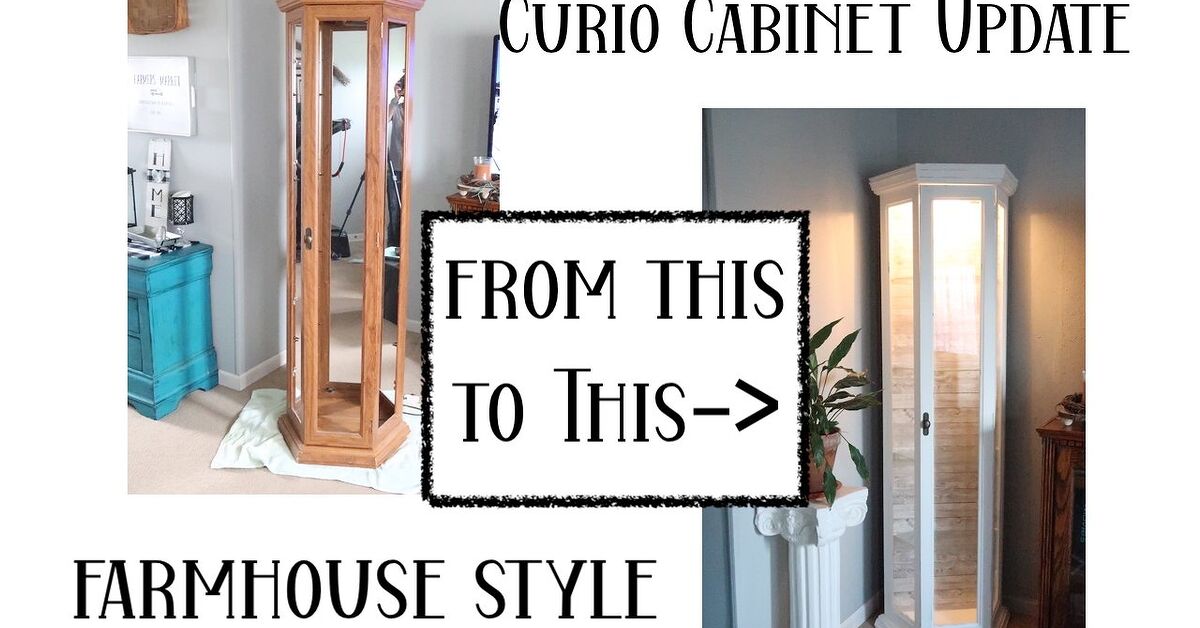

My curio cabinet and I have history. It’s held wedding gifts, dusty souvenirs, a suspiciously large mug collection, and at least three candles I swore I’d burn “soon.”
But as farmhouse style took over my home with creamy whites, warm woods, and cozy textures, this shiny old cabinet started looking more “mall furniture 2003” than charming country classic.
So I did what any mildly dramatic, budget-conscious DIYer would do: I gave it a full farmhouse makeover.
The good news? Updating a dated curio into a gorgeous farmhouse statement piece is totally doable in a weekend (plus drying time), without needing a workshop, a contractor, or a personality transplant.
Below is a step-by-step, real-life-tested guide to turning your curio cabinet into a bright, rustic, farmhouse-style showpiece, inspired by the best practices from top U.S. DIY and home décor sources and adapted into one clear, practical makeover plan.
Why Farmhouse Style Loves a Good Curio Cabinet
Farmhouse style is all about warmth, simplicity, and pieces that feel like they’ve lived a life. Think soft neutral paint, subtle distressing, visible wood grain, vintage-inspired hardware, glass that shows off your favorite finds, and styling that looks curated but never fussy.
A curio cabinet is the perfect candidate:
- Glass doors let you display ironstone, mason jars, framed photos, or thrifted treasures.
- Tall profile adds visual height and anchors a wall like a built-in feature.
- Lots of detail (molding, legs, panels) takes beautifully to paint and glaze, giving that aged farmhouse character.
- Budget win: You upgrade what you have instead of buying an expensive “new vintage” cabinet.
Step 1: Take a Good Look at What You’re Working With
Before you crack open the paint, study your cabinet:
- Material check: Solid wood, veneer, or faux wood laminate all can work; they just affect prep. Veneer and laminate need gentle sanding and good bonding primer or quality chalk/mineral paint.
- Damage scan: Look for peeling finish, loose doors, wobbly shelves, missing knobs, or water rings. Fill, glue, and tighten now; paint will not hide chaos.
- Design potential: Does it have dated scrolls, orangey oak, shiny brass, or heavy glass? Great. Those “flaws” become character once you calm them down with color and farmhouse textures.
Step 2: Clean, Prep, and Tape (The Un-Skip-Able Part)
Farmhouse style may look relaxed, but the paint job needs solid prep if you want it to last:
- Empty everything. Take out shelves, hardware, and any glass inserts you safely can. Label hinges and screws so future-you doesn’t cry.
- Deep clean. Use a degreaser or a mix of warm water and a few drops of dish soap to remove wax, oils, and polish residue. Pay extra attention to door edges and handles.
- Scuff sand. A quick pass with 150–220 grit is usually enough to de-gloss and help paint grip. You’re not stripping to bare wood; you’re giving the surface “tooth.”
- Tape and cover. Use painter’s tape along glass edges and paper or plastic to cover large panes. This is faster than scraping dried paint off later, trust me.
- Patch where needed. Wood filler for gouges, let dry, sand smooth. For small dings, they can staythey add to the farmhouse charm.
Ten extra minutes here can add years to your finish. Skipping prep is how you end up with peeling paint and regret.
Step 3: Choose a True Farmhouse Color Palette
Farmhouse style doesn’t mean “only white,” but it does lean into soft, livable tones. Great choices for a curio cabinet include:
- Warm whites: Creamy, off-white, or linen tones instantly brighten dated wood and work with almost any wall color.
- Greige and mushroom: Perfect if you want subtle warmth and depth without going dark.
- Soft sage or dusty green: Adds color but still feels natural and vintage-friendly.
- Charcoal or black accents: On the interior back or base for contrasttimeless, not harsh when paired with wood and warm décor.
For product types, you have two main routes:
- Chalk or mineral paint: Forgiving, great adhesion, minimal priming if surface is properly cleaned and scuffed.
- Quality enamel/latex with primer: More durable in high-traffic homes; just use bonding primer and allow proper cure time.
Apply 2–3 thin coats rather than one heavy coat. Let each coat dry fully; farmhouse charm does not include fingerprints fossilized in paint.
Step 4: Add Farmhouse Texture – Beadboard, Shiplap & Friends
The secret sauce of a farmhouse curio is in the back panel and details. A few high-impact options:
- Beadboard or faux shiplap: Add real beadboard, tongue-and-groove, or rip thin strips of plywood for a subtle plank effect on the inside back. Paint it white or a soft contrast color.
- Wallpaper or fabric backing: Neutral gingham, ticking stripe, subtle floral, or linen-look paper warms up the display without stealing the show.
- Chicken wire swap: For doors with wood or panel inserts, replacing those panels with chicken wire is a classic farmhouse move. Pair with baskets and pottery for maximum charm.
Keep patterns subtle and tones soft; your treasures, not the backdrop, should be the star.
Step 5: Distressing (Optional) the Right Way
Done well, distressing looks like decades of love. Done wrong, it looks like your cabinet survived a raccoon attack. Aim for restraint:
- Use 220-grit sandpaper to softly hit natural wear points: corners, edges, raised trims, around handles.
- Expose a hint of wood or base colornever random patches in the middle of flat panels.
- Wipe off dust and step back often. If you’re asking, “Did I go too far?” you probably did. Touch up with paint if needed.
Step 6: Upgrade the Hardware for an Instant Farmhouse Lift
Hardware is tiny but mighty. Swap dated shiny brass or ornate gold for:
- Black or oil-rubbed bronze knobs and pulls
- Antique pewter or brushed nickel latches
- Cup pulls or simple classic knobs that look like they belong in an old general store
Choose simple shapes that echo farmhouse stylenothing too sparkly, nothing too modern glam.
Step 7: Style the Inside Like a Farmhouse Pro
You’ve come this far; don’t let clutter ruin the reveal. Think collected, not crowded:
- Start with a neutral base: White dishes, clear glass, stoneware, simple frames.
- Add warmth: Wood cutting boards, woven baskets, small crates, or vintage books with muted spines.
- Layer heights: Use risers, stacked books, and stands to stagger pieces so everything is visible.
- Greenery: A small faux olive tree stem, eucalyptus, or simple greenery softens all the straight lines.
- Meaningful pieces: Display heirlooms, travel finds, or family photos so it feels personal, not staged for a catalog.
Leave breathing room. If every inch of shelf is full, edit until your eyes can rest.
Step 8: Lighting, Protection & Longevity
To make your farmhouse curio feel high-end:
- Add soft lighting: Battery-operated puck lights or mini LED strips at the top create a warm glow on your displays.
- Seal smart: On high-contact areas (door edges, knobs), use a water-based topcoat in matte or satin. Skip heavy gloss; farmhouse finishes should feel soft, not plastic.
- Cure time: Even when the paint is “dry,” it may need 2–3 weeks to fully harden. Treat gently during this time.
Common Mistakes to Avoid
- Skipping cleaning or sanding: Number one reason for peeling paint.
- Using ultra-bright blue-white paint: Can feel harsh; choose warmer whites for a softer farmhouse look.
- Over-distressing: A little goes a long way.
- Busy backing plus busy décor: Choose one heroeither the backdrop or the collection.
- Random hardware styles: Keep finishes and shapes cohesive across the cabinet.
Real-Life Experiences & Lessons from My Farmhouse Curio Makeover
Let’s talk about what it really feels like to update a curio cabinet to farmhouse stylemess, surprises, victories and all.
First, I underestimated how yellow my original finish was. Once I taped off the glass and hit one door with a warm white, the difference was wild. The old orange finish suddenly looked like it had been chain-smoking for 15 years. If you’re on the fence about painting, test one small area; seeing that side-by-side is the motivation you need.
Second, glass + paint + impatience is a dangerous trio. On day one, I told myself I could “carefully cut in” without taping. By door two, I had tiny paint smudges mocking me from every corner of the glass. Taping took 15 minutes. Scraping took an hour. Learn from my bad decisions.
Third, I experimented with backing options. I tried a busy floral peel-and-stick wallpaper I loved… for about four minutes. Once the shelves and décor went in, everything screamed for attention. I swapped it for soft, vertical “shiplap style” boards in a warm white, and suddenly all my pieceswhite pitchers, framed black-and-white photos, a tiny vintage clocklooked intentional and calm. The lesson: your curio is a stage; the backdrop should support, not compete.
One of my favorite moments was choosing hardware. I lined up options: brushed nickel, vintage brass, flat black. The flat black farmhouse knobs won instantly. They grounded the piece and tied in the black frames and metal basket nearby, making the whole corner feel designed, not accidental. Small detail, huge impact.
I also learned that “distressed” works best when you ignore the urge to attack every edge. I focused on natural wear points: bottom corners, around the knob, a few raised moldings. When a friend asked if it was an old piece I’d found at an antique shop, I knew I’d nailed it. If people can’t tell whether it’s new paint or old charm, you’ve done farmhouse right.
Finally, styling took a couple of rounds. I started with everything I owned that was vaguely neutral. It looked like a yard sale. So I edited: stacks of white dishes, a couple of sentimental pieces, one framed quote, greenery, and dead space (yes, empty space is part of the design). Now the cabinet tells a story about our home instead of shouting, “Look how much stuff I have!”
The real win? This one updated cabinet quietly pulled the room togetherconnecting my farmhouse-style dining table, the neutral rug, and the black metal chandelier. One simple DIY project made the entire space feel cohesive, curated, and welcoming, without buying a single oversized sign that says “Farmhouse.”
Conclusion: Your Curio, Your Farmhouse Story
Updating your curio cabinet to farmhouse style is more than a paint job. It’s a smart, budget-friendly way to refresh your home, honor a piece you already own, and create a meaningful display that blends vintage soul with modern comfort.
With thoughtful prep, the right colors, subtle texture, upgraded hardware, and intentional styling, your once-dated cabinet becomes a timeless anchor in your spaceand a project you’ll be proud to say, “I did that.”