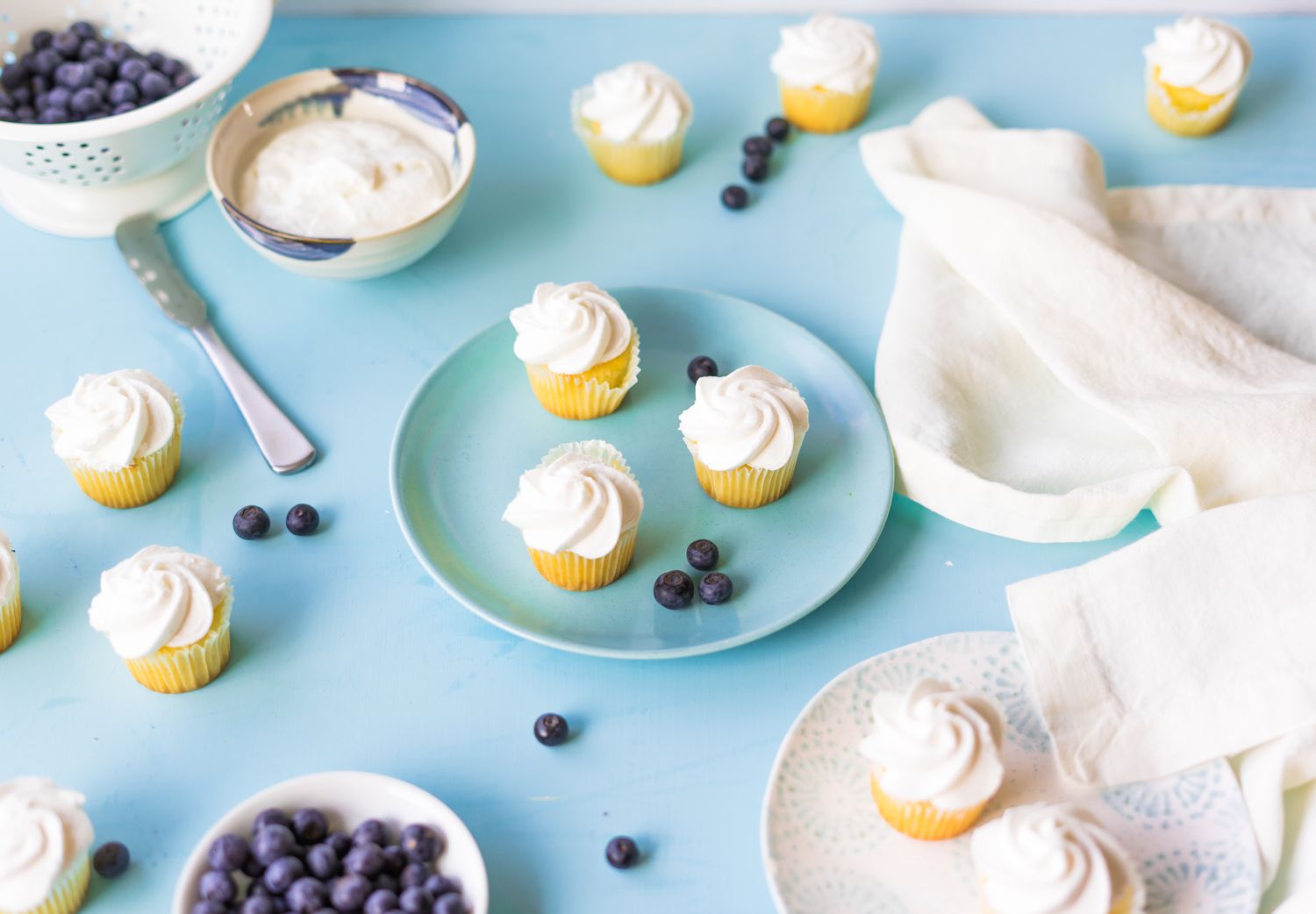

Need a frosting that tastes like a bakery made it, but you only have the attention span of a cookie in front of a toddler?
Meet 5-minute vegan buttercream: fluffy, sweet, pipeable, and completely dairy-free.
It’s the kind of frosting that can rescue an “oops-I-forgot-the-bake-sale” moment and still look intentional.
This guide covers a reliable base recipe, why it works, how to fix the usual buttercream drama (too runny, too stiff, “why is it grainy?”),
plus flavor ideas and real-world decorating tips. By the end, you’ll be able to frost cupcakes like a champeven if your kitchen timer is basically just vibes.
What Makes This Vegan Buttercream “5-Minute” Fast?
Classic American buttercream is basically a shortcut frosting by design: you whip fat + powdered sugar + flavoring and adjust with a splash of liquid.
Vegan buttercream uses the same formula, just swapping dairy butter for plant-based butter (or a butter/shortening combo for extra stability).
No custards, no meringue thermometers, no “wait… is this cooked enough?” existential dread.
The reason it comes together so quickly is simple: powdered sugar dissolves easily and thickens fast, while whipping adds air for that light, spreadable texture.
The only “gotcha” is that plant-based butters vary a lot (water content, fat content, firmness), so you’ll want to follow the consistency cues below.
5-Minute Vegan Buttercream Frosting (Base Recipe)
Ingredients (Makes about 3 cups; enough for 12–16 cupcakes or a 2-layer 8-inch cake)
- 1 cup (227 g) vegan butter, softened (stick-style works best for structure)
- 3 1/2 to 4 cups (420–480 g) powdered sugar, sifted if lumpy
- 2 teaspoons vanilla extract (or vanilla bean paste)
- 2 to 4 tablespoons plant milk (oat, soy, almonduse what you like)
- 1/8 to 1/4 teaspoon fine salt (yes, even in sweet frostingtrust the glow-up)
Optional, but helpful: 1–2 tablespoons vegetable shortening (or a firm vegan shortening) for extra heat stability and cleaner piping edges.
Equipment
- Stand mixer with paddle attachment or a hand mixer
- Large mixing bowl
- Rubber spatula
- Measuring cups/spoons (or a kitchen scale for faster, cleaner baking)
Instructions (5 Minutes, For Real)
-
Whip the butter. Beat the softened vegan butter on medium speed for about 60–90 seconds until creamy and smooth.
Scrape down the bowl so everything mixes evenly. -
Add powdered sugar gradually. With the mixer on low, add powdered sugar in 2–3 additions (to avoid a sugar blizzard).
Once incorporated, increase to medium and beat for 30 seconds. - Flavor it. Add vanilla and salt. Beat again until combined.
-
Adjust the texture. Add plant milk 1 tablespoon at a time, beating between additions,
until the frosting is fluffy, spreadable, and holds soft peaks. -
Final whip. Beat on medium-high for 30–60 seconds for extra fluff.
(If you want fewer air bubbles for super-smooth piping, keep it at medium and don’t over-whip.)
You’re done. Seriously. Put the spatula down and admire your life choices.
Consistency 101: How Vegan Buttercream Should Look and Feel
The “perfect” vegan buttercream depends on how you’re using it:
- For spreading on cakes: Smooth and creamy, like soft peanut buttereasy to glide without tearing cake crumbs.
- For piping swirls: Slightly thicker so it holds shapethink “scoopable” and able to form peaks.
- For cookie sandwiches: Thick enough to stay put, but not so stiff it squishes out the sides like toothpaste.
If you’re unsure, do a quick test: scoop a spoonful, flip the spoon slightly, and see if it holds a soft peak without sliding off immediately.
If it droops like it just heard Monday is tomorrow, add more powdered sugar.
If it stands like a brick wall, add a tiny splash of plant milk.
The “Why It Works” Breakdown (So You Can Fix It When It Misbehaves)
Vegan buttercream is simple, but it’s also a tiny science experiment.
Understanding the parts makes troubleshooting easy:
-
Vegan butter = fat + water (varies by brand). Some plant butters are softer or higher in moisture,
which can make frosting looser. Stick-style vegan butter usually gives better structure than tub spreads. -
Powdered sugar = sweetness + structure. It thickens the frosting and helps it hold shape.
If your butter is very soft, you may need the higher end of the sugar range. - Plant milk = the dial knob. A tablespoon can change everything. Add slowly.
- Salt and vanilla = flavor insurance. Without them, buttercream can taste like “sweet… and also sweet.”
Flavor Variations That Still Take 5 Minutes
Chocolate Vegan Buttercream
Add 1/2 cup (45–50 g) unsweetened cocoa powder (sifted) and an extra 1–2 tablespoons plant milk as needed.
For a deeper chocolate vibe, add 1/2 teaspoon espresso powder.
Lemon or Citrus Buttercream
Swap vanilla for 1–2 tablespoons lemon juice and add 1 teaspoon lemon zest.
Because citrus juice adds liquid, you may need a bit more powdered sugar to keep it pipeable.
Strawberry (Naturally Pink, No “Candy” Taste)
Use 2–3 tablespoons freeze-dried strawberry powder.
It adds flavor without thinning the frosting the way fresh fruit purée can.
Peppermint or Holiday Buttercream
Add 1/4 to 1/2 teaspoon peppermint extract (go easypeppermint does not believe in subtlety).
Sprinkle crushed candy canes on top for crunch.
Mocha Buttercream
Mix 1–2 teaspoons instant espresso with 1 tablespoon warm plant milk, cool it,
then beat it in. Add cocoa powder for full mocha energy.
Coloring Vegan Buttercream Without Ruining the Texture
Food coloring is sneaky because too much liquid can thin frosting. If you’re coloring for piping:
- Use gel coloring when possible (more pigment, less liquid).
- Add color at the end, then beat brieflyovermixing can introduce bubbles.
-
If using natural powders (beet, matcha, turmeric), start small.
They can also add flavorsometimes that’s a bonus, sometimes it’s a “surprise.”
Troubleshooting: How to Fix Common Vegan Buttercream Problems
1) Too Runny
- Add powdered sugar 1/2 cup at a time until it thickens.
-
Chill for 10–15 minutes if your kitchen is warm or your vegan butter got too soft.
Then re-whip briefly. - Consider using a stick-style vegan butter next time or adding 1 tablespoon shortening for stability.
2) Too Stiff
- Add plant milk 1 teaspoon to 1 tablespoon at a time.
- Let it sit for a minute, then beat againsometimes the sugar just needs a moment to hydrate.
3) Grainy or “Powdery” Mouthfeel
- Sift powdered sugar if it’s clumpy.
- Beat a little longer on medium to help the sugar distribute.
- Make sure your butter is softened, not cold. Cold butter can trap sugar and keep it from blending smoothly.
4) Split, Curdled, or Looks “Broken”
This usually comes from temperature issues (too cold, too warm, or ingredients not playing nicely together).
Try one of these:
-
If it’s too cold and curdled: warm the outside of the bowl slightly (a warm towel around the bowl works),
then beat until it comes together. - If it’s too warm and greasy: chill the frosting for 10 minutes, then re-whip.
- Scrape, then re-whip: sometimes the fix is simply re-emulsifying with a good mix and a stable temperature.
How to Use Vegan Buttercream: Specific, Practical Examples
Cupcakes
For tall bakery-style swirls, use a large star tip and keep the frosting slightly thicker (use closer to 4 cups powdered sugar).
A quick trick: chill the filled piping bag for 5 minutes if your hands run warm.
Layer Cakes
Do a thin “crumb coat” first (a light layer to trap crumbs), chill 10–15 minutes, then add the final coat.
If you want smoother sides, use a bench scraper or offset spatula and rotate the cake slowly.
Cookies and Sandwiches
Pipe or spread a thicker buttercream between cookies, then let it set for 20–30 minutes before stacking.
If you’re adding jam or fruit, keep the buttercream a bit firmer so it doesn’t slide around.
Holiday Decorating
Vegan buttercream is a great canvas for sprinkles, crushed nuts, toasted coconut, cookie crumbs, or dairy-free chocolate shavings.
It’s basically edible glue, but make it festive.
Make-Ahead and Storage
Vegan buttercream is a gift to planners and last-minute people alike:
- Short-term: Store covered in the refrigerator. Bring to room temperature and re-whip until fluffy.
- Freezer-friendly: Freeze in an airtight container, thaw in the fridge overnight, then re-whip.
-
On frosted desserts: If your room is cool, frosted cupcakes can sit out for a few hours.
For warmer environments or longer holding times, refrigerate.
Tip: When re-whipping chilled frosting, a splash of plant milk can bring back that creamy texture if it feels stiff.
Ingredient Tips for the Best Texture
Choose the Right Vegan Butter
If you want sharp piping and a frosting that holds up, reach for stick-style vegan butter.
Tub spreads can be softer and higher in water, which sometimes leads to looser buttercream.
If you only have a softer butter, plan on using more powdered sugaror chilling the frosting briefly.
Powdered Sugar: Sifting Is the Secret Shortcut
Sifting sounds like a “fancy baking person” move, but it’s actually a time saver when your sugar is clumpy.
It helps the frosting whip smoother faster, especially if you’re piping.
Plant Milk: Pick One You Like the Taste Of
You won’t taste a tablespoon or two dramatically, but it does matter.
Oat milk is often neutral and creamy, soy milk works well for structure, and almond milk is light.
If you’re using coconut milk, know it can add a subtle coconut note (which is either delightful or a dealbreakeronly you can decide).
Frequently Asked Questions
Can I make it less sweet?
American-style buttercream is sweet by nature, but you can balance it:
add a pinch more salt, use stronger flavoring (citrus zest, cocoa, espresso),
or pair it with a less-sweet cake. Reducing powdered sugar too much will also reduce structure, so make changes thoughtfully.
Can I pipe flowers and detailed designs?
Yesjust make the frosting slightly thicker (less plant milk, more powdered sugar).
If your kitchen is warm, chill the frosting or the piping bag briefly between rounds.
Why does my frosting look bubbly?
Over-whipping can trap air. For a smoother finish, mix on medium (not max speed) and use the paddle attachment if you have one.
If it’s already bubbly, press it against the bowl with a spatula to knock out air pockets.
Kitchen Notes: of Real-Life Vegan Buttercream Experience
Vegan buttercream is one of those recipes that makes you feel like you’ve unlocked a cheat code.
The first time people see “vegan frosting” on a cupcake, there’s often a polite pauselike they’re bracing for a lecture or a compromise.
Then they take a bite and immediately stop caring about labels. The frosting is creamy, sweet, and familiar in the best way.
The only real difference is that it asks you to pay attention to temperature more than traditional buttercream.
Here’s what tends to happen in real kitchens: you start confidently, toss vegan butter into the bowl, and whip it.
It looks perfect. Then you add powdered sugar and suddenly the frosting is either (A) too stiff to spread, or (B) mysteriously soft even though you swear you measured right.
That’s when you learn the most important vegan buttercream lesson: different plant butters behave like different personalities.
Some are firm and structuredgreat for piping tall swirls.
Others are softer and more “spread-friendly,” which is amazing for cakes but can slump if your room is warm.
Once you accept that powdered sugar and plant milk are your adjustment knobs, everything gets easier.
Decorating is where this frosting shines. For cupcakes, a thick vegan buttercream holds those dramatic bakery spirals that make people reach for their phones.
The trick is to stop adding liquid the moment the frosting becomes pipeable; one extra tablespoon of plant milk can turn “sturdy swirl” into “soft-serve impersonation.”
If you’re doing a big batch, it’s also smart to keep the bowl covered while you workfrosting dries out faster than you expect, especially under bright kitchen lights.
Cakes are a different adventure. A crumb coat with vegan buttercream is oddly satisfying because it glides on smoothly when the texture is right.
If your cake is cold and your frosting is warm, it spreads like a dream.
If both are warm, you may feel like you’re frosting a pillow. That’s not a personal failingthat’s physics.
A short chill between coats fixes most of it, and it also makes the final layer look cleaner.
When the frosting firms slightly, you can get those crisp edges that scream “professional bakery,” even if your workspace is a cutting board on the corner of the counter.
Flavor experiments are where people get hooked. Chocolate vegan buttercream is the crowd-pleaser, but strawberry with freeze-dried berry powder is the surprise favorite.
It tastes bright and real, and the pink color feels like a celebration without being neon.
Coffee lovers go wild for mocha buttercream, especially on chocolate cake.
And peppermint frosting in December? That’s basically permission to eat dessert for breakfast.
The best part is how forgiving it is once you know the fixes.
Too runny? Add sugar or chill.
Too stiff? Add a teaspoon of milk.
Split? Warm slightly or cool slightly and re-whip.
Vegan buttercream doesn’t demand perfectionjust a little attention and a willingness to adjust.
And honestly, that’s a pretty good life lesson… served on a cupcake.
Conclusion
A 5-minute vegan buttercream frosting recipe is the kind of kitchen skill that pays rent over and over:
birthday cupcakes, holiday cookies, layer cakes, and last-minute “I brought dessert!” moments.
Keep the base formula in your back pocket, adjust for your butter brand and room temperature, and you’ll have a frosting that’s fluffy,
reliable, and proudly dairy-freewithout tasting like it’s trying too hard.