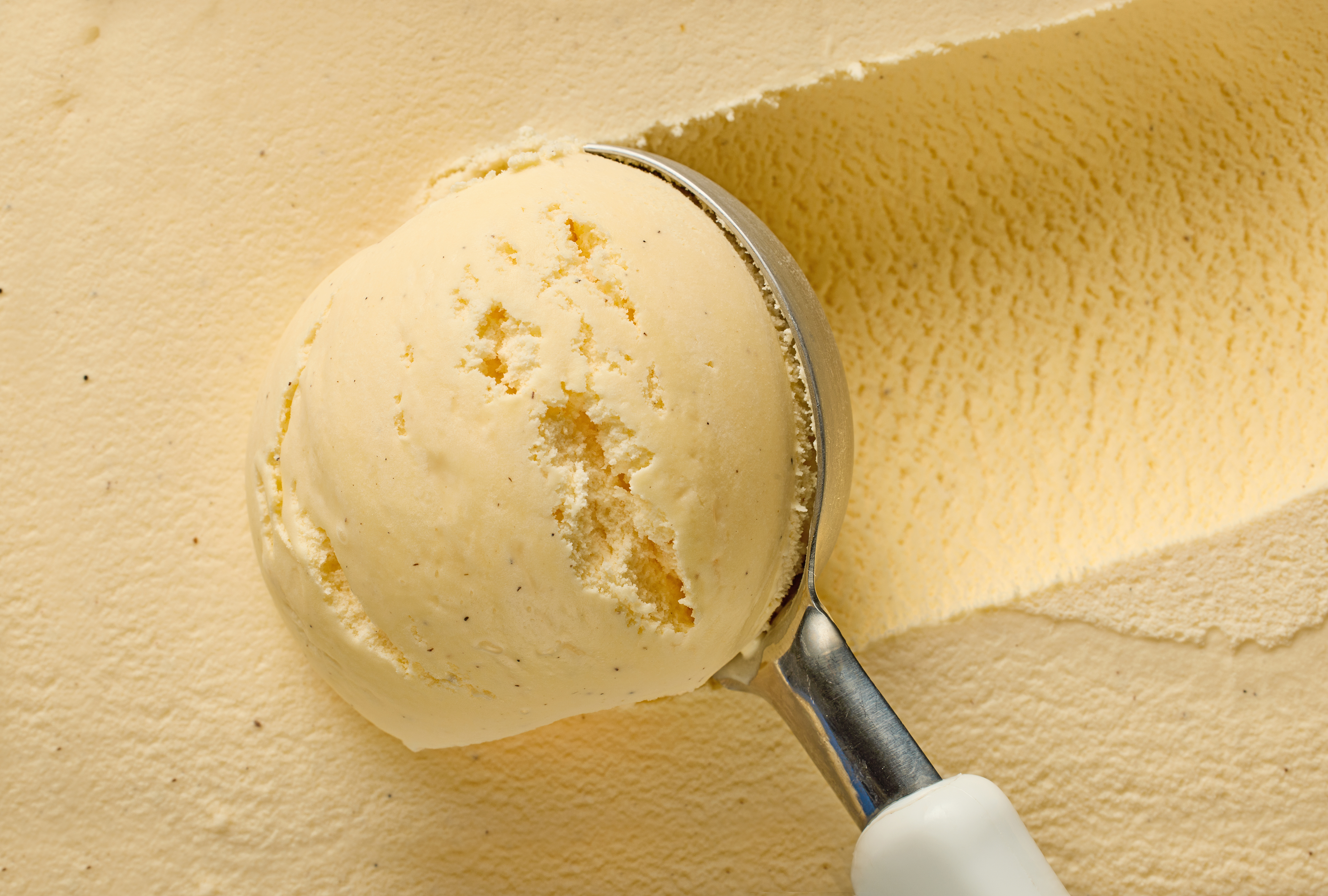

Ask any chef, pastry pro, or serious ice cream fan: vanilla is not the “boring” flavor.
It’s actually the ultimate test of whether an ice cream brand knows what it’s doing.
When there are no brownie chunks or caramel swirls to distract you, the quality of the
cream, the vanilla, and even the air in the tub (yes, really) are suddenly exposed.
The good news? You don’t need a culinary degree or a lab coat to choose a great pint.
With a few expert-approved tricks, you can read a label like a pro, predict how creamy
a pint will be before you even open it, and spot the difference between “meh” vanilla
and mind-blowing vanilla from across the freezer aisle.
In this guide, we’ll walk through exactly how ice cream experts judge vanilla ice cream:
what to look for on the ingredients list, how to decode terms like “French vanilla” and
“vanilla bean,” and how to do a quick at-home taste test so you always come home with
the best vanilla ice cream for your taste and budget.
Why Vanilla Ice Cream Is the Real Expert Test
Professional taste testers and food editors often start with vanilla for one simple reason:
it shows everything. Without mix-ins, you notice:
- The quality of the dairy – Does it taste rich and fresh or thin and icy?
- The purity of the vanilla – Does it taste floral, buttery, and complex, or like basic candy?
- The sweetness level – Is it balanced or cloyingly sweet?
- The texture – Silky, dense, and slow-melting or foamy and quick to collapse?
In multiple expert taste tests, the top-ranked vanilla ice creams tend to have a short,
simple ingredient list, real vanilla, and a dense, creamy texture rather than a fluffy,
airy one. These pints don’t need sprinkles to impressthey stand on their own.
Step 1: Read the Ingredients Label Like a Pro
Your first clue to whether a vanilla ice cream is worth your money is right there on the tub.
Before you’re swayed by phrases like “old-fashioned” or “crafted,” flip the carton over and
read the ingredients label.
1. Look for Real Dairy First
In high-quality vanilla ice cream, the first ingredients are usually:
- Cream
- Milk (sometimes “skim milk” or “whole milk”)
- Sugar
If you see water, corn syrup, or vegetable oils high on the list, you’re likely dealing
with a lower-end product or even a “frozen dairy dessert” instead of true ice cream.
These versions can taste icy or greasy instead of velvety.
2. Check the Source of the Vanilla
Next, look for how the vanilla flavor is created. On the label, you might see:
- Vanilla beans or vanilla bean specks – great sign, real vanilla.
- Pure vanilla extract – another strong indicator of quality and complex flavor.
- Vanilla extract or natural vanilla flavor – can still be good, but may be less nuanced.
- Vanillin or artificial flavor – more one-note or candy-like vanilla.
Real vanilla extract and vanilla beans give ice cream a layered flavor: floral, warm,
slightly woody, sometimes with chocolate or caramel notes depending on the variety.
Artificial vanillin often delivers a single loud note that tastes a bit like vanilla
frosting from a jarfun, but not exactly sophisticated.
3. Confirm It’s Actually “Ice Cream”
In the United States, there’s a legal distinction between “ice cream” and “frozen dessert.”
To be called ice cream, a product must meet certain minimum milk fat standards. Some brands
that use more stabilizers, less dairy, or more air are labeled as “frozen dairy dessert”
instead of ice cream.
On the front of the carton, check whether it clearly says “ice cream.” If you see terms
like “frozen dessert,” “frozen treat,” or “non-dairy frozen dessert,” you’re no longer
in classic vanilla ice cream territory. That’s not automatically bad, but if you’re chasing
the very best traditional vanilla, it’s an easy way to filter options.
Step 2: Choose Your Vanilla Style (Yes, There Are Styles)
Not all vanilla is created equal, and different styles offer different experiences. Knowing
which kind you actually enjoy will help you narrow the field fast.
1. Classic Vanilla
Classic vanilla ice cream is typically made with cream, milk, sugar, and vanilla extract.
It’s usually smooth and off-white, with no visible specks. The flavor is light, sweet, and
familiargreat for topping pies, pairing with brownies, or making root beer floats.
2. French Vanilla
French vanilla isn’t vanilla from France; it refers to the style. French vanilla ice cream
uses an egg-yolk custard base, which gives it:
- A richer, creamier texture
- A slightly yellow color from the yolks
- A deeper, almost custard-like flavor profile
If you love crème brûlée or custard desserts, French vanilla might be your dream scoop.
It also tends to feel more indulgent, so a little goes a long way.
3. Vanilla Bean
Vanilla bean ice cream shows off tiny black vanilla specks. These come from real vanilla
beans and often signal a more complex, aromatic flavor. Vanilla bean styles are especially
good when you plan to eat the ice cream on its ownno toppings, no cones, just you and the spoon.
4. Homestyle or “Homemade” Vanilla
Terms like “homestyle,” “homemade,” or “country style” aren’t strictly regulated, so brands
use them loosely. Sometimes they indicate a richer formula with egg yolks or a slightly denser texture;
other times it’s mostly marketing. That’s why reading the actual ingredient list matters more than
trusting the cozy name.
Step 3: Understand Creaminess, Fat, and Air
When experts talk about how “premium” or “super-premium” an ice cream is, they’re usually talking about:
- Fat content (usually from cream)
- Overrun (how much air is whipped into the mix)
- Stabilizers and emulsifiers
1. More Fat Usually Means More Flavor
Fat carries flavor and gives ice cream its luscious mouthfeel. Studies on vanilla ice cream
show that higher-fat versions are generally described as creamier, richer, and more satisfying,
while lower-fat ones are more likely to be called icy, weak, or “off.” The trade-off is that
higher-fat ice creams also tend to be more caloric and dense.
If you like a rich, slow-melting scoop, look for “premium” or “super-premium” ice cream,
which typically has more cream and less air. If you prefer something lighter that doesn’t
feel heavy after two scoops, a standard full-fat or light vanilla ice cream might suit you better.
2. Overrun: The Air Factor
Overrun is the technical term for how much air is whipped into the ice cream as it churns.
A 100% overrun means the ice cream has as much air as base by volume. Cheaper ice creams often
have more air to bulk up volume, which makes them:
- Fluffier and lighter
- More likely to melt quickly
- Less intensely flavored (because the flavor is diluted by air)
Premium ice creams, on the other hand, usually have lower overrun. They feel heavier in your hand,
scoop more densely, and melt more slowly in the bowl. When in doubt, pick up two pints of the same
size: the heavier one often has less air and more actual ice cream.
3. Stabilizers and Emulsifiers
Ingredients like guar gum, carrageenan, or mono- and diglycerides help keep ice cream smooth and
prevent ice crystals from forming as it sits in your freezer. A small amount of stabilizer is very
commoneven in high-quality brandsand not automatically a red flag.
However, if you see a long list of gums, starches, and oils, that’s often a sign the brand is using
fewer premium dairy ingredients and relying more on chemistry to create texture. That can work fine,
but if you’re after the very best vanilla, look for a label that keeps these additives in the “supporting
cast” category rather than the stars of the show.
Step 4: Think About Sweetness, “Natural Flavors,” and Health
No one is eating vanilla ice cream because it’s a salad, but some options are clearly better than others.
1. Sweetness Balance
The best vanilla ice creams are sweet but not sticky-sweet. If the brand publishes nutrition info online
or on the package, a typical premium vanilla might have somewhere in the teens of grams of sugar per 2/3-cup
serving. Much higher than that and it may taste cloying; much lower and it might taste flat or “diet-y.”
2. “Natural Flavors” vs Real Vanilla
You’ll almost always see “natural flavors” somewhere on a label. The term sounds wholesome, but it’s actually
a broad category that can include flavor compounds derived from natural sources plus solvents and other additives.
Natural flavors aren’t automatically “bad,” but they don’t tell you much about how much real vanilla is involved.
For the most aromatic, complex vanilla experience, prioritize products that mention vanilla beans or vanilla
extract clearly, not just “natural flavor.” Think of natural flavors as backup singers, not the main act.
3. If You Care About Shorter Labels
If you like a simpler ingredient deck, look for brands with:
- Cream, milk, sugar
- Egg yolks (for French vanilla or custard-style)
- Vanilla beans or extract
- One or two stabilizers at most
You’ll pay more for that kind of simplicity, but fans of these brands will tell you it’s worth itespecially
when vanilla is the star of the show.
Step 5: Learn from Expert Taste Tests (Without Memorizing Every Brand)
Food magazines and test kitchens regularly run blind taste tests of vanilla ice cream. While the specific top picks
change slightly from year to year, a few patterns keep showing up:
- Winners are often dense and creamy, not fluffy.
- Top choices tend to use real vanilla (beans or extract), not just “flavors.”
- The best pints taste like dairy and vanilla, not just sugar.
- Some of the highest-ranked pints are widely available in grocery stores, not just boutique shops.
If you’re overwhelmed by options, a simple shortcut is to start with one or two brands that consistently rank at the
top in national taste tests, then use your own preferences (lighter vs richer, classic vs French vanilla) to fine-tune
from there.
Step 6: Do a Simple At-Home Vanilla Ice Cream Taste Test
Want to pick a “house” vanilla for your freezer? Grab two or three pints that look promising and do a mini tasting.
You don’t need score sheetsjust a spoon, a notepad, and maybe a friend who doesn’t mind eating ice cream in the
name of science.
- Let them warm slightly. Take the pints out of the freezer for 5–10 minutes so they’re scoopable.
- Taste plain first. No cones, no toppings. Start with a small spoonful of each.
- Notice the first impression. Does it taste like real vanilla and cream or just sweetness?
- Pay attention to texture. Is it silky or icy? Does it coat your tongue pleasantly or feel waxy?
- Watch how it melts. Premium ice cream usually melts into a smooth puddle, not a grainy or watery mess.
- Try it with a pairing. Add a bit of warm brownie or fruit and see which one holds its own.
After tasting, you’ll probably discover that one pint just “feels right” for you. That’s your benchmark vanilla.
From there, you can explore similar styles or step up to more premium options if you want even more richness or
vanilla intensity.
Step 7: Match the Pint to the Moment
Even experts will tell you there’s no single “best” vanilla for every situation. Instead, think about how you’re
going to use it:
- For sundaes with lots of toppings: A slightly lighter, more neutral vanilla works great.
- For eating straight from the pint: Choose a dense, vanilla-bean or French vanilla style.
- For pie, cobbler, or warm desserts: A classic vanilla with balanced sweetness won’t overpower the dessert.
- For milkshakes: Richer ice creams make thicker, more satisfying shakes with fewer scoops.
The very best vanilla ice cream is the one that tastes amazing in the way you actually use itso let the occasion
help guide your choice.
Real-Life Experiences: What You Learn from Chasing the Perfect Vanilla Pint
Once you start paying attention to vanilla ice cream, it becomes impossible not to notice the differences.
Maybe you’ve had this experience: you bring home a big, budget-friendly tub for a party, and at first everyone’s
happythere are sprinkles, chocolate syrup, and crushed cookies. But when the toppings start to run low, people
suddenly stop going back for seconds. The ice cream underneath is just… fine. Sweet, cold, but kind of forgettable.
Then you have the opposite moment. You show up to a small dinner with one pint of a premium vanilla, secretly
wondering if it’ll be enough. Someone takes the first bite, pauses, and says, “Whoa, what brand is this?”
Suddenly everyone is paying attention to the vanilla. They’re noticing the little black specks, the way it melts
slowly over warm pie, and the fact that it tastes like something from a dessert menu instead of a drive-thru window.
A lot of people find that when they do side-by-side taste tests at home, their preferences surprise them. You might
think you’re a “French vanilla person” because you like decadent desserts, only to discover that the eggy richness
feels heavy after a few bites and that you actually love a cleaner, vanilla-bean style. Or you might assume you’ll
prefer the most expensive brand, then realize a slightly more affordable pint hits that perfect spot between
indulgent and everyday.
You also start to notice how much air is in your ice cream once you’ve tried a truly dense pint. Scooping out a
fluffy, low-cost tub can feel like digging into frozen foamyour spoon glides through with almost no resistance.
A premium pint, on the other hand, fights back a little. It feels heavier in your hand. You need a second to warm
the scoop. It’s a small inconvenience that pays off in flavor and texture every time.
Over time, most people end up with a “vanilla strategy.” Maybe you keep one everyday brand on hand for kids’ sundaes
and milkshakes, plus a more serious vanilla bean or French vanilla for when adults are lingering over dessert and coffee.
You learn which brands survive your freezer habits (all the door-opening, half-melt, half-refreeze drama) and which ones
turn icy too quickly. You figure out which pints taste best with fresh berries in summer and which ones are perfect next
to a warm brownie in December.
The more you taste, the clearer your own personal ranking becomesand that’s really the expert move. Professional tasters
can give you a starting point, but the very best vanilla ice cream is the one that makes you slow down on the first bite,
close your eyes for a second, and think, “Oh, that’s good.” When you’ve found that pint, congratulations: you’re no longer
just buying vanilla ice cream. You’ve become the expert in your own freezer aisle.
SEO JSON