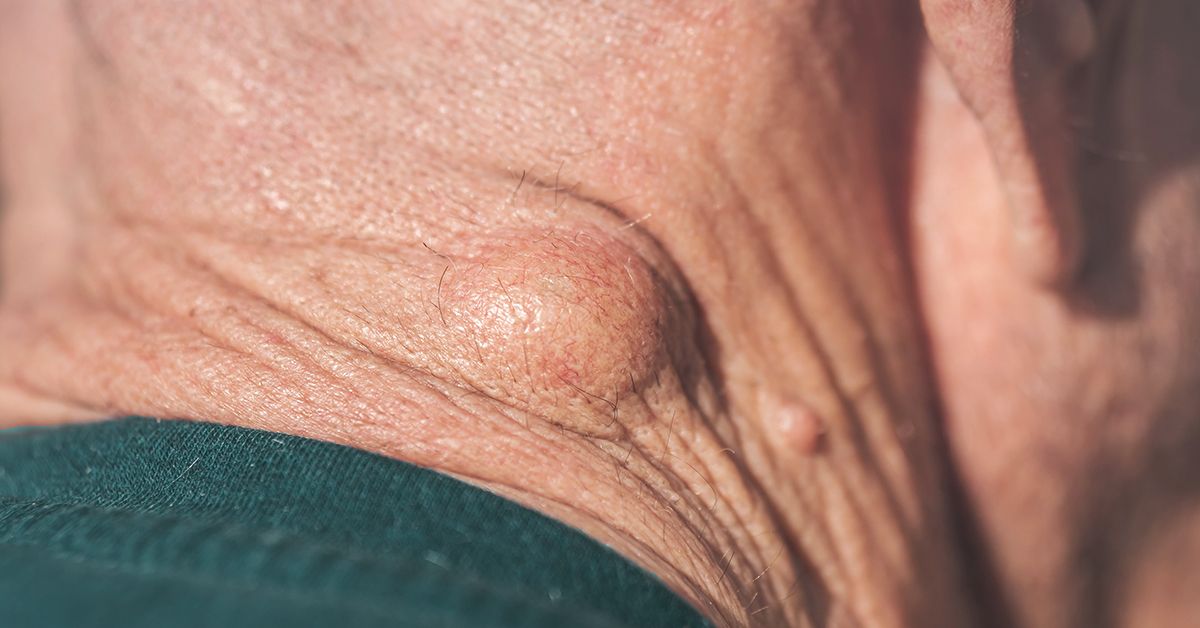

Finding a soft, squishy lump under your skin can be unnerving. Your doctor takes a look and says,
“Good news, it’s probably a lipoma a benign fatty tumor.” Great. But then you realize it’s
getting bigger, your sleeve keeps rubbing against it, and now you’re wondering:
Will Medicare actually pay to remove this thing?
The short answer: sometimes. Medicare may cover lipoma removal when it’s medically
necessary not just when it’s annoying or unattractive. The longer answer involves Parts A, B, C,
copays, deductibles, documentation, and a surprising amount of fine print. Let’s walk through it in
plain English so you know what to expect before you schedule surgery.
What Is a Lipoma and Why Remove It?
A lipoma is a slow-growing, benign (noncancerous) lump of fat that usually sits just under the skin.
It often feels soft or rubbery, moves a little when you press it, and usually doesn’t hurt. Lipomas
are common in middle-aged and older adults, and many people live with them for years without any
trouble.
However, a lipoma can sometimes become more than just a quirky party fact (“I have an extra lump of
fat that’s not from cookies!”). Doctors may recommend removal if:
- The lipoma is painful or tender.
- It’s growing quickly or suddenly changes in size or shape.
- It interferes with movement (for example, on the shoulder, hip, or near a joint).
- It presses on nerves or blood vessels, causing numbness or weakness.
- It’s in a spot where it keeps getting irritated, rubbed, or traumatized.
- There’s any concern it might actually be a different type of tumor.
When a lipoma falls into one of these “problem” categories, your doctor may consider removal
medically necessary and that’s where Medicare starts paying attention.
Medicare’s Big Rule: Medical Necessity vs. Cosmetic Surgery
Medicare doesn’t care if a procedure makes you look better. It cares whether a procedure helps you
function better, relieves symptoms, or prevents or treats
a health problem.
In general:
-
Medically necessary care (for diagnosis, treatment, or prevention of disease or
complications) is typically covered. -
Purely cosmetic procedures (done solely to improve appearance) are usually
not covered.
That means if your lipoma is small, painless, and simply not your favorite visual accessory,
Medicare is likely to consider removal cosmetic. In that case, you’d pay the full bill out of
pocket surgeon’s fee, facility fee, anesthesia, pathology, the works.
If, on the other hand, the lipoma is causing pain, infection, limited mobility, or other medical
issues, Medicare may cover the removal as a medically necessary surgery. The key is documentation:
your doctor has to clearly show why removing the lipoma is needed for your health,
not just your selfie.
When Does Medicare Cover Lipoma Removal?
While coverage decisions can vary somewhat by local Medicare Administrative Contractor (MAC) and by
Medicare Advantage plan, there are common scenarios where lipoma removal is more likely to be
covered under Original Medicare:
- Documented pain or tenderness that affects your daily activities.
- Rapid growth or change in the lipoma that raises concern for malignancy.
-
Functional impairment, such as difficulty lifting your arm, walking, or using a
joint because of the lipoma’s location. - Recurrent inflammation, infection, or ulceration over the lesion.
-
Repeated trauma or bleeding (for example, it keeps catching on clothing or bumping
into things). -
Interference with other necessary medical care, such as blocking access for
imaging, injections, or medical devices.
In these situations, the procedure is no longer “just cosmetic” it’s part of treating or
preventing a health problem. That’s the kind of situation in which Medicare coverage becomes
realistic.
Which Part of Medicare Pays for Lipoma Removal?
Medicare Part B (Most Common Scenario)
In many cases, lipoma removal is done as an outpatient procedure in a doctor’s
office, minor procedure room, or ambulatory surgery center. When that happens, coverage typically
falls under Medicare Part B.
If the surgery is covered and you’re on Original Medicare:
- You must first meet your annual Part B deductible.
- After that, Medicare generally pays 80% of the Medicare-approved amount.
- You are responsible for the remaining 20% (unless you have a Medigap plan that helps cover it).
Covered Part B services related to lipoma removal can include:
- Preoperative office visit and evaluation.
- Imaging if needed (like ultrasound or MRI to evaluate deeper lipomas).
- The surgical procedure itself.
- Pathology to examine the removed tissue.
- Follow-up visits to check the incision and healing.
Medicare Part A
Part A comes into play if your lipoma removal is done as part of an
inpatient hospital stay for example, if the lipoma is very large, located deep in
muscle, or attached to other structures and requires more complex surgery. In that case, Part A
helps cover hospital costs after you meet the Part A deductible for the benefit period.
Medicare Advantage (Part C)
If you’re enrolled in a Medicare Advantage (Part C) plan, you still get at least the
same basic coverage that Original Medicare provides, but the rules can look a bit different:
- You may need prior authorization before having the surgery.
- You must use in-network providers and facilities (except in emergencies).
- Your costs may come as copays or coinsurance rather than a strict 20% coinsurance.
- Deductibles and out-of-pocket maximums may vary by plan.
Before you book a surgical slot, it’s smart to call your plan and ask, “Is lipoma removal covered in
my situation, and what will my share of the cost be?”
Medicare Part D
Part D doesn’t cover the surgery itself, but it may cover prescription medications
related to treatment, such as:
- Antibiotics if they’re needed.
- Pain medications your doctor prescribes after surgery.
These medications will be subject to your plan’s formulary rules, copays, and deductibles.
What Might Lipoma Removal Cost with Medicare?
Exact costs vary depending on where you live, how complex the surgery is, and where it’s performed.
But here’s a hypothetical example to make the math feel more real:
- Medicare-approved amount for outpatient lipoma removal: $1,200 (just an example, not a quote).
- After you’ve met your Part B deductible, Medicare pays 80%: $960.
- You pay 20% coinsurance: $240.
If you have a Medigap (supplement) plan, that 20% might be partially or fully covered. If you have a
Medicare Advantage plan, you might see a flat copay for the surgery, such as $150–$300, depending on
the plan’s rules.
If Medicare decides the procedure is not medically necessary and classifies it as
cosmetic, coverage goes to zero and you’d be responsible for the full charge, which can easily run
into the hundreds or thousands of dollars depending on where and how the surgery is done.
Documentation: The Secret Sauce for Coverage
One of the biggest differences between covered and not-covered lipoma removal isn’t the scalpel
it’s the paperwork. Medicare and Medicare Advantage plans look closely at your medical record to
confirm medical necessity.
Your doctor’s notes should typically include:
- Location, size, and description of the lipoma.
- How long it’s been present and whether it has changed over time.
-
Symptoms you’re experiencing: pain, tenderness, numbness, restricted movement, bleeding, infection,
or repeated irritation. -
Any conservative measures tried (like observation, adjusting clothing, or treating skin irritation)
and why they weren’t enough. - The medical reason removal is recommended not just “patient doesn’t like the appearance.”
In many regions, local coverage determinations (LCDs) from Medicare contractors spell out specific
criteria for when removal of benign skin lesions is considered medically necessary. Physicians are
expected to follow those criteria and document accordingly.
When Medicare Usually Does Not Cover Lipoma Removal
Here are common situations where removal is likely to be considered cosmetic meaning
you pay 100% of the bill:
- The lipoma is small, painless, and stable.
- There’s no functional impact, no history of infection, and no suspicion of malignancy.
- Removal is requested purely because of appearance (“I just don’t like how it looks in my shirt.”).
- The only issue is emotional distress from seeing the lump, without other medical problems.
In these cases, your doctor may absolutely agree to remove the lipoma but Medicare is likely to say,
“That’s cosmetic,” and bow out of the financial conversation.
How to Check if Your Lipoma Removal Will Be Covered
Step 1: Start with Your Doctor
Schedule an evaluation with your primary care doctor, dermatologist, or surgeon. Be specific when
describing your symptoms and how the lipoma affects your daily life. Don’t downplay pain or
limitations this is not the time to be “tough.”
Ask directly: “In your medical opinion, is removal medically necessary or mostly cosmetic?”
Step 2: Ask About Documentation
If your doctor believes removal is medically necessary, ask them to document:
- Your symptoms and functional limitations.
- Any complications such as infections or bleeding.
- The clinical reasons for surgery.
You can also ask whether they’re familiar with the local Medicare coverage policies for benign skin
lesion removal and lipomas in particular.
Step 3: Call Medicare or Your Plan
If you have Original Medicare, you can call 1-800-MEDICARE or check with the
surgeon’s billing office. If you have a Medicare Advantage plan, call the customer
service number on your card.
Ask questions like:
- “Is lipoma removal covered if my doctor documents pain and functional impairment?”
- “Do I need prior authorization?”
- “What will my estimated out-of-pocket costs be?”
Step 4: Look Out for an ABN (Advanced Beneficiary Notice)
If your provider thinks Medicare might deny coverage, they may ask you to sign an
Advance Beneficiary Notice of Noncoverage (ABN). This form basically says:
“Medicare may not pay for this, and if they don’t, you agree to pay.” Before you sign an ABN, ask the
office to explain why they think it may not be covered and whether the visit or
surgery can be coded differently based on your symptoms and exam.
Tips to Avoid Surprise Bills
- Confirm medical necessity upfront. Don’t assume “it’s a lump” equals coverage.
-
Ask for a cost estimate. Many offices can provide a ballpark figure based on your
Medicare or Medicare Advantage plan. -
Stay in network. For Medicare Advantage, out-of-network surgeons or facilities can
mean higher costs or no coverage at all (except in emergencies). -
Check the setting. A procedure done in a hospital outpatient department can cost
more than the same procedure in an ambulatory surgery center or office-based suite. -
Bring your questions in writing. It’s easy to forget what you wanted to ask once
you’re in the exam room.
Real-Life Experiences with Medicare Lipoma Removal (500-Word Insights)
To make all this less abstract, let’s walk through some realistic scenarios. Names and details are
changed, but the themes are based on how people commonly experience Medicare coverage decisions for
lipoma removal.
Mary’s shoulder lipoma: Mary, 72, noticed a lump on her right shoulder a few years
ago. At first, her doctor suggested watching it. Over time, the lipoma grew to about the size of a
small plum. Mary started to avoid wearing a shoulder bag because the strap pressed on the area. She
also had trouble sleeping on that side.
At her next visit, Mary finally told her doctor how much it bothered her. The doctor documented her
pain, difficulty sleeping, and reduced range of motion when lifting her arm. Because the lipoma was
now causing functional problems, the doctor recommended removal. The procedure was scheduled at an
outpatient surgery center, billed to Medicare Part B.
Mary had already met her Part B deductible for the year. Medicare paid 80% of the approved amount,
and her Medigap plan picked up the 20%. Her out-of-pocket cost was essentially zero. Mary later
said the hardest part wasn’t the surgery it was realizing she should have been honest about her
symptoms earlier instead of brushing them off as “no big deal.”
Robert’s “cosmetic” lipoma: Robert, 68, had a small lipoma on his forearm that he
hated seeing in photos. It never hurt, never changed, and didn’t interfere with his ability to work
in the yard, play golf, or do anything else. His doctor examined it and agreed it was a benign lipoma
that wasn’t causing medical problems.
When Robert asked whether Medicare would cover removal, the doctor’s office was straightforward:
this would almost certainly be considered cosmetic. They offered to quote him a cash price for
office-based removal, including pathology fees. Robert decided he still wanted it removed, but he
paid the full cost out of pocket.
While Robert wasn’t thrilled about the expense, he appreciated knowing the coverage situation in
advance. There were no surprise bills, and he felt better about the decision because it was made
with full information.
Linda’s Medicare Advantage maze: Linda, 70, is on a Medicare Advantage HMO plan.
She developed a large lipoma on her thigh that made walking uncomfortable, especially when climbing
stairs. Her primary care doctor referred her to an in-network surgeon. The surgeon agreed that the
lipoma was causing functional limitation and recommended removal.
Because Linda has a Medicare Advantage plan, the surgeon’s office requested
prior authorization before scheduling the procedure. The plan reviewed the medical
notes, confirmed the symptoms and functional issues, and eventually approved the surgery. Linda
ended up paying a fixed copay for the outpatient procedure instead of a percentage of the total cost,
thanks to her plan’s benefit structure.
The process required more steps and waiting than she expected, but the authorization ensured that
the procedure would be covered, and she knew exactly what her copay would be before the surgery
date. She later said the experience taught her to always ask, “Do we need authorization?” before she
assumes anything with her plan.
Across all these stories, a few patterns appear:
-
People who openly describe their symptoms and how the lipoma affects daily life are more likely to
have solid documentation of medical necessity. - Clear communication with the billing office and insurance plan helps avoid surprises.
-
Even when removal is considered cosmetic, knowing that ahead of time allows people to decide
whether the out-of-pocket cost is worth it.
The takeaway: don’t just ask “Is it covered?” ask “Under what circumstances is it
covered, how is it documented, and what will I pay?” That approach turns a mysterious
coverage decision into a more predictable and manageable part of your healthcare planning.
Bottom Line
Medicare can cover lipoma removal but only when the surgery is medically
necessary and properly documented. Purely cosmetic removal, even if it really bothers you, is
typically not covered. Work closely with your doctor, ask questions about medical necessity and
documentation, and contact your Medicare plan to understand prior authorization and costs before you
schedule surgery. A little legwork now can save you a lot of financial surprises later.