
If you’ve ever “tweaked” your back and thought, “Eh, it’s just age,” this article is your friendly wake-up call. A vertebra fracture (often called a spinal or vertebral compression fracture) isn’t just regular back pain. It’s a literal break in one of the bones of your spine and it can quietly change your posture, your height, your mobility, and your long-term health if you ignore it. WebMD and other major medical centers call these fractures a serious red flag, especially in people with osteoporosis, but even younger folks can get them after accidents or sports injuries.
In this guide, we’ll walk through what a vertebra fracture actually is, why it’s such a critical warning sign, what symptoms you should never brush off, and what modern treatments (from rest and bracing to vertebroplasty and kyphoplasty) look like. And because not everyone speaks fluent “medical,” we’ll keep the tone light, practical, and real the way a good WebMD-style video or explainer would.
What Is a Vertebra Fracture, Really?
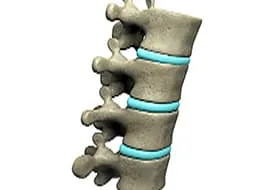
Your spine is made of small bones called vertebrae that stack like building blocks to support your body, protect your spinal cord, and let you bend, twist, and walk around like a human instead of a statue. A vertebra fracture is a break or collapse of one of those stacked bones.
The most common type is the vertebral compression fracture (VCF). In this injury, the vertebral body (the thick, weight-bearing part of the bone) gets crushed, usually in the front, creating a wedge shape. Over time, multiple fractures can cause a hunched posture (kyphosis) and loss of height.
Types of Vertebra Fractures
- Compression fractures: Small cracks or a collapse in a weakened vertebra, usually from osteoporosis or minor trauma.
- Burst fractures: High-energy trauma (car crash, big fall) shatters the vertebra and can send fragments toward the spinal cord a surgical emergency.
- Fracture–dislocation: A fracture plus abnormal alignment of the vertebrae, often with nerve or spinal cord damage.
For most middle-aged and older adults, when doctors say “vertebra fracture,” they’re usually talking about a compression fracture related to osteoporosis the classic “silent disease” that weakens bones so much that even a small fall or heavy grocery bag can cause a break.
Why Vertebra Fractures Are Such a Big Deal
At first glance, a single small fracture may sound like a “patch it and forget it” problem. But research shows that having one vertebral compression fracture dramatically increases your risk of future fractures and each additional fracture can worsen spinal deformity, chronic pain, and disability.
Key Consequences to Know
- Chronic pain: Some people recover fully; others have lingering back pain that interferes with walking, standing, and sleeping.
- Loss of height: As vertebrae collapse, you can literally shrink several inches.
- Hunched posture: Multiple fractures can cause kyphosis a forward curve of the upper back making it harder to breathe deeply or digest comfortably.
- Reduced mobility and independence: Pain and deformity can make basic tasks (bathing, cooking, carrying laundry) much harder, especially in older adults.
- Higher risk of future fractures: Once one vertebra fails, the altered mechanics of the spine and persistent osteoporosis make future fractures more likely.
So yes, this is more than “just back pain.” A vertebra fracture is often the first loud, painful announcement that your bones need urgent attention.
Common Causes: It’s Not Always a Dramatic Accident
Vertebra fractures can happen in two broad ways: sudden high-energy trauma or lower-energy stress on already weakened bones.
1. Osteoporosis – The Silent Setup
Osteoporosis is the number one cause of vertebral compression fractures in adults over 50, especially postmenopausal women. Bones lose density and strength over time, and eventually even everyday stresses coughing, sneezing, lifting a suitcase, or slipping on the stairs can cause a fracture.
Major risk factors include:
- Older age
- Female sex, especially after menopause
- Family history of osteoporosis or fractures
- Low body weight or poor nutrition
- Smoking and excessive alcohol use
- Long-term use of steroids or certain medications that weaken bone
2. Trauma and Accidents
In younger people or those with relatively strong bones, vertebra fractures usually come from significant trauma: car crashes, falls from a height, sports injuries, or violent impacts. These injuries may be more severe (burst fractures, fracture–dislocations) and often require emergency care and possible surgery.
3. Cancer and Other Underlying Conditions
Cancers that spread to the bone (like breast, lung, or prostate cancer) or blood cancers (like multiple myeloma) can weaken the vertebrae and cause painful fractures, sometimes as the first obvious sign of the disease.
Signs and Symptoms You Should Never Ignore
The tricky part? Symptoms of vertebra fractures can range from “I can barely move” to “I didn’t realize anything broke.” Many mild compression fractures are discovered incidentally on X-rays or scans done for another reason.
Common Symptoms
- Sudden, sharp back pain often in the mid or lower back, sometimes after bending, lifting, or a small fall.
- Pain that worsens with standing or walking and improves when you lie down.
- New or increasing stooped posture or rounded upper back.
- Loss of height over time your pants suddenly seem too long.
- Limited spinal motion and stiffness.
Red-Flag Symptoms – Call Emergency Care
If a vertebra fracture affects the spinal cord or nerves, symptoms can become serious very quickly. Get emergency medical help right away if you have:
- Weakness, numbness, or tingling in your legs
- Loss of balance or severe difficulty walking
- Problems controlling your bladder or bowels
- Severe, sudden back pain after major trauma (fall, car crash)
These may indicate nerve compression or spinal cord injury, which can be permanent if not treated quickly.
How Doctors Diagnose a Vertebra Fracture
When you walk into the clinic (or emergency room) complaining of mid or low back pain, your healthcare provider will start with a detailed history and physical exam. They’ll want to know when the pain started, what you were doing when it began, whether you’ve lost height, and whether you have risk factors for osteoporosis or cancer.
Imaging Tests
- X-rays: Often the first step to confirm a fracture and see if the vertebra looks compressed or wedge-shaped.
- MRI: Shows the age of a fracture (recent vs older), whether the spinal cord is involved, and if there’s any suspicion of tumor or infection.
- CT scans: Provide detailed bone images, helpful in surgical planning or complex trauma.
- Bone density test (DEXA): Used to assess bone strength and confirm osteoporosis.
From there, your team decides whether the fracture can be managed conservatively or if more aggressive treatment is needed.
Treatment Options: From Rest to Cement (Yes, Really)
The good news: many vertebral compression fractures heal without surgery. Treatment depends on the severity of the fracture, your symptoms, your overall health, and the underlying cause (osteoporosis, trauma, cancer).
Conservative (Non-Surgical) Treatment
- Pain management: Over-the-counter pain relievers, short-term prescription medications, and sometimes nerve-targeted drugs for long-lasting pain.
- Activity modification: Avoid heavy lifting, twisting, and high-impact activities while the fracture heals.
- Back bracing: A brace can support the spine, reduce motion around the fracture, and help control pain in the short term.
- Physical therapy: Once the acute pain improves, strengthening the back extensor muscles, improving posture, and working on balance reduces future fracture risk and improves function.
Minimally Invasive Procedures
For people with severe, persistent pain despite conservative care, minimally invasive procedures can be considered:
- Vertebroplasty: A doctor injects medical cement into the fractured vertebra to stabilize it and relieve pain.
- Kyphoplasty: A small balloon is inflated inside the vertebra to restore some height, then cement is injected to hold the correction.
These procedures can provide rapid pain relief and improved mobility for selected patients, but they’re not right for everyone. Guidelines stress careful patient selection, especially in osteoporotic fractures, because of potential risks like cement leakage or new fractures in adjacent vertebrae.
Major Surgery
Open surgery with rods, screws, or spinal decompression is usually reserved for severe injuries, like burst fractures with spinal cord compression or unstable fracture–dislocations, often from high-energy trauma.
Don’t Forget the Root Cause: Treating Osteoporosis
Fixing the fracture is only half the job. If you have osteoporosis, you also need a long-term plan to strengthen your bones and reduce the chance of “round two.”
Osteoporosis Management Basics
- Calcium and vitamin D: Adequate intake through diet and/or supplements, as your provider recommends.
- Medications: Drugs like bisphosphonates, denosumab, or bone-building agents (teriparatide, abaloparatide) are often prescribed for people at high fracture risk.
- Weight-bearing and resistance exercise: Walking, strength training, and targeted back-extensor exercises support bone and muscle health.
- Lifestyle changes: Stop smoking, moderate alcohol, improve nutrition, and reduce fall risks at home.
Many patients first learn they have osteoporosis only after a vertebra fracture. That’s why WebMD and other educational resources emphasize using that event as a turning point not just patching the bone, but changing the long-term trajectory of bone health.
How Video Resources Like WebMD Help Patients Understand
Vertebra fractures are complex to explain in words alone. That’s where educational videos like those in the WebMD osteoporosis and spinal compression fracture libraries become powerful tools.
Videos often:
- Show simple animations of how vertebrae collapse in osteoporosis.
- Compare a healthy spine versus one with multiple compression fractures.
- Demonstrate procedures like vertebroplasty or kyphoplasty in an easy-to-follow format.
- Include patient stories that make the risks and benefits feel real instead of abstract.
Think of a good WebMD-style video as the “movie trailer” for your health: it doesn’t replace the full movie (your conversation with your doctor), but it prepares you, gives you vocabulary, and helps you ask smarter questions at your appointment.
When to Call a Doctor (and When to Call 911)
Because vertebra fractures can be subtle, people often wait way too long to get checked. If you notice new or worsening mid or low back pain especially if you’re over 50 or have osteoporosis risk factors it’s worth calling your healthcare provider.
Seek urgent or emergency care if you have:
- Sudden severe back pain after a fall, car accident, or other trauma
- Weakness, numbness, or tingling in your legs
- Difficulty walking or loss of coordination
- Loss of bowel or bladder control
- Fever, unexplained weight loss, or a history of cancer plus new back pain
These can be signs of more serious spinal or nerve involvement not something to “wait and see” about.
Everyday Life After a Vertebra Fracture: What It Feels Like
Living with a vertebra fracture is a mix of physical healing, mindset shifts, and a few new daily habits. Recovery often unfolds in stages:
- Acute phase (first weeks): Pain is the star of the show. You may be using a brace, medications, and a lot of pillows.
- Subacute phase: Pain slowly calms, but stiffness and fear of movement can linger.
- Long-term adaptation: You learn posture tricks, safe movement patterns, and a new respect for your spine (and for anti-slip bathroom mats).
Many people describe a vertebra fracture as a “life re-set.” It’s the moment they finally stop ignoring bone health, take fall prevention seriously, and start thinking of exercise as essential “spine insurance” instead of optional gym time.
Experience-Based Insights: Real-World Lessons from Vertebra Fractures
Beyond the medical facts, there’s a whole world of lived experience around vertebra fractures the awkward brace phases, the funny (and not-so-funny) adjustments, and the small victories that don’t show up on X-rays. Let’s walk through some common patterns people report and what you can learn from them.
1. “I Thought It Was Just a Pulled Muscle”
One of the most frequent stories from older adults goes like this: they bend to pick something up, feel a sharp twinge, and assume it’s a pulled muscle. They slap on some heat, take an over-the-counter pain reliever, and try to power through. Weeks later, the pain isn’t better and now they’re noticeably shorter or more stooped.
What these stories teach us:
- Back pain with risk factors deserves respect. If you’re over 50, postmenopausal, or already have osteoporosis, treat new mid-back pain like a “check engine” light, not background noise.
- Early imaging matters. The sooner a fracture is identified, the sooner you can brace appropriately, adjust activity, and avoid making it worse.
2. The Emotional Side: Fear of Moving
After a vertebra fracture, many people become afraid to move. They worry that bending, twisting, or stepping off a curb will cause another break. That fear is understandable but if it leads to too much resting, muscles weaken, balance declines, and fall risk actually increases.
Things patients often say they wish they’d known earlier:
- Good physical therapy is gold. A skilled therapist can teach safe ways to get out of bed, pick things up, and build strength without overloading the spine.
- Movement is medicine. Gentle walking, guided exercises, and posture training are all part of healing not the enemy of it.
- Fear is normal. Talking with your healthcare team about what’s safe (and what’s not) can calm a lot of anxiety.
3. Little Lifestyle Tweaks That Make a Big Difference
People who do well after vertebra fractures often talk about a series of small, practical changes that add up, such as:
- Using non-slip rugs and better lighting at home to prevent falls.
- Keeping heavy items at waist height instead of on the floor or top shelves.
- Learning to “hip hinge” instead of rounding the back when bending.
- Investing in a supportive chair and mattress to reduce daily strain.
- Breaking up long sitting sessions with standing or walking breaks.
None of these tweaks are glamorous, but together they help protect the spine, maintain independence, and reduce the chance of another fracture sneaking up on you.
4. Conversations with Family and Caregivers
A vertebra fracture doesn’t just affect the person in pain; it often changes family routines, too. Simple tasks like laundry, vacuuming, or yard work may temporarily shift to other family members. Some older adults feel guilty asking for help; others don’t know how to explain their limitations without sounding “dramatic.”
People who navigate this well usually:
- Share clear information (sometimes even showing a WebMD-style video) to help family members understand the injury.
- Ask for specific help (“Can you carry this laundry basket?” instead of “I can’t do anything.”).
- Include caregivers in medical appointments when possible so everyone hears the same plan.
5. Using Education Tools Wisely
Finally, many patients say that educational videos and online resources were game-changers when used thoughtfully. Watching a short video on compression fractures before a doctor’s appointment helped them follow along, remember questions, and feel less overwhelmed. But they also learned not to fall into the “internet rabbit hole” of worst-case scenarios.
A balanced approach might look like this:
- Use reputable sites (like WebMD, major hospital systems, or national medical organizations) for big-picture understanding.
- Jot down questions that come up while you’re watching or reading.
- Take those questions to your healthcare provider and let them personalize the answers to your case.
In other words: let the internet educate you, but let your doctor guide you.
Bottom Line
A vertebra fracture is more than a painful episode; it’s a critical signal about the state of your bones and your overall health. Modern medicine offers a wide range of options from pain control and bracing to minimally invasive procedures and powerful osteoporosis treatments but the first step is recognizing that this kind of back pain isn’t something to shrug off.
Use high-quality resources, like WebMD-style videos and reputable medical sites, to understand what’s happening in your spine. Then partner with your healthcare team to build a plan that treats the fracture, strengthens your bones, and protects your future mobility.
Important note: This article is for general education only and is not a substitute for professional medical advice, diagnosis, or treatment. Always talk with your doctor about your specific symptoms and health situation.