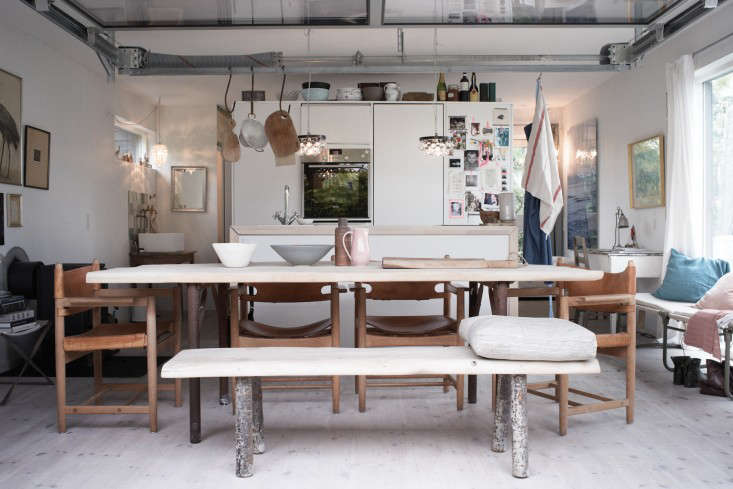

If you’ve ever walked into a creative friend’s home and thought, “How did you make this tiny apartment look like a magazine spread and a cozy nest at the same time?” then The Inspired Home: Nests of Creatives is your new homework. Celebrated by Remodelista as essential “Required Reading,” this interiors book doesn’t just show pretty rooms; it peeks into the lived-in, layered spaces of artists, designers, and makers whose homes are as expressive as their work.
This isn’t a catalog of perfect, minimalist white boxes. It’s about homes with paint-splattered chairs, walls of art, stacks of books, and that one lamp every guest asks about. Think of it as a field guide to the modern creative nest: deeply personal, slightly undone, and extremely inspiring.
Inside the Book: What Is “The Inspired Home: Nests of Creatives”?
The Inspired Home: Nests of Creatives is a coffee-table book that feels like a long afternoon spent studio-hopping with stylish friends. Shot in rich, atmospheric photographs, the book opens the doors of designers, stylists, artists, photographers, and other creative professionals. Their homes aren’t just decorated; they’re composed like visual stories.
Instead of focusing on trends that will expire in six months, the book emphasizes timeless elements: well-loved furniture, hand-thrown ceramics, worn-in textiles, and unexpected objects that carry memories. Each space reveals how its owner thinks, works, and lives. You see where they read scripts, paint canvases, test recipes, or sketch new designsoften in the same room where they drink coffee or host friends.
Throughout the pages, you’ll find:
- Homes where work and life blur together in the best way.
- Spaces that balance order and artful chaos.
- Color palettes that feel intuitive rather than “paint-chart approved.”
- Objects that tell stories instead of following rules.
The Minds Behind the Magic
The book is created by stylist Kim Ficaro and designer Todd Nickey, two heavy hitters in the design world. Ficaro is known for her work as a prop and interior stylist, including her time at Domino magazine, and for bringing an effortless, laid-back polish to rooms. Nickey, a Los Angeles-based designer and co-owner of Nickey Kehoe, is celebrated for mixing vintage finds with tailored, modern pieces in a way that feels grown-up but never stiff.
Their combined eye gives the book its unique tone: warm, editorial, and quietly glamorous. It’s not about creating a house that looks like a hotel lobby; it’s about creating a place where you actually want to curl up with a cup of tea and a stack of sketchbooks.
What Exactly Is a “Nest of Creatives”?
The phrase “nest of creatives” sounds poetic, but it’s surprisingly practical. A creative nest is simply a home that supports and reflects a creative life. It’s the opposite of a generic model home. Instead, it feels like a living, evolving project.
1. Imperfection Is a Design Principle
One of the most refreshing themes echoed across the book and in Remodelista-style interiors is the embrace of imperfection. A scuffed floor, a mismatched pair of chairs, or a slightly crooked gallery wall isn’t a failureit’s evidence that people actually live and create here.
This aligns with a broader movement in American design coverage: a shift away from over-staged interiors and toward homes with patina, personality, and a sense of history. A creative nest might feature a repaired lamp next to a designer sofa, or a thrifted table under a high-end light fixture. The mix is the point.
2. Layers, Not Clutter
“Layered” and “cluttered” are not the same thing. The homes in The Inspired Home are layered with textiles, art, books, and objects, but they’re anchored by smart furniture placement and intentional composition. You’ll see:
- Stacks of books acting as side tables.
- Soft throws and pillows adding depth to simple sofas.
- Rugs overlapping in a way that looks collected, not chaotic.
- Art leaned casually on mantels instead of being perfectly centered.
Each layer adds texture, warmth, and story. The result is a space that feels lived-in and visually rich, but not overwhelming.
3. Identity on Display
In a creative home, identity is part of the décor. The book shows spaces where the owners’ passionsphotography, ceramics, fashion, musicare woven into the environment. Guitars hang on walls, costume sketches are framed like fine art, and flea-market finds sit proudly next to gallery pieces.
This reflects a larger editorial trend in US design media: treating homes as portraits of the people who live in them. Instead of copying a “look,” these spaces express a life.
The Remodelista Connection: Considered, Creative, and Real
Remodelista has long championed the idea of the “considered home”spaces where every element has a purpose or a story. Their “Required Reading” feature on The Inspired Home: Nests of Creatives fits perfectly into that philosophy. Like many of the homes they spotlight in their Creatives at Home issues, the book’s interiors are:
- Thoughtful: Nothing feels random, even when it’s spontaneous.
- Resourceful: Vintage, handmade, and humble materials are celebrated.
- Soulful: Rooms feel like they’ve grown over time, not installed overnight.
If you’re already a Remodelista reader, this book feels like a deep dive into exactly the kind of homes the site loves to featurespaces that blend restraint with creativity, and beauty with practicality.
Borrowing the Look: How to Turn Your Place into a Creative Nest
You don’t need a Hollywood budget or a Brooklyn loft to get the “nests of creatives” vibe. You just need intention, a bit of courage, and maybe a willingness to finally hang that art you’ve been leaning against the wall for three months.
Start with a Story, Not a Shopping List
Instead of asking, “What trend should I follow?” ask, “What story do I want my home to tell?” Maybe it’s “artist who loves coastal towns,” “writer who collects vintage cameras,” or “chef obsessed with rustic Italian kitchens.” Let that story guide your choices, the way the homeowners in the book let their lives shape their spaces.
Edit, Then Layer
Creative homes are layered, but they’re also edited. Before you start adding, remove what feels generic or joyless. Then build back in layers:
- Textiles (throws, pillows, rugs) that add softness and color.
- Art and photographs that feel personal, not just decorative.
- Books, objects, and plants to bring dimension and life.
The goal is a room that feels collected over time, not assembled in one afternoon.
Mix High, Low, and Sentimental
In many creative homes, the magic is in the mix: a designer chair, a flea-market lamp, and a handmade ceramic bowl all sharing the same vignette. Don’t aim for perfection; aim for balance. Include pieces that mean somethinggrandma’s side table, a bowl you made in a pottery class, a print from a local artist.
Let Work and Life Overlap
One of the defining traits of the homes in The Inspired Home is that workspaces aren’t hidden away. A dining table might double as a painting station or writing desk. A corner of the bedroom might hold a small desk with a laptop and a mood board. As long as the tools of your creative life are stored thoughtfully, your home can both function and inspire.
Room-by-Room: Creative Nest Ideas You Can Steal
Living Room: The Conversation Studio
In a creative nest, the living room is less “formal sitting room” and more “conversation studio.” Try:
- Floating the sofa away from the wall to create a cozy zone.
- Adding a low, large coffee table that can hold stacks of books, candles, and sketchpads.
- Mixing seatingsofa, vintage armchair, stool, floor cushionfor a relaxed, unfussy feel.
- Layering lighting: floor lamps, table lamps, and maybe a sculptural pendant.
Plants, flowers, and a few unexpected objects (like a sculptural vase or quirky lamp) help the room feel alive rather than staged.
Kitchen: The Working Workshop
Many creatives treat the kitchen like a workshop. Open shelving shows off everyday ceramics, glassware, and cookbooks. A simple rail with hooks keeps tools close at hand. A bowl of citrus, a cutting board, and a linen towel add warmth and color without feeling fussy.
Think in terms of “still lifes”: a cutting board, knife, and bowl of lemons can look as beautiful as a styled photo shootwhile still being completely functional.
Bedroom: Sanctuary, Not Showroom
The bedrooms featured in creative homes tend to be soft and simple, with a focus on texture and light rather than complex décor. A handful of principles:
- Understated bedding with layered throws and pillows in natural fibers.
- A small stack of books on the nightstand instead of elaborate styling.
- Art that feels calming or personally meaningful.
- Warm, low lighting instead of harsh overheads.
The result is a room that feels restful but still personala true nest.
Workspace: Corner of Genius
You don’t need a full office to live creatively. A small desk under a window, a compact table near the living room, or even a console behind a sofa can become a creative hub. Add:
- A comfortable chair that supports long thinking sessions.
- A pinboard or wall rail for inspiration images and notes.
- Good task lighting and a few favorite tools within reach.
Remember: a creative nest is less about square footage and more about intention.
Who Will Love “The Inspired Home: Nests of Creatives”?
This bookand the Remodelista stamp of approvalwill resonate with anyone who:
- Loves interiors that feel different from everyone else’s.
- Collects books, art, textiles, and quirky objects like it’s a sport.
- Works from home or brings creative projects into their living space.
- Values mood and meaning over matching furniture sets.
If you’re the type of person who notices the patina on an old wooden table, or who rearranges your shelves for fun, this is very much your required reading.
Living the Book: A Creative Nest Experience
Reading about creative homes is one thing; trying to live in one is another. Imagine using The Inspired Home as a quiet design coach and giving your own space a “nests of creatives” makeover.
You might start in the living room. Instead of buying a matching set of furniture, you pull pieces from different corners of your home. The armchair from the bedroom suddenly looks perfect next to the living room window. A stool that used to serve as a plant stand becomes a side table. You stack a few of your favorite design books on it and top them with a candle. The room instantly feels more personal.
Next, you attack the walls. That print you’ve been saving “for the right frame”? Up it goes, even if the frame isn’t perfect. You add a small painting from a local art fair, a black-and-white photograph from a past trip, and a postcard you love. The arrangement isn’t symmetrical, but it feels rightbalanced by instinct more than math.
In the kitchen, you clear one open shelf and restyle it as if you’re composing a photograph. Everyday piecesmugs, bowls, a teapotbecome part of a small story. A jar of wooden spoons adds warmth, and a small plant or bowl of lemons introduces color. Suddenly, the shelf stops being “storage” and starts being a little vignette.
Your workspace might be the biggest transformation. Instead of hiding your creative tools, you give them a home in plain sight. Paintbrushes stand in a vintage jar. Notebooks stack neatly on the desk. A small pinboard holds fabric swatches, magazine clippings, and sticky notes. The area looks busy, but intentionally soa command center for ideas rather than a pile of chaos.
Over a few weeks, you notice changes that go beyond décor. You sit in the living room more often because it feels inviting. You cook at home more because the kitchen makes you want to experiment. You find yourself writing, drawing, or planning at your little desk corner, simply because it’s there and ready for you. Your home starts to act like a collaborator instead of just a backdrop.
That’s really the promise behind The Inspired Home: Nests of Creatives and why Remodelista treats it as required reading: it nudges you to see your own space not as “done” or “not done,” but as a living project that evolves with you. Your home becomes a giant mood board for your life, full of clues about what you love, what you’re working on, and who you’re becoming.
And the best part? You don’t have to copy a single room from the book. You just have to borrow its attitude: be brave, be personal, and let your space tell your storyeven if that story includes a slightly crooked picture frame and a paint-splattered chair you refuse to give up.
Conclusion: Why This Really Is Required Reading
The Inspired Home: Nests of Creatives is more than a beautiful interior design bookit’s a permission slip to live more honestly at home. Paired with Remodelista’s lens on the “considered home,” it encourages you to ask not “What’s trendy right now?” but “What feels true to me?”
If you crave interiors that feel soulful instead of staged, if you want a home that supports your creative work and your everyday life, this book belongs on your coffee tableand its ideas belong in every room.
meta_title: The Inspired Home: Nests of Creatives Review
meta_description: Discover why “The Inspired Home: Nests of Creatives” is Remodelista-approved required reading for anyone who loves soulful, creative interiors.
sapo: The Inspired Home: Nests of Creatives is not just another pretty interiors bookit is a guided tour into the layered, lived-in homes of artists, designers, and makers whose spaces blur the line between work and life. Celebrated by Remodelista as “Required Reading,” the book shows how to turn any home into a creative nest: embracing imperfection, layering meaningful objects, and letting personal stories drive every design choice. In this in-depth look, you’ll learn what makes these homes so compelling, how to borrow their best ideas for your own space, and why embracing a creative, considered home can change not only how your rooms look, but how you actually live in them.
keywords: The Inspired Home, Nests of Creatives, Remodelista, creative homes, artists’ homes, interior design book, considered home