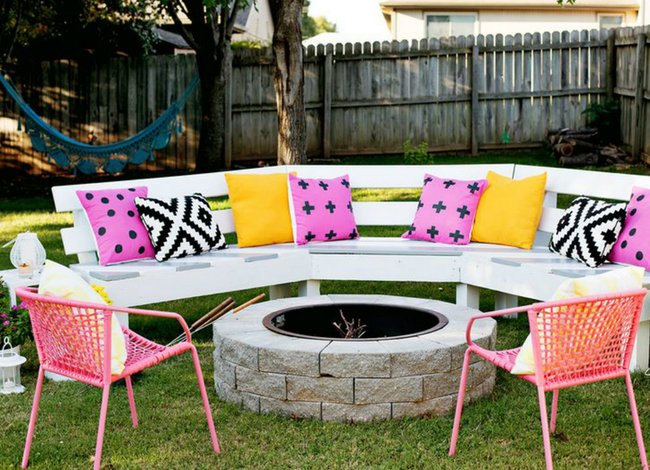

A great backyard hangout does not need a resort-size budget, an Olympic pool, or a mysterious contractor who disappears after digging one impressive hole. What it does need is a clear purpose. The best outdoor gathering spaces feel like rooms without walls: They have a floor, comfortable places to sit, enough shade to keep everyone civilized, and lighting that makes people linger after sunset.
Whether you are working with a broad lawn, a compact patio, or an awkward corner beside the garage, these nine backyard hangout ideas can help you turn unused space into a destination. Some are weekend-friendly DIY projects, while others deserve careful planning, permits, or professional help. Mix two or three ideas, adapt them to your climate, and build the outdoor space your household will actually usenot the one that looks lovely for twelve seconds in a catalog.
Plan the Hangout Before Buying the Hammock
Begin by deciding what should happen in the space. Do you want quiet morning coffee, family dinners, movie nights, fire-pit conversations, or all of the above? Measure the area, study its sun and wind patterns, identify drainage problems, and note how guests will walk between the house and the hangout.
Keep pathways wide enough to navigate comfortably, and avoid placing furniture where people must squeeze behind chairs or step through flower beds. Check local building rules before installing permanent structures, electrical wiring, gas lines, tall privacy screens, decks, or fire features. Paperwork is less exciting than string lights, but it is far more exciting than dismantling a noncompliant pergola.
1. Create a Gravel Conversation Circle
A gravel patio is one of the simplest ways to give a backyard hangout a recognizable footprint. Instead of dropping four chairs randomly onto the grass and calling it “design,” create a level circle or rectangle edged with metal, brick, stone, or pressure-treated lumber.
Remove the sod, excavate to the depth recommended for your soil and climate, compact a suitable base, add landscape fabric where appropriate, and finish with compactable gravel or decorative stone. Proper preparation helps limit settling, weeds, puddles, and the slow migration of gravel into your lawn.
Why It Works
Gravel drains well, visually separates the lounge from the grass, and can be expanded later. Arrange Adirondack chairs, sling chairs, or a compact sectional around a low table. Add two large planters at the entrance so the area feels intentional.
In a small yard, use a six- to eight-foot circle with movable chairs. In a larger yard, widen the zone and include a bench that doubles as storage.
Smart Upgrade
Lay stepping stones from the house to the seating area. Guests should arrive with drinks intact, not after performing an accidental obstacle-course audition across wet grass.
2. Build a Pergola That Feels Like an Outdoor Ceiling
A pergola creates instant architecture. Its posts and overhead beams define an outdoor room while still allowing air and filtered sunlight to pass through. A freestanding pergola can anchor a remote corner of the yard, while an attached version can extend a patio beside the house.
Cedar, redwood, pressure-treated lumber, metal, and low-maintenance composite components offer different combinations of appearance, cost, durability, and upkeep. Choose a style that complements the house rather than competing with it.
Make the Shade Adjustable
Traditional open rafters provide limited shade, so consider a retractable canopy, outdoor fabric panels, bamboo screening, or closely spaced slats. Climbing vines can eventually form a leafy roof, but choose a species suited to your region.
Remember that “romantic greenery” also means pruning, falling leaves, and the occasional determined insect. Avoid aggressive vines that may damage siding, roofing, or lightweight structures.
Build It Correctly
Posts need appropriate footings, connections must resist wind, and attached structures require proper fastening and flashing. Confirm setback and permit requirements before construction. Once the structure is sound, add outdoor-rated lighting, curtains on one side, and a dining or lounge set beneath it.
3. Design a Fire-Pit Lounge With Flexible Seating
Few backyard features attract people as reliably as a fire pit. A round fire pit encourages an equal, face-to-face seating arrangement, while a rectangular fire table fits narrow patios and pairs neatly with sofas. Built-in curved benches create a dramatic gathering spot, but movable chairs are easier to rearrange for different group sizes.
Put Safety Before S’mores
Check municipal rules, homeowners association restrictions, product instructions, and seasonal burn bans. Place the feature on a stable, noncombustible surface and keep it away from structures, overhanging branches, fences, dry vegetation, fuel, and outdoor fabrics.
The National Fire Protection Association recommends keeping outdoor fire pits at least 10 feet from anything that can burn, although local codes and product instructions may require greater clearance. Keep a hose, extinguisher, or suitable water supply nearby, supervise children and pets, and extinguish the fire completely before leaving.
For a masonry pit, use materials intended for high heat in the firebox. Do not improvise with random porous stones or construction blocks that may crack, hold moisture, or fail under repeated heating. When uncertain, choose a listed manufactured unit or consult a qualified professional.
4. Turn Swings Into a Social Seating Plan
A porch swing is relaxing. Several swings facing one another become a conversation machine. If you have the space and structural budget, build a freestanding frame with two or more swings around a central coffee table. A simpler version uses one swing opposite a built-in bench, with movable chairs completing the group.
Respect the Load
Never hang a swing from a decorative beam, questionable tree limb, or piece of hardware chosen because it “looked sturdy in the drawer.” Use structural supports, exterior-rated fasteners, properly sized eye bolts or swing hangers, and hardware with suitable load ratings.
Allow enough clearance behind and beneath each swing. Finish the area with washable cushions, small side tables, and a weatherproof basket or storage box for throws. The goal is gentle swaying, not a backyard reenactment of a theme-park inspection failure.
5. Build an Outdoor Movie Nook
A backyard movie area can be permanent, portable, or somewhere delightfully in between. Mount a screen in a sheltered location, stretch a removable projection screen between posts, or use a smooth, light-colored exterior wall.
Position the projector behind or above the seating path so late arrivals do not cast twelve-foot shadows during the best scene. Test the picture at the time you expect to watch movies because lingering daylight and nearby fixtures can dramatically affect image quality.
Arrange Seating in Layers
Place blankets and floor cushions in front, low chairs in the middle, and taller chairs at the back. Add a narrow snack table, a lidded bin for cushions, and subtle path lighting that will not wash out the picture. Outdoor-rated speakers can improve the experience, but keep the volume neighbor-friendly.
Use electrical equipment and extension cords rated for outdoor conditions, protect connections from moisture, and avoid creating trip hazards. Bring sensitive electronics inside after the show. A projector may be magical, but it is not improved by dew.
6. Combine Dining, Grilling, and a Beverage Station
Backyard gatherings run more smoothly when the cook can participate instead of commuting between the kitchen and grill. Create a compact entertaining zone with a dining table, prep cart, cooler, and outdoor storage cabinet.
A rolling cart can hold plates, napkins, grilling tools, condiments, and drink supplies, then return to the garage when the weather turns. A small bar-height counter can work as a buffet, homework station, or standing conversation spot.
Use Zones to Prevent Traffic Jams
Keep the grill outside the main conversation path and follow all manufacturer clearance requirements. Place the dining table close enough for easy serving but far enough away that guests are not sitting in heat or smoke.
Choose furniture scaled to the available space. A giant twelve-seat table on a modest patio can make every gathering feel like people are trapped in a furniture showroom. Benches slide beneath tables, folding chairs store easily, and nesting side tables provide extra surfaces only when needed.
7. Add Privacy Without Building a Fortress
A backyard hangout becomes more comfortable when it feels sheltered from nearby windows, traffic, and unattractive views. Privacy does not always require a solid fence. Lattice panels, horizontal slats, trellises, tall planters, outdoor curtains, and layered shrubs can screen selected sightlines while preserving airflow and natural light.
Screen the View You Actually Have
Sit in each chair and identify the precise angles that need coverage. A six-foot wall around the entire patio may be unnecessary when two strategically placed panels solve the problem.
Tall ornamental grasses can soften boundaries, while evergreen shrubs provide year-round screening. Confirm mature plant sizes before planting; the adorable one-gallon shrub may eventually attempt to annex the patio.
Use wind-resistant hardware for curtains and freestanding panels. Where vines are appropriate, provide a trellis capable of supporting their mature weight without damaging siding or fencing.
8. Make a Game Zone That Converts for Parties
A useful backyard hangout should adapt. Reserve a level strip of lawn, artificial turf, compacted gravel, or pavers for cornhole, ladder toss, giant blocks, or a portable putting mat.
Paint a game board on a removable plywood panel, install a weather-resistant chalkboard, or build a slim storage bench that holds balls, paddles, and outdoor toys.
Keep the Center Open
Place permanent seating and large planters around the perimeter so the middle remains flexible. During everyday use, it can serve as a play area. During parties, it becomes standing room, extra dining space, or a dance floor for the one relative who treats every playlist as a personal challenge.
For families, include a shaded location where adults can supervise without hovering. Use soft-close hardware on storage benches, anchor tall equipment, and keep active games well away from grills, fire pits, glass doors, and prized tomato plants.
9. Layer Lighting for Mood, Tasks, and Safe Movement
One string of bulbs can make a backyard charming, but a layered outdoor lighting plan makes it functional. Use ambient lighting overhead, task lighting near cooking and dining areas, and low-level accent lighting along paths, steps, planters, and architectural features.
The combination creates depth and prevents the yard from looking like an interrogation room with patio furniture.
Choose Outdoor-Rated Components
Use fixtures, cords, transformers, and connections approved for their intended outdoor or wet-location use. Support string lights with posts, pergola beams, guide wires, or properly installed anchors rather than relying on the electrical cord itself.
Solar fixtures are convenient for pathways and garden accents, while low-voltage systems provide more consistent illumination and design control. Use warm, restrained lighting around seats so faces look natural and stars remain visible. Add brighter, focused illumination at steps, cooking surfaces, gates, and doors.
Timers, dimmers, motion sensors, and smart controls make the scene easier to manage without walking around the yard tapping tiny solar panels like a confused woodpecker.
How to Combine the Nine Backyard Hangout Ideas
You do not need all nine features. Most successful backyard hangouts combine one strong foundation, one major comfort feature, and one evening feature.
For example, pair a gravel patio with a pergola and layered lighting. Combine an outdoor dining zone with privacy planters and a portable movie screen. Alternatively, create a fire-pit circle with movable chairs, a storage bench, and a game lawn nearby.
Repeat two or three materials or colors throughout the yard. The same wood tone on a bench and pergola, matching black metal hardware, or a consistent cushion palette can make separate zones feel connected.
Leave breathing room between features, preserve drainage, and choose durable pieces that can be cleaned, covered, or stored. A backyard should invite relaxation; it should not become an open-air warehouse of damp pillows.
Experience-Based Lessons From Building a Backyard Hangout
The first lesson is that comfort beats spectacle. Many backyard projects begin with a dramatic centerpiecea pergola, fire pit, swing frame, or enormous sectionalonly for the owners to discover that small details determine whether anyone stays.
A chair that looks elegant but rocks on uneven pavers will remain empty. A beautiful dining table without shade becomes a solar-powered griddle. Before adding decorations, sit in the space at breakfast, midafternoon, and evening. Notice glare, heat, wind, noise, mosquitoes, and the walking route back to the house.
The second lesson is that flexibility saves money. A backyard changes with the guest list. Four chairs may be perfect on Tuesday, while twelve people arrive on Saturday. Lightweight chairs, stools, storage benches, folding tables, and rolling carts expand the setup without permanently crowding it.
Movable shade is equally useful. A market umbrella can follow the sun, while outdoor curtains can open when the breeze is welcome and close when the neighbors begin an enthusiastic trampoline session.
The third lesson is that drainage remains invisible until it is suddenly the only topic. A patio or gravel pad that appears level may collect water after a storm, transforming the social area into a shallow decorative pond.
Before building, watch where rainwater travels. Maintain the necessary slope away from the house, avoid blocking drainage routes, and install the correct base for the chosen surface. Fixing water problems after furniture, edging, and lighting have been installed is possible, but it is the kind of character-building experience most homeowners would rather skip.
Lighting also deserves a trial run. Start with portable lanterns or temporary fixtures to test locations before installing permanent lights. Overhead bulbs create atmosphere, but guests still need to see steps, serving surfaces, and the path to the door.
Several fixtures operating at lower brightness often feel calmer and more inviting than one harsh floodlight. Place lights where they guide movement without shining into bedroom windows or neighboring properties.
Maintenance habits reveal themselves quickly. Outdoor cushions need a dry storage location. Leaves collect behind benches. Gravel migrates toward the lawn. Vines grow wherever they please, which is rarely where the original sketch indicated.
Plan storage, access, and cleaning before finishing the project. Leave enough room to sweep behind furniture, reach fasteners, trim plants, and inspect electrical connections. Choose fabrics and finishes suited to local sun, rain, humidity, freezing temperatures, or coastal air.
Finally, build the backyard hangout in stages. Use inexpensive chairs to test a layout before constructing a permanent bench. Mark a proposed pergola with stakes and string. Set up a temporary fire-pit or dining circle, where allowed, and host a casual evening before finalizing the plan.
Guests will quickly reveal the best locations for side tables, the awkward bottleneck near the grill, and the chair everyone drags toward the shade. A backyard hangout succeeds when it supports real habits, not when it perfectly matches the first drawing. Let the space teach you what it needs, then make each improvement with confidence.