
Period cramps (a.k.a. dysmenorrhea) are the monthly reminder that your uterus is, apparently, training for an Olympic event no one asked for.
The good news: for many people, cramps can be managed at home with a few evidence-informed strategiesno crystal ball required.
This guide walks through six practical menstrual cramp remedies you can try today, plus a “when to worry” checklist and a real-world
experiences section at the end (because the internet is full of opinions, but your body deserves a plan).
Before the remedies: what cramps actually are (in plain English)
Most period cramps happen because the uterus releases chemicals called prostaglandins. Prostaglandins help the uterus contract so it can shed
its lining. When prostaglandin levels are higher, contractions can feel strongerhello, aching, cramping, and the occasional “why do I have a uterus?”
moment.
Cramps are common, but severe pain isn’t something you have to “just live with.” Home care can help a lotyet persistent or intense pain can also
signal an underlying issue (like endometriosis, fibroids, or infection). More on that in the “red flags” section.
1) Heat therapy: the cozy classic that actually works
If cramps had a nemesis, it might be warmth. Heat relaxes muscle tissue, improves circulation, and can reduce the “spasm-y” feeling in the lower belly
and back. It’s simple, cheap, and doesn’t require arguing with a pharmacy receipt.
How to do it
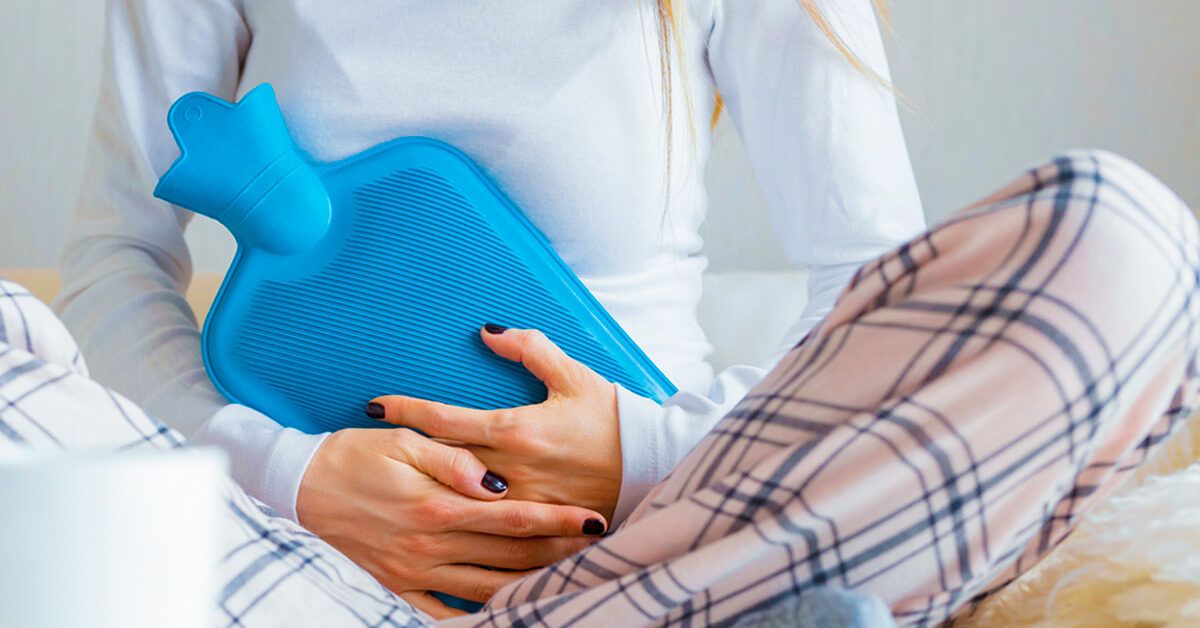
- Heating pad or hot water bottle: Place it on your lower abdomen (or lower back) for 15–20 minutes.
- Warm bath or shower: Let the water do the heavy liftingbonus points for relaxing your whole body.
- Heat patch: Useful if you need to be upright and functioning like a person with responsibilities.
Make it smarter (not harder)
Try “heat + gentle movement” (a short walk around your place, a few stretches) instead of heat alone. Many people find the combo calms cramps faster.
Safety notes
- Use a cloth barrier if heat feels too intense; avoid burns.
- Don’t fall asleep with an electric heating pad on.
- If you have reduced sensation (neuropathy) or skin issues, be extra cautious.
2) NSAIDs (ibuprofen/naproxen): the prostaglandin “off switch”
Over-the-counter anti-inflammatory pain relieversespecially NSAIDs like ibuprofen or naproxenare often considered first-line for typical menstrual cramps
because they reduce prostaglandin production. Translation: fewer chemical “go signals,” less intense cramping.
How to use NSAIDs effectively
- Start early if you can: If your cycle is predictable, taking an NSAID at the first hint of cramps (or the day before bleeding starts) may work better than waiting until pain is peak-level.
- Stay on schedule for the first day: Cramps often hit hardest early. Taking doses at regular label-recommended intervals (instead of random “panic dosing”) can keep pain from snowballing.
- Take with food and water: Your stomach lining will thank you.
Important safety reminders
Always follow the medication label unless a clinician tells you otherwise. Avoid NSAIDs or check with a clinician first if you:
- have a history of stomach ulcers or GI bleeding
- have kidney disease, significant heart disease, or uncontrolled high blood pressure
- take blood thinners or certain other medications that interact
- have an NSAID allergy or aspirin-sensitive asthma
- might be pregnant (or are trying to conceiveask your clinician what’s appropriate)
If NSAIDs aren’t safe for you, acetaminophen may help some people, though it usually doesn’t target prostaglandins the way NSAIDs do. When in doubt,
ask a pharmacist or clinicianthis is exactly their kind of question.
3) Gentle exercise + stretching: yes, moving can help
When cramps hit, exercise might sound like a prank. But light movement can increase blood flow, loosen tight muscles, and trigger endorphinsyour body’s
natural pain-modulating chemicals. You don’t need a high-intensity workout; think “gentle and consistent,” not “bootcamp in the living room.”
Try this (low-effort, high-reward)
- 10–20 minute walk (indoors countspace like you’re on a phone call with drama)
- Easy cycling or light cardio if it feels good
- Yoga-style stretches focused on hips, low back, and abdomen
Three cramp-friendly stretches
- Child’s pose: Slow breathing, relax your belly into the stretch.
- Cat-cow: Gentle spinal movement can ease low-back tension tied to cramps.
- Supine knees-to-chest: Hug your knees lightly; avoid forcing the stretch.
Rule of thumb
If movement reduces pain, keep going gently. If it spikes pain or makes you dizzy, stop and switch to rest, heat, or another option.
4) Massage (and pressure points): calm the muscles, calm the drama
Abdominal or lower-back massage can help relax tense muscles and may reduce the intensity of cramping for some people. It’s also a rare moment where
“rub it and see what happens” is actually responsible advice.
Simple belly massage technique
- Lie down and place a warm compress on your lower abdomen for 5 minutes (optional but delightful).
- Using fingertips or palm, massage in slow, light circles below the belly button for 3–5 minutes.
- Keep pressure gentlethis is not bread dough.
Add a topical “bonus” (optional)
Some people like using a fragrance-free lotion or diluted essential oil blend for massage. If you do, patch-test first and avoid irritating products.
(Your skin does not want to be part of your menstrual journey.)
What about acupressure?
Some people report relief from applying pressure to certain points (like areas on the hand, lower leg, or ankle), though evidence varies. If you’re curious,
try it gently and stop if it causes discomfort. It can be a helpful add-onjust don’t let it replace medical care when it’s needed.
5) Relaxation + sleep: make your nervous system an ally
Pain isn’t only a “uterus thing.” Your brain and nervous system influence how pain is experienced. Stress and poor sleep can make cramps feel louder.
Relaxation techniques won’t magically erase prostaglandins, but they can lower tension, reduce pain amplification, and help you cope better.
A 7-minute calm-down routine for cramps
- Breathing: Inhale for 4 seconds, exhale for 6 seconds. Repeat for 2 minutes.
- Body scan: Relax jaw, shoulders, belly, hips2 minutes.
- Heat + position: Heating pad on lower belly, knees bent (or on your side with knees slightly tucked)3 minutes.
Sleep strategies (especially if cramps wake you up)
- Try heat for 15–20 minutes before bed (avoid sleeping with an electric pad).
- Keep a glass of water nearby; mild dehydration can worsen overall discomfort.
- Use a pillow under knees (back sleeping) or between knees (side sleeping) to reduce pelvic and back strain.
6) Food and drink tweaks: small changes that can stack up
You can’t “diet” your way out of cramps overnight, but day-to-day habits can influence inflammation, bloating, and how miserable your body feels
during your period. Think of this as reducing the background noise so cramps don’t feel like the only thing happening.
Easy, realistic adjustments
- Hydrate: Water helps with bloating and overall comfort. Warm beverages can feel soothing, too.
- Go easy on caffeine: Some people notice caffeine makes cramps or PMS symptoms feel worse.
- Limit alcohol and avoid smoking: Both can worsen symptoms for some people and interfere with sleep and recovery.
- Choose “steady energy” foods: Whole grains, fruits, vegetables, and proteins can help keep energy stable when your body is already doing a lot.
- Try smaller, frequent meals: Helpful if nausea or bloating tags along.
What about supplements or herbal remedies?
You’ll see magnesium, omega-3s, vitamin B1, ginger, and other supplements recommended online. Research quality varies and safety depends on your health
conditions and medications. If you want to try supplements, it’s smartest to talk with a clinician or pharmacistespecially if you’re pregnant, have a
chronic condition, or take prescription meds. When possible, prefer food sources (like fatty fish for omega-3s) and keep expectations realistic.
Put it together: a “cramp rescue” plan you can actually follow
Here’s a simple, repeatable approach for the first 24 hoursadjust based on what feels good for you:
- At first signs: Heat for 15–20 minutes + water or warm tea.
- If safe for you: NSAID per label directions (with food), then keep consistent for the first day if needed.
- Move gently: 10-minute walk or stretching routine.
- Reset: Breathing + rest position for 5–7 minutes.
- Repeat: Heat again later if cramps return.
When cramps aren’t “normal”: signs you should get checked
Make an appointment (or seek urgent care depending on severity) if you have:
- cramps so severe you regularly miss school/work or can’t function
- pain that’s getting worse over time or starts suddenly after years of mild periods
- pain between periods, pain with sex, or persistent pelvic pain
- very heavy bleeding, bleeding between periods, or large clots
- fever, foul-smelling discharge, or symptoms that suggest infection
- new severe pain with dizziness, fainting, or shoulder pain (seek urgent evaluation)
Conditions like endometriosis, adenomyosis, fibroids, pelvic inflammatory disease (PID), and ovarian cysts can cause significant painand they’re treatable.
You deserve more than “it’s just your period.”
FAQ: quick answers about menstrual cramp remedies
How fast does heat help period cramps?
Many people feel some relief within 10–20 minutes, especially with a heating pad or warm bath. If it helps, repeat throughout the day.
Is it better to take ibuprofen before cramps start?
Often, yesif your period is predictable and NSAIDs are safe for you. Starting early can blunt prostaglandin buildup. Follow label directions and consult a clinician if you’re unsure.
Does exercise really help, or is that just something people say to be annoying?
Light exercise can help some people, especially walking and gentle stretching. If exercise makes you feel worse, skip ityour uterus is not accepting challenges today.
Can cramps be a sign of something serious?
They can be. Severe, worsening, or disruptive pain deserves evaluation, especially if symptoms change or come with heavy bleeding, fever, or pain outside your period.
Experiences: what it’s like to actually try these remedies (the real-life version)
Let’s talk about the part most articles skip: using menstrual cramp remedies in real life rarely looks like a calm spa day with a candle and a perfectly
timed heating pad. It looks like: you’re wearing sweatpants, your calendar is judging you, and your uterus is acting like it just discovered percussion.
The goal isn’t perfectionit’s building a routine you can repeat even when you’re tired, busy, or cranky.
Heat therapy is often the first thing people reach for because it feels comforting immediately. A common experience is that heat doesn’t
always erase cramps, but it turns the pain from “sharp and demanding” into “dull and manageable.” Some people describe it as taking the edge off
enough to focus. Others swear by heat on the lower back instead of the bellyespecially if their cramps come with back aches. The most frequent complaint?
Remembering to stop using an electric heating pad before falling asleep. (Set a timer if you’re the type who dozes off mid-Netflix.)
NSAIDs often get mixed reviewsnot because they don’t work, but because timing matters. A lot of people try one dose after cramps are
already roaring and then declare the meds “useless.” When folks switch to taking an NSAID earlier (at the first warning sign) and consistently for the
first day, they often report better control. Another common “aha” moment: taking it with food and water reduces nausea. Real talk: if you’re someone
with a sensitive stomach, it’s normal to prefer heat + movement first and reserve meds for when you truly need them.
Exercise and stretching can feel counterintuitive. Many people say the hardest part is startingonce they do a gentle walk or a few yoga poses,
they’re surprised it helps. The most relatable pattern is “I didn’t want to move, I moved anyway, and it got slightly better.” That said, experiences vary:
some bodies want rest, not movement. A helpful approach is treating exercise like an experiment: try 5–10 minutes of gentle movement. If it helps, great.
If it doesn’t, you’ve collected datano guilt, no motivational quotes required.
Massage tends to work best when it’s gentle and paired with warmth. People who like it often say it reduces the “tight band” feeling in the
lower abdomen. Some prefer using a tennis ball against the wall for low-back tension. Others don’t want to be touched at all during cramps (fair),
and they replace massage with pressure from a pillow or a folded blanket against the abdomen. The takeaway from many shared experiences is that
comfort matters: if a technique feels soothing, it’s more likely you’ll actually do it next cycle.
Relaxation techniques get underrated because they sound like they belong on a wellness poster. But people who practice breathing, meditation,
or even a simple “close eyes, unclench jaw” routine often describe one big benefit: they feel less panicked by the pain. The cramps might still be there,
but the experience is less overwhelming. Sleep is a huge factor, toomany people notice cramps feel worse when they’re sleep-deprived. Creating a small
bedtime ritual (warm shower, heat for 15 minutes, water nearby, knees-supported position) is one of those “boring” habits that can have surprisingly
non-boring results.
Food and drink changes typically don’t create instant miracles, but they can change the overall “period vibe.” People often report that staying
hydrated helps with bloating and headaches, and that dialing down caffeine can reduce jitters or irritability that makes pain feel harder to tolerate.
Some people love warm drinks because they’re comforting (and because holding a warm mug feels like emotional support). The most common experience here:
it’s not about eating perfectlyit’s about avoiding the things that reliably make you feel worse and choosing what helps you feel steady.
If there’s one theme across many real-life experiences, it’s that combining remedies works better than betting everything on one trick.
Heat + NSAIDs (if safe) + a short walk + a few minutes of breathing can be more effective than any single step. And if your cramps consistently knock you out,
that’s not a character-building exerciseit’s a medical conversation worth having. You deserve relief that actually matches the intensity of what you’re feeling.