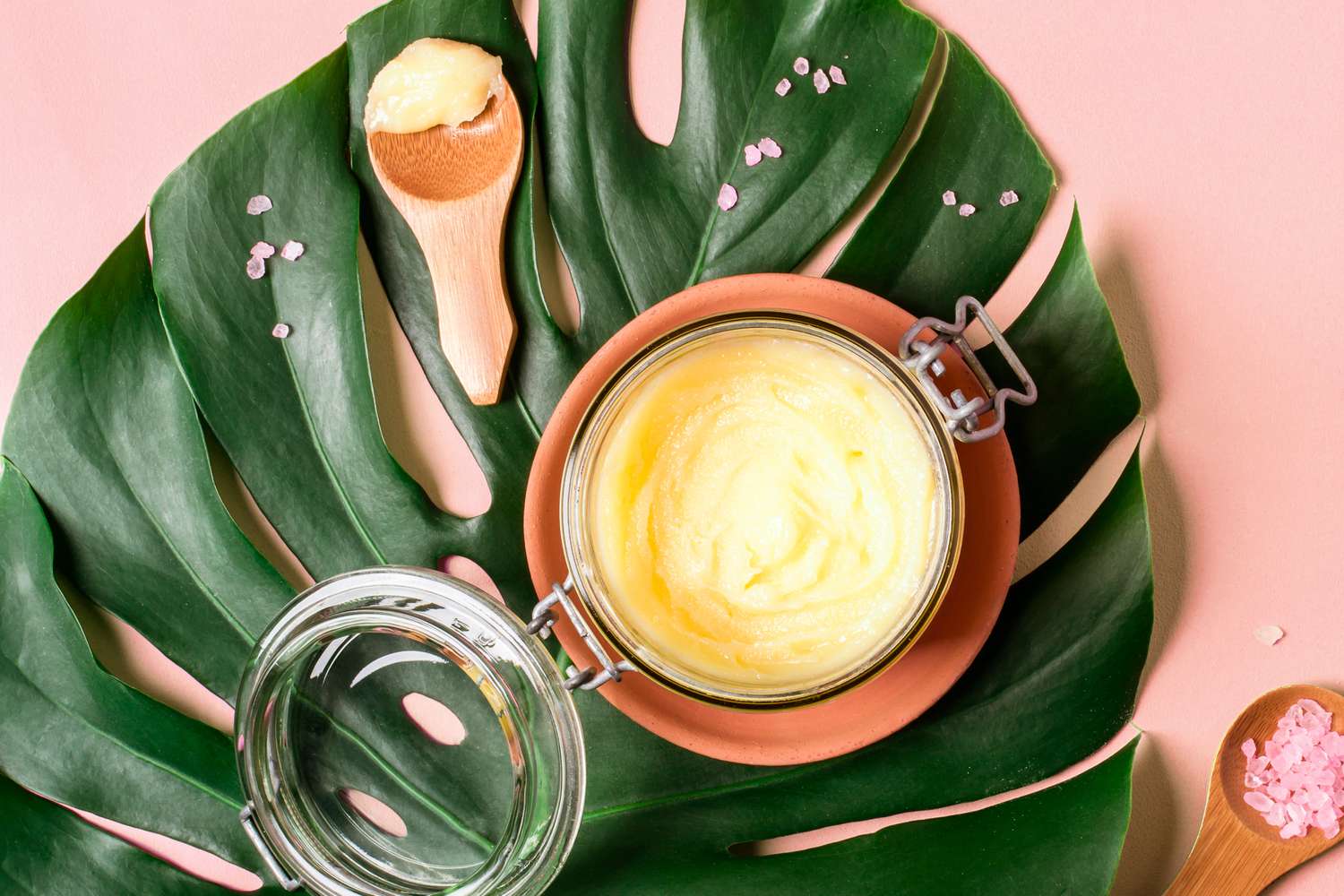

Ghee is butter’s glow-up: the water and milk solids are cooked out, leaving behind a golden, nutty-tasting fat that
plays nicely with high heat. It’s a staple in South Asian cooking, beloved in many kitchens for its flavor and
convenienceand yes, it has a few legit nutritional upsides.
But before we crown ghee “a superfood” and start drinking it from shot glasses like it’s wellness tequila:
ghee is still mostly fat (and a lot of that fat is saturated). So the smartest way to enjoy ghee is the same way you
enjoy a really good concertclose enough to feel it, not so close you blow out your eardrums.
Below are five evidence-informed benefits that make ghee worth a spot in your pantry, plus exactly how to use it
in real life without turning your meal plan into a butter festival.
What Exactly Is Ghee?
Ghee is a form of clarified butter. Traditional ghee is simmered long enough to separate and remove the milk solids
(the proteins) and evaporate most of the water. What’s left is primarily butterfat with a deeper, toasted flavor.
Because there’s very little moisture or milk solid residue, ghee tends to be more shelf-stable than butter and less
likely to burn during cooking.
Quick Nutrition Snapshot (So You Know What You’re Working With)
- Mostly fat: one tablespoon is roughly 100–130 calories, depending on serving size and brand.
- High saturated fat: often around 8–9 grams saturated fat per tablespoon.
- Fat-soluble vitamins: small-to-moderate amounts, especially vitamin A (varies by the animal’s diet and processing).
- Minimal lactose/casein: typically “trace” levels, but not always zero for everyone’s body.
Translation: ghee can be a useful cooking fat and a flavorful “finishing” ingredientbut it’s still a “use a spoon,
not a ladle” situation.
Benefit #1: It’s Often Easier to Tolerate Than Butter
If dairy makes your stomach feel like it’s hosting a drum circle, ghee may be a gentler option. The clarification
process removes most milk solids, which means ghee usually contains only trace amounts of lactose (milk sugar) and
casein (a milk protein). Many people with lactose intolerance can tolerate ghee better than butter.
How to use this benefit (without guessing)
- Start small: try 1 teaspoon in a meal and see how you feel.
- Know the difference: lactose intolerance is not the same as a true milk allergy. If you have a milk
allergy, trace proteins can still be a problemask your clinician and choose carefully. - Look for “third-party tested” or “cultured ghee” if you’re sensitivesome brands filter more thoroughly.
Practical example: swap ghee for butter when scrambling eggs, sautéing veggies, or greasing a panespecially if butter
tends to bother you.
Benefit #2: A High Smoke Point Makes It Great for High-Heat Cooking
Butter tastes amazing, but it has a flaw: the milk solids can burn at relatively lower temperatures, creating that
“I swear I was only gone for 30 seconds” smell. Ghee’s higher smoke point (often cited around the upper 400s °F)
makes it a strong choice for searing, stir-frying, roasting, and pan-fryingsituations where butter may brown too fast.
How to use this benefit in the kitchen
- Searing proteins: Use ghee for chicken thighs, salmon, steak, tofu, or paneer-style cooking (without the butter burn).
- Roasting vegetables: Toss broccoli, carrots, Brussels sprouts, or sweet potatoes with a spoon of ghee before roasting.
- Stir-frying aromatics: Ghee pairs beautifully with garlic, ginger, cumin, turmeric, mustard seeds, and curry leaves.
Bonus perk: because ghee is relatively stable at higher heat, it’s often easier to cook with consistently. Your pan
stays in the “delicious” zone longer.
Benefit #3: It Provides Fat-Soluble Vitamins (Especially Vitamin A)
Ghee contains fat-soluble vitaminsmost notably vitamin A, and smaller amounts of vitamin E and vitamin K (levels vary).
Vitamin A supports vision, immune function, and healthy skin. While ghee isn’t a multivitamin replacement, it can
meaningfully contributeespecially if your overall diet is low in vitamin A-rich foods.
How to use this benefit (and absorb more from plants)
Fat helps your body absorb certain nutrients found in vegetables, including carotenoids (like beta-carotene).
Adding a little ghee to colorful produce can help you get more value from the salad bar.
- Try it with: carrots, sweet potatoes, spinach, kale, red peppers, pumpkin, or butternut squash.
- Easy move: melt 1 teaspoon of ghee and drizzle it over steamed greens with lemon and salt.
- Upgrade roasted squash: toss cubes with ghee + cinnamon + pinch of chili flakes for sweet-heat magic.
If you buy grass-fed ghee, you may also get slightly different fatty acid and vitamin profilesbut “grass-fed” isn’t
a free pass to use half a jar in one sitting. Your arteries do not care about marketing.
Benefit #4: It Can Support Satiety (Feeling Full) When Used Strategically
Dietary fat slows gastric emptying and can increase meal satisfaction. In plain English: adding a small amount of fat
can help a meal feel more filling, which may reduce mindless snacking later. Ghee can be useful here because it’s
intensely flavorfulmeaning you often need less to make food taste rich and complete.
How to use satiety to your advantage
- Use ghee as a “finish,” not a flood: stir 1 teaspoon into cooked lentils, beans, or rice right before serving.
- Pair it with fiber and protein: ghee works best in meals built around vegetables + protein + whole grains or legumes.
- Make “boring” healthy food craveable: roasted veggies become dramatically more appealing with a small spoon of ghee and spices.
Example: a bowl of brown rice + black beans + sautéed peppers becomes “restaurant-level comforting” with a teaspoon of
ghee, cumin, lime, and cilantro. Same base meal, much happier taste buds.
Benefit #5: It Contains Compounds Being Studied for Inflammation and Metabolic Health (With Important Caveats)
You’ll often hear ghee praised for butyrate (a short-chain fatty acid) and conjugated linoleic acid (CLA). These
compounds are being studied for roles in gut health, inflammation, and metabolism. However, the real-world impact of
the amounts found in typical servings of ghee is likely modestso treat these as “possible perks,” not miracle claims.
A sensible way to think about it
- Butyrate matters in the bodybut much of your butyrate comes from your gut microbiome fermenting fiber, not from ghee alone.
- CLA research is mixed and often depends on dose, food source, and overall dietary pattern.
- The biggest lever is your whole diet: ghee can fit into a heart-smart pattern, but it won’t out-muscle a low-fiber, high-ultra-processed routine.
If you want the “gut-friendly” angle to be real, pair ghee with fiber-rich foods: beans, oats, vegetables, fruit, and
whole grains. Your gut microbes love a team sport.
How to Use Ghee: The Practical Playbook
1) Swap It 1:1 for Butter (Most of the Time)
In many recipes, you can replace butter with ghee in a 1:1 swap. Because ghee lacks water and milk solids, the texture
can change slightly in delicate baking, but it works beautifully in savory cooking, pan tasks, and many baked goods.
2) Use It for High-Heat Jobs Where Butter Struggles
- Searing and browning
- Stir-fries and sautéing
- Roasting (especially vegetables)
- Toasting spices (blooming cumin, coriander, turmeric, etc.)
3) Use It as a “Finishing Fat” for Big Flavor
This is where ghee shines. A small amount delivers a lot of aroma and richness.
- Stir into hot rice, quinoa, or lentils
- Melt over popcorn (yes, really)
- Brush on warm flatbread or toast
- Drizzle over roasted vegetables with flaky salt
4) Try It in Classic Pairings (They’re Classic for a Reason)
- Dal: finish lentils with a spoon of ghee and tempered spices.
- Eggs: ghee + scrambled eggs = rich flavor without burnt milk solids.
- Sweet potatoes: ghee + cinnamon + pinch of salt is an easy “dessert vibe” side dish.
- Seafood: ghee + lemon + herbs makes a quick pan sauce.
How Much Ghee Is “Healthy”?
The ideal amount depends on your overall diet, calorie needs, cholesterol profile, and how much saturated fat you get
from other foods. Many heart-health guidelines emphasize limiting saturated fat and replacing it with unsaturated fats
(like olive oil, canola oil, nuts, seeds, and fatty fish) when possible.
A practical approach: treat ghee like a strong seasoningoften 1–2 teaspoons in a meal is enough to get
the flavor and cooking benefits. If you’re using multiple fats in a day (cheese, red meat, coconut oil, desserts),
ghee should be a smaller player, not the star of the show.
Who should be extra mindful
- People with high LDL cholesterol or a strong family history of heart disease
- Anyone already eating a lot of saturated fat (butter-heavy diets, frequent processed foods)
- People managing calorie intake for weight goals
Buying and Storing Ghee Like a Pro
What to look for
- Simple ingredients: ideally just “clarified butter” or “butter.”
- Quality sourcing: grass-fed can be a nice bonus, especially for flavor.
- Packaging: a well-sealed jar; avoid anything that smells rancid or “paint-like.”
Storage tips
- Keep it tightly sealed and away from heat and direct sunlight.
- Use a clean spoon to avoid introducing moisture or crumbs.
- If your kitchen is very warm/humid, refrigeration can help preserve freshness longer.
Frequently Asked Questions
Is ghee healthier than butter?
It can be “healthier” in specific ways: it’s typically easier to tolerate for lactose sensitivity and performs better at
high heat. Nutritionally, it’s still a saturated-fat-rich dairy fat, so “healthier” depends on how much you use and
what it replaces.
Can I cook with ghee every day?
Many people do, but the best daily pattern usually includes more unsaturated fats overall. Using ghee occasionally or in
small amountsespecially for high-heat cooking or finishingcan fit well into a balanced diet.
Does ghee help gut health?
Butyrate is linked to gut lining health, but most of your butyrate is produced in the colon when gut microbes ferment
fiber. If gut health is your goal, prioritize fiber-rich foods first and treat ghee as a supporting actor.
Real-Life Ghee Experiences ( of “What It’s Like,” Without the Hype)
If you’ve never cooked with ghee, your first experience is usually a sensory one. You open the jar and get a warm,
toasted aromalike butter that spent a semester abroad and came back with better stories. The flavor is rich but not
sweet, and it has a subtle nuttiness that can make simple foods taste like you tried harder than you did.
One of the most common “aha” moments people report is how forgiving ghee feels in the pan. Butter can go from “golden”
to “why does my kitchen smell like regret?” fast, especially on medium-high heat. With ghee, you often get a wider
window. When you’re searing chicken or sautéing vegetables, it stays stable longer, so you can focus on cooking
instead of panicking.
Another experience: ghee is a champion of spices. If you cook with cumin, turmeric, mustard seeds, garlic, ginger, or
chili flakes, ghee helps them bloommeaning the aromas open up and smell more intense and layered. People who try
this for the first time often say their dish tastes “more like a restaurant,” even if the recipe didn’t change.
It’s not magic; it’s fat carrying flavor compounds and distributing them well.
You’ll also notice ghee’s personality in “finishing” moments. Stirring a teaspoon into hot rice or lentils can make
the whole bowl taste rounder and more satisfying. Many home cooks end up using less overall because the flavor is
concentrated. That’s a sneaky win: when an ingredient is potent, your portion can stay reasonable without feeling
deprived.
Practical convenience shows up too. Because ghee is low in moisture, people often keep it on the counter (in a cool
spot) and scoop it like a spreadable paste. That makes it easy to use in tiny amountsexactly what you want for a
saturated-fat-rich ingredient. A teaspoon melts quickly, coats a pan evenly, and disappears into food without leaving
that “greasy” feeling you can get when you pour oils too generously.
If you’re exploring ghee for digestion, the experience can be very individual. Some people with lactose intolerance
feel fine using ghee as their go-to cooking fat. Others with more sensitive systems may still notice symptomsoften
depending on brand, serving size, and whether the ghee is filtered thoroughly. Many people find the sweet spot by
starting small and treating ghee as a flavorful tool rather than a dietary centerpiece.
Finally, there’s the social experience: ghee tends to spark kitchen conversations. Someone sees the jar and asks,
“Is that butter?” Then you get to say, “Yes, but it has a higher smoke point,” and suddenly you’re the person at the
party explaining fats like a friendly food nerd. Congratulations. You’re one step closer to owning a mortar and pestle
you don’t strictly needbut absolutely deserve.
Conclusion
Ghee earns its popularity because it’s practical and delicious: it’s often easier to tolerate than butter, handles high
heat well, and adds richness with a small spoonful. Nutritionally, it offers some fat-soluble vitamins and contains
compounds being studied for broader health effectsbut it’s still a calorie-dense, saturated-fat-rich food.
The best way to use ghee is intentionally: choose it for high-heat cooking, spice blooming, and flavor finishing, while
keeping your overall fat pattern balanced with plenty of unsaturated fats and fiber-rich foods. Enjoy the glow-upbut
keep the portions grown-up.