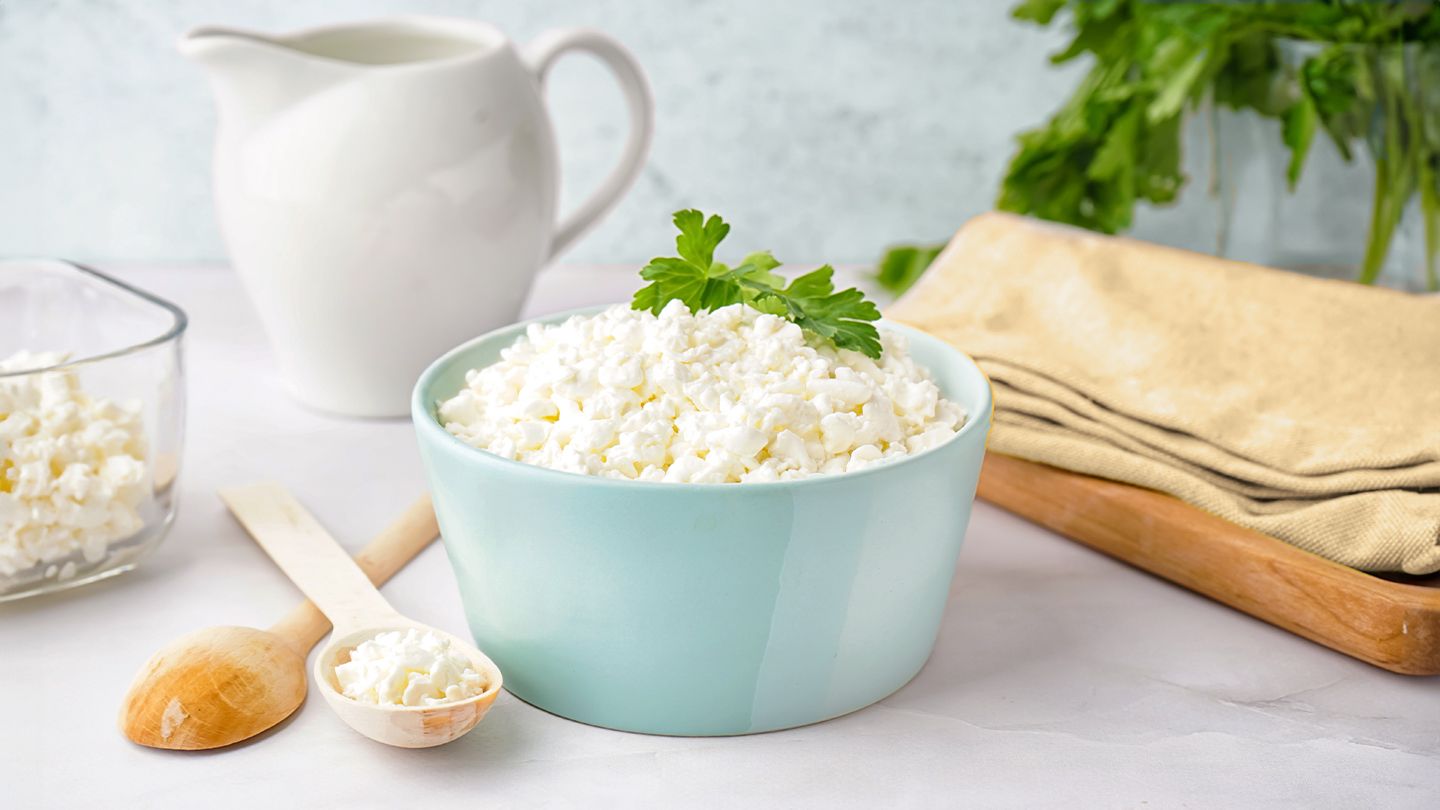

If you think cottage cheese tastes like salty lumpy sadness, you’re not alone.
For years it had a reputation as “diet food from the 80s” – a sad scoop on a plate next to a tomato wedge.
But nutrition experts are quietly obsessed with it. Cottage cheese is loaded with high-quality protein, often around
24 grams per cup, plus calcium and B vitamins, and it can be surprisingly creamy and delicious when you know how to use it.
Dietitians now recommend cottage cheese as one of the easiest ways to boost protein at breakfast, snacks, and even dessert.
The problem? A lot of people can’t get past the texture or tangy flavor.
The good news is you don’t have to eat it plain with a spoon. With a few expert-tested tricks,
you can hide the lumps, balance the flavor, and turn cottage cheese into something you’ll actually look forward to.
Below are five smart, nutritionist-approved ways to enjoy cottage cheese even if you swear you hate itplus real-life
experiences at the end to help you ease into the cottage-cheese life without trauma.
Why Cottage Cheese Is Worth Trying Again
Before we fix the flavor, it helps to know why so many dietitians fight for cottage cheese’s honor.
Cottage cheese is a complete protein, meaning it contains all the essential amino acids your body needs for muscle repair,
hormone production, and immune support.
A half-cup serving usually offers 12–14 grams of protein for relatively few calories, depending on the fat level.
Experts also like that cottage cheese:
- Is budget-friendly compared with many protein snacks.
- Comes in fat-free, low-fat, and full-fat options so you can match your goals.
- Can be lactose-free or probiotic-enriched, depending on the brand.
- Works in both sweet and savory recipes, from breakfast bowls to pasta sauce.
In other words, cottage cheese is like the introvert of the dairy case: not flashy, but reliable,
flexible, and surprisingly powerful once you get to know it.
1. Blend It Smooth: Turn Cottage Cheese into Creamy Dips & Sauces
If the texture is your main enemy, start here. You don’t have to accept the curds.
Pop cottage cheese into a blender or food processor and in 30–60 seconds you’ll have something that looks like
whipped ricotta or thick Greek yogurt.
How to do it
- Add 1 cup cottage cheese to a blender.
- Blend until silky smooth, scraping down the sides as needed.
- Taste and season with a pinch of salt and maybe a squeeze of lemon.
From there, you can follow expert ideas and use that creamy base in:
- Dips: Blend cottage cheese with Greek yogurt, herbs, garlic, or sun-dried tomatoes to make a high-protein dip or sandwich spread.
- Pasta sauce: Dietitians love stirring blended cottage cheese into warm tomato sauce for a creamy, higher-protein pasta that feels indulgent without heavy cream.
- Mashed potatoes: Mix some blended cottage cheese into mashed potatoes to add protein and creaminess while cutting back on butter or sour cream.
This approach completely changes the mouthfeel. If your issue is “lumps,” blending is your golden ticket.
You get all the nutrition with none of the “what did I just bite into?” drama.
2. Make High-Protein Sweet Treats: Bowls, Toast & “Cheesecake” Jars
If you prefer sweet over savory, use fruit and a touch of sweetness to balance the tang.
Many nutrition experts suggest pairing cottage cheese with fresh or frozen fruit to create a snack that hits that dessert vibe
while staying high in protein and relatively low in added sugar.
Easy sweet cottage cheese ideas
-
Fruit & cottage cheese bowls: Top cottage cheese with sliced peaches, berries, or mango for a simple
protein-and-fiber combo. Add cinnamon and a sprinkle of chopped nuts for extra crunch and healthy fats. -
Cottage cheese toast: Spread cottage cheese on whole-grain toast and top with jam, chia jam, or berries and nut butter.
This combo shows up on multiple nutrition blogs as a quick, high-protein breakfast or snack. -
“Cheesecake” jars: Blend cottage cheese with a little vanilla, lemon zest, and a drizzle of honey or maple syrup,
then layer with crushed high-fiber crackers and berries in a glass. You get cheesecake vibes with way more protein and less sugar.
For people who don’t love the original flavor, these sweet pairings can make cottage cheese feel familiarmore like yogurt parfaits
you already enjoy. Just watch the added sugar in jams or syrups; using berries, kiwi, or citrus keeps it fresher and lighter.
3. Go Savory: Everything-Bagel Bowls & Loaded Toast
Not a sweets person? Cottage cheese can behave like a mild, creamy cheese in savory dishes.
Many dietitians suggest topping it with veggies, smoked salmon, or simple seasonings like sea salt and cracked pepper
to create easy high-protein meals and snacks.
Try a savory cottage cheese bowl
Inspired by popular recipes, build your bowl like this:
- Base: 1/2–1 cup cottage cheese.
- Protein toppings: Jammy egg, smoked salmon, roasted chickpeas, or leftover grilled chicken.
- Veggies: Cucumber, cherry tomatoes, bell pepper, scallions, or arugula.
- Flavor boosters: Everything bagel seasoning, olive oil drizzle, hot sauce, or chopped herbs.
Prefer something handheld? Cottage cheese on toast is a favorite among nutritionists:
- Spread cottage cheese on toasted multigrain bread.
- Add sliced tomato, cucumber, and everything bagel seasoning, or go bold with avocado and a fried egg.
The key here is contrast: creamy cottage cheese + crunchy veggies + punchy seasoning.
When your bite includes all three, your brain focuses on the flavors and textures you like, not on the fact that
the base is something you used to hate.
4. Hide It in Batter: Pancakes, Waffles & Baked Goods
If you’re not ready to actually see cottage cheese at all, sneak it into batters.
Cottage cheese pancakes are a well-loved trick in the healthy cooking world.
They taste like slightly tangy, rich pancakes but carry more protein than the usual mix.
High-protein cottage cheese pancakes
Many recipes use a simple formula:
- 1 cup cottage cheese
- 2–3 eggs
- 1/2–3/4 cup oats or flour
- A splash of milk and a little baking powder
Some cooks like to hand-mix the batter so there are warm, melty pockets of cottage cheese in the finished pancakes;
others blend the batter to remove any visible curds for a smoother result.
Either way, you get a fluffy stack that feels like brunch but delivers serious staying power.
You can apply the same idea to:
- Waffles
- Quick breads or muffins
- Baked egg bites or frittata muffins
The flavor of cottage cheese melts into the background while adding protein and moisture.
If you’re team “I never want to see it,” this route is your low-stress gateway.
5. Start Small: Snack-Size Portions & Choosing the Right Brand
Sometimes hating cottage cheese isn’t just about flavorit’s about a bad first experience.
Maybe you tried a watery, overly salty, fat-free version straight from the tub and swore it off for life.
Dietitians emphasize that not all cottage cheese tastes the same. There are differences in curd size, creaminess, fat content,
and even added probiotics.
Tips from nutrition experts on picking a cottage cheese
- Check the protein: Aim for at least 12 grams of protein per 1/2 cup serving so you get real staying power.
-
Watch the sodium: If you’re watching your blood pressure, look for options under about 300 mg sodium per serving,
or use small portions and balance with lower-sodium foods. - Choose your fat level: Full-fat is creamier and more satisfying; low-fat or 2% can be a good middle ground for calories and taste.
- Look for “lactose-free” if needed: Some brands offer lactose-free versions or add probiotics that may be gentler on digestion.
Once you’ve picked a good brand, don’t force yourself to eat a giant bowl on day one.
Start with a few spoonfuls mixed into something you already enjoylike yogurt, jam, or scrambled eggsand gradually use more over time.
Pro Tips to Actually Learn to Like Cottage Cheese
Think of this as your “cottage cheese survival guide” from people who have been there:
- Play with temperature: Many people find it tastes better chilled, not room temperature.
- Fix the texture: Blend it, stir it well, or pair it with crunchy toppings like nuts or crisp veggies.
- Season like you mean it: A simple mix of sea salt, black pepper, and scallions or everything bagel seasoning can totally transform it.
- Keep portions modest: Especially if you’re new to it or sensitive to dairy, start with 1/4–1/2 cup.
- Use it where you’d use yogurt, ricotta, or sour cream: On baked potatoes, in smoothies, dips, bowls, and toast.
Are There Any Downsides?
Cottage cheese isn’t perfect for everyone. Because it’s a dairy product, people with lactose intolerance may experience
bloating or digestive discomfort unless they choose lactose-free versions or small portions.
It can also be relatively high in sodium, so if you’re on a low-sodium eating plan, read labels carefully and balance it with
lower-salt meals throughout the day.
As with most foods, context matters: cottage cheese can absolutely fit into a heart-healthy, high-protein pattern when it’s
paired with produce, whole grains, and healthy fats rather than ultra-processed meats and sugary toppings.
Conclusion
You don’t have to suddenly love plain cottage cheese by the spoonful to get its benefits.
By blending it into smooth dips, turning it into sweet high-protein bowls, loading it up with savory toppings,
hiding it in pancakes, and choosing the right brand for your taste and health needs, you can transform cottage cheese
from “never again” to “actually…this is pretty good.”
Think of these five expert-tested ways as a menu of experiments. Start with the method that feels least threatening
(pancakes or cheesecake jars are usually an easy sell), then work your way toward bowls and toast.
If you give yourself permission to play with flavors and texturesand not force giant portionsyou might be surprised
how quickly this once-hated food earns a permanent spot in your fridge.
Real-Life Experiences: Learning to Love Cottage Cheese
To make this more practical, let’s look at how people actually transition from “I hate cottage cheese” to
“I eat it several times a week” in real life. Consider these experience-based scenarios you can borrow and adapt.
The Texture-Hater Who Fell for Smooth “Cheesecake” Jars
One common story goes like this: someone remembers cottage cheese from childhood as a big, lumpy scoop next to canned fruit.
The texture is burned into their memory, and it’s a hard “no.” When they try again as an adult, they don’t start with a bowl at all.
Instead, they toss cottage cheese into a blender with a splash of milk, a drop of vanilla, and a bit of honey, then layer it with berries
and crushed high-fiber crackers in a jar. After chilling it overnight, the result tastes like a light, tangy cheesecake parfait.
Because the curds are gone, the mental block disappearsand cottage cheese becomes a regular dessert rotation item.
After a few weeks of cheesecake jars, this person starts using the same blended mixture in smoothies in place of yogurt.
The trick is that they never force themselves to eat cottage cheese in its original form. By the time they realize how much
they enjoy it blended, cottage cheese stops being “gross” and becomes “that protein-boosting ingredient I always have on hand.”
The Busy Parent Who Needed a 2-Minute Breakfast Fix
Another real-world example: a busy parent trying to stop skipping breakfast. Their goal is simplesomething fast, affordable,
and filling that’s not a sugar bomb. They’re skeptical of cottage cheese but willing to experiment. They start with toast:
whole-grain bread, a layer of cottage cheese, a spoonful of jam, and a handful of berries. It takes about two minutes to assemble
and keeps them full until lunch.
Over time, they swap the jam for sliced fruit and add a sprinkle of chia seeds or nuts. Some days they pivot to savory toast
with tomato, avocado, and everything bagel seasoning. The key experience here is convenience:
cottage cheese becomes the fastest way to build a high-protein, customizable breakfast without cooking,
which matters more to them than whether it will ever be their “favorite” food.
The Gym-Goer Who Wanted More Protein Without Another Shake
Then there’s the person who is tired of protein shakes but still wants muscle-supporting protein around workouts.
They start experimenting with cottage cheese bowls after reading that it’s a complete protein and especially good
before bed because of its slow-digesting casein.
At first, they simply mix cottage cheese with pineapple and call it a day. Later, they build full-on savory bowls with eggs,
smoked salmon, cucumbers, and herbs.
What they notice most in their experience is satiety: a modest bowl of cottage cheese with toppings keeps them comfortable and energized
for hours. It becomes a go-to late-night snack that doesn’t feel heavy, and they appreciate the variety after years of drinking protein powder.
The “Picky Eater” Who Only Accepts Cottage Cheese When It’s Invisible
Finally, imagine the person who will never, ever eat visible curdsand that’s okay. Their experience centers on stealth.
They fold cottage cheese into pancake batter, waffle batter, and baked egg bites. Nobody at the table even knows it’s there;
they just notice the pancakes are extra tender and that everyone stays full longer.
Over time, this person becomes “that friend” who adds cottage cheese to anything that involves flour and eggs.
For them, success doesn’t look like eating a big bowl of it with a spoon. It looks like quietly upgrading the nutritional profile
of their favorite comfort foods without changing the taste in a noticeable way.
Your journey might resemble one of these stories or be totally unique. The common thread is experimentation:
you adjust the texture, temperature, sweetness, and portion size until you find a version of cottage cheese that works for your taste buds,
your schedule, and your health goals. If you stay curious and patient, there’s a good chance you’ll stop saying “I hate it”
and start saying “I have a favorite way to eat it.”