
Filling water balloons sounds like it should be easy: water goes in, balloon gets chonky, summer fun happens.
And yet… somehow it’s also how people end up soaked, stressed, and questioning every life decision that led to
“Let’s do a water balloon fight!”
The good news: you’ve got options. Whether you’re in a backyard with a hose, in an apartment with a sink,
or at a park with exactly one water bottle and big “we can make this work” energy, there are reliable ways to
fill up water balloons quickly and with less mess.
Quick Setup: What You Need (and Why It Matters)
Basic supplies
- Water balloons (standard latex or “quick-fill” bunches)
- A water source (faucet, hose, tub, bottle, or pump)
- A bucket or bin to store filled balloons and catch drips
- A towel (optional, but your shirt will thank you)
Two tiny things that save a lot of drama
- Fill slowly at first: A sudden blast of water can “shock” the balloon and split it at the neck.
- Don’t overfill: Bigger isn’t always better. A balloon filled like a grapefruit usually survives handling better than a balloon filled like a bowling ball.
A Speed & Mess Snapshot
Before we dive into the four methods, here’s a quick comparison so you can pick the one that matches your setup
(and your patience level).
| Method | Best For | Gear | Speed | Mess Level |
|---|---|---|---|---|
| 1) Hose/Faucet + Nozzle | Backyards, patios | Balloon filler nozzle (optional) | Fast | Low–Medium |
| 2) Sink → “Balloon Station” (Adapter) | Apartments, indoor setups | Faucet aerator adapter + short hose/nozzle | Fast | Low |
| 3) Bottle or Funnel Method | Parks, travel, no hose access | Water bottle, funnel, or pitcher | Medium | Low |
| 4) Pump or Quick-Fill Bunches | Big groups, parties | Pump or quick-fill clusters | Very fast | Medium |
Way #1: Fill With a Garden Hose or Faucet (Classic, Fast, Reliable)
This is the “OG” method: balloon on the water source, fill it, tie it, repeat until your fingers feel like they ran a marathon.
It works best when you’ve got outdoor accessespecially a hosebecause you can set up a simple assembly line.
How to do it
- Stretch the balloon neck gently with your fingers. This reduces tearing when you slide it onto the nozzle.
- Attach the balloon to the nozzle (hose end, faucet spout, or a small balloon filler nozzle that often comes in balloon packs).
- Turn water on slowly for the first second, then increase to a steady stream.
- Fill to a “throwable” sizethink softball-to-grapefruit for most games.
- Pinch the neck, slide the balloon off, and tie a knot.
Pro tips (so you don’t pop half your “ammo” during filling)
- Use a bucket: Fill over a bucket to catch spills, then store finished balloons in the bucket so they don’t roll away like mischievous water marbles.
- Keep the balloon supported: Letting it hang and stretch can weaken the neck. Hold the balloon’s body lightly as it fills.
- Make tying easier: If your fingers are struggling, don’t brute-force ittie smaller balloons, or use balloon clips for quick closure.
Way #2: Turn Any Sink Into a Water Balloon Filling Station (The Faucet-Adapter Move)
If you don’t have a hoseor you’re trying to avoid turning the backyard into a swampthis method is a game changer.
Many kitchen and bathroom faucets have removable aerators (the little screen tip). Once that’s off, you can often
use an adapter that converts faucet threads into a standard hose-style connection. Translation: your sink can act like a hose bib.
Why this is awesome
- Apartment-friendly: No yard required.
- Less chaos: You can fill balloons over a sink or tub and keep splashing contained.
- Easy pressure control: Faucet handles are usually more precise than a hose valve.
How to do it
- Unscrew the faucet aerator (usually twists off by hand; sometimes needs a cloth and gentle grip).
- Attach a faucet-to-hose adapter that matches your faucet’s threads.
- Connect a short hose or balloon filler nozzle to the adapter.
- Fill balloons over the sink (or inside a large bowl/tub placed in the sink).
Troubleshooting (because threads love being picky)
- Leaking at the connection? Add a rubber washer (or replace the washer in the adapter). Hand-tighten, then snug gentlydon’t Hulk it.
- Not fitting? Faucets come in different thread sizes. Hardware stores carry multiple adapter sizes for common faucet thread patterns.
- Pull-down sprayer faucet? Some styles need a different adapter, but the same idea still applies: convert to a connection that fits your nozzle.
Way #3: Fill Water Balloons Without a Hose (Bottle Method + Funnel Method)
This is for parks, beach days, camping trips, or any time you’ve got “water nearby” but not the kind that comes out of a hose.
Two approaches work especially well: the portable squeeze bottle method and the funnel/pitcher method.
Option A: Water bottle + balloon nozzle (portable and surprisingly effective)
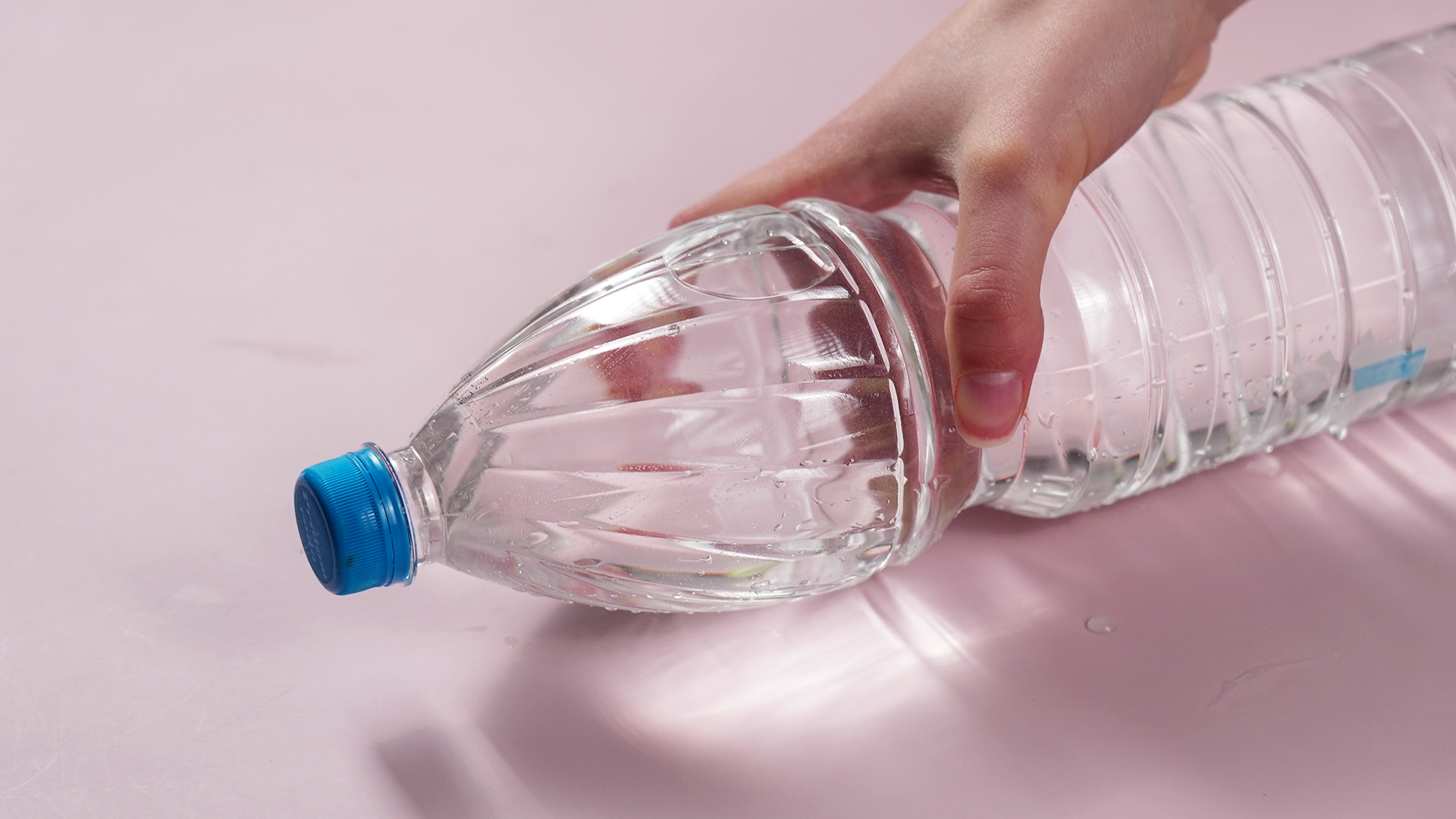
- Fill a plastic water bottle about 3/4 full (leave room to squeeze).
- Attach a balloon filler nozzle (the small plastic cone many balloon packs include) to the bottle opening. If it’s loose, wrap the bottle threads with a bit of tape for a snug fit.
- Slide the balloon onto the nozzle.
- Squeeze the bottle steadily to fill the balloon.
- Tie and repeat. Refill the bottle at a drinking fountain, cooler spigot, or sink.
Option B: Funnel or pitcher pour (no special parts needed)
- Place the balloon in a cup or small container so the neck stays upright.
- Insert a funnel into the balloon neck (a kitchen funnel works; a rolled paper cone can work in a pinch).
- Pour water slowly until the balloon reaches your desired size.
- Remove funnel carefully while pinching the neck, then tie.
Best use case
If you’re doing a small batch (like 15–30 balloons), this method is perfect. For 100 balloons, you’ll still get there…
but you may want to recruit a friend and call it “team building.”
Way #4: Go Turbo With a Pump or Quick-Fill Clusters (When You Need a Lot, Fast)
If you’re hosting a party, running a summer camp game, or preparing for a full-blown neighborhood splash showdown,
manual filling can turn into an all-day hobby. This is where balloon pumps and quick-fill bunches shine.
Option A: Water balloon pump (good pressure, good control)
Water balloon pumps are designed to fill balloons quickly without needing a faucet right next to your filling zone.
Some include tie tools to speed up the knotting step.
- Fill the pump reservoir (some pump styles draw water from a bucket/tub).
- Attach balloon to the pump nozzle.
- Pump until filled, then remove and tie.
This method is especially handy if you want to fill balloons at a picnic table while the water source is across the yard.
Option B: Quick-fill bunches (the “100 balloons in under a minute” vibe)
Quick-fill clusters typically attach to a hose and fill many balloons at once. Many designs seal themselves, meaning
you skip the knot-tying marathon.
- Attach the bunch to the hose (some sets include a quick-connect piece).
- Run water through the hose briefly to push out trapped air (air pockets can cause uneven filling).
- Turn on the water and watch the balloons fill.
- Stop at your preferred size, then separate balloons as directed by the product design.
Party hack: Fill into a tub
For quick-fill bunches, placing the cluster over a large bin or plastic tub can reduce splashing and prevent filled balloons
from tumbling across the lawn like escape artists.
Common Problems (and the Fixes That Actually Work)
“My balloon keeps popping while filling.”
- Start water slower, then increase gradually.
- Try slightly smaller fills. Overfilled balloons pop easily from handling, not just impact.
- Make sure the balloon neck isn’t snagging on sharp edges of the spout/nozzle.
“It leaks when I try to tie it.”
- Pinch the neck firmly before removing it from the nozzle.
- Leave a little extra neck length by not filling all the way up to the rim.
- Consider balloon clips if tying is slowing things down.
“Knots are taking forever.”
- Fill balloons slightly smaller; smaller balloons usually tie faster.
- Use a tie tool (some pump kits include one).
- If you’re using quick-fill self-sealing bunches, enjoy your new life of freedom.
Safety & Cleanup: Keep the Fun, Skip the Regret
Water balloons are fun because they’re goofy and splashynot because anyone wants an injury, a choking hazard,
or balloon pieces hiding in the grass until next winter.
Simple safety rules that help a lot
- No face shots: Water balloons can cause eye injuries if thrown hard at close range. Aim below shoulders and keep games playful, not “major league pitching tryouts.”
- Watch younger kids: Broken balloon pieces can be a choking/suffocation risk, especially for small children.
- Be mindful of latex allergies: If someone has a latex allergy, consider latex-free alternatives or different water games.
- Skip risky reusable balloons: Some reusable water balloons use small magnets; inspect carefully and avoid any product with loose parts around kids.
Cleanup that doesn’t ruin the mood
- Do a “balloon piece patrol” right after playlatex fragments are easiest to spot before the grass dries and hides them.
- Use a tarp in your filling zone so popped balloons land in one area.
- Dispose responsibly: Don’t leave balloon bits outdoors where pets or wildlife might find them.
Bonus: Make Filling Easier With a Two-Person “Balloon Assembly Line”
Want to fill a lot of balloons without feeling like you’re training for the Thumb Olympics?
Use a simple two-person system:
- Person A fills balloons and passes them off.
- Person B ties and loads them into a bucket or cooler.
Add a third person for “runner duty” (bringing empty balloons, refilling bottles, or moving full buckets), and suddenly you’re a summer operations team.
Somewhere, a project manager just felt a single tear of joy.
500+ Words of Real-World Water Balloon Filling Experiences
If you’ve ever prepared water balloons for a group, you already know the truth: filling them is the pregame.
The “battle” might last 10 minutes, but the filling strategy determines whether those 10 minutes are glorious or
an awkward two-balloon situation where everyone just kind of… tosses gently and apologizes.
One classic experience is the backyard birthday party setup. Someone announces, “We’ll do water balloons!” and suddenly
there are six kids doing victory laps while one adult is crouched by the hose, trying to tie knots at the speed of light.
The first lesson people learn is that your balloon size decides your workload. When balloons are filled to a manageable,
grapefruit-ish size, tying is easier, breakage is lower, and the bucket fills up faster. When balloons are filled to
“this could qualify as a small aquarium,” they pop in your hands, explode while tying, and drain your enthusiasm faster than the hose drains the spigot.
Another common scenario: the apartment or “no-hose” challenge. You want the fun, but your only water source is the kitchen sink.
The sink-adapter method becomes a quiet hero here. People who try to fill balloons directly from a faucet spout often deal with
slippery balloons and water splashing everywhere. But once a faucet is converted into a controlled filling stationespecially over a sink basin or plastic tub
the process becomes surprisingly clean. The main “aha” moment is realizing that you can make an indoor setup feel like an outdoor one by adding a short hose/nozzle,
filling over a tub, and staging balloons in a bowl or bucket lined with a towel.
Then there’s the park picnic experience: you’ve got sandwiches, sunshine, and exactly zero hose hookups. This is where the bottle method earns its reputation.
People often start skeptical“Squeezing a bottle to fill balloons sounds like a craft project”and then realize it’s actually efficient for small batches.
The trick is leaving air space in the bottle so it squeezes easily, and using a snug nozzle fit so water doesn’t spray out the sides.
In real life, this method is also great for younger kids who want to help, because it gives them a task that feels important without putting them in charge of faucet pressure.
(Translation: fewer accidental balloon explosions.)
The biggest “wow” experience tends to happen the first time someone tries quick-fill bunches at a party.
Suddenly, you go from “I’ve filled 12 balloons and my hands are cramping” to “Why do I have 80 balloons already?”
The practical lesson, though, is that quick-fill systems still benefit from planning:
setting a tub underneath reduces chaos, running water through the hose briefly can prevent uneven fills,
and stopping at a consistent balloon size helps keep the game fair. If some balloons are tennis-ball small and others are melon large,
the “rules” of the water balloon fight become… interpretive.
Finally, the cleanup experience is the one people remember the next dayespecially if they didn’t do it.
The best parties often end with a simple tradition: a quick five-minute “balloon piece patrol” where everyone helps pick up fragments.
It keeps the yard tidy, helps protect pets and wildlife, and prevents the dreaded surprise balloon shard stuck to a shoe later.
The funny part is that cleanup can become its own mini-game: who can find the most pieces, who can fill the bucket first, who can spot the tiniest scraps.
It’s not glamorous, but it’s the difference between “That was the best summer afternoon” and “Why is there balloon stuff in my lawn mower?”
In the end, the most consistent real-world takeaway is simple: the best way to fill up a water balloon is the one that matches your location and your crowd.
Backyard? Hose and bucket. Apartment? Sink station. Park? Bottle and funnel. Big party? Pump or quick-fill bunches.
Pick the method that fits, keep balloons a sane size, and you’ll spend less time fillingand more time enjoying the splashy part you actually came for.
Conclusion
Water balloons don’t need to be complicated. Choose the method that matches your spacehose, sink station, bottle, or pumpand you’ll fill faster,
pop fewer balloons, and avoid turning “summer fun” into “why is everything wet?”
Keep balloons a reasonable size, fill slowly at first, and plan a quick cleanup. Do that, and you’ll have the kind of water balloon day people
remember for the laughsnot for the mess.