
If you want a big “POP!” without buying anything fancy (or launching your living room into a confetti-based ecosystem),
paper poppers are the perfect DIY noisemaker. They’re part origami, part science, and part “Waithow is that so loud?!”
In this guide, you’ll learn three reliable paper popper styles: a classic folded snapper, a lightning-fast “bang paper,”
and a party-ready tube popper that can launch confetti on command.
Along the way, you’ll get pro tips for louder pops, fewer misfires, and cleaner cleanupbecause the only thing that should
be scattering everywhere is your pride when it works on the first try.
Supplies and Safety Notes
Basic supplies (you probably already have these)
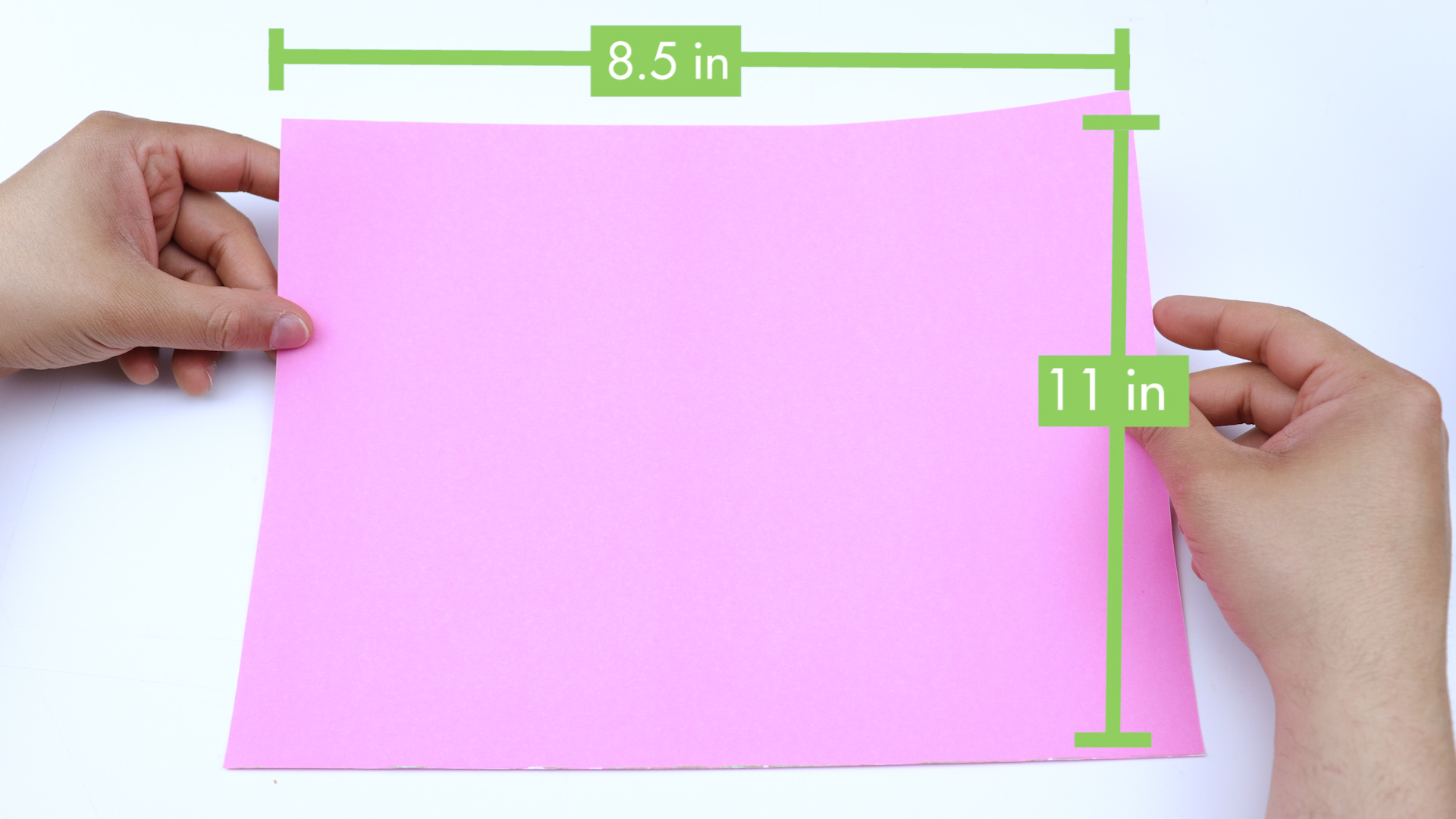
- Printer paper (8.5″ x 11″) for Method 1
- Thinner paper (newspaper, notebook paper, or lightweight copy paper) for Method 2
- Toilet paper roll or paper towel tube for Method 3
- Scissors and tape (Method 3)
- Balloon (Method 3)
- Confetti (optional, Method 3)
Quick safety checklist
- Mind your ears. These can get surprisingly loud in small rooms. Keep the sound comfortable and take breaks.
- Don’t aim at faces. Especially with the tube popperconfetti in someone’s eyes is not the party vibe.
- Ask before you pop. Paper poppers are fun, but “startling people on purpose” gets old fast (and can get you in trouble).
- Use scissors carefully. If you’re younger or helping younger kids, have an adult handle the cutting.
Method 1: Folded Pocket Paper Popper (The Loud Snap)
This classic paper popper (sometimes called a paper snapper or paper banger) is the one you swing downward like a tiny whip.
The “pop” happens when an inner flap flips quickly and slaps the airkind of like snapping a towel, but way more classroom-friendly
(as long as you’re not using it in class).
Best for
- One-sheet DIY noisemaker that’s reusable
- STEM experiments (paper type, fold tightness, technique)
- Anyone who loves a dramatic wrist flick
Step-by-step: how to fold it
- Start with one sheet of printer paper. Lay it flat in front of you (landscape orientation works well).
-
Make a long center crease. Fold the paper in half lengthwise (hot-dog style), press the crease firmly, then unfold.
That crease is your guide. -
Build a thick strip on one side.
Pick one long side (let’s say the left edge). Fold that edge in toward the center crease. Crease sharply.
Then fold it in again (toward the center) to make a thicker strip. Fold one more time if needed so you end up with a sturdy,
narrow band of paper along that side. -
Fold the rest over like a book.
Fold the remaining wide section of the paper over the thick strip so it covers it. You should have a compact rectangle,
with a small “flap” or thicker edge created by the layered strip. -
Shape the “pocket” end.
At the end where the flap is, fold the two bottom corners inward toward the middle so they meet near the bottom center of the rectangle.
Crease firmly. (This often creates a rounded, heart-ish shape on that end.) -
Check the grip.
Hold the popper near the folded “pocket” end. The opposite end should be more open/flat.
How to make it pop
- Hold the pocket end. Your thumb and fingers should pinch the thick end securely.
-
Snap downward. Swing your arm down in a quick, confident motion (like snapping a towel).
Keep the popper angled slightly forward, not straight down. -
Listen for the pop. If it’s quiet at first, don’t panicmost paper poppers need a couple “warm-up snaps.”
Tighten creases, adjust your angle, and try again.
Mini upgrades
- Sharper creases = louder snap. Use a fingernail or the edge of a ruler to press folds.
- Try different paper weights. Standard printer paper is a great baseline, but slightly thinner paper can whip faster.
- Decorate after it works. Test first. Then add stickers or doodles so you’re not folding over thick marker ink.
Method 2: Bang Paper (The 30-Second Popper)
This one is the “instant ramen” of paper poppers: quick, simple, and surprisingly satisfying. It works best with thin paper
(newspaper is the MVP) because thin paper flexes faster, which helps create a sharper, snappier pop.
Best for
- Fast DIY paper popper for groups (parties, classrooms, camps)
- Using scrap paper you don’t mind tearing
- That moment when you want a pop now
Step-by-step: fold and tear
- Grab a sheet of thin paper. Newspaper works great. Regular printer paper can work, but it’s stiffer.
- Fold the top half down. Make a horizontal fold so the top edge comes down toward the bottom edge. Crease firmly.
- Fold it down again. Repeat the same fold once more. You should now have a smaller rectangle with four layers.
-
Separate the inner layers.
At the open side (not the folded spine), find the two layers in the middle and tear them off with a strong pull to the side.
You should be left holding the two outer layers together. - Hold by a corner. Pinch a corner firmly so the paper hangs like a small flag.
- Snap it downward. Bring it down quickly through the air. The rapid movement creates the pop.
If you don’t get a pop the first time
- Try thinner paper. This method is pickythin paper usually pops better.
- Increase speed, not force. A fast motion is more important than muscling it.
- Check your tear. If you tore unevenly, the paper may flutter instead of snapping. Refold and try again with a fresh sheet.
Fun variations
- Make a “pop test” lineup. Try newspaper vs. notebook paper vs. printer paper and compare volume.
- Team challenge. Who can get the loudest pop using only one sheet and two folds?
Method 3: Cardboard Tube Popper (Confetti Optional, Smiles Mandatory)
This is the party popper craft you’ve probably seen for New Year’s Eve or the Fourth of July: a cardboard tube plus a balloon “drum”
that you pull and release. You can keep it as a sound popper or add lightweight confetti for a mini confetti cannon
(the “cannon” is mostly vibes, not destruction).
Best for
- Parties, celebrations, and kid-friendly “fireworks alternatives”
- Craft time where decorating is half the fun
- Anyone who likes a pop and a payoff (confetti)
What you’ll need
- Toilet paper roll (or cut a paper towel roll into smaller tubes)
- 1 balloon
- Scissors
- Tape (packing tape or masking tape)
- Optional: confetti (or small bits of paper/foil)
- Optional: colored paper, stickers, markers, washi tape for decorating
Step-by-step: build the popper
- Tie a knot in the balloon. Do it like you’re sealing air inside (even though it’s empty).
- Cut off the balloon’s tip. Snip off the rounded end (the part opposite the knot) so you create a stretchy ring.
- Stretch the balloon over one end of the tube. Pull it tight like a drum skin over the opening.
- Secure with tape. Wrap tape around the balloon edge so it stays put when you pull back the knot.
- Decorate the tube. Wrap with colored paper or add stickersjust keep the balloon end clear so it can flex.
- Add confetti (optional). Pour in about 2–3 tablespoons of lightweight confetti. (Too much can jam it.)
How to “launch” it
- Aim up. Point the open end toward the sky (or at least toward a place you don’t mind cleaning).
- Pull the balloon knot down. Gently stretch it away from the tube to build tension.
- Let go. POPconfetti flies, joy happens, someone inevitably says, “Do it again!”
Make it less messy (and more outdoors-friendly)
- Use bigger confetti. Larger pieces are easier to sweep than micro-confetti that becomes household folklore.
- Try biodegradable options. Paper confetti or natural materials can be easier on outdoor spaces.
- Do a “confetti catch” challenge. Put a laundry basket a few feet away and see if you can pop confetti into it.
Troubleshooting and Pro Tips for a Louder Paper Popper
Tip 1: Creases matter more than charisma
Sharp folds help the paper move in a clean, snappy way. If your popper sounds more like a sigh than a snap, reinforce the creases.
Press firmly with a fingernail, the edge of a ruler, or a spoon.
Tip 2: Paper choice is basically “sound settings”
Different paper types change the pop. Thinner paper can whip faster (sharper snap). Medium paper (printer paper) is sturdy and reliable.
Thick cardstock may resist the quick flip needed to pop, especially for folded snappers.
Tip 3: Speed beats strength
Most pops are about fast motion, not brute force. Think “snap a towel,” not “smash a bug.”
A quick, clean swing makes a bigger difference than slamming your arm down.
Tip 4: Angle is your secret weapon
If you swing straight down, the air can’t “catch” the flap as effectively. Try snapping at a slight forward angle so the popper slices
through air instead of simply dropping.
Tip 5: For tube poppers, don’t overfill
Confetti is fununtil it becomes a clog. Start with 2 tablespoons, test, then add more if it still launches cleanly.
Also, the balloon needs to be stretched tight and taped well so it acts like a springy membrane.
Common mistakes (and quick fixes)
- “It won’t pop.” Tighten creases, use thinner paper (Method 2), or increase swing speed (Methods 1–2).
- “It pops once, then dies.” Re-crease the pocket/flap area. Paper can “soften” after repeated snaps.
- “My tube popper shoots nothing.” Use lighter confetti, reduce the amount, and pull the knot back farther (gently).
- “It’s too loud.” Use it outdoors, reduce snap speed, or choose a softer paper that makes a gentler sound.
Why It Pops: The Quick Science Behind Paper Poppers
A paper popper is basically a tiny sound machine. Sound is a mechanical wave created when particles (like air) vibrate.
When you snap a folded paper popper, a flap moves fast enough to suddenly push and compress the surrounding airmaking a short,
punchy pressure wave. Your ears detect that pressure wave as a “pop.”
Tube poppers add another trick: the balloon acts like an elastic membrane that stores energy when stretched and releases it quickly.
The tube can also help amplify the sound by directing the pressure wave, similar to how some simple instruments use tubes
to shape sound.
Make it a mini experiment
- Change one variable. Paper type, fold tightness, swing speed, or pull distance (tube popper).
- Test and record. Which version is loudest? Which is most reliable?
- Explain the result. Was the pop sharper because the paper moved faster? Because the flap was stiffer? Because the tube “focused” the sound?
Bonus: If you have a phone decibel meter app, you can compare pops. Keep volumes comfortablescience is cooler when your ears aren’t ringing.
Extra: of Paper Popper Moments (The Fun, The Fails, The “Aha!”)
Paper poppers have a universal storyline. First, you fold one with confidence. Then you snap it… and it makes a sound that can only be
described as “polite.” Not a pop. Not even a snap. More like the paper cleared its throat.
That’s usually when the real experience begins: you become a crease perfectionist. You run your fingernail along the folds like you’re
sealing an ancient scroll. You refold. You re-crease. You test again. And suddenlyPOP!the paper goes from shy to dramatic
in one wrist flick. It’s weirdly satisfying because the improvement feels earned. You didn’t just make noise; you engineered it.
If you’re making poppers with friends or family, the room naturally turns into a “pop lab.” Someone insists thinner paper is louder.
Someone else swears printer paper is more reliable. Then there’s always one person who’s somehow a popper wizard and gets a perfect snap
every time, like they were born with a built-in metronome and a physics degree.
The funniest part is how technique becomes a personality test. Some people snap their popper like a tiny whip. Others do a cautious half-swing
like they’re afraid the paper might file a complaint. And then there’s the overachiever who winds up like they’re pitching in the World Series,
which is a great way to discover that “louder” and “more chaotic” are close cousins.
The tube popper brings its own special brand of joy. Decorating the tube starts innocentmaybe some stripes, a few stickers. Five minutes later,
you’ve got a full theme: “galaxy popper,” “birthday confetti blaster,” “patriotic sparkle cannon,” or “this is definitely going to shed glitter
until 2037.” The first confetti launch is always met with a cheer, and the second launch is usually followed by an immediate negotiation:
“Okay, but who’s cleaning this up?”
There’s also a surprisingly wholesome moment when you realize the popper is more fun when everyone’s in on it. The best pops don’t come from
startling someone who didn’t ask for itthey come from a countdown, a shared laugh, and that tiny second of suspense right before you let go.
It’s low-tech fun that feels almost refreshing in a world where everything else needs charging.
And once you’ve made one paper popper successfully, you start seeing them everywhere: as a quick boredom buster, a DIY party favor,
a science demo, or just a reminder that a single sheet of paper can still deliver a little magicno batteries required.
Conclusion
Paper poppers are proof that the simplest crafts can be the most fun. Whether you choose the folded pocket snapper, the speedy bang paper,
or the tube popper with optional confetti, you’re getting a DIY noisemaker that doubles as a mini science lesson. Start with one method,
master the motion, then experiment with paper types and technique until you find your perfect pop.