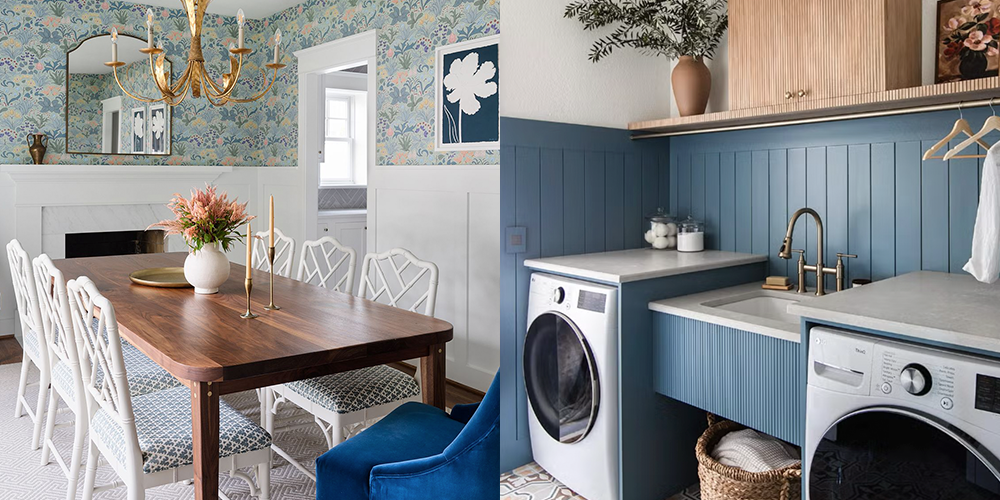

If your walls feel a little… emotionally unavailable (blank, flat, giving “rental beige” energy), wainscoting is the
easiest way to make them commit. It adds instant architecture, protects the lower wall from daily chaos, and makes
even a basic room look like it has a personal stylist.
The best part: wainscoting isn’t one look. It can be traditional and formal, clean and modern, coastal, farmhouse,
or “I just want my hallway to stop looking like an airport corridor.” Below are 22 wainscoting ideasplus practical
tips on heights, colors, and where each style shinesso you can choose something that adds character without adding
regret.
Wainscoting 101: what it is and why it works
Wainscoting is a decorative wall treatment that typically covers the lower portion of a wall using panels, boards,
or trim. Historically, it helped insulate and protect walls; today, it still earns its keep by adding depth,
texture, and a built-in “finished” look to a room. It’s also great at hiding minor drywall sins (scuffs, dings, the
mysterious gouge that definitely wasn’t from moving a couch… probably).
Quick design rules that keep it looking intentional
Pick a height that matches your room (not a random vibe)
A classic guideline is to set wainscoting around one-third of the wall height, then adjust based on ceiling height,
furniture scale, and how dramatic you want the effect. In many homes, that lands somewhere in the low-30-inch range
for 8-foot ceilings and closer to 36 inches with 9-foot walls. Taller installations (half-wall to two-thirds height)
can feel especially luxe in dining rooms, stairways, and entrywaysbasically any space that wants to feel more
“architectural” without doing a full renovation.
Decide what you want it to do
- Make a room feel taller: use vertical details (board and batten, vertical beadboard) and consider going higher.
- Make a room feel cozier: keep it to chair-rail height and use warmer colors or natural wood.
- Hide chaos: choose thicker profiles, deeper panels, or a darker lower color that doesn’t show scuffs.
- Modernize: pick flat panels, thin trim, oversized spacing, or geometric layouts.
Choose materials like a realist
Solid wood is classic, but engineered options (like MDF) can be budget-friendly and paint beautifully. In wet or
splash-prone rooms, prioritize moisture resistance and a wipeable finish. Translation: your bathroom wainscoting
shouldn’t be a science experiment by next winter.
Paint and sheen matter more than you think
Wainscoting has shadows and edges, so paint sheen changes the whole look. A slightly higher sheen on the paneling
(compared to the wall above) can highlight the detail without screaming “look at me!” If you want a moodier,
designer feel, deeper colors or even near-black can look stunningespecially when balanced with lighter walls, bright
art, or warm metals.
22 wainscoting ideas you can steal
1) Classic raised-panel wainscoting for instant “formal room” energy
Raised-panel wainscoting is the tailored blazer of wall treatments: structured, traditional, and always appropriate
when you want a dining room or foyer to feel elegant. Pair it with a crisp white paint for a timeless look, or paint
it a deep color for a historic, library-like vibe.
2) Flat-panel (Shaker-style) for clean, transitional interiors
Love the idea of wainscoting but don’t want your room to feel like an 1800s courtroom? Flat panels (often called
recessed or Shaker-style) give you the architectural lines with a modern, calm finish. Great for living rooms,
bedrooms, and open-concept spaces where you want subtle structure.
3) Picture-frame molding panels that feel custom (but can be DIY-friendly)
Picture-frame wainscoting uses trim to “draw” rectangles on the wall. It’s airy, elegant, and works especially well
in hallways, staircases, and dining rooms. Keep the frames evenly spaced for a classic lookor oversized for a more
modern, editorial feel.
4) Board-and-batten wainscoting for modern farmhouse (and beyond)
Board-and-batten is made for people who want bold lines and instant character. It’s popular in entryways and
hallways because it adds height and impact fast. Paint it white for that bright, clean lookor match it to the wall
color for a more modern, monochrome moment.
5) Extra-tall board-and-batten with a ledge rail
Take board-and-batten highersometimes up to about 5–6 feetand top it with a wider ledge rail instead of a standard
chair rail. It adds drama and gives you a display shelf for framed art, ceramics, or seasonal decor (aka the grown-up
version of a sticker collection).
6) Beadboard wainscoting for cottage, coastal, or “fresh and friendly” rooms
Beadboard brings texture without heaviness. It’s a natural fit for bathrooms, laundry rooms, mudrooms, and kitchens.
Keep it white for a classic feel, or go unexpected with a bold color for a modern twist.
7) Vertical beadboard to visually lift low ceilings
Vertical lines naturally draw the eye upward, making rooms feel taller. If you have a small powder room, a narrow
hallway, or a cozy breakfast nook, vertical beadboard can create that “oh, this room has intention” effect without
adding clutter.
8) Beadboard “waterfall” treatment (floor to ceiling and onto the ceiling)
For a striking, modern reinvention: run beadboard continuously up the wall and across the ceiling in a seamless
wrap. This works especially well in kitchens or small rooms where you want one bold material move to define the
space. It’s unexpected, architectural, and quietly dramatic.
9) Two-tone wainscoting with a soft band of color above
Instead of stopping with the cap rail, add a painted band (or small section) in a complementary color above the
wainscoting. This looks especially good in dining rooms where you want a little extra design interest without
wallpaper. Think: white wainscoting, then a pale blue band, then a lighter wall color above.
10) Wainscoting + wallpaper above for high style without full commitment
Wainscoting on the bottom, wallpaper on top is a classic pairing because it balances pattern with structure. It’s a
great solution if you love bold wallpaper but fear living in it forever. Use it in powder rooms, dining rooms, or
bedrooms where you want a statement that still feels grounded.
11) Frame the fireplace with wainscoting panels
If your fireplace wall feels like it’s missing something, paneling can create a built-in “feature wall” effect.
Symmetrical panels on either side of the fireplace can make the whole room feel more deliberatelike the room got an
interior design degree.
12) Wrap a staircase wall for instant “custom home” vibes
Staircases are prime wainscoting territory because the long wall is basically begging for dimension. Choose
picture-frame molding for elegance or board-and-batten for boldness. Bonus: it helps protect the wall from hands,
backpacks, and whatever else is ricocheting upstairs.
13) Mudroom wainscoting as a stylish backboard for hooks and benches
Wainscoting in a mudroom isn’t just prettyit’s practical armor. Add hooks above, a bench in front, and you’ve got a
hardworking drop zone that doesn’t look like a pile of problems.
14) Half-wall wainscoting in a hallway to break up “endless corridor” syndrome
Long hallways can feel like they go on forever. Half-wall paneling adds rhythm and shadow that makes the space feel
designed. Keep the top half lighter to avoid shrinking the hallway visually.
15) Dark wainscoting with light walls for dramatic contrast
A deep navy, charcoal, forest green, or near-black on the lower portion creates an upscale contrastespecially in
dining rooms and entryways. It also hides scuffs like a champ. Pair it with warm lighting and art to keep it
inviting, not gloomy.
16) Monochrome wainscoting (same color, different sheen)
Want detail without high contrast? Paint the walls and wainscoting the same color, then use a slightly glossier
finish on the trim/panels. The difference shows up through light and shadowsubtle, modern, and very “designer who
whispers.”
17) Natural wood or stained wainscoting for warmth
Painted wainscoting gets all the attention, but natural wood can look incredibleespecially in studies, dens, and
dining rooms. It adds warmth and texture that pairs well with stone, leather, linen, and vintage accents.
18) Tile wainscoting in bathrooms for a durable, wipeable finish
In splash zones, tile can mimic the look of wainscoting while giving you serious durability. Choose rectangular tile
in a stacked or vertical layout for a clean look, or go classic with smaller tiles. It’s an easy way to make a
bathroom feel finishedand less afraid of water.
19) “Skinny rail” modern wainscoting with thin trim
Traditional profiles can feel heavy in modern homes. Swap thick moldings for slimmer trim pieces and keep the panel
layout simple. This works beautifully in contemporary spaces, especially when paired with minimal furniture and
modern lighting.
20) Geometric trim patterns for a bold, modern accent
If you like the idea of wainscoting but want something more artistic, use trim to create geometric patterns
diagonals, chevrons, grids, or asymmetrical rectangles. It’s a statement wall that still feels architectural, not
like a temporary trend.
21) Bedroom wainscoting as a headboard wall alternative
Paneling behind the bed can replace a headboard visually (or enhance one). Go with picture-frame molding for classic
charm, or tall board-and-batten for drama. It’s especially effective in rooms where you want “hotel” style without
buying a new bed.
22) Kitchen or breakfast nook wainscoting to define a cozy eating zone
In an eat-in kitchen, wainscoting can make a breakfast nook feel like its own destination. Beadboard is a classic
choice, but flat panels look great in more modern homes. Add a banquette, a small table, and suddenly your kitchen
has a “favorite spot.”
How to choose the best wainscoting idea for your space
Start with architecture and lifestyle. If your home leans traditional (or you want it to), raised panels and
picture-frame molding feel natural. If you live in a modern or transitional space, flat panels, skinny trim, or
monochrome treatments often look more “right.”
Next, look at traffic and mess potential. Hallways, mudrooms, and kids-and-pets zones benefit from sturdier profiles
and darker paint. Bathrooms and laundry rooms do best with moisture-smart materials and finishes. And if you’re
experimenting, try one contained space firstpowder rooms and stairways are perfect “small but mighty” test zones.
Real-life lessons from wainscoting projects (the part you’ll be glad you read)
People rarely regret adding wainscoting. They do regret rushing the planning, skipping the level line, or
assuming every wall is straight (spoiler: some walls are committed to chaos). One of the most common “why does this
look off?” issues is height. When wainscoting lands at an awkward spotcutting across window trim, landing just below
a light switch, or hovering oddly behind a chairit can feel accidental. A quick mock-up with painter’s tape is
boring, yes. It’s also cheaper than redoing an entire room because you didn’t like where the top rail hit.
Another real-world surprise: outlets and vents. They always land exactly where you don’t want them. The easiest fix
is deciding early whether you’re okay with outlet covers sitting on top of the paneling (fine!) or if you want to
relocate outlets (less fine, more complicated). If you’re keeping them, plan your panel layout so trim doesn’t
awkwardly collide with a cover plate. The goal is “intentional,” not “the outlet won this battle.”
Then there’s the “old house” factor. Older homes are full of tiny inconsistenciesfloors that slope, corners that
aren’t 90 degrees, baseboards that vary slightly. Wainscoting can still look amazing, but it rewards patience.
Measuring from the floor in multiple spots and snapping a consistent level line helps the top rail look crisp even if
the floor waves like the ocean. If you follow the floor instead, your eyes will spot the tilt immediately (and you’ll
never unsee it).
Paint is where the magic really happens. The cleanest installs can still look “DIY-in-progress” if nail holes aren’t
filled smoothly or seams flash through paint. A little time spent on filling, sanding, and priming makes the finish
look professional. And don’t underestimate sheen: a slightly higher sheen on the wainscoting is more wipeable and
shows off the detail. In busy homes, that practical upgrade feels like a life hack.
Finally: pick an idea that matches how you actually live. If your hallway is a backpack runway, go sturdier and
darker. If your dining room is for holidays and takeout sushi, choose the style that makes you happy when you walk
in. Wainscoting is one of those rare upgrades that can be both beautiful and usefullike a design choice that also
understands your schedule.
Conclusion
Wainscoting is the design equivalent of adding punctuation to a sentence: suddenly the room makes sense. Whether you
go classic with raised panels, bright with beadboard, bold with tall board-and-batten, or modern with monochrome and
skinny trim, the right wainscoting idea adds depth, character, and a finished feeling that paint alone can’t match.
Choose your height thoughtfully, match the style to your home’s architecture, and don’t skip the unglamorous prep
work. Do that, and you’ll end up with walls that look customwithout needing a custom-home budget.