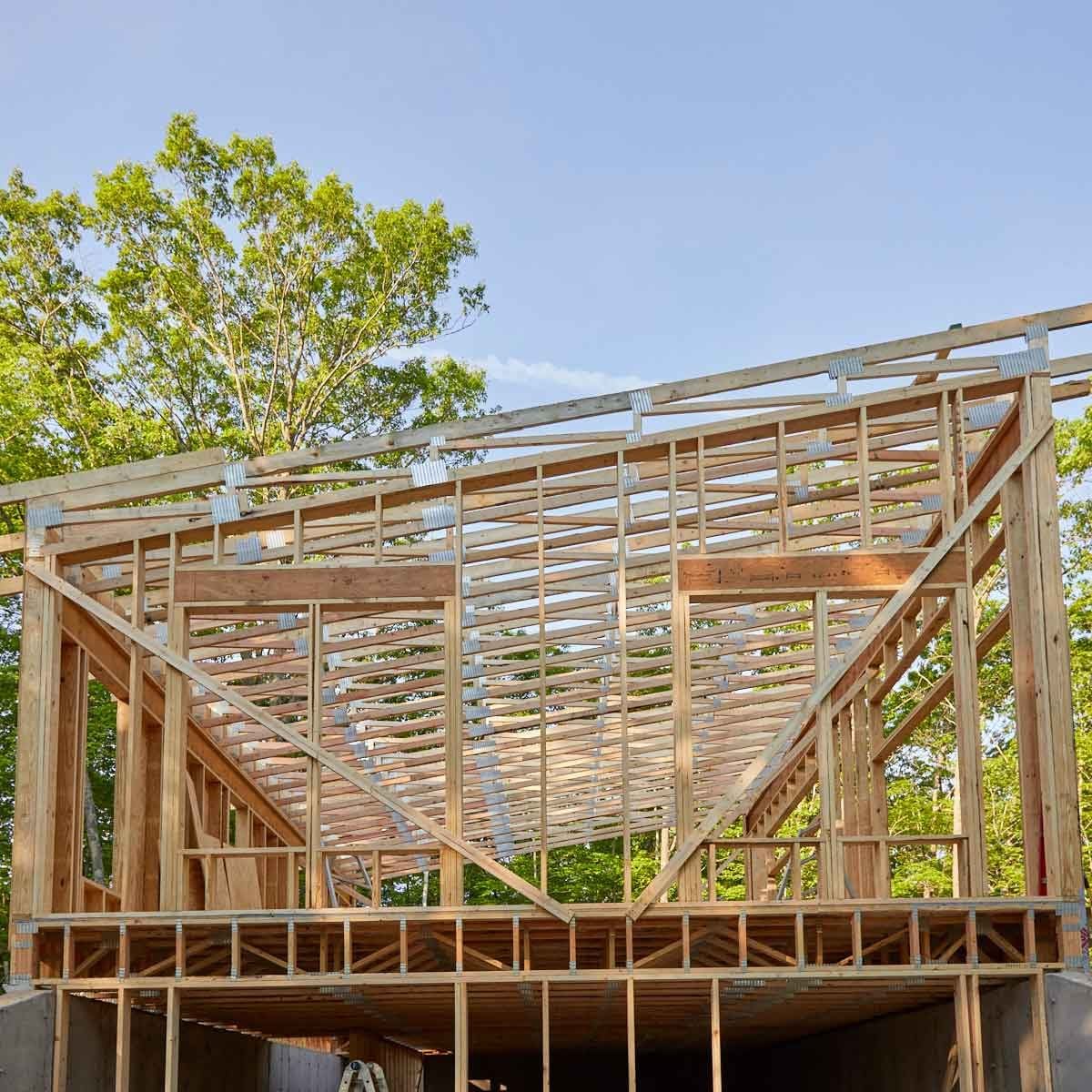

House framing is the skeleton of a home. You may never see most of it once the drywall, siding, insulation, and trim move in like well-dressed guests at a party, but framing decides how the house stands, how rooms feel, where windows and doors go, and whether the floor bounces like a trampoline or feels solid under your feet.
Learning common house framing terms is useful whether you are planning a remodel, reviewing a contractor’s estimate, walking through a new build, or simply trying to understand why everyone on site keeps pointing at pieces of wood and calling them by names that sound like medieval job titles: king stud, jack stud, cripple stud, collar tie. Yes, framing has drama.
This guide explains 20 essential house framing terms in plain American English, with practical examples and homeowner-friendly context. You do not need to become a carpenter overnight. But knowing these words can help you ask better questions, understand drawings, spot potential issues, and avoid nodding confidently while secretly wondering whether a “rim joist” is a fancy exercise move.
Why House Framing Terms Matter
Framing terms describe the structural parts that transfer weight through a house. Roof loads move to rafters or trusses, then to walls, then to floors, beams, posts, foundations, and soil. Openings for windows and doors need special framing so the wall does not sag. Floors need joists and beams so they can span open areas. Exterior walls need sheathing and bracing so they can resist wind and racking forces.
When you understand the language, a construction conversation becomes clearer. “The header needs proper bearing on jack studs” stops sounding like someone ordering lunch at a lumberyard and starts meaning: the beam above the opening must be supported correctly.
20 Common House Framing Terms You Should Know
1. Framing
Framing is the structural assembly of a house, usually made from dimensional lumber, engineered wood, steel, or a combination of materials. In many American homes, the framing includes floors, walls, ceilings, and roofs. It creates the shape of the house and provides support for everything attached to it, including drywall, cabinets, windows, siding, insulation, plumbing, wiring, and roofing.
Think of framing as the home’s bones. A beautiful kitchen is nice, but without sound framing behind it, those cabinets are just very expensive wall decorations waiting for gravity to make a point.
2. Platform Framing
Platform framing is the most common wood-framing method used in modern residential construction in the United States. Each floor is framed as a platform, and the walls are built on top of that platform. A first-floor deck is built, then first-floor walls go up, then the second-floor deck is framed, and so on.
This method is popular because it is efficient, relatively safe for crews, and compatible with standard lumber sizes. It replaced older balloon framing in most areas because balloon framing used long continuous wall studs that ran from the foundation to the roof, which could create fire-spread concerns if not properly blocked.
3. Load-Bearing Wall
A load-bearing wall supports weight from above. That weight may come from the roof, upper floors, ceiling joists, beams, or other structural elements. Remove a load-bearing wall without proper support, and the house may respond with cracks, sagging, or a very rude collapse.
Not every wall is load-bearing. Some interior walls are partitions that divide space without carrying major structural loads. However, you should never assume a wall is non-load-bearing just because it looks ordinary. Before removing or widening a wall, consult a structural professional or qualified contractor.
4. Stud
A stud is a vertical framing member in a wall. Studs are usually made from 2×4 or 2×6 lumber and are commonly spaced 16 or 24 inches on center, depending on design, code requirements, load, wall height, and energy goals.
Studs support wall surfaces, help transfer loads, and provide attachment points for drywall, sheathing, electrical boxes, cabinets, trim, and more. When someone says, “Find a stud before hanging that shelf,” they are trying to save you from attaching 40 pounds of books to half an inch of drywall and hope.
5. On Center
On center, often written as O.C., describes spacing measured from the center of one framing member to the center of the next. For example, studs at 16 inches on center means the centerline of each stud is 16 inches from the centerline of the next stud.
This matters because building materials are sized around predictable spacing. Drywall and sheathing panels are often 4 feet wide, so framing laid out at 16 or 24 inches on center lines up neatly with panel edges. When layout is accurate, installation is faster, waste is lower, and fewer people mutter things under their breath.
6. Bottom Plate or Sole Plate
The bottom plate, also called a sole plate, is the horizontal board at the bottom of a framed wall. Studs are nailed or fastened into it. In interior walls, the bottom plate sits on the subfloor. In some basement or slab applications, the bottom plate may be fastened to concrete and should typically be pressure-treated when in contact with concrete, depending on local code and conditions.
The bottom plate helps keep the wall straight, anchors the studs, and transfers loads down into the floor or foundation system below.
7. Top Plate
The top plate is the horizontal framing member at the top of a wall. Many standard wood-framed walls use a double top plate, meaning two boards stacked flat. The top plate ties wall studs together and helps distribute loads from above.
In advanced framing, a single top plate may be used when roof, wall, and floor framing members are aligned and properly connected. That approach can reduce lumber use and improve insulation space, but it requires careful planning. In other words, “less wood” is not the same as “randomly skip boards and hope the house admires your minimalism.”
8. Sill Plate
A sill plate is the horizontal board anchored to the top of a foundation wall. It provides the connection between the foundation and the wood framing above. Sill plates are commonly pressure-treated because they sit close to concrete and potential moisture.
Anchor bolts, washers, and other connectors are often used to secure the sill plate to the foundation. This connection is important because the house must resist not only gravity but also wind, seismic forces in some regions, and movement over time.
9. Joist
A joist is a horizontal framing member used to support floors or ceilings. Floor joists span between beams, walls, or other supports and carry the subfloor and live loads such as furniture, people, pets, and that treadmill you promised you would use.
Joists may be solid sawn lumber, engineered I-joists, or floor trusses. Their size, spacing, span, species, grade, and load rating all affect stiffness and strength. Overspanned or damaged joists can lead to bouncy floors, cracks, or structural concerns.
10. Rim Joist or Band Joist
A rim joist, also called a band joist, runs around the perimeter of a floor framing system. It caps the ends of the floor joists and helps keep them aligned. It also provides a nailing surface for wall framing and exterior sheathing.
The rim joist area is important for insulation and air sealing. In many homes, leaks at rim joists can make floors cold and rooms drafty. Structurally, rim joists also help transfer loads and tie the floor assembly together.
11. Beam or Girder
A beam, sometimes called a girder, is a large horizontal structural member that carries loads from joists, walls, roofs, or other beams. Beams may be solid lumber, built-up dimensional lumber, steel, laminated veneer lumber, glulam, or other engineered products.
Beams are commonly found in basements, crawl spaces, garages, great rooms, and areas where open spans are desired. When a wall is removed to create an open floor plan, a properly sized beam often takes over the job that the wall used to do.
12. Post or Column
A post or column is a vertical structural support that carries loads from a beam or other framing member down to the foundation or footing. Posts may be wood, steel, concrete, or engineered materials.
Posts are easy to underestimate because they can look simple. But their placement, bearing, connection, and footing matter. A post sitting on a weak floor without proper support below is like a strong person standing on a cardboard box: impressive for a moment, then noisy.
13. Header
A header is a horizontal structural member installed over an opening such as a window, door, or pass-through. Because studs are interrupted by openings, the header carries the load over the opening and transfers it to supporting framing on each side.
Headers may be built from dimensional lumber, engineered wood, or other approved materials. Header size depends on opening width, loads above, building design, snow loads, roof configuration, number of floors, and local code. A small closet door and a wide patio door do not need the same structural treatment.
14. King Stud
A king stud is a full-height stud located on each side of a window or door opening. It runs from the bottom plate to the top plate and helps frame the opening. The header is installed between the king studs, while shorter supporting studs sit inside them.
King studs help keep openings stable and provide attachment points for surrounding framing. The term sounds royal, but the job is practical: stand tall, stay straight, and make the opening behave.
15. Jack Stud or Trimmer Stud
A jack stud, also called a trimmer stud, is the shorter vertical framing member that supports the header at a door or window opening. It sits inside the king stud and transfers the load from the header down to the bottom plate or floor system.
For wider openings or heavier loads, more than one jack stud may be required on each side. If a header is the bridge over the opening, jack studs are the bridge supports. Without them, the header has nowhere useful to deliver the load.
16. Cripple Stud
A cripple stud is a short stud used above or below an opening. You may find cripple studs above a window or door header, or below a window sill. They fill in the wall framing where a full-height stud cannot fit.
Cripple studs help support wall finishes and maintain framing layout. They also provide backing for drywall, sheathing, and trim. The name is old-school construction vocabulary, but the function is still common in modern framing.
17. Rough Opening
A rough opening is the framed opening for a window, door, attic access, or other installed component before the finished unit goes in. It is intentionally larger than the actual window or door unit to allow for shimming, leveling, plumbing, fastening, and slight adjustments.
For example, a prehung door needs enough room to be squared in the opening. If the rough opening is too tight, installation becomes a wrestling match. If it is too large, the installer may need extra blocking or filler. The goal is “room to adjust,” not “Grand Canyon with hinges.”
18. Sheathing
Sheathing refers to panels attached to the outside of wall framing, roof framing, or floor framing. Common materials include plywood and oriented strand board, also known as OSB. Wall sheathing adds strength, provides a base for weather barriers and siding, and helps resist racking forces caused by wind or seismic movement.
Roof sheathing supports roofing materials. Floor sheathing becomes the subfloor surface. Proper fastening is critical because sheathing does not perform well if it is casually tacked on like a poster in a college dorm room.
19. Rafter
A rafter is a sloped roof framing member that runs from the ridge area down to the exterior wall. Rafters support roof sheathing and roofing materials. In some homes, individual rafters are cut and installed on site. In many modern homes, pre-engineered roof trusses are used instead.
Rafters must be sized for span, spacing, roof load, snow load, roofing material, and ceiling conditions. A rafter may include a birdsmouth cut where it bears on the wall plate, but cuts must be made carefully so the member is not weakened.
20. Ridge Board, Ridge Beam, and Ties
A ridge board is a non-structural or lightly loaded board at the peak of a roof where opposing rafters meet. It helps align rafters during construction. A ridge beam, by contrast, is structural and supports roof loads, often carrying them to posts or bearing walls.
Rafter ties and collar ties are related roof-framing terms that are often confused. Rafter ties are usually installed lower in the roof assembly to help resist outward thrust at the walls. Collar ties are higher and help resist uplift or separation near the ridge. The details depend on the roof design, so this is one area where drawings, code, and engineering really matter.
How These Framing Parts Work Together
A framed house is not a pile of boards; it is a load path. Roof loads move through rafters or trusses into walls. Wall studs transfer loads down into plates, floors, beams, and foundations. Headers redirect loads around openings. Joists carry floor loads to beams or bearing walls. Sheathing stiffens the structure and helps keep the building square.
This is why one small change can affect several other parts. Widening a doorway may require a larger header. Removing a post may require a new beam. Cutting a joist for plumbing may require reinforcement. A framing system works because pieces are sized, spaced, connected, and supported in relation to one another.
Common Mistakes Homeowners Should Watch For
Assuming Every Wall Can Be Removed
Open-concept living is popular, but not every wall is begging for retirement. A wall may carry ceiling joists, roof loads, or floor loads from above. Before demolition, confirm whether the wall is load-bearing and what support is required after removal.
Cutting or Notching Framing Without Guidance
Plumbers, electricians, and HVAC installers often need holes through framing, but there are limits. Improper notching or boring can weaken studs, joists, rafters, and beams. Holes should be placed and sized according to code and manufacturer rules, especially in engineered wood products.
Ignoring Moisture Around Wood Framing
Wood framing needs protection from chronic moisture. Wet framing can lead to swelling, rot, mold, fastener corrosion, and finish problems. Sill plates, rim joists, wall sheathing, and roof sheathing all deserve special attention because they are near exterior conditions or moisture sources.
Confusing Cosmetic Cracks With Structural Problems
Some drywall cracks are minor settlement or seasonal movement. Others may indicate framing movement, foundation issues, undersized beams, or moisture damage. The pattern matters. Diagonal cracks near openings, sagging floors, sticking doors, and recurring cracks deserve a closer look.
Practical Examples of Framing Terms in Real Projects
Imagine you want to add a larger kitchen window. The contractor talks about the rough opening, king studs, jack studs, and header. Now you know the opening is not just a hole; it is a carefully framed space. The header carries weight over the window, jack studs hold the header, king studs frame the sides, and cripple studs fill the remaining wall space.
Or suppose your basement floor feels bouncy. A contractor may inspect joist size, joist span, beam placement, and post support. The problem might not be the flooring at all. It could be that the joists span too far, the beam is undersized, or a support post is missing proper bearing.
During an attic remodel, the terms change again. Rafters, ridge boards, collar ties, rafter ties, ceiling joists, and roof loads become the main characters. Cutting a collar tie or ceiling joist because it is “in the way” can create structural problems. In framing, the board that annoys your design plan may be doing an important job.
of Experience: What Framing Teaches You Once You See It on Site
The first thing you learn around house framing is that straight lines are not automatic. A wall may look simple in a drawing, but on site every stud, plate, joist, and rafter has to be measured, cut, placed, fastened, and checked. Good framers are not just strong; they are patient with layout. They snap chalk lines, check square, crown lumber, measure diagonals, and think several steps ahead. The best crews make framing look fast because they did the thinking before the nail gun started singing.
Another lesson is that framing is where design dreams meet gravity. A homeowner may want a giant opening between the kitchen and living room, and that may be possible. But the load still needs a path. Maybe it takes a beam hidden in the ceiling. Maybe it needs posts at each end. Maybe the foundation below needs reinforcement. Framing does not say “no” just to be difficult. It says, “Fine, but where do you want me to put the weight?”
Walking through a framed house before insulation and drywall is one of the best educational moments in construction. You can see how rooms connect, where plumbing will run, where electrical boxes are placed, how windows are supported, and where mechanical systems fight politely for space. You also see why communication matters. A plumber drilling through the wrong joist, an electrician cutting too much from a stud, or an HVAC duct placed where a beam must go can create expensive corrections.
Framing also teaches humility. Wood moves. Concrete is not always perfect. Lumber can twist, bow, cup, or arrive with enough personality to deserve its own name. Existing houses are even more adventurous. Open an old wall and you may discover balloon framing, odd stud spacing, surprise blocking, old termite damage, mystery patches, or previous repairs performed by someone whose main tool was optimism.
The practical experience is this: do not judge framing only by how quickly it appears. Judge it by alignment, fastening, support, moisture protection, and coordination. Are walls plumb? Are openings sized correctly? Are joists properly bearing? Are beams supported all the way down to something solid? Is sheathing nailed according to the required pattern? Are holes and notches within limits? These details are not glamorous, but they decide whether the finished house feels crisp or constantly complains.
For homeowners, the best habit is to ask clear questions without pretending to be the site superintendent. “What supports this header?” “Is this wall load-bearing?” “Will that post carry down to a footing?” “Can we check the rough opening before the window arrives?” Good contractors usually welcome informed questions. They may not want a lecture from someone who watched three videos at midnight, but they appreciate clients who understand that framing is structural, not decorative.
In the end, learning house framing terms gives you x-ray vision. You start seeing the hidden structure behind finished walls. You understand why some changes are easy and others are expensive. You recognize that a home is not held up by luck, drywall, or positive thoughts. It is held up by a system of framing members doing their jobs quietly, day after day, like the world’s most dependable backstage crew.
Conclusion
Knowing these 20 common house framing terms can make remodeling, building, and home maintenance much less mysterious. Studs, joists, headers, plates, rafters, beams, posts, and sheathing are not random construction words. They are the vocabulary of the structure that keeps a house strong, square, and useful.
You do not need to memorize every code table or start correcting carpenters at breakfast. But when you understand the basics, you can read estimates more confidently, follow project conversations, ask smarter questions, and recognize when a proposed change needs professional review. In house framing, words matter because they point to real pieces of the load path. And the load path, unlike your favorite throw pillow, is not optional.
Note: Framing requirements vary by local building code, climate, lumber grade, engineered design, span, load, and site conditions. Use this guide for education, not as a substitute for approved plans, permits, inspections, or advice from a qualified contractor, engineer, or building official.