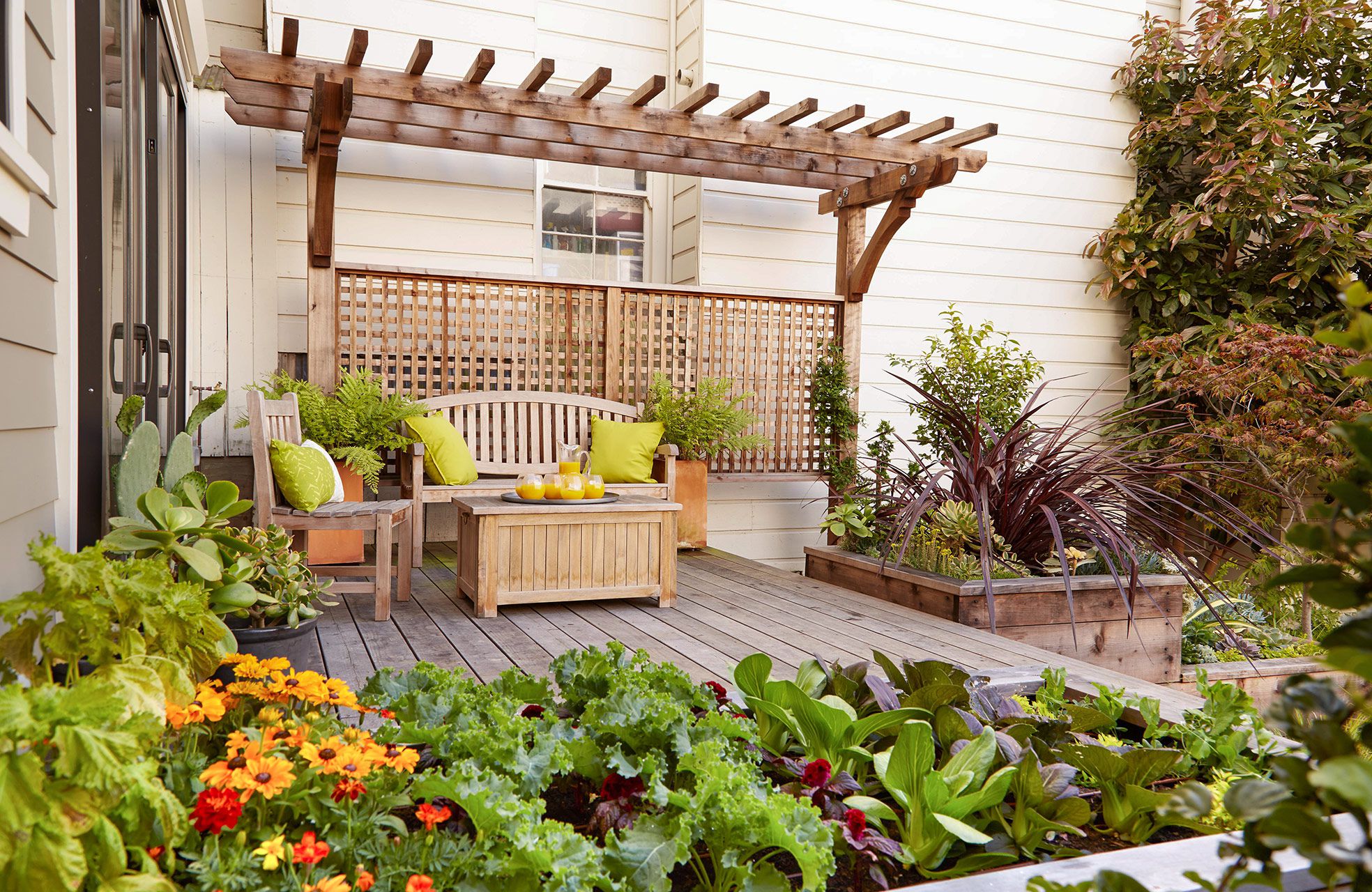

If your yard is tiny, congratulations: you have fewer mistakes to maintain. Small-space landscaping is less about having less and more about designing smarter. A compact plot can feel like a private resort, productive kitchen garden, and pollinator havenall at onceif you plan with intention.
This guide blends practical design strategy, small-yard case patterns, and real-world horticulture advice into a clear playbook you can actually use this weekend. You’ll get 16 small-space landscaping ideas, layout examples, common pitfalls, and an extended experience section to help you avoid expensive “why did I plant that there?” moments.
Whether you’re working with a townhouse patio, a narrow side yard, or a postage-stamp backyard, the goal is the same: make every square foot do double duty, and make it look effortless.
Start Here: The 20-Minute Small-Yard Planning Audit
1) Measure first, shop later
Before buying plants, map your space and sketch fixed elements (fence, downspout, AC unit, path, doors). Most small-space failures happen because people buy “cute” plants that become “respectfully aggressive” in year three.
2) Track sun like a detective
Mark which zones get full sun, part sun, and shade. Fruiting edibles (like tomatoes and peppers) need the brightest spots, while leafy crops and many ornamentals tolerate less light. Matching plant choice to sun exposure is the cheapest performance upgrade you’ll ever make.
3) Pick two primary functions
Trying to fit a dining room, dog run, soccer field, koi pond, and rose tunnel into 180 square feet is how tiny yards become chaotic. Choose two prioritiessuch as “entertain + herbs” or “play + privacy”then design around them.
4) Check hardiness and maintenance reality
Select plants proven for your climate and your energy level. If your ideal Saturday is coffee and a nap, skip high-maintenance divas and choose durable, climate-fit species, preferably with long seasonal interest.
16 Small-Space Landscaping Ideas to Make the Most of Your Plot
1) Divide the yard into “outdoor rooms”
Small spaces feel bigger when they have purpose-built zones. Use planters, benches, low hedges, or a change in paving texture to separate dining, lounging, and planting areas. Defined zones create psychological spaciousness and make the space feel intentional instead of improvised.
2) Build upward with vertical planting
Walls, trellises, fences, and pergolas are your square-foot multipliers. Train vines, hang pocket planters, or add slim espalier fruit. Vertical layers pull the eye up, increase privacy, and let you grow more without sacrificing floor space.
3) Choose scaled plants, not just small plants
“Dwarf,” “compact,” “columnar,” and “patio” varieties are your friends. Keep plant proportions in harmony with structures and paths. In tiny yards, one oversized shrub can visually swallow a whole design.
4) Use containers as flexible architecture
Think of containers as movable walls and seasonal decor. Grouping pots of mixed heights creates depth and lets you refresh color quickly. Go bigger when possible: larger containers dry out slower and support healthier root systems.
5) Install one narrow path with gentle curves
A slight curve or angled route reveals the space gradually, which makes a small yard feel deeper. A straight runway from door to fence exposes everything at once and shortens the visual journey.
6) Replace oversized lawn with layered planting + hardscape
In compact plots, tiny grass patches often become maintenance-heavy “green rugs.” Swap a chunk of turf for pavers, gravel, and dense planting beds. You’ll cut mowing time and gain usable living space.
7) Add a multi-functional seating edge
Built-in benches with hidden storage are elite small-yard moves. They provide seating, reduce furniture clutter, and hold tools, cushions, or toys. Bonus: seating along the perimeter opens the center and makes the space feel wider.
8) Design in groups of three (or five)
Instead of one of everything, repeat fewer plants in small drifts. Grouping reduces visual clutter, strengthens style, and makes maintenance more predictable. Variety is great; plant chaos is not.
9) Use a cool-forward color palette
Cool tones (blue, purple, silver-green) tend to recede visually, helping a small area feel more expansive. Keep bright warm colors for accent momentsfront edge planters, entry pots, or a focal bloom pocket.
10) Make one bold focal point
Every small garden needs a visual “anchor”: a specimen container, sculptural shrub, water bowl, or slim pergola. One focal element brings order and keeps the eye from bouncing around looking for a storyline.
11) Layer lighting for nighttime depth
Add low-voltage path lights, subtle uplighting on one vertical element, and warm ambient lighting near seating. A small yard used at night feels like bonus square footage, and lighting creates perceived depth even in compact layouts.
12) Create privacy with airy screening
Use narrow evergreens, trellised vines, or slatted screens rather than solid visual blocks everywhere. Full enclosure can feel boxed in; filtered privacy keeps your space intimate but breathable.
13) Tuck in edible landscaping
Mix herbs, leafy greens, strawberries, and compact fruit varieties into ornamental beds and containers. You get flavor, texture, and utility without dedicating separate space to a formal vegetable plot.
14) Add a mini rain-garden zone near runoff
If water pools after storms, capture it with a small planting basin in the right location. A modest rain garden can reduce puddles, support pollinators, and add ecological valueespecially when planted with region-appropriate species.
15) Use permeable surfaces where possible
Permeable pavers, porous concrete, or gravel systems help water soak in rather than race to storm drains. In a small yard, that means fewer muddy bottlenecks and smarter stormwater management.
16) Mulch properly and automate irrigation
Mulch suppresses weeds, protects moisture, and stabilizes soil temperaturesbut apply it correctly (never piled against trunks). Pair this with drip or microirrigation to water roots directly and cut waste dramatically.
Three Copyable Layout Concepts for Tiny Plots
Layout A: 10 x 12 ft Patio Yard (Urban)
Use case: Coffee mornings + weekend dinners.
Plan: One dining zone (4-seat bistro), one vertical herb wall, perimeter container belt, slim bench with storage.
Planting mix: Upright evergreen (privacy), trailing herb mix (culinary), seasonal flowers (color refresh).
Why it works: Everything is perimeter-loaded, so the center remains open and social.
Layout B: 15 x 20 ft Small Backyard (Family)
Use case: Child play + adult lounging.
Plan: Curved stepping path, compact play patch, raised bed strip, and corner seating nook under a light pergola.
Planting mix: Durable natives, pollinator perennials, one dwarf feature tree.
Why it works: Distinct zones stop “toy takeover” while keeping sightlines open.
Layout C: Narrow Side Yard (8 x 25 ft)
Use case: Dead zone becomes productive corridor.
Plan: Linear pavers, wall-mounted planters, espalier fruit on fence, motion lighting, and a rain-capture barrel at downspout.
Planting mix: Shade-tolerant groundcover + vertical edibles where sun allows.
Why it works: Turns a pass-through into a destination with almost zero wasted edge space.
Small-Space Mistakes That Quietly Shrink Your Yard
- Overcomplicated geometry: Too many bed shapes make tiny spaces feel busy and cramped.
- Ground-level-only planting: Ignoring vertical layers wastes valuable visual volume.
- Planting singles of everything: A collector’s approach looks cluttered in compact plots.
- Straight-line overexposure: One glance reveals the whole yard and kills depth.
- Ignoring mature size: New purchases are cute now, oversized later.
- Mulch volcanoes: Piling mulch on trunks invites stress and disease risk.
- Watering by habit, not need: Overwatering creates shallow roots and runoff.
Conclusion
A tiny yard doesn’t need giant ambitionit needs clear priorities, scale-aware planting, and smart infrastructure. If you remember only three things, make it these: design in zones, grow up (not just out), and automate the boring stuff (watering, weed suppression, moisture management).
Start with one weekend phase: define a focal point, install vertical structure, and group containers by purpose. Next weekend, layer lighting and mulch correctly. In a month, your “small problem yard” can feel like a deliberate outdoor room that works in every season.
Extended Experience Notes (500+ Words): What People Learn After Actually Doing This
One recurring pattern in small-space landscaping projects is that homeowners underestimate how quickly “just a few plants” can crowd circulation. On paper, a two-foot walkway looks fine. In real life, those two feet become one foot once the lavender gets happy and the chair gets pulled back. The fix is simple but often learned late: treat movement paths like interior hallways. If two people need to pass comfortably, give the route breathing room from day one and protect it with edging that visually says, “This is not planting territory.”
Another common experience: people begin with aesthetics and retrofit function later. They fall in love with a photo of lush abundance, then discover there is nowhere to set a drink, store a hose, or turn a grill. The best-performing small yards reverse that order. They begin with behavior: where shoes come off, where herbs are snipped, where kids drop backpacks, where evening light is best. Once those daily habits are mapped, design becomes easier and more beautiful because it reflects life instead of fighting it.
Container-heavy yards teach an important lesson too: soil and pot size matter more than plant price. Many gardeners report buying premium plants only to lose them because they used dense garden soil in undersized pots. In small spaces, roots run out of room quickly and moisture swings become extreme. Switching to larger containers with an airy mix and a consistent irrigation rhythm usually transforms results within a season. The plants look better, watering becomes less frantic, and the whole garden feels calmer.
Privacy is another practical discovery. People often install full-height solid screening around every edge, expecting a secluded oasis. Instead, the yard can feel boxed in. A better strategy seen in successful makeovers is layered privacy: one solid screen where it’s truly needed, then softer layers elsewherelike narrow evergreen columns, trellis vines, and taller containers. This keeps sightlines long enough to preserve a sense of openness while still reducing direct views from neighbors.
Maintenance experience also reshapes plant choices. Early enthusiasm can produce “collector gardens” with dozens of species in tiny quantities. They look exciting for a few weeks, then become a maintenance puzzle: different pruning windows, fertilizer needs, pest sensitivities, and watering schedules. Gardens that age well in compact plots usually simplify to a repeatable palette: a backbone evergreen, two or three reliable perennials, one seasonal color layer, and one edible category. It’s still visually rich, but operationally sane.
Stormwater behavior surprises people as well. Even small plots can develop soggy corners, splashback near foundations, or runoff that strips mulch after heavy rain. Homeowners who add mini rain-absorbing zones, permeability in key paving areas, and better downspout planning often describe a dramatic change: fewer muddy shoes, cleaner hardscape, and healthier roots. The yard not only looks better, it recovers faster after weather events.
Finally, one of the most repeated “wish we did this sooner” lessons is lighting. Many small yards are beautifully planted but effectively closed at sunset. Adding modest path lighting, subtle uplighting, and warm ambient fixtures converts them into evening spaces without major construction. This is especially meaningful in urban homes where outdoor square footage is limited and every usable hour matters. In practical terms, good lighting can make a 200-square-foot yard feel like a real extension of the house instead of a daytime-only garden corner.
The overall takeaway from these lived project patterns is clear: in small spaces, details are not detailsthey are the design. A few inches of path width, one better container size, one smarter plant repeat, one properly placed trellisthese choices compound. Small-space landscaping rewards precision, and precision is what turns a cramped plot into a place people genuinely want to spend time in.