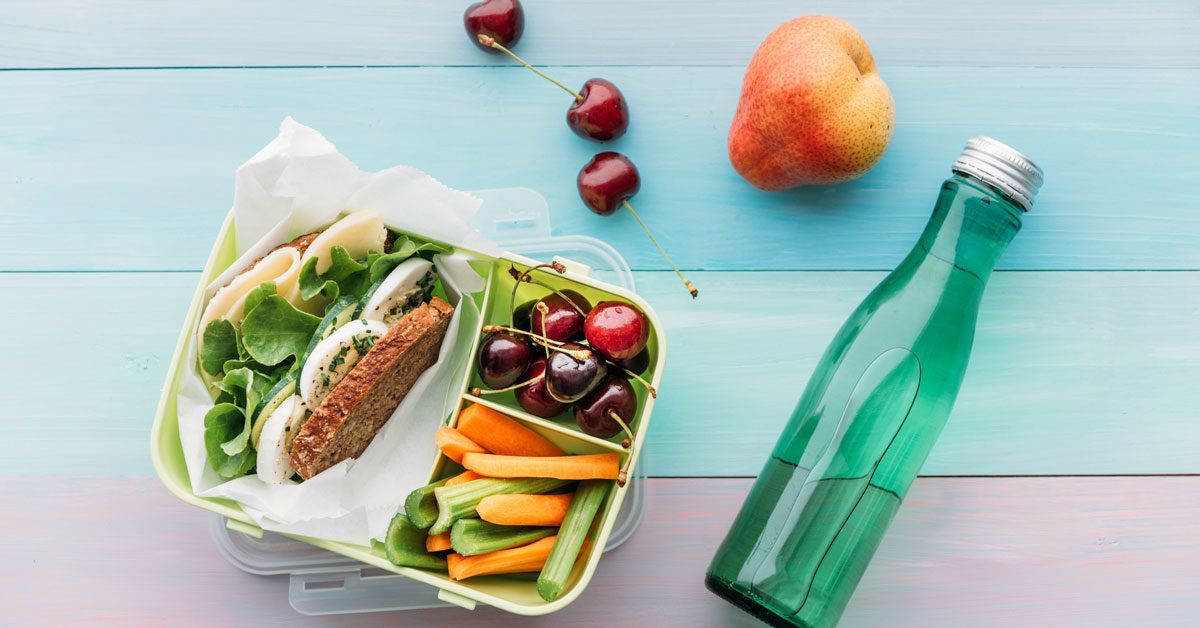

“I’m going to eat healthy starting Monday.” Famous last wordsright up there with “I’ll just watch one episode.”
Sticking to a healthy diet isn’t about having superhero willpower or surviving on sad desk salads. It’s about making
healthy choices easier, more automatic, and way less dramatic.
This guide gives you 11 simple, realistic strategies to build healthy eating habits that actually lastwhether you’re
cooking at home, eating out, dealing with stress, or living in a world where cupcakes have social media managers.
What “Healthy Diet” Really Means (No Food Police Required)
A healthy diet isn’t a strict set of rulesit’s a pattern. Most major nutrition authorities agree on the same core idea:
eat a variety of minimally processed foods, prioritize fruits and vegetables, choose whole grains often, include quality
protein, and don’t let added sugars and ultra-processed snacks run the whole show.
The goal is consistency, not perfection. If your diet is “pretty balanced most of the time,” you’re doing it right.
One smoothie doesn’t cancel a burger. One salad doesn’t erase three days of drive-thru. Your body is not a math worksheet.
1) Make the “Healthy Default” Your Plan A
The easiest way to stick to a healthy diet is to stop treating it like a temporary project. Instead, decide what your
“default” meals look likesimple, repeatable options you genuinely enjoy. This reduces decision fatigue (the sneaky villain
that shows up at 9 p.m. whispering “Nachos are basically vegetables.”)
Try this
- Pick 2 breakfasts, 2 lunches, and 3 dinners you can rotate.
- Keep the ingredients on hand.
- Make them easy enough that “I’m tired” doesn’t destroy the plan.
Example defaults
- Breakfast: Greek yogurt + fruit + nuts, or eggs + whole-grain toast + spinach.
- Lunch: Turkey/bean wrap + veggies, or a “big salad + protein” bowl.
- Dinner: Sheet-pan chicken/tofu + vegetables, or chili loaded with beans and veggies.
2) Use a 10-Minute Weekly Food Plan
Planning doesn’t have to mean color-coded spreadsheets or owning 37 matching glass containers. It just means creating a
small roadmap so you don’t rely on hunger-driven improvisation (which tends to end in “surprise fries”).
The 10-minute method
- Look at your week: Which days are busy? Which days can you cook?
- Choose 3–4 dinners: Include at least one “no-cook” or “very low effort” meal.
- Assign leftovers: Plan for lunch the next day or freeze extra portions.
- Write a short grocery list: Stick to it (future you says thank you).
Planning is how you make healthy eating realistic. It’s not restrictiveit’s protective. It protects your time, your money,
and your energy.
3) Build Plates That Keep You Full
Many “healthy diet” attempts fail because people accidentally eat meals that look virtuous but don’t keep them satisfied.
When you’re hungry an hour later, your brain starts negotiating like a lawyer: “Technically, cookies are carbs, and carbs
are energy, so…”
A simple balanced-plate formula
- Half the plate: vegetables and/or fruit (think color and crunch).
- One quarter: protein (beans, lentils, eggs, fish, chicken, tofu, yogurt).
- One quarter: whole grains or starchy veggies (brown rice, oats, quinoa, potatoes).
- Add healthy fats: olive oil, avocado, nuts, seedssmall amounts go a long way.
Specific, tasty examples
- Salmon + roasted broccoli + brown rice + lemon/olive oil.
- Bean chili + side salad + a sprinkle of cheese or avocado.
- Stir-fry veggies + tofu + soba or rice + sesame/peanut sauce (lightly).
4) Keep a “Fallback Meal” for Busy Days
The best healthy eating plan includes days when the plan falls apart. That’s not pessimismit’s reality. A fallback meal
is your safety net: something fast, balanced, and easy to assemble when you can’t cook.
Good fallback meals are
- Fast: 10 minutes or less.
- Balanced: protein + fiber + something colorful.
- Easy to keep stocked: pantry/freezer-friendly items.
Fallback meal ideas
- Rotisserie chicken + bagged salad + microwavable brown rice.
- Whole-grain toast + eggs + fruit.
- Frozen veggie mix + beans + salsa + cheese in a quick bowl.
- Oatmeal + nut butter + berries (frozen is fine).
Your fallback meal prevents the “I failed, so I quit” spiral. It keeps you steady when life gets loud.
5) Prep Ingredients, Not Perfection
Meal prep works best when it’s flexible. Instead of cooking seven identical meals (and then resenting them by Thursday),
prep ingredients that can mix and match.
What to prep in 30–60 minutes
- One protein: grilled chicken, baked tofu, beans, hard-boiled eggs.
- One grain: quinoa, brown rice, farro, or whole-wheat pasta.
- Two veggies: roasted tray of vegetables + washed/chopped salad greens.
- One sauce: salsa, tahini lemon, yogurt herb, or a simple vinaigrette.
How this helps you stick with it
When the building blocks are ready, a healthy meal stops feeling like a “project.” It becomes assembly. And assembly is
much easier to do on a Wednesday night when your brain is running on low battery.
6) Upgrade Your Snacks (So You Don’t Get Hangry)
Snacking isn’t the enemy. Unplanned, low-fiber, low-protein snacking is the enemybecause it usually leads to “Why am I
still hungry?” followed by “Because that was basically flavored air.”
A simple snack rule
Aim for protein + fiber when you can. It helps you feel satisfied and makes it easier to avoid grazing all
day.
Snack ideas that actually hold you over
- Apple + peanut butter
- Greek yogurt + berries
- Carrots + hummus
- Handful of nuts + fruit
- Cheese stick + whole-grain crackers + cucumber slices
- Edamame or roasted chickpeas
Keep one or two of these options visible and convenient. The best snack is the one you can grab without a scavenger hunt.
7) Drink Like a Grown-Up Houseplant
Hydration won’t magically fix your whole life, but it does help support energy, digestion, and appetite cues. And people
sometimes confuse thirst with hungerespecially when they’re busy or stressed.
Easy hydration tactics
- Keep a water bottle where you can see it (out of sight = out of sip).
- Flavor water with lemon, cucumber, or a splash of unsweetened sparkling water.
- Pair water with habits you already do: after brushing teeth, before lunch, after class/work meetings.
Watch the “sneaky liquids”
Many drinks are basically dessert in a cup. If you love sweet drinks, you don’t have to ban themjust make them a conscious
choice, not a default.
8) Learn the Label Basics (Without a PhD)
You don’t need to count every number on the Nutrition Facts label. But understanding a few basics can help you choose
foods that support your goalsespecially with packaged snacks, cereals, sauces, and drinks.
Three label skills worth learning
-
Serving size: This is the anchor for everything on the label. If the serving size is tiny, the calories,
sodium, and added sugar can add up fast. -
Added sugars: “Added” means it didn’t come naturally with the food. It was added during processing
(or concentrated). Less is usually better for everyday choices. -
% Daily Value: This helps you spot when something is high or low in a nutrient (like fiber or sodium).
It’s a quick comparison tool.
A practical example
Choosing between two yogurts? Look for one with higher protein, lower added sugar, and ingredients you recognize. You’re
not aiming for “perfect.” You’re aiming for “better most days.”
9) Make Portions Feel Normal Again
Portion sizes have gotten big enough to have their own zip code. At home, you can reset your “normal” without weighing
food or turning dinner into a science experiment.
Simple portion tools that don’t feel restrictive
- Use a smaller plate or bowl for calorie-dense foods (like chips or ice cream).
- Serve food onto a plate instead of eating from the bag/box (the bag is not a serving dish).
- Start with a reasonable portion and give yourself permission to get more if you’re truly hungry.
Mindful pacing (not slow-motion chewing)
Try a small pause halfway through your meal. Ask: “Am I still hungry, or am I just still eating?” This one question can
help you stay connected to your body’s cues.
10) Have a Restaurant Strategy
Eating out can absolutely fit into a healthy diet. The trick is to stop hoping you’ll “wing it” and magically order the
balanced option every time. A simple strategy keeps you consistent without sucking the joy out of social meals.
A no-stress ordering framework
- Choose a protein: grilled, baked, roasted, beans, tofu, fish.
- Add produce: side salad, veggies, veggie-heavy entrée, fruit if available.
- Pick a smart carb: whole grains if offered, or a smaller portion of fries/bread if that’s your treat.
- Be intentional with sauces: ask for dressing/sauce on the side.
Real-world examples
- Burger place: burger + side salad or veggies; share fries; water or unsweetened drink.
- Mexican: burrito bowl with beans, fajita veggies, salsa; add guac; go lighter on cheese/sour cream if needed.
- Italian: grilled chicken or fish + veggies; or pasta with a side salad and a protein add-on.
You can also use the “one upgrade” rule: add a veggie, swap a sugary drink, or split a giant portion. Small changes stack.
11) Protect Sleep and Stress Levels
If sticking to a healthy diet feels impossible, it might not be your meal planit might be your recovery. Poor sleep and
chronic stress can crank up cravings, reduce patience, and make quick comfort foods feel irresistible. You’re not “weak.”
You’re human.
Small sleep-supporting habits
- Try a consistent bedtime/wake time most days.
- Eat dinner earlier when you can (so you’re not going to bed stuffed).
- Make an easy “wind-down” routine: dim lights, stretch, read, music, shower.
Stress eating isn’t a moral failure
Stress eating is often a signal: you’re overwhelmed, under-fueled, under-rested, or all three. If stress snacking shows up,
try pausing for a minute and checking what you actually need (a walk, water, a snack with protein, a break, a conversation).
Sometimes food is part of the solutionjust aim for a supportive choice.
Putting It All Together: Your “Stick With It” Checklist
- Plan lightly: 3–4 dinners, repeat breakfasts/lunches.
- Stock smart: default groceries + fallback meal ingredients.
- Build balanced meals: produce + protein + fiber-rich carbs.
- Snack with intention: protein + fiber most of the time.
- Hydrate: make water convenient.
- Use labels: serving size, added sugar, %DV.
- Restaurants: protein + produce + sauce strategy.
- Recovery matters: sleep and stress shape cravings.
Real-Life Experiences: How “11 Simple Ways” Plays Out in Real Life ()
Experience #1: The “I Plan Nothing, Then Panic-Order Food” Cycle
A common story goes like this: someone starts the week with good intentions, but without a plan. Monday is fine. Tuesday
gets busy. Wednesday becomes a blur. By Thursday, dinner is a stressful question mark, and the easiest answer is takeout.
Then the guilt shows upbecause the goal was a healthy diet, not “survive on whatever arrives fastest.”
The turning point usually isn’t a strict diet. It’s a 10-minute weekly plan and a fallback meal.
Once there’s a short list of “Plan A” dinners (like a sheet-pan meal, a quick stir-fry, or tacos with beans and veggies),
the brain doesn’t have to solve dinner from scratch every night. And when life goes sideways, the fallback meal prevents the
all-or-nothing spiral. Rotisserie chicken plus salad plus microwavable brown rice is not glamorousbut it’s the kind of
“good enough” meal that keeps a healthy eating pattern alive.
- What helped most: Tip #2 (weekly plan) + Tip #4 (fallback meal)
- Unexpected bonus: less spending, fewer “food decision” arguments, and more consistency
Experience #2: The Snack Trap (a.k.a. “Why Am I Hungry Again?”)
Another relatable experience: someone tries to eat “light,” but snacks all day. The snacks aren’t plannedjust whatever’s
around. A few crackers here, a sweet coffee there, a handful of something from a bag that magically empties itself. They’re
not eating huge meals, yet they never feel satisfied.
The change is surprisingly simple: upgrading snacks to include protein + fiber. Greek yogurt with berries,
apple with peanut butter, hummus with carrots, or nuts with fruit. Not fancy. Not restrictive. Just snacks that actually
do their job. When snacks are more satisfying, people often notice they’re calmer around food and less likely to “accidentally”
eat a second dinner at 10 p.m.
- What helped most: Tip #6 (snack upgrades) + Tip #7 (hydration)
- Unexpected bonus: better energy through the afternoon and fewer cravings
Experience #3: Eating Out Without Feeling Like You “Ruined Everything”
Social meals can feel like a diet-killer when someone expects perfection. A birthday dinner turns into internal panic:
“Do I order the salad and feel sad, or order what I want and feel guilty?” The more sustainable approach is a simple
restaurant strategy: choose a protein, add produce, be mindful with sauces, and enjoy treats intentionally.
In real life, this might look like ordering a burger and adding a side salad, or splitting fries with a friend. Or choosing
a burrito bowl with beans and fajita veggies, then adding guacamole because it’s delicious and satisfying. The key is that
the person leaves the meal feeling normalnot like they “failed.” That mental shift makes it easier to stick to healthy
eating the next day, instead of swinging between restriction and “whatever.”
- What helped most: Tip #10 (restaurant strategy) + Tip #8 (label basics for everyday groceries)
- Unexpected bonus: less guilt, more enjoyment, and a healthier relationship with food
Across these experiences, the theme is consistent: people stick to a healthy diet when it feels doable, flexible, and
supportive. The “simple ways” work because they reduce friction. They turn healthy eating from a daily negotiation into a
set of habits you can repeateven when you’re busy, stressed, or just not in the mood to be a chef.