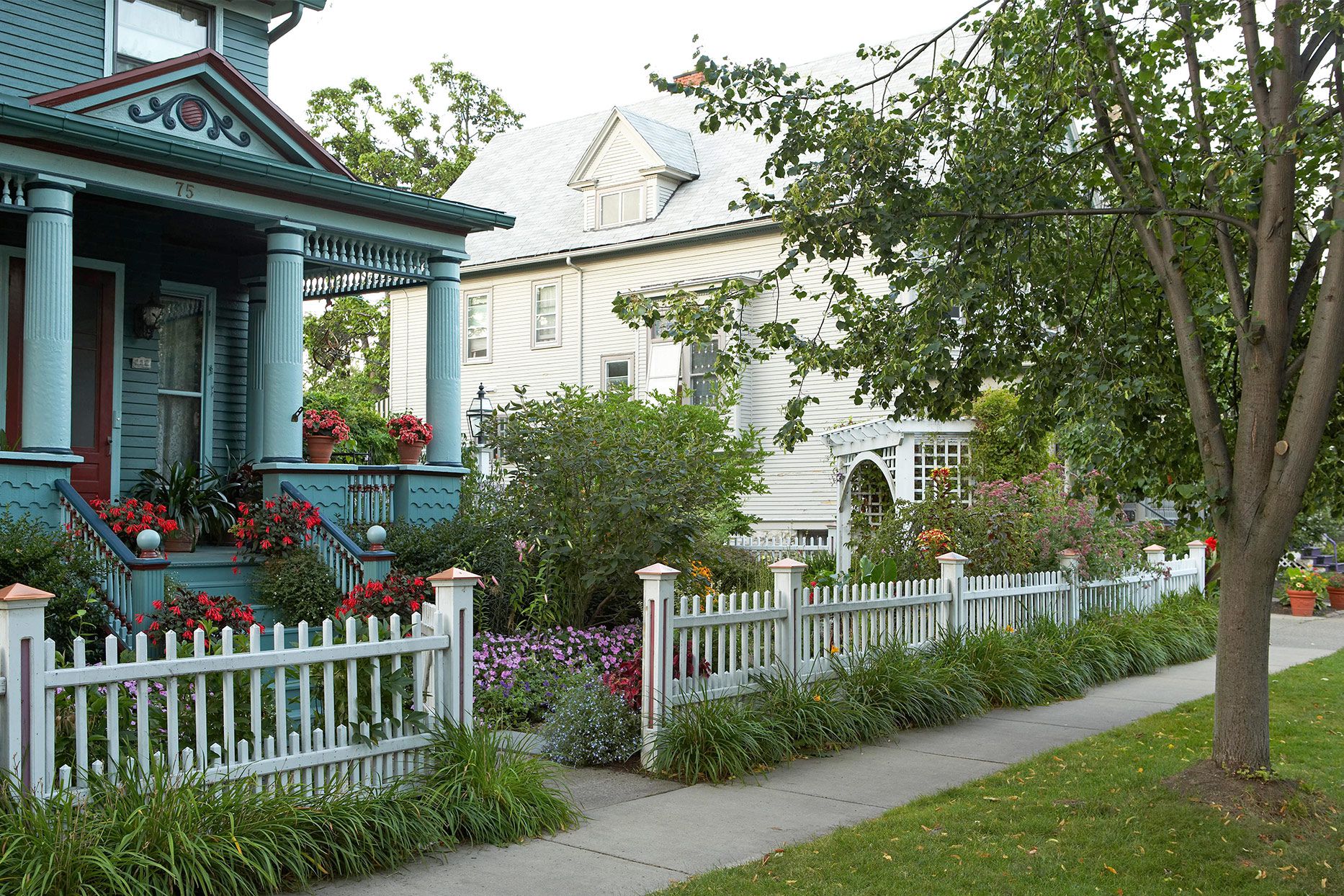

Your front yard is basically your home’s handshake. It says hello, shows a little personality, and quietly tells the neighbors whether you are “weekend gardener with a master plan” or “person who forgot they owned pruning shears.” The good news? A beautiful front yard does not have to become a second job.
The smartest low maintenance front yard landscaping ideas all follow the same simple logic: grow less lawn, choose plants that actually like your climate, repeat materials and shapes, and stop making yourself babysit the yard every Saturday morning. In other words, let the landscape do more of the work so you can spend less time mowing, watering, trimming, and muttering at rogue weeds.
If you want curb appeal without turning into the unpaid groundskeeper of your own property, these ideas can help. Below are 11 practical ways to create a front yard that looks polished, feels welcoming, and asks for a lot less effort once it is established.
Why Low-Maintenance Landscaping Works So Well
A low-maintenance front yard is not a lazy yard. It is a deliberate one. The best designs reduce chores by using fewer high-demand features and more long-lasting structure. That usually means smaller lawns, regionally appropriate plants, mulch, stone, groundcovers, and simple layouts that do not require constant reshaping.
It also helps to remember one golden landscaping rule: right plant, right place. A shrub that fits its mature size, sunlight, drainage, and water needs is a dream. A plant that hates its location becomes a full-time complaint department with leaves.
1. Shrink the Lawn Instead of Worshipping It
One of the easiest ways to create a low maintenance front yard is to reduce the amount of turfgrass you need to mow, edge, fertilize, and water. Traditional front lawns can look tidy, sure, but they also come with recurring chores that never really take a holiday.
Try keeping a smaller patch of lawn only where it serves a purpose, then convert the rest into planting beds, gravel areas, mulch zones, or wider entry paths. Even a modest lawn reduction can noticeably cut down on upkeep.
Why it works
Less grass means less mowing, less watering, and fewer bare patches to fix after a hot summer or a heavy downpour. It also gives you more room for layered planting that looks intentional instead of plain.
Try this
Keep a clean rectangular or curved lawn panel near the walkway, then surround it with simple beds filled with shrubs, perennials, and mulch. It looks crisp and does not feel like a giant green chore chart.
2. Plant Native and Climate-Appropriate Species
If a plant naturally thrives in your region, that is already a strong hint it will be less needy once established. Native plants and other climate-appropriate choices are usually better adapted to local rainfall, temperatures, and pest pressure than fussy imports that demand constant attention.
This does not mean your yard has to look wild or meadow-like unless that is your thing. Native plants can be used in very neat, structured designs. The trick is selecting species that match your site’s sun, soil, and drainage conditions.
Why it works
Plants suited to your site typically need less irrigation, fewer chemical inputs, and less replacement over time. That is a pretty solid deal.
Try this
Check your USDA hardiness zone and local extension recommendations, then build your front yard palette around reliable performers such as native grasses, compact flowering shrubs, and hardy perennials suited to your region.
3. Use Mulch Like It Is Your Landscaping Assistant
Mulch may not be glamorous, but neither is spending your weekend pulling weeds while sweating through your T-shirt. A generous mulch layer is one of the best tools for a low maintenance front yard because it helps hold soil moisture, moderate temperature swings, and suppress weeds.
Organic mulch also gives planting beds a finished look. Suddenly the yard appears organized, and you look like someone who definitely has their life together.
Why it works
Mulch reduces evaporation and cuts down on weed competition, which means less watering and less hand-weeding. It also visually ties the landscape together.
Try this
Use a consistent mulch color throughout the front yard for a cleaner design. Apply enough to cover the soil well, but do not pile it against tree trunks or shrub stems. Mulch volcanoes are not a landscaping flex.
4. Choose Fewer Plant Varieties and Repeat Them
Many front yards become high maintenance because the design tries to squeeze in one of everything: one rose, one hydrangea, one ornamental grass, one shrub with an identity crisis, and six random annuals that looked cute at the garden center. The result is visual clutter and extra work.
A better strategy is to choose a limited plant palette and repeat it. Repetition makes a front yard look calmer, more cohesive, and easier to manage.
Why it works
When several plants share the same care needs, watering and pruning become simpler. Repeated plant groupings also look more professional and less like a yard assembled during a clearance sale.
Try this
Pick three to five dependable plant types for the whole front yard. For example: one compact evergreen shrub, one ornamental grass, one flowering perennial, one groundcover, and one accent tree.
5. Add Gravel, Stone, or Rock for Structure
Hardscaping is your friend when you want beauty without constant fuss. Gravel, stone, boulders, pavers, and rock edging can all reduce the amount of living material that needs watering and pruning while adding texture and year-round interest.
Rock-based landscaping works especially well in sunny front yards, modern designs, xeriscape-style plans, and homes where grass struggles anyway.
Why it works
Hardscape features stay tidy with far less care than large planting beds or turf. They also help define spaces and make the yard look intentional even in the off-season.
Try this
Combine pavers with gravel for a clean path, or frame a planting bed with boulders and drought-tolerant plants. Just do not cover the entire yard in random decorative rock and call it a day. A little balance goes a long way.
6. Swap High-Maintenance Edges for Groundcovers
Awkward strips of grass near sidewalks, foundations, and fences are usually where maintenance goes to multiply. They are annoying to mow, annoying to edge, and somehow always full of weeds. Groundcovers can solve that problem beautifully.
Depending on your climate, options may include creeping thyme, sedum, low native grasses, wild ginger, or other low-growing plants that spread gently and soften hard edges.
Why it works
Groundcovers can reduce mowing, fill gaps, and keep soil covered. Many also add texture and seasonal color without asking for diva-level maintenance.
Try this
Replace narrow turf strips with a low, durable groundcover and edge it neatly so it still looks tailored from the street.
7. Pick Dwarf or Slow-Growing Shrubs
A common front yard mistake is planting shrubs that will eventually swallow windows, crowd walkways, or require frequent shearing to stay civilized. That is how you end up in a yearly battle with clippers and regret.
Compact shrubs and slow-growing evergreens are much easier to live with. They hold their shape better, need less pruning, and keep the front of the house looking open and welcoming.
Why it works
Plants that fit the space at maturity do not need constant size control. That means less pruning and a healthier, more natural form.
Try this
Look for dwarf hollies, compact boxwood alternatives, small spireas, inkberry, dwarf yaupon holly, or other region-appropriate shrubs that top out at a manageable height.
8. Use One Small Tree as a Focal Point
You do not need a forest in the front yard. In fact, one well-placed small tree can do more for curb appeal than a jumble of medium-sized shrubs fighting for attention. A focal tree adds structure, seasonal interest, and a strong visual anchor.
Flowering trees, small ornamental trees, or regionally appropriate native trees are all solid options, as long as their mature size fits the space and they are not planted too close to the house, walkway, or overhead lines.
Why it works
A focal tree creates a finished look with relatively little maintenance compared with large annual beds or multiple fussy plantings.
Try this
Underplant the tree with mulch and a small ring of low-maintenance perennials or groundcover. It feels layered and elegant without becoming a maintenance trap.
9. Install Drip Irrigation or Soaker Hoses
Dragging a hose around the front yard is excellent exercise, but not everyone wants their landscaping plan to double as cardio. A drip irrigation system or soaker hose setup makes watering far more efficient and targeted.
These systems deliver water closer to the root zone, which helps reduce runoff, limits wasted water, and can even reduce the area where weeds are encouraged to sprout.
Why it works
Automated or low-flow irrigation saves time and helps plants stay healthier with more consistent watering. It is especially helpful in mulched beds, shrub borders, and water-wise landscapes.
Try this
Group plants with similar water needs together, then irrigate those zones separately. That way you are not soaking drought-tolerant plants just because nearby flowers are thirstier.
10. Create Clean Edges and Simple Borders
Sometimes the difference between “effortless” and “neglected” is one sharp edge. Defined bed lines, clear walkway borders, and clean transitions between lawn, mulch, and stone make the whole front yard look more polished even when the plant palette is simple.
This is one of those low effort, high reward tricks that designers love because it instantly improves visual order.
Why it works
Simple geometry makes the yard easier to maintain and easier to read from the street. It also helps keep mulch, gravel, and grass where they belong.
Try this
Use steel edging, stone edging, brick, or a crisp spade-cut edge to separate planting beds from the lawn. The yard will look sharper before you even buy a single new plant.
11. Let Containers Do the Heavy Lifting Near the Entry
If you want front yard color without creating more beds to weed, containers are the shortcut. A few large planters by the front door, porch, or steps can make the entire entry feel more styled with very little footprint.
Containers are especially helpful for small front yards because they add visual punch without crowding the space. They also let you rotate seasonal interest in a controlled way.
Why it works
You get color and texture exactly where people notice it most, without committing to large, maintenance-heavy planting areas.
Try this
Use oversized containers so they dry out less quickly, then keep the planting simple. One evergreen, one spiller, and one seasonal accent can be plenty.
Common Mistakes That Make a Front Yard Harder to Maintain
Even a good-looking yard can become a maintenance headache if the design choices are fighting the site. The biggest mistakes are usually predictable: planting too many species, choosing shrubs that outgrow the space, ignoring sun and drainage, overplanting for an “instant” lush look, and relying on thirsty plants in hot, dry areas.
Another classic mistake is forgetting about scale. Front yards usually look best when plants near the street stay lower and the height increases gradually toward the house. That keeps the space feeling open instead of overgrown.
And finally, do not underestimate simplicity. A restrained front yard often looks more expensive and is usually easier to maintain than a packed one full of high-drama plant decisions.
Experiences Homeowners Commonly Have With Low-Maintenance Front Yard Landscaping
One of the most common experiences homeowners describe after reworking a front yard is surprise. Not because the new landscape looks nice, but because it changes how the house feels every single day. A front yard with less lawn, cleaner lines, and better plant choices tends to make the home feel calmer and more intentional. Even pulling into the driveway after work feels a little better. It is the outdoor version of finally organizing the room that used to stress you out for no reason.
Another very real experience is learning that “low maintenance” does not mean “no maintenance.” Fresh mulch still needs topping up. New plants still need regular watering while they establish. Drip lines still need the occasional check. But most homeowners find that the work becomes lighter, more predictable, and much less frustrating. Instead of constant rescue missions, the yard shifts into basic upkeep.
Many people also realize they were maintaining the wrong things. A giant front lawn might seem normal until you replace part of it with mulched beds, native plantings, and a simple path. Suddenly you are not spending so much time mowing tiny corners or trying to green up grass during tough weather. You begin to see how much effort was going into tradition rather than function.
There is often a design lesson, too. Homeowners who start with too many plant varieties frequently end up simplifying later. The yards that age best are usually the ones with repetition: the same grass repeated in drifts, the same shrub used along the foundation, the same mulch tying everything together. That consistency reads as calm and polished from the street, even if the actual plant list is short.
People with small front yards especially notice how much easier life gets when every feature earns its place. A compact tree for structure, a few evergreen shrubs, one reliable perennial, and containers near the door can create more curb appeal than a dozen random beds scattered across the property. It is a good reminder that landscaping does not need to be crowded to feel rich.
Another common experience is that neighbors notice. Not in a dramatic “the whole block stops and applauds” way, unfortunately, but in the much more realistic form of compliments, questions, and copycat edging. A simple, low-maintenance yard often looks cleaner than a complicated one because it stays presentable with less effort. That consistency is what people respond to.
Perhaps the most valuable lesson homeowners share is this: the best front yard is one you can maintain without resentment. If a design asks more from you than your time, energy, or climate can realistically give, it will not feel beautiful for long. A successful low maintenance front yard landscaping plan works with your region, your schedule, and your house style. That is what makes it sustainable, and that is what makes it feel good year after year.
Final Thoughts
The best low maintenance front yard landscaping ideas are not about doing the bare minimum. They are about making smarter choices from the beginning. Reduce unnecessary lawn, use materials that stay tidy, choose plants that suit your site, and repeat elements so the whole yard feels calm and cohesive.
When you do that, your front yard becomes easier to manage, more water-wise, and more attractive in every season. And perhaps most importantly, it stops acting like a needy outdoor roommate.